STARLINK-1661 (46355)

COSPAR: 2020-062AG | Alt Name: Starlink 1661

Image
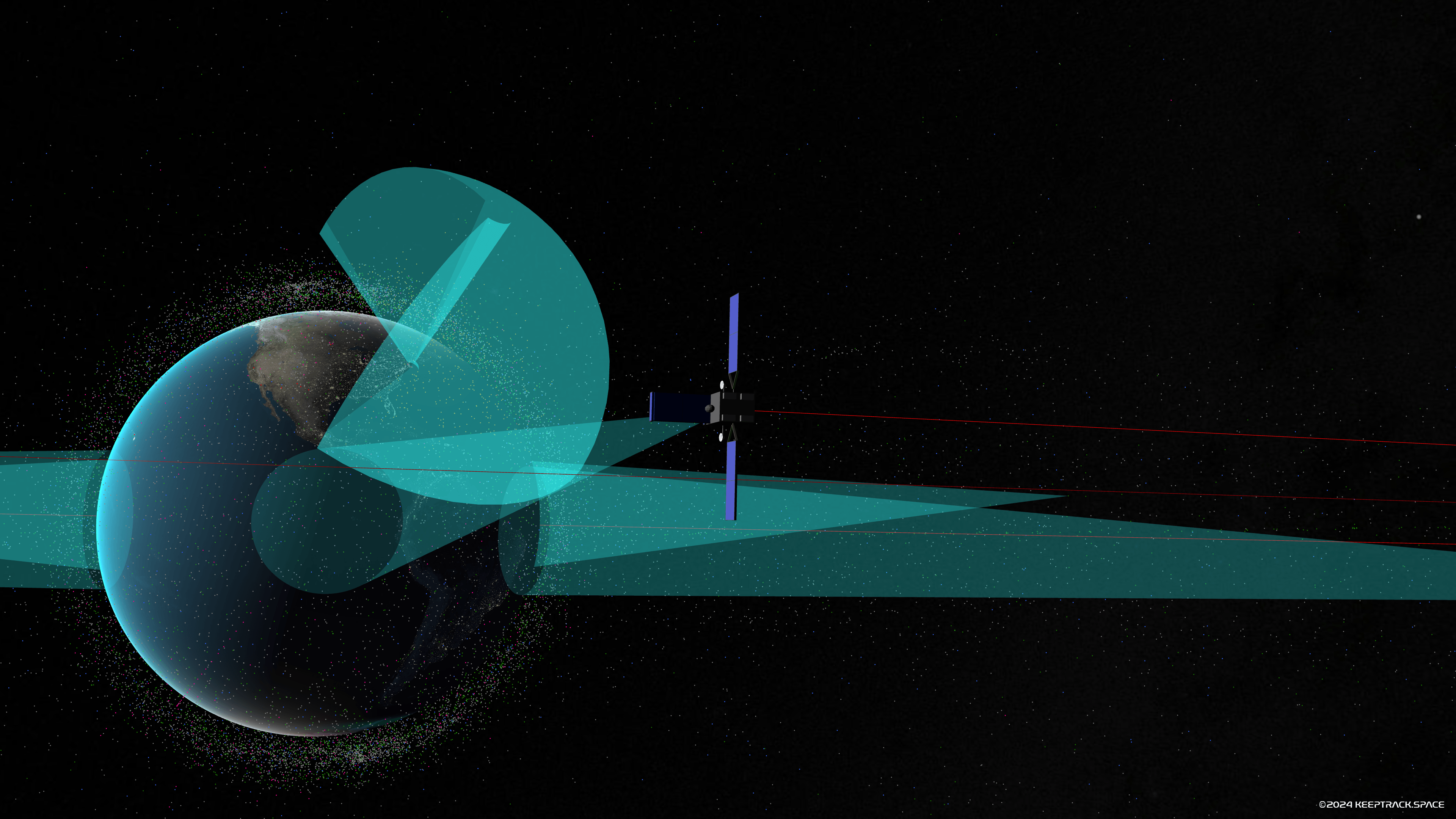
STARLINK-1661 Satellite Image
Additional Sources
Launch Details

Launch Date

September 3, 2020

Launch Pad

LC39A

Launch Vehicle

Falcon 9

Orbital Elements

NORAD ID

46355

International Designator

2020-062AG

Epoch

Sat, 04 Jul 2026 06:16:52 GMT

Apogee

Calculating...

Perigee

Calculating...

Inclination

53.15°

Right Ascension

185.34°

Eccentricity

Calculating...

Argument of Perigee

347.86°

Period

93.45 min

Mean Motion

15.41 rev/day

Latitude

Calculating...

Longitude

Calculating...

Altitude

Calculating...

Velocity

Calculating...

Polar Plot
3D Visualization
Basic Satellite Info

Name

STARLINK-1661

Alternative Name

Starlink 1661

Type

Payload

Status

Operational

Owner

SPXS

Country

United States

Constellation

N/A

Related Satellites

Major Events

N/A

Latest TLEs
1 46355U 20062AG  26185.26172350  .00100578  00000-0  23806-2 0  9993
2 46355  53.1536 185.3386 0003563 347.8596  12.2323 15.40995475322303

Source: Celestrak

Summary
STARLINK-1661, also known as Starlink 1661, is a communication satellite launched by SpaceX (SPXS) on September 3, 2020, from Kennedy Space Center's Launch Complex 39A using the Falcon 9 launch vehicle. The spacecraft has dimensions of 0.2 meters in length, 2.8 meters in diameter, and a span of 9 meters. It has a dry mass of 248 kilograms and was launched with a mass of 260 kilograms. Equipped with Ku/Ka-band payload capability and optical inter-satellite links, the satellite uses solar arrays and batteries for power supply and is propelled by Krypton ion thrusters. The design includes a box-shaped body with pan appendages.

Starlink is a satellite constellation developed by SpaceX with the aim of providing global broadband internet coverage. Thousands of small satellites are deployed in low Earth orbit (LEO), enabling high-speed internet access even in remote areas. However, the rapid increase in satellites raises concerns about space debris and the potential for collisions, which can lead to further debris creation and endanger other spacecraft. Additionally, the sheer number of Starlink satellites can affect astronomical observations by increasing light pollution. Proper deorbiting plans and international coordination are essential to mitigate these challenges and ensure long-term sustainability in space.
Physical Characteristics

Length

0.2

Diameter

2.8

Span

9

Dry Mass

248

Launch Mass

260

Shape

Box + pan

Radar Cross Section

Unknown

Visual Magnitude

Unknown

Color

Unknown

Material Composition

Unknown

Technical Details

Payload

Starlink V1.0-L11-15

Purpose

Communication

Mission

Communication

Manufacturer

SPXS

Life Expectancy

Unknown

Bus

Starlink

Configuration

Unknown

Motor

Krypton ion thrusters

Equipment

Ku/Ka-band payload (all), optical inter-satellite links (a few prototypes)

Power System

Solar arrays, batteries

ADCS

Unknown

Transmitter Frequency

Unknown

Map
This tool will help you track the satellite's position and predict its upcoming passes over your location. Simply input the coordinates or click the geolocation button to get started.
Next Pass
Azimuth Elevation Time (Local)
Start Azimuth
Max Elevation
Stop Azimuth
Time Until
Pass Duration

Satellite Articles

View All Posts »

Learn more about satellites and other related topics.

The Feasibility of Transitioning from Starlink to Eutelsat in Ukraine

The Feasibility of Transitioning from Starlink to Eutelsat in Ukraine

As Ukraine explores alternatives to SpaceX's Starlink, the potential adoption of Eutelsat OneWeb's satellite network raises critical questions about connectivity, resilience, and strategic autonomy.
The $1.5 Million Starlink Jammer That Ukraine Keeps Blowing Up

The $1.5 Million Starlink Jammer That Ukraine Keeps Blowing Up

Russia's Volna Kupol Garant electronic warfare system was purpose-built to jam Starlink. It costs around $1.5 million per unit, covers just 20 square kilometers, and can only target one satellite at a time. Ukraine has been finding and destroying them within days of deployment.

Space Brief 28 Oct 2024

Space Brief 28 Oct 2024

Explore China's ambitions to expand its Tiangong space station, NASA's next steps for the Europa Clipper mission, and ESA's efforts to support the European space industry. Discover the latest in satellite tracking and consider the fascinating findings on potential life on Mars.

X Report 30 Dec 2024

X Report 30 Dec 2024

SpaceX wraps up the year with significant launches, including a record-setting Astranis deployment and Starlink missions signaling the year's end.

Space Brief 9 Aug 2025

Space Brief 9 Aug 2025

Today's briefing covers SpaceX's latest Starlink launch, Rocket Lab's upcoming Neutron rocket launch, NASA's lunar nuclear reactor project, and more.

Version 10.0.0 Release Notes

Version 10.0.0 Release Notes

The latest update introduces 3D satellite FOV cones, advanced sensor capabilities, and enhanced timelines, improving the way users interact with satellite data.

Space Brief 6 Jul 2025

Space Brief 6 Jul 2025

Today’s brief covers the delayed launch of Australia's first orbital rocket, China's reusability programs, and the snow-enforced shutdown of a Chilean radio telescope.

SpaceX IPO Raises $75B at $135/Share on Nasdaq Debut | KeepTrack X Report

SpaceX IPO Raises $75B at $135/Share on Nasdaq Debut | KeepTrack X Report

SpaceX's historic $75B IPO priced at $135/share launches SPCX on Nasdaq at a $1.77 trillion valuation — the largest IPO in history.