


Space Brief 10 Dec 2024
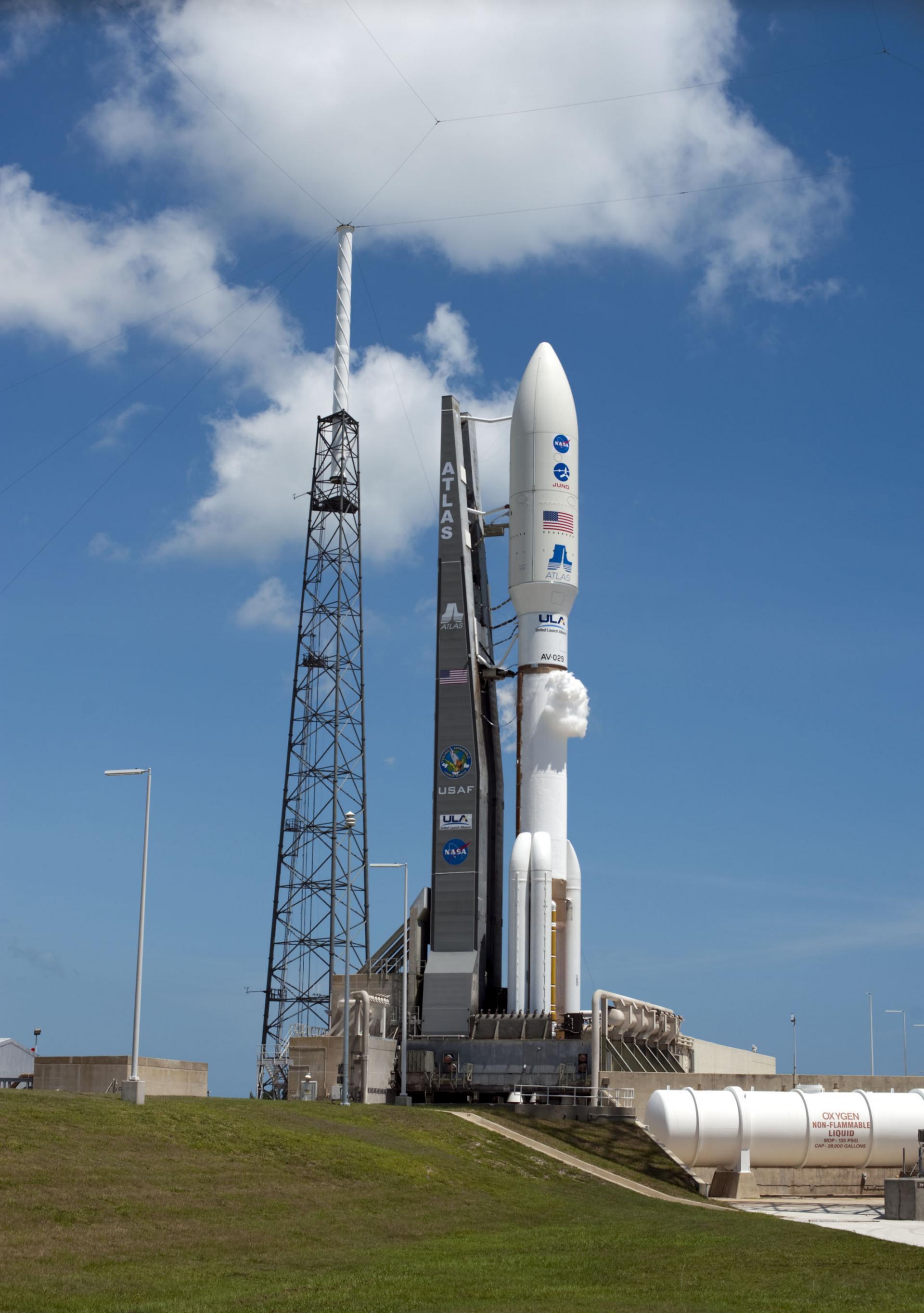
Today's highlights include a new 5G demonstration launch on Firefly, potential supply chain interruptions in the defense sector, and updates on Artemis and ULA launches.



Launch Date
September 3, 2020
Launch Site
Launch Pad
LC39A
Launch Vehicle
NORAD ID
46345
International Designator
2020-062W
Decay Date
2/7/2026
Name
STARLINK-1767
Alternative Name
Starlink 1767
Type
Status
Owner
SPXS
Country
United States
Constellation
N/A
Related Satellites
Major Events
N/A
Length
0.2
Diameter
2.8
Span
9
Dry Mass
248
Launch Mass
260
Shape
Box + pan
Radar Cross Section
Unknown
Visual Magnitude
Unknown
Color
Unknown
Material Composition
Unknown
Payload
Starlink V1.0-L11-56
Purpose
Communication
Mission
Communication
Manufacturer
SPXS
Life Expectancy
Unknown
Bus
Starlink
Configuration
Unknown
Motor
Krypton ion thrusters
Equipment
Ku/Ka-band payload (all), optical inter-satellite links (a few prototypes)
Power System
Solar arrays, batteries
ADCS
Unknown
Transmitter Frequency
Unknown
Learn more about satellites and other related topics.
Today's highlights include a new 5G demonstration launch on Firefly, potential supply chain interruptions in the defense sector, and updates on Artemis and ULA launches.
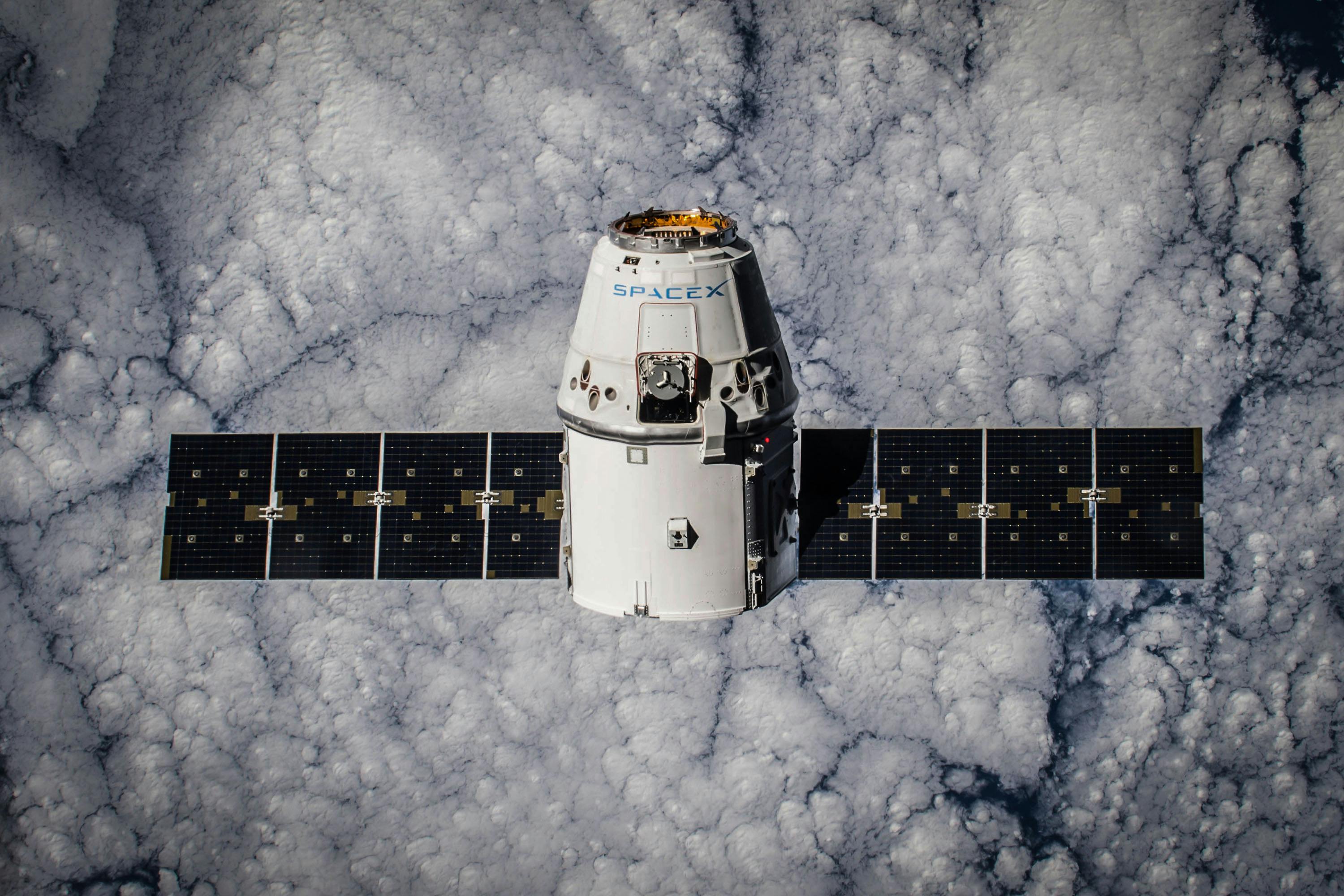
SpaceX makes strides with new GPS and Starlink launches while securing major U.S. government contracts.
U.S. Space Force transitions Meadowlands mobile satellite-jamming platform to operational status. System provides ground forces with electronic warfare capability against adversary satellite links.

SpaceX achieves significant milestones with the launch of 28 Starlink satellites and the final landing of the LZ-1 pad, marking key moments in their ongoing mission to expand satellite connectivity.
U.S. GSSAP satellites execute coordinated GEO maneuvers for continuous surveillance of Chinese Shijian-29 spacecraft. Handoff approach maintains coverage with zero gaps.
SpaceX is finalizing Pad 2 upgrades at Starbase ahead of Booster 19's return flight, as Starlink's active constellation holds at 10,185 satellites.
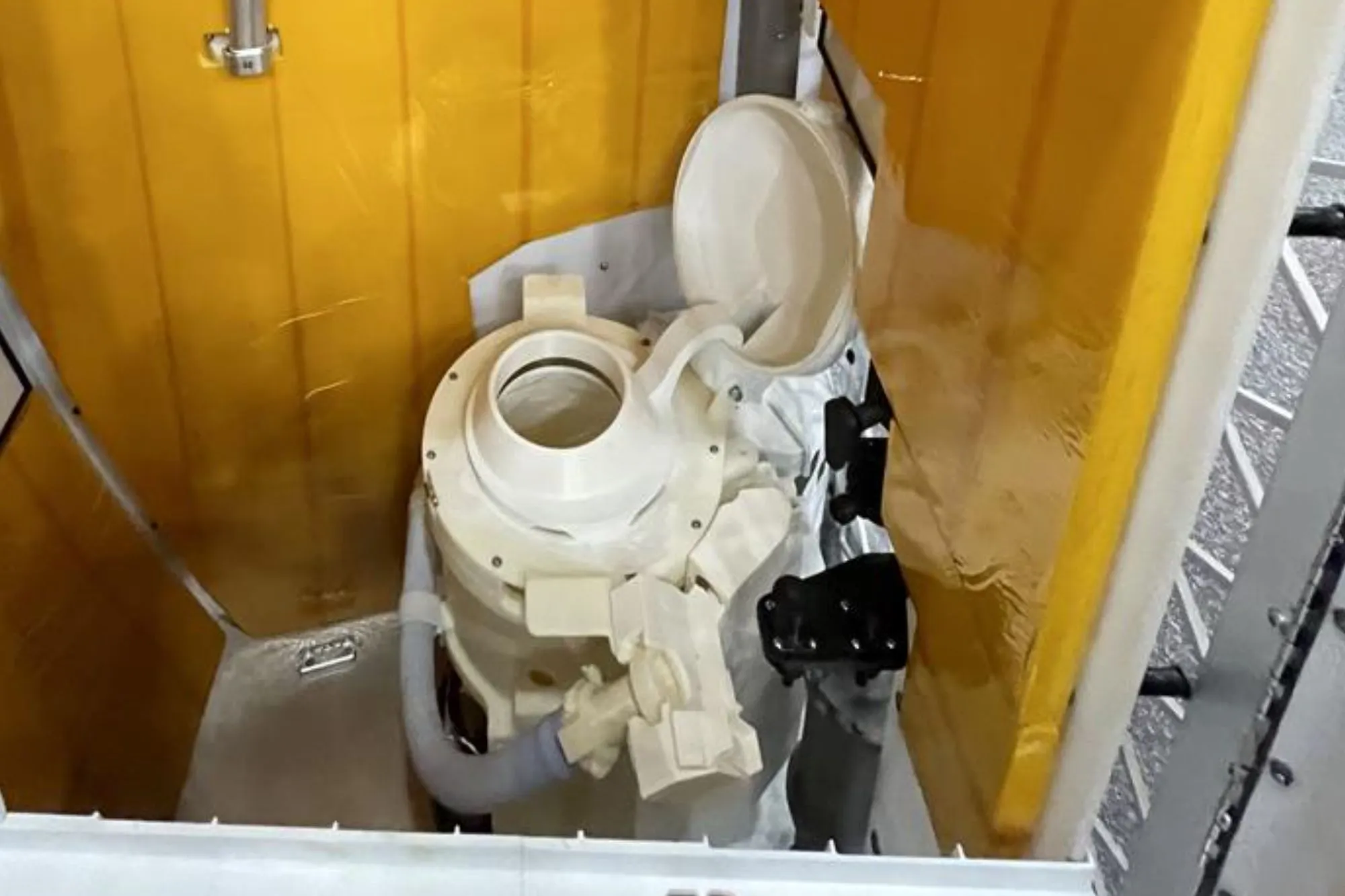
Sixty years of space toilet engineering, a decade of development, and a $30 million contract - and the Artemis II crew still had to pee in bags on Day 1.

Space Force selects 14 companies for $1.8 billion Andromeda program to replace GSSAP geosynchronous surveillance satellites with commercial alternatives through 2036.