STARLINK-1764 (46343)

COSPAR: 2020-062U | Alt Name: Starlink 1764

Image
STARLINK-1764 Satellite Image
Additional Sources
Launch Details

Launch Date

September 3, 2020

Launch Pad

LC39A

Launch Vehicle

Falcon 9

Orbital Elements

NORAD ID

46343

International Designator

2020-062U

Epoch

Mon, 15 Jun 2026 11:27:49 GMT

Apogee

Calculating...

Perigee

Calculating...

Inclination

53.01°

Right Ascension

183.57°

Eccentricity

Calculating...

Argument of Perigee

323.28°

Period

87.69 min

Mean Motion

16.42 rev/day

Latitude

Calculating...

Longitude

Calculating...

Altitude

Calculating...

Velocity

Calculating...

Polar Plot
3D Visualization
Basic Satellite Info

Name

STARLINK-1764

Alternative Name

Starlink 1764

Type

Payload

Status

Partially operational

Owner

SPXS

Country

United States

Constellation

N/A

Related Satellites

Major Events

N/A

Latest TLEs
1 46343U 20062U   26166.47765608  .09766342  12499-4  54350-3 0  9990
2 46343  53.0116 183.5712 0005818 323.2819  36.7829 16.42086581320646

Source: Celestrak

Summary
STARLINK-1764, also known as Starlink 1764, is a communication satellite manufactured by SPXS (SpaceX) and owned by the same entity. It was launched on September 3, 2020, from LC39A at AFETR using a Falcon 9 launch vehicle. The satellite has dimensions of 0.2 meters in length, 2.8 meters in diameter, and spans 9 meters when fully deployed. With a dry mass of 248 kilograms and a launch mass of 260 kilograms, it is equipped with Ku/Ka-band payload capabilities (all) and optical inter-satellite links (prototypes). Its power comes from solar arrays and batteries, and it utilizes Krypton ion thrusters for propulsion. The satellite has a box-like shape with a pan configuration and serves the purpose of communication in space.

Starlink is a satellite constellation developed by SpaceX with the aim of providing global broadband internet coverage. Thousands of small satellites are deployed in low Earth orbit (LEO), enabling high-speed internet access even in remote areas. However, the rapid increase in satellites raises concerns about space debris and the potential for collisions, which can lead to further debris creation and endanger other spacecraft. Additionally, the sheer number of Starlink satellites can affect astronomical observations by increasing light pollution. Proper deorbiting plans and international coordination are essential to mitigate these challenges and ensure long-term sustainability in space.
Physical Characteristics

Length

0.2

Diameter

2.8

Span

9

Dry Mass

248

Launch Mass

260

Shape

Box + pan

Radar Cross Section

Unknown

Visual Magnitude

Unknown

Color

Unknown

Material Composition

Unknown

Technical Details

Payload

Starlink V1.0-L11-54

Purpose

Communication

Mission

Communication

Manufacturer

SPXS

Life Expectancy

Unknown

Bus

Starlink

Configuration

Unknown

Motor

Krypton ion thrusters

Equipment

Ku/Ka-band payload (all), optical inter-satellite links (a few prototypes)

Power System

Solar arrays, batteries

ADCS

Unknown

Transmitter Frequency

Unknown

Map
This tool will help you track the satellite's position and predict its upcoming passes over your location. Simply input the coordinates or click the geolocation button to get started.
Next Pass
Azimuth Elevation Time (Local)
Start Azimuth
Max Elevation
Stop Azimuth
Time Until
Pass Duration

Satellite Articles

View All Posts »

Learn more about satellites and other related topics.

Space Force Eyes Asteroid Mining, Clashes With Congress on R-GPS | KeepTrack Space Brief

Space Force Eyes Asteroid Mining, Clashes With Congress on R-GPS | KeepTrack Space Brief

Space Force sees strategic value in asteroid mining. Congress pushes back on R-GPS phase-out over jamming risks. BlackSky expands Gen 3 defense contracts.

Space Force Stands Up SPACEFOR-NORTH for Homeland Defense | KeepTrack Space Brief

Space Force Stands Up SPACEFOR-NORTH for Homeland Defense | KeepTrack Space Brief

Space Force inaugurates SPACEFOR-NORTH at Peterson SFB for homeland defense. Viridian inks AFRL satellite agreement. HASC chair seeks $450B defense fund.

Falcon Heavy Returns After 18-Month Hiatus for ViaSat-3 | KeepTrack X Report

Falcon Heavy Returns After 18-Month Hiatus for ViaSat-3 | KeepTrack X Report

SpaceX's Falcon Heavy lifts off for the 12th time after 18 months grounded, delivering the final ViaSat-3 satellite from LC-39A at 10:21 a.m. EDT.
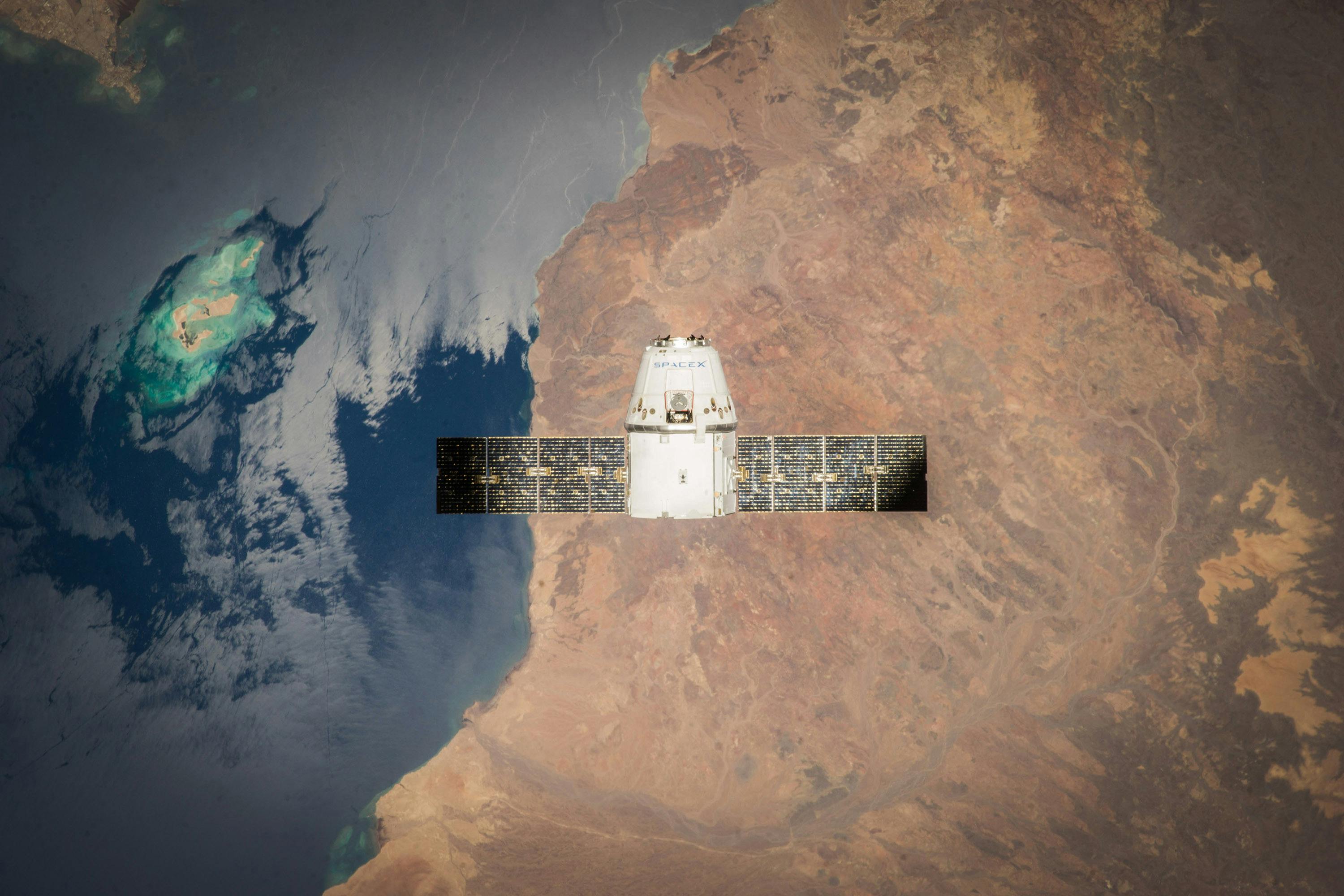
Tesla-SpaceX 2027 Merger Predicted by Wall Street | KeepTrack X Report

Tesla-SpaceX 2027 Merger Predicted by Wall Street | KeepTrack X Report

Wall Street analyst Dan Ives predicts a Tesla-SpaceX merger by 2027, while a quantum magnetometer launches March 30 on Falcon 9 rideshare.
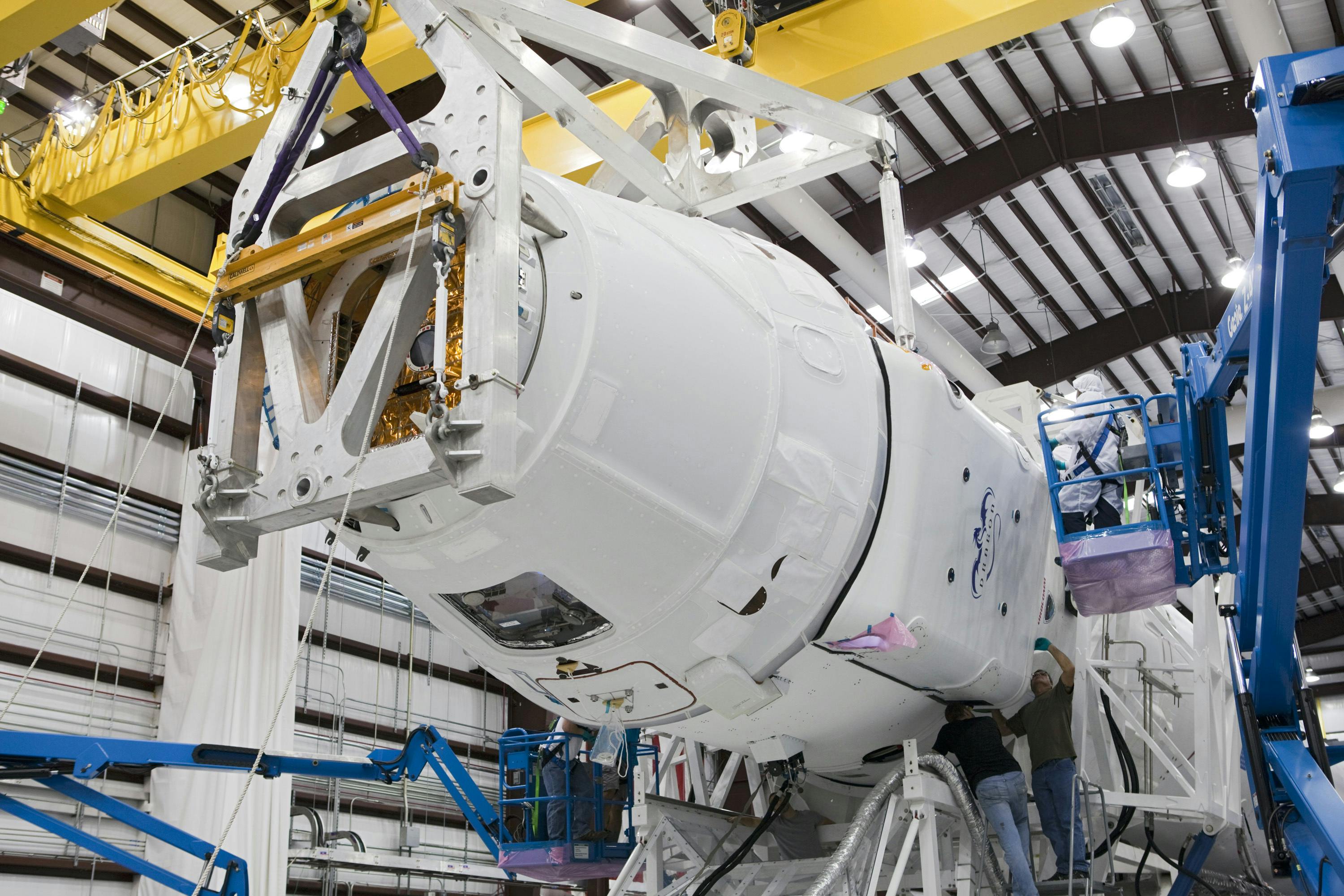
SpaceX Orbits 7.5-Ton SiriusXM Satellite & 24 Starlinks | KeepTrack X Report

SpaceX Orbits 7.5-Ton SiriusXM Satellite & 24 Starlinks | KeepTrack X Report

SpaceX completed two launches June 28, orbiting the 15,000-lb SXM-11 satellite and 24 Starlink V2 craft from Vandenberg.
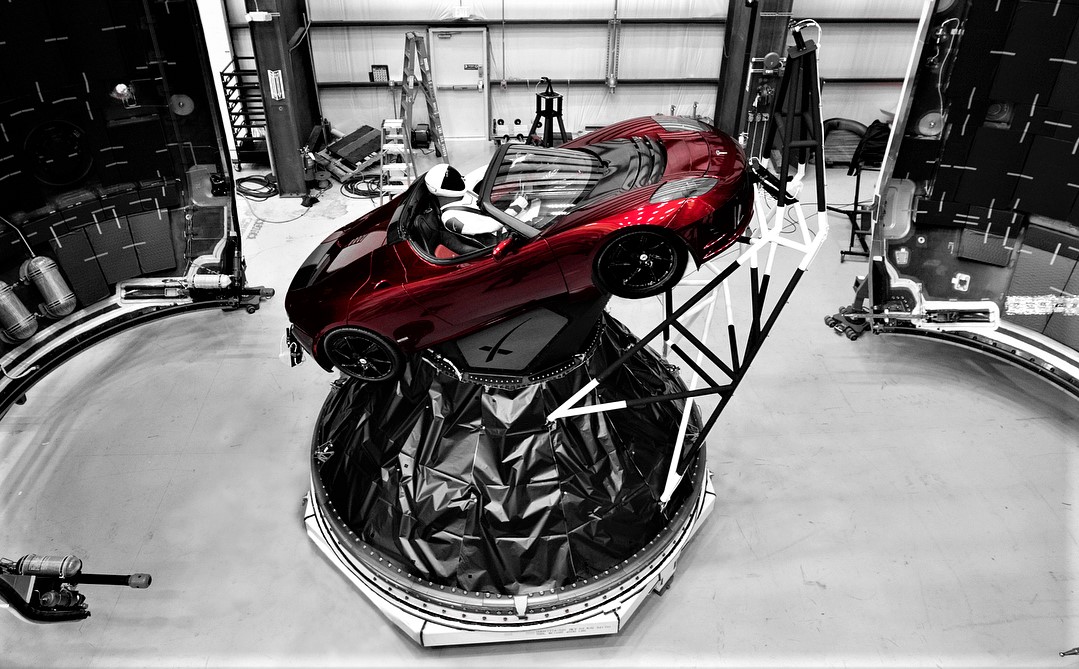
The Day a Car Started Its Journey to the Stars

The Day a Car Started Its Journey to the Stars

Seven years ago, SpaceX revolutionized spaceflight by launching the most powerful operational rocket in the world, carrying with it a cherry-red Tesla Roadster that captured global imagination
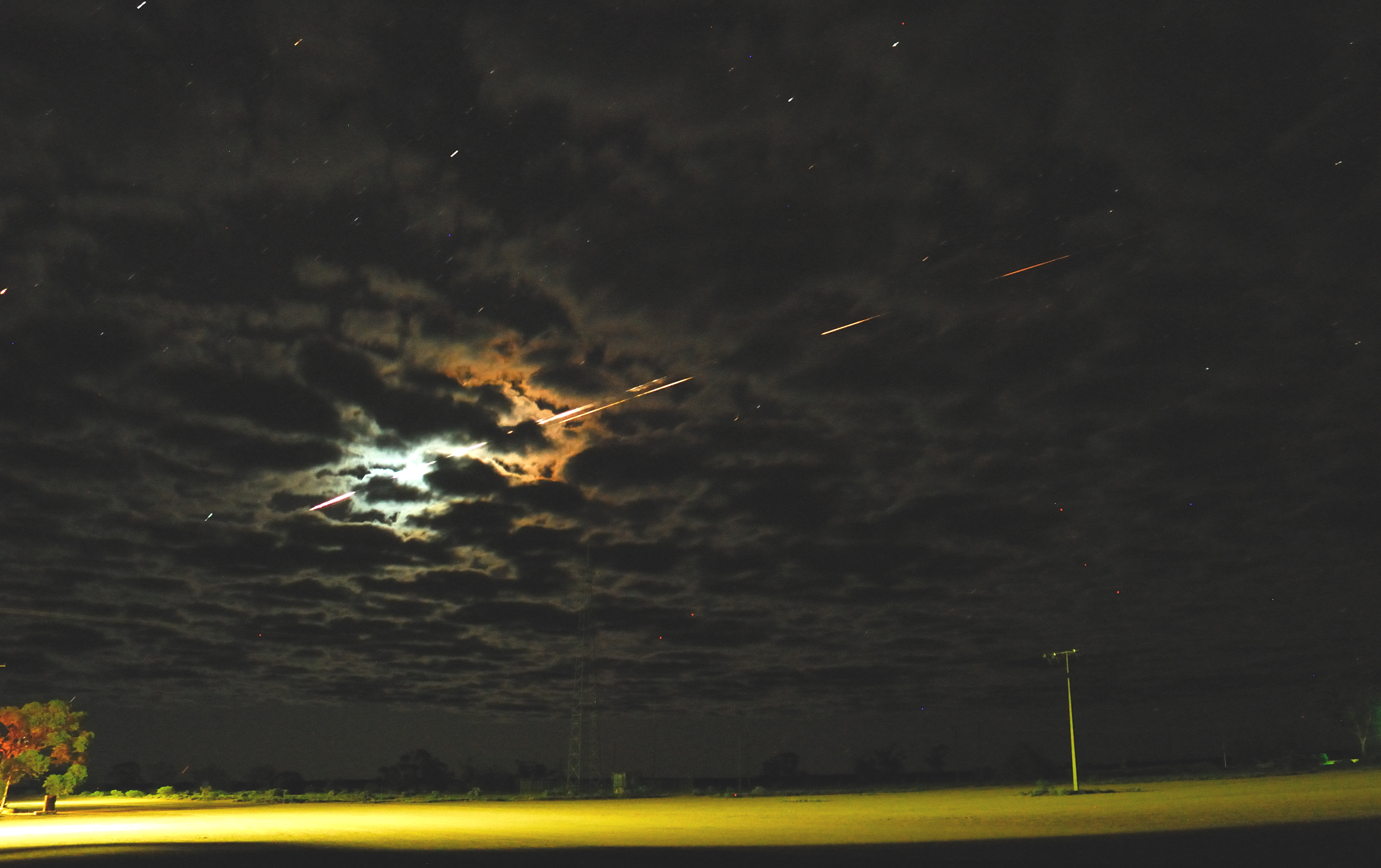
Hayabusa | The Crippled Falcon That Carried an Asteroid Home

Hayabusa | The Crippled Falcon That Carried an Asteroid Home

Sixteen years ago today, a fireball tore across the Australian outback. Most of it was a dying Japanese spacecraft burning up after a seven-year ordeal. The bright dot racing ahead of the wreckage was a capsule holding the first grains of an asteroid ever returned to Earth.

Japan's H3 Returns to Flight With 6 Satellites | KeepTrack Space Brief

Japan's H3 Returns to Flight With 6 Satellites | KeepTrack Space Brief

Japan's H3 rocket successfully launched June 11, deploying 6 smallsats to orbit after December failure. First return-to-flight for JAXA's flagship heavy-lift vehicle.
