


X Report 18 Dec 2025
SpaceX carried out a double-header Starlink launch from both coasts while milestones from Max Space and Lux Aeterna signal growth in the commercial space sector.


NORAD ID
46320
International Designator
2020-061BA
Epoch
Sat, 04 Jul 2026 07:37:06 GMT
Apogee
Calculating...
Perigee
Calculating...
Inclination
97.24°
Right Ascension
260.09°
Eccentricity
Calculating...
Argument of Perigee
184.37°
Period
91.69 min
Mean Motion
15.70 rev/day
Latitude
Calculating...
Longitude
Calculating...
Altitude
Calculating...
Velocity
Calculating...
Name
NAPA-1
Alternative Name
NAPA 1
Type
Status
Owner
RTAF
Country
Thailand
Constellation
N/A
Related Satellites
Major Events
N/A
1 46320U 20061BA 26185.31743219 .00115749 00000-0 93641-3 0 9999
2 46320 97.2447 260.0870 0001910 184.3694 175.7553 15.70452823324424
Source: Celestrak
Length
0.3
Diameter
0.2
Span
0.3
Dry Mass
10
Launch Mass
10
Shape
Box
Radar Cross Section
Unknown
Visual Magnitude
Unknown
Color
Unknown
Material Composition
Unknown
Payload
RTAF-SAT 1
Purpose
Technology, earth observation
Mission
Technology, earth observation
Manufacturer
ISISBV
Life Expectancy
Unknown
Bus
Cubesat 6U
Configuration
CubeSat (6U)
Motor
Unknown
Equipment
Camera
Power System
Solar cells, batteries
ADCS
Unknown
Transmitter Frequency
Unknown
Learn more about satellites and other related topics.
SpaceX carried out a double-header Starlink launch from both coasts while milestones from Max Space and Lux Aeterna signal growth in the commercial space sector.

Notable space events as the year closes: China's record orbital launches, Vandenberg's new launch site, Rocket Lab's achievements, and urgent MAVEN recovery efforts.
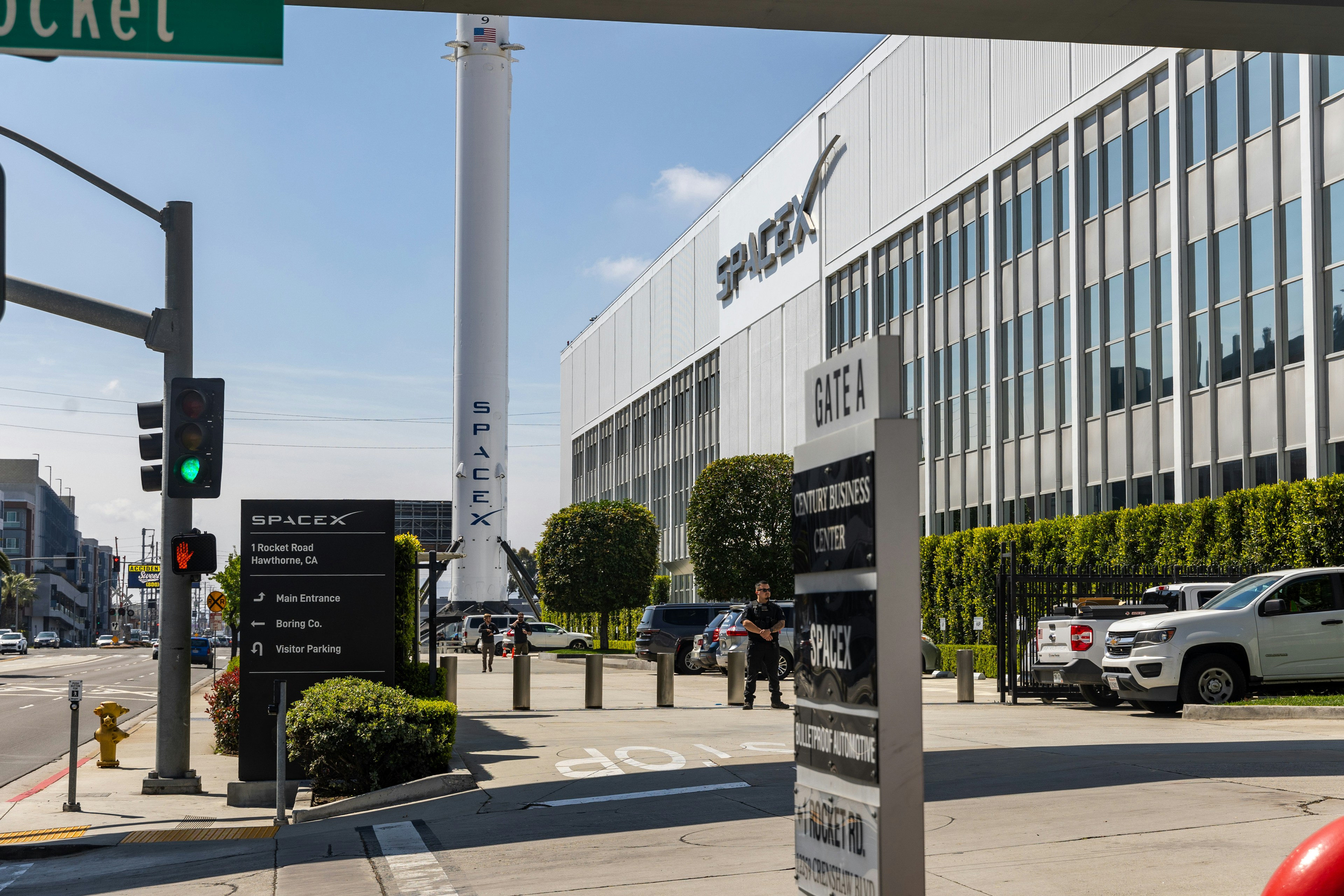
SpaceX successfully launched 24 Starlink satellites from California while investigations begin on a possible Starship salvage operation near Mexico.
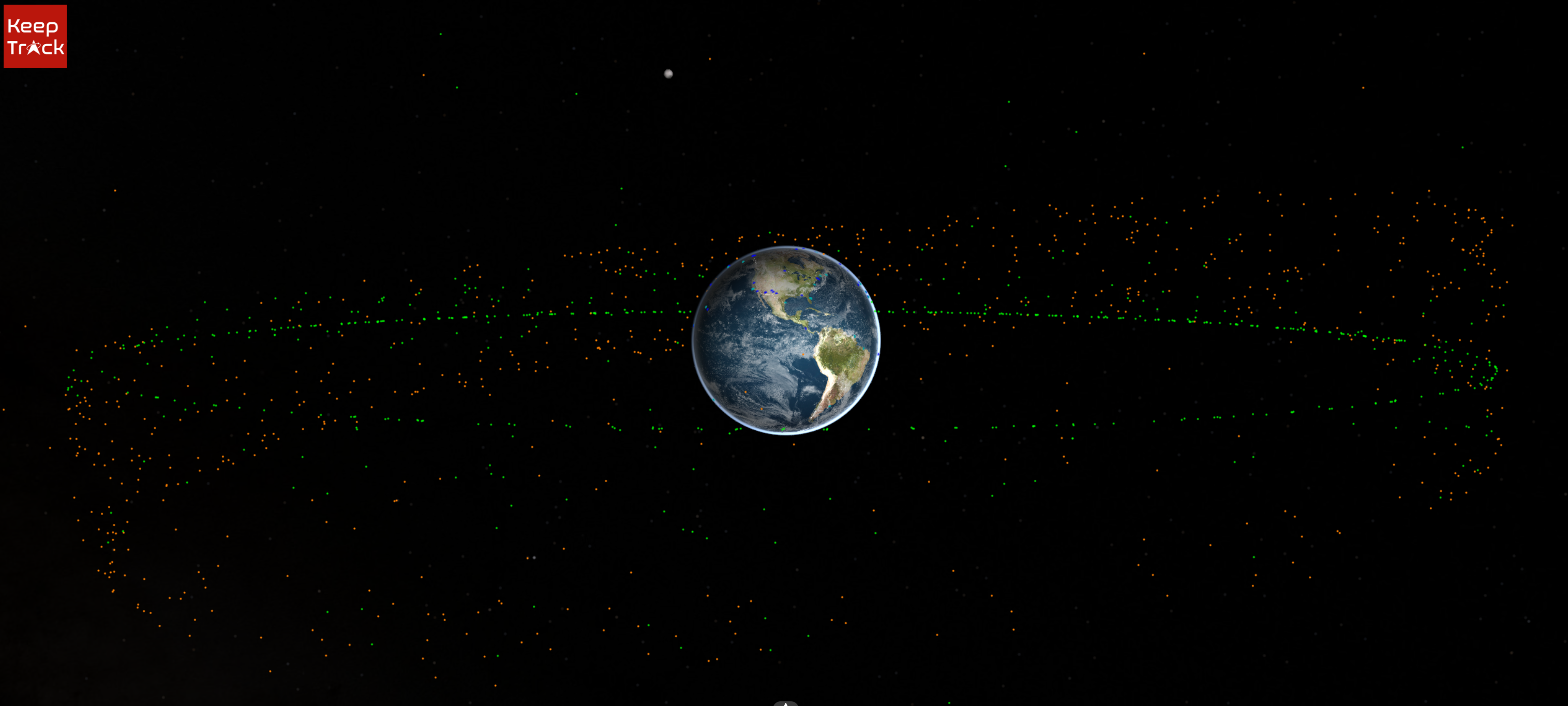
The final resting place for retired satellites, a disposal orbit where defunct spacecraft are sent to stay out of the way
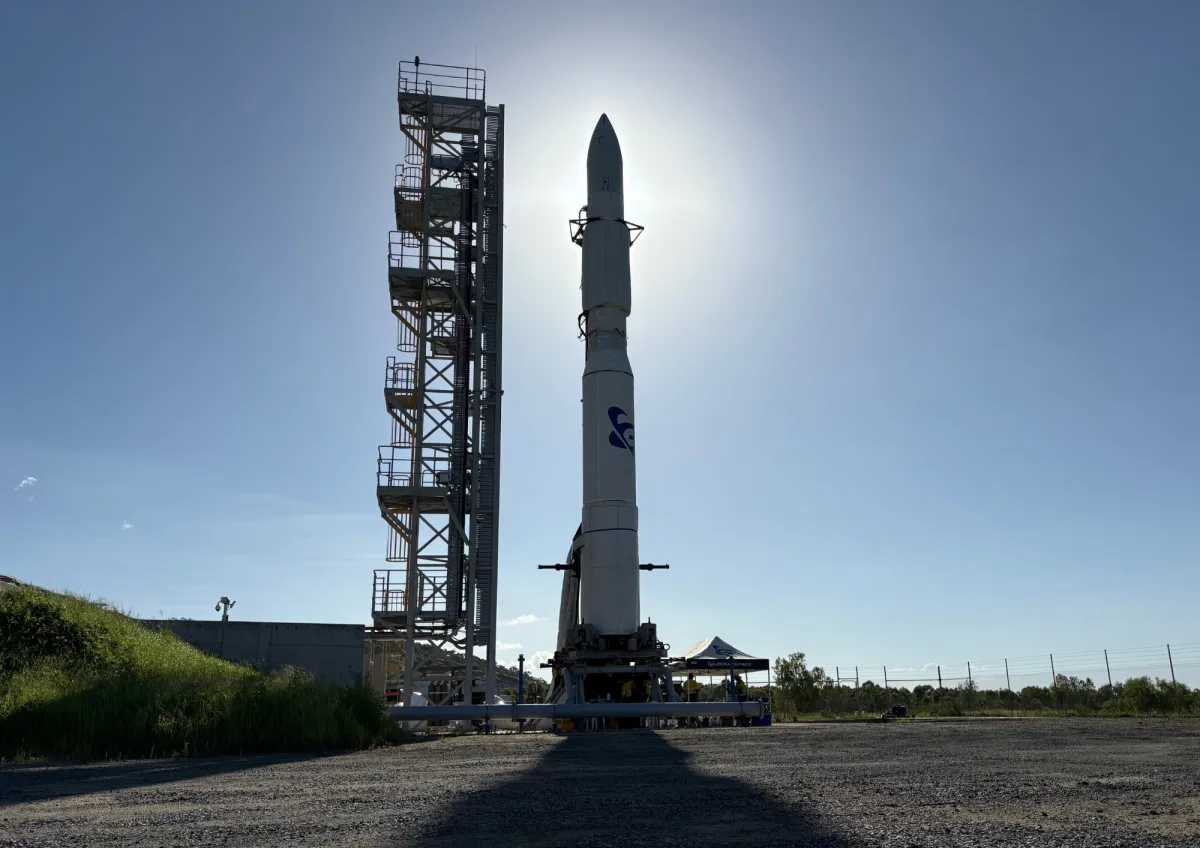
Key insights from the latest SpaceX Starship breakup, the establishment of a new satellite mobile service, and enhancing America's missile shield capabilities through satellites.

Today's space brief covers key developments in satellite monitoring, U.K. defense contracts, and critical licensing reforms supporting national security.

Artemis 2's four-person crew splashed down April 10 after first crewed lunar flyby since Apollo 17. Orion performance data critical for Artemis 3 south pole landing planning.

SpaceX successfully launched 28 Starlink satellites from Florida, marking another milestone for their ongoing deployment efforts.