

Space Brief 29 Aug 2025
Today's Space Brief highlights emerging technologies in space, a contract for U.S. Space Force missions, developments in military operations, and updates on drone advancements.


Launch Date
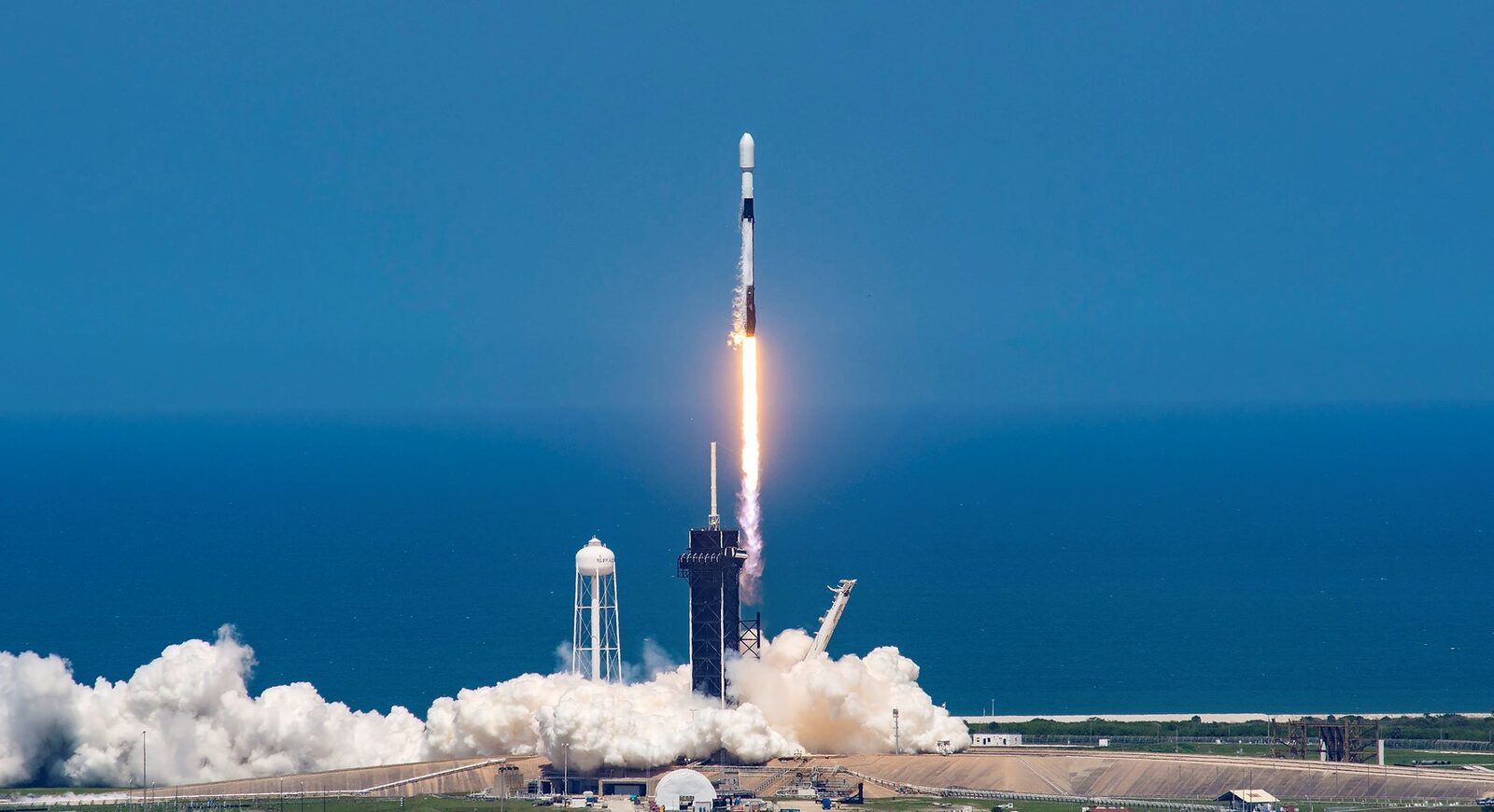
August 18, 2020
Launch Site
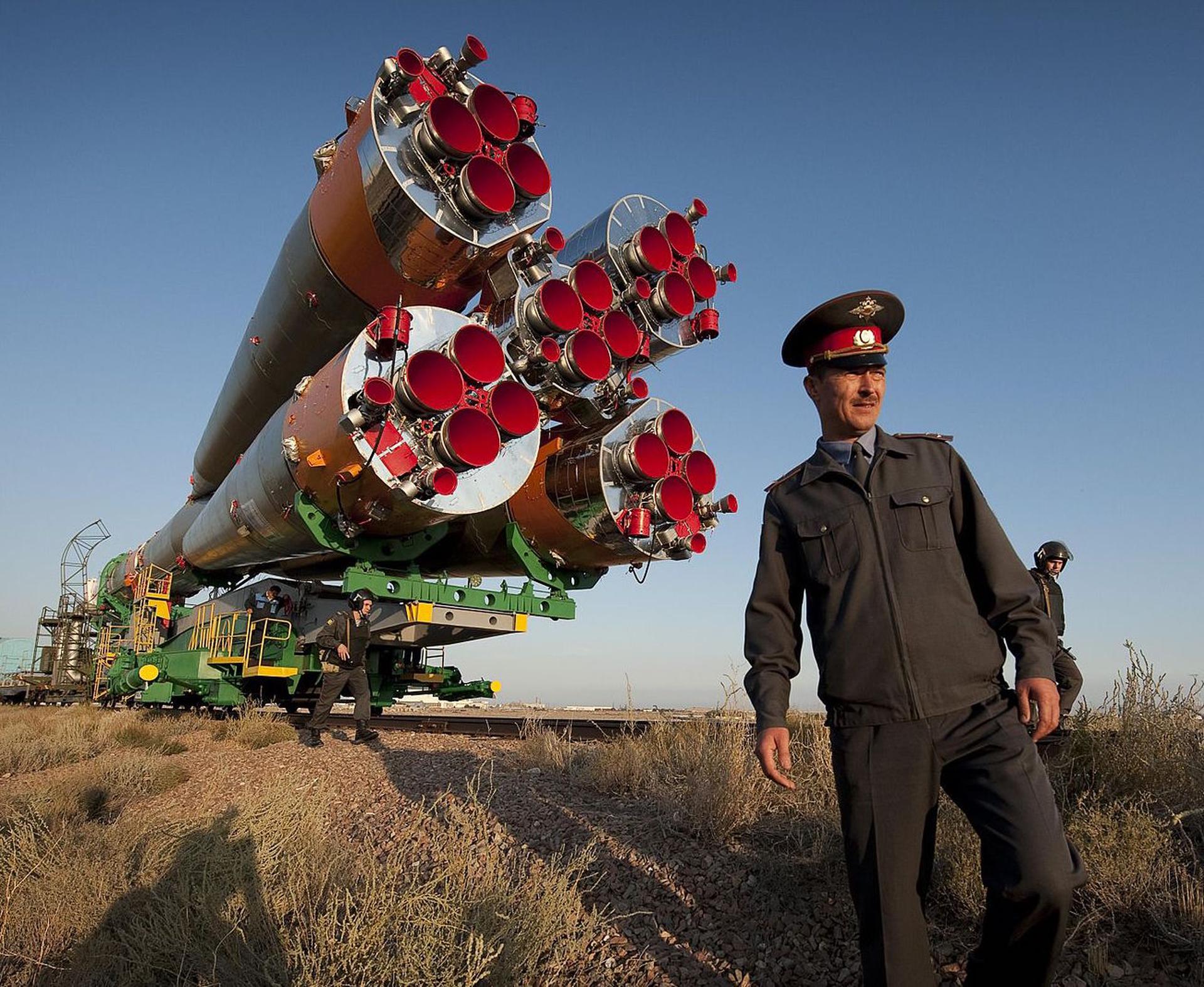
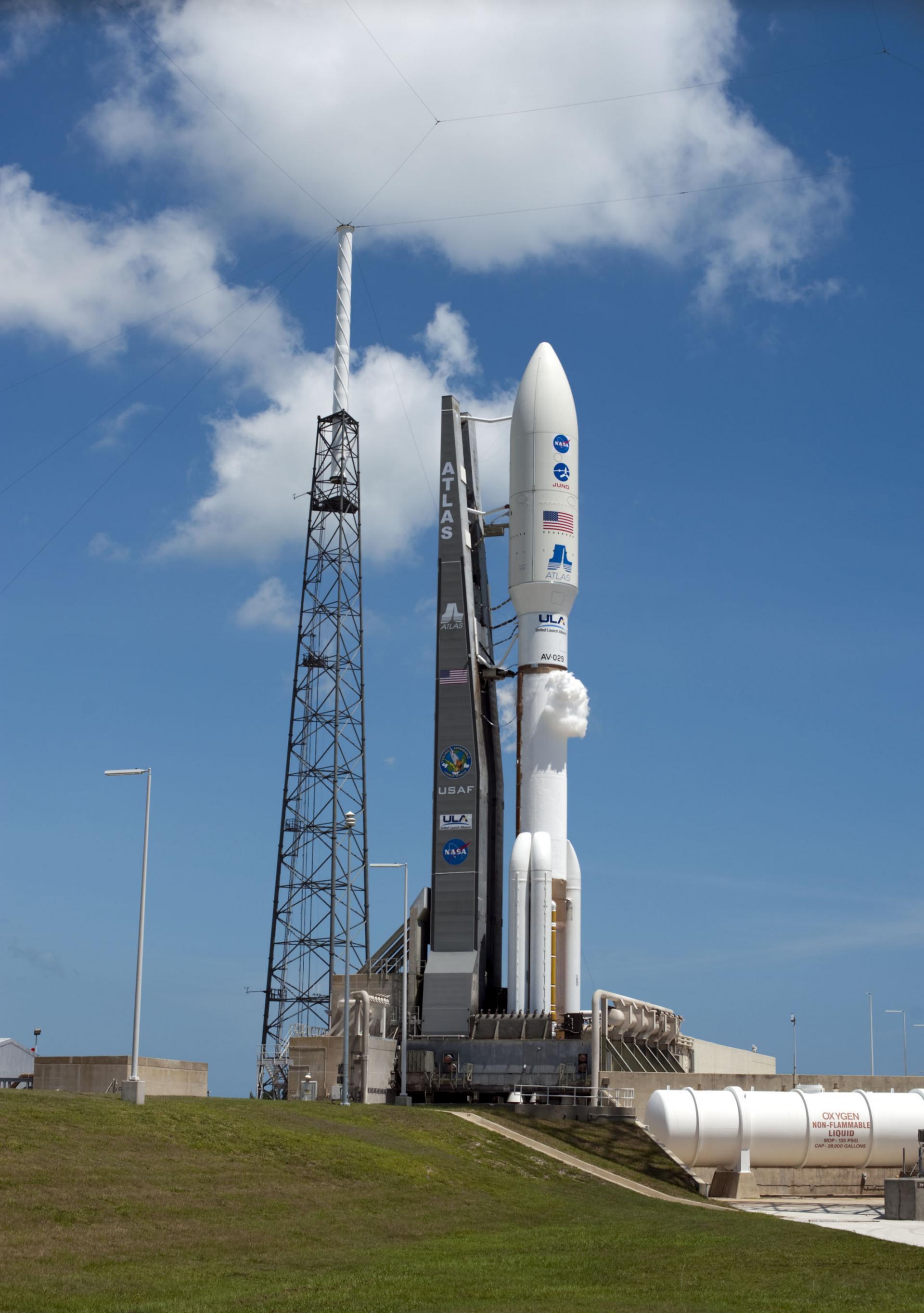
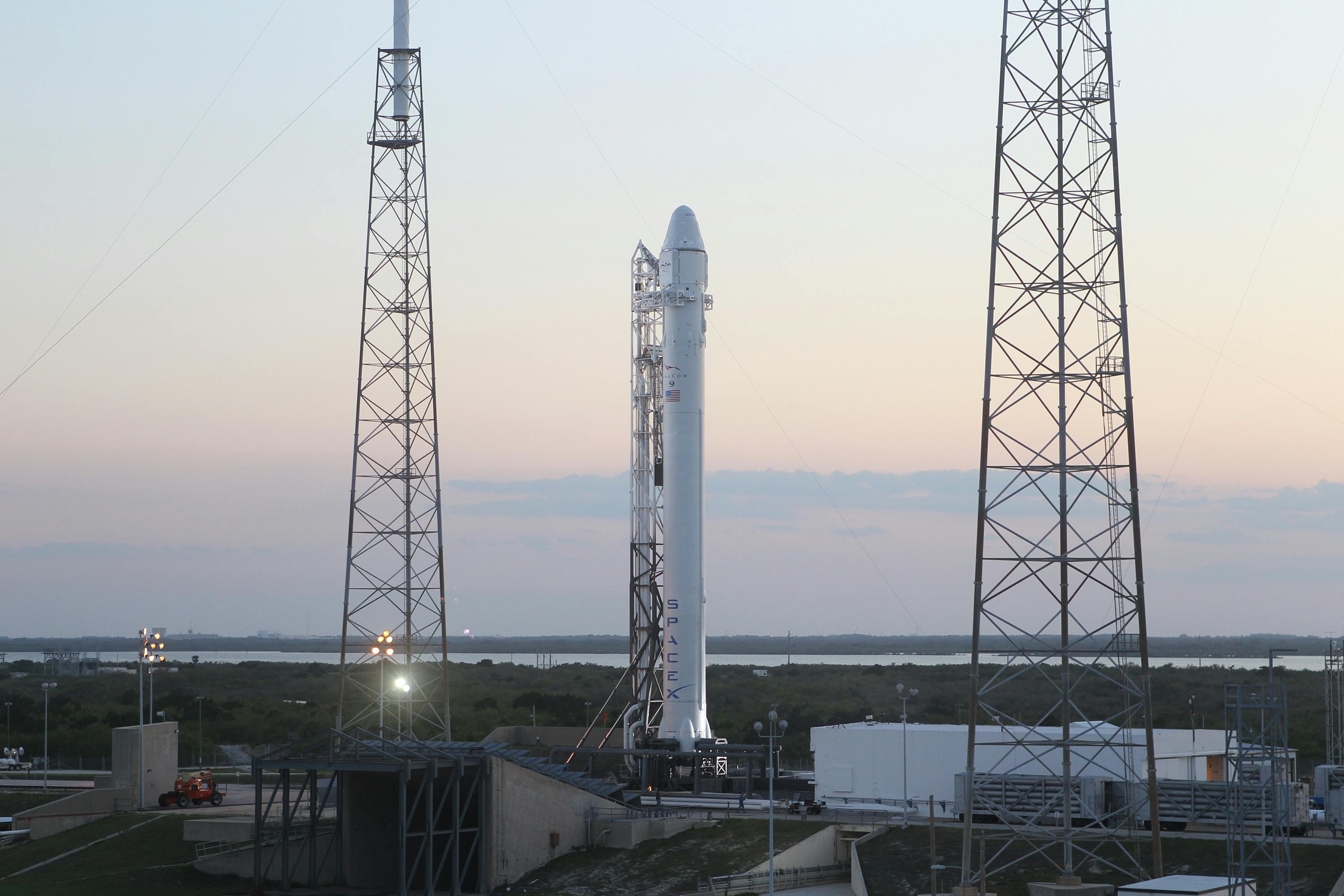
Launch Pad
LC40
Launch Vehicle
NORAD ID
46180
International Designator
2020-057BR
Decay Date
6/26/2023
Name
SKYSAT-C18
Alternative Name
SkySat C18
Type
Status
Owner
PLABST
Country
United States
Constellation
N/A
Related Satellites
Major Events
N/A
Length
1.2
Diameter
0.5
Span
0.5
Dry Mass
110
Launch Mass
110
Shape
Box
Radar Cross Section
Unknown
Visual Magnitude
Unknown
Color
Unknown
Material Composition
Unknown
Payload
SkySat 20
Purpose
Earth Observation
Mission
Earth Observation
Manufacturer
MAXSS
Life Expectancy
6 years
Bus
SkySat-Gen2
Configuration
SSTL-50
Motor
? x 1 N HPGP thrusters
Equipment
Unknown
Power System
Solar cells, batteries
ADCS
Unknown
Transmitter Frequency
Unknown
Learn more about satellites and other related topics.
Today's Space Brief highlights emerging technologies in space, a contract for U.S. Space Force missions, developments in military operations, and updates on drone advancements.

Today's Space Brief highlights major developments including NASA's Dream Chaser contract modifications, Germany's significant investment in space capabilities, and advancements in hybrid satcom technology.
U.S. GSSAP satellites execute coordinated GEO maneuvers for continuous surveillance of Chinese Shijian-29 spacecraft. Handoff approach maintains coverage with zero gaps.

Today's brief covers the first astronaut with a disability preparing for the ISS mission, SpaceX’s recent Starlink launch, funding breakthroughs for satellite tech company K2 Space, and updates on the Artemis program's challenges.
SpaceX targets July 16 for Starship Flight 13, testing V3 fixes and deploying functioning Starlink satellites for the first time.
SpaceX completed a full 33-engine static fire on Booster 20, the longest duration test to date. The milestone clears a major hurdle before the next Starship flight attempt.
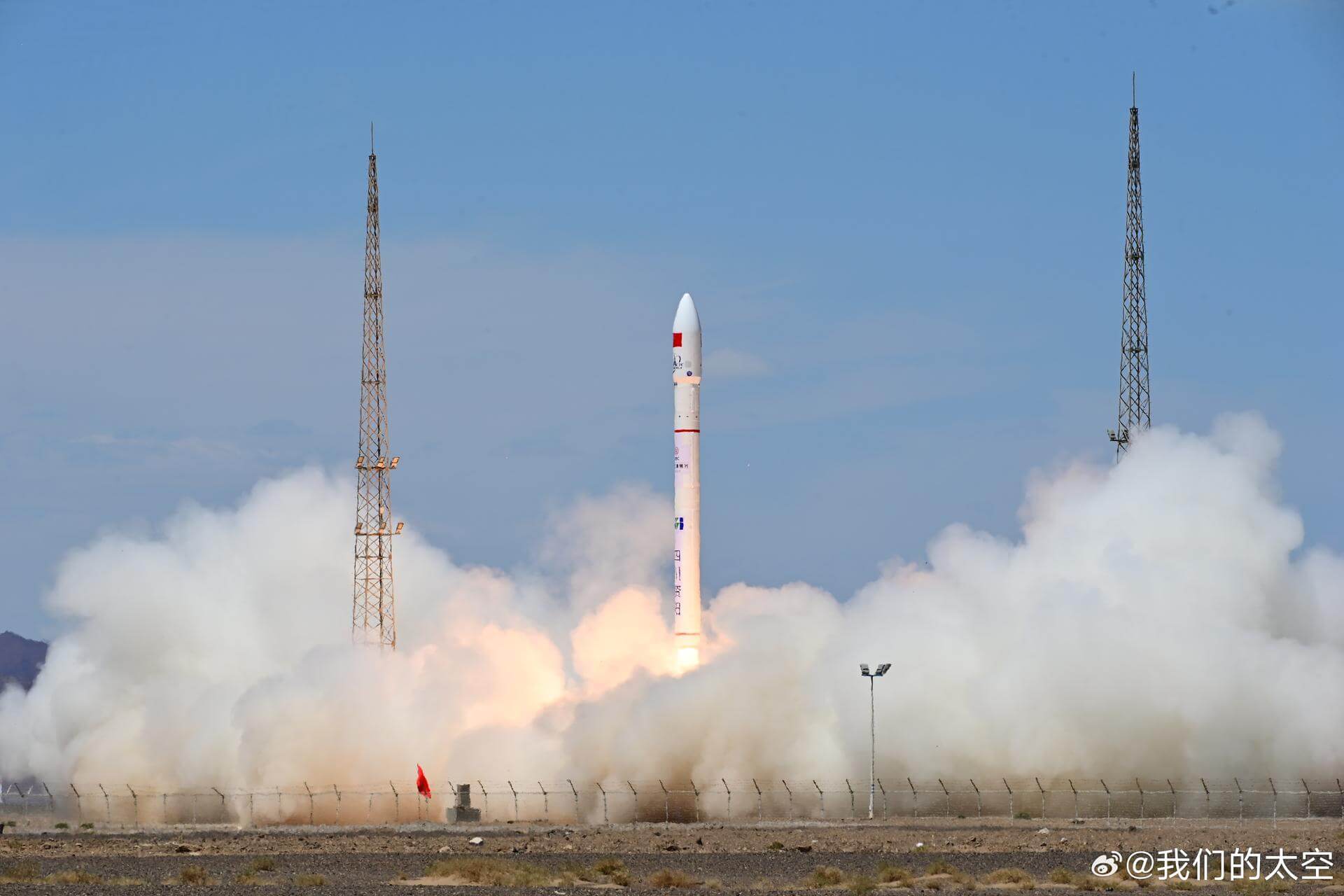
Today's space brief highlights intriguing military satellite developments, new space launch strategies to counteract observation threats, and potential European defense industry advancements.
Key space events for today include potential changes in US space policy involving SpaceX, uncertainties regarding NASA's Starliner, and China's new steps in asteroid exploration.