

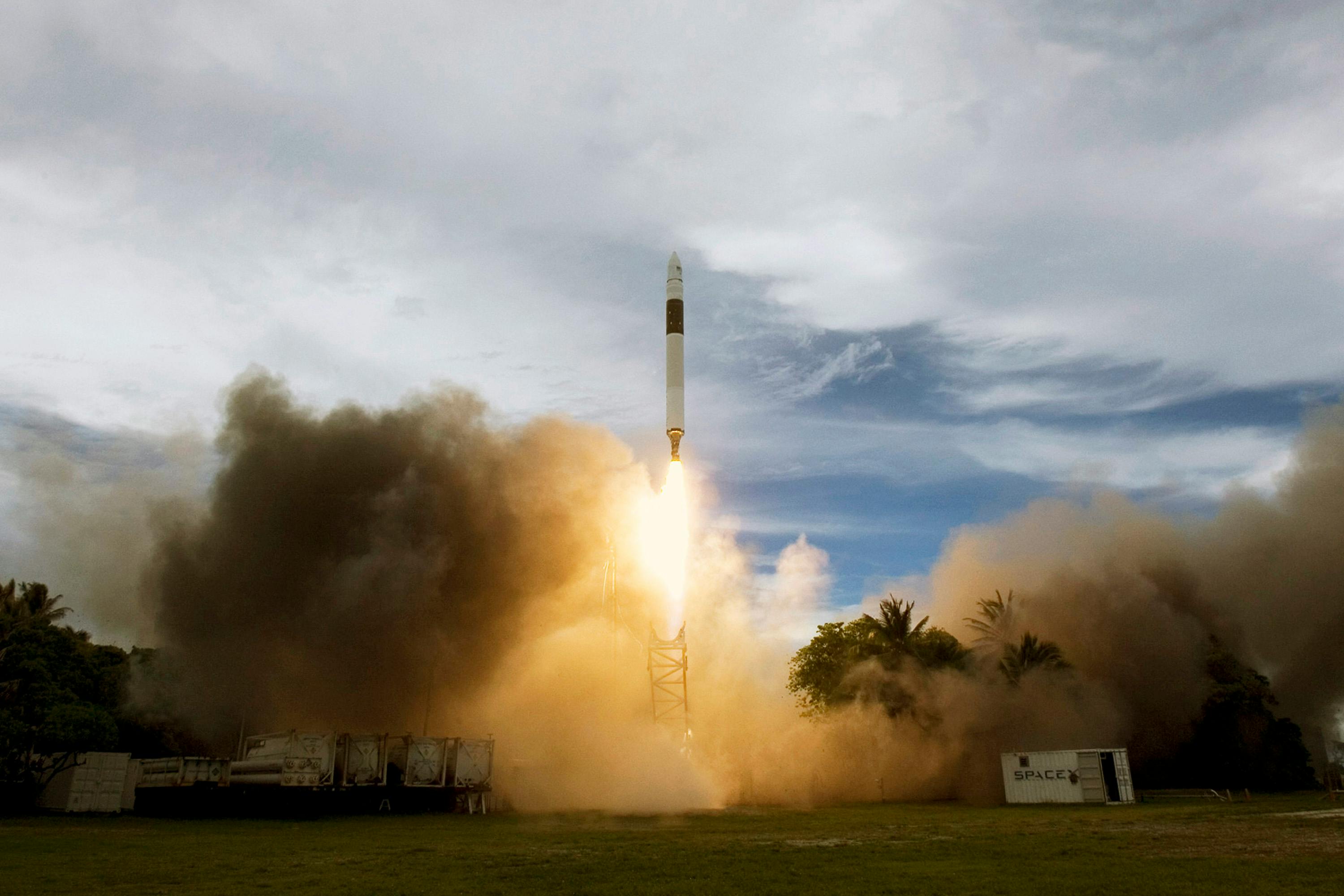
SpaceX Logs Record 165 Launches in 2025, X Report 1 Jan 2026
SpaceX number of launches in 2025: a record 165 orbital flights. Starlink added 4.6M customers across 35 new markets; new Vandenberg pad offered.



Launch Date
August 18, 2020
Launch Site
Launch Pad
LC40
Launch Vehicle
NORAD ID
46151
International Designator
2020-057AL
Decay Date
6/5/2025
Name
STARLINK-1631
Alternative Name
Starlink 1631
Type
Status
Owner
SPXS
Country
United States
Constellation
N/A
Related Satellites
Major Events
N/A
Length
0.2
Diameter
2.8
Span
9
Dry Mass
248
Launch Mass
260
Shape
Box + pan
Radar Cross Section
Unknown
Visual Magnitude
Unknown
Color
Unknown
Material Composition
Unknown
Payload
Starlink V1.0-L10-45
Purpose
Communication
Mission
Communication
Manufacturer
SPXS
Life Expectancy
Unknown
Bus
Starlink
Configuration
Unknown
Motor
Krypton ion thrusters
Equipment
Ku/Ka-band payload (all), optical inter-satellite links (a few prototypes)
Power System
Solar arrays, batteries
ADCS
Unknown
Transmitter Frequency
Unknown
Learn more about satellites and other related topics.
SpaceX number of launches in 2025: a record 165 orbital flights. Starlink added 4.6M customers across 35 new markets; new Vandenberg pad offered.

Discover the history and significance of Two-Line Element Sets (TLEs) in satellite tracking. Dive into their components, applications, and how they are evolving to meet future space challenges.

Today's brief covers developments in space traffic management, the X-37B spaceplane's upcoming mission, and satellite interference with radio telescopes.
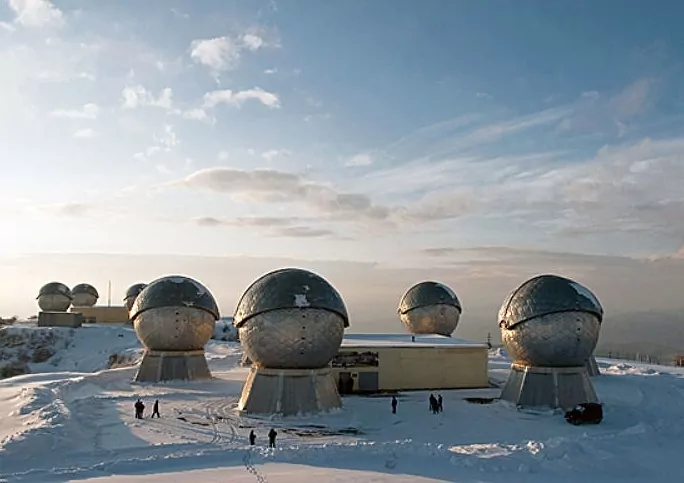
An analysis of Russia's independent space tracking system and how it compares to the established U.S. Space Surveillance Network
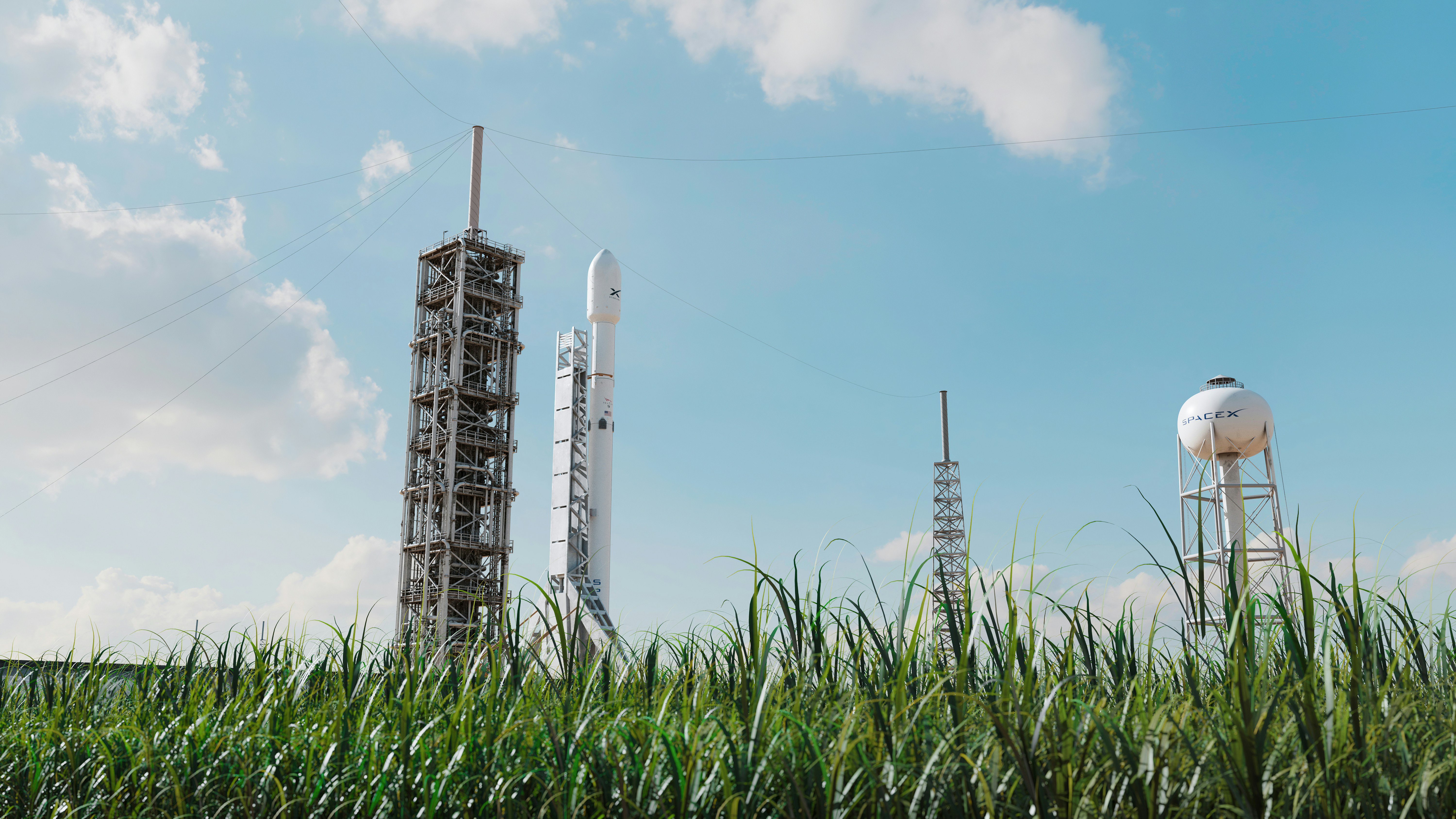
SpaceX continues to break records with the Falcon 9's 30th flight while Starship's successful test flight propels the program forward after recent challenges.
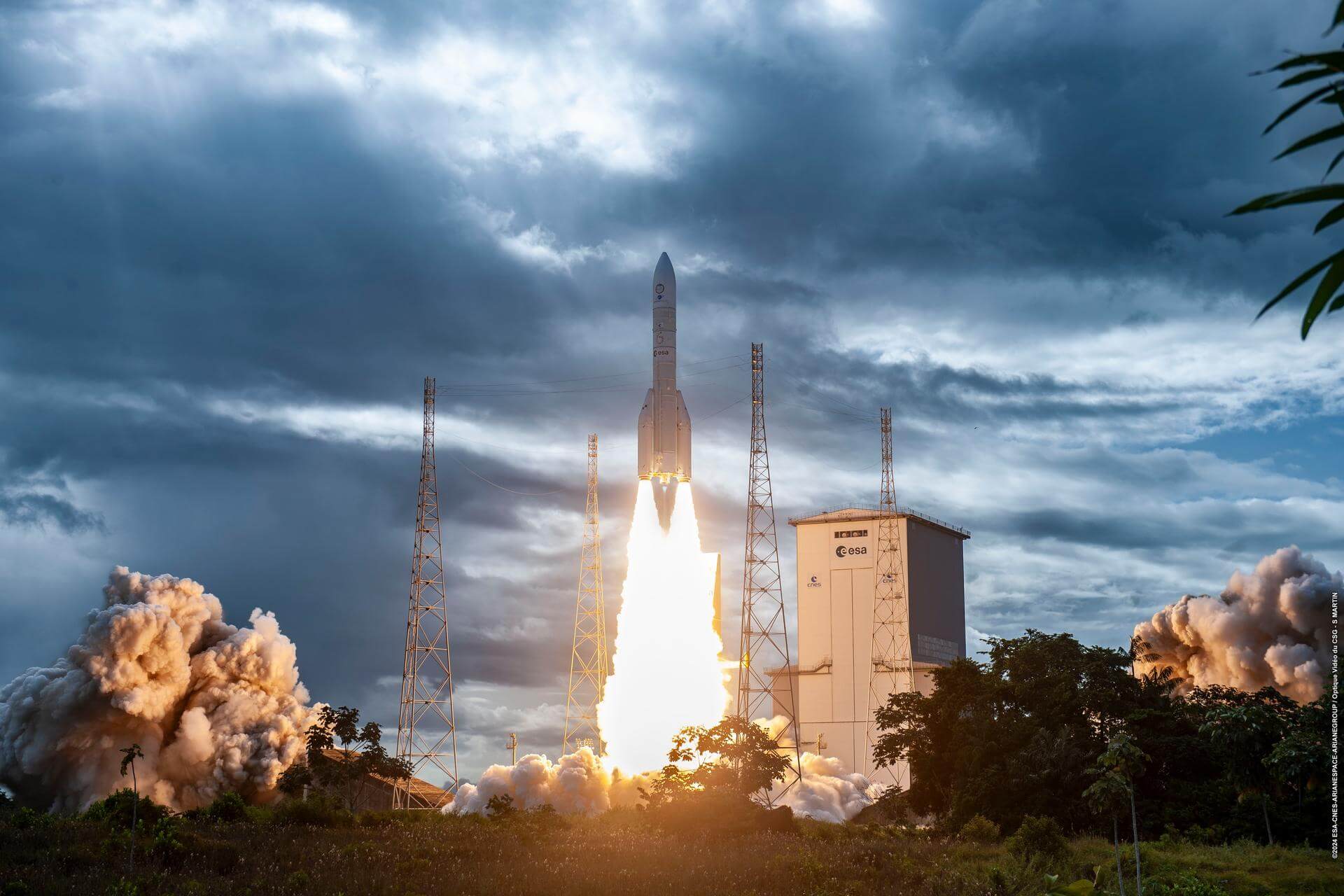
SpaceX launches Starlink satellites from both coasts, while first 3D atmospheric map of an exoplanet reveals extreme weather patterns, and Starlink missions push total count over 8,000 satellites.
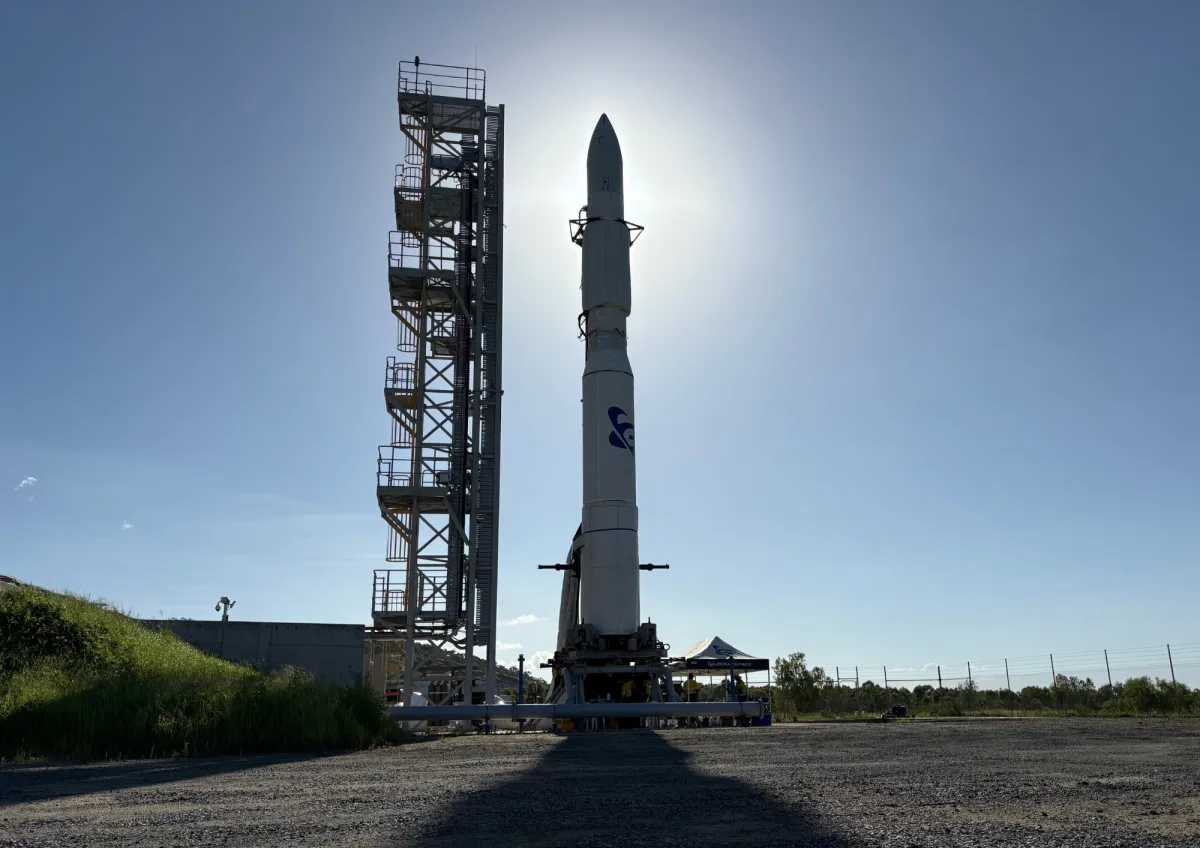
Key highlights include the launch of a Navy SEAL astronaut to the ISS, multi-billion dollar contracts awarded by the US Space Force, advancements in secure GPS technology, and a strategic ISR arrangement.
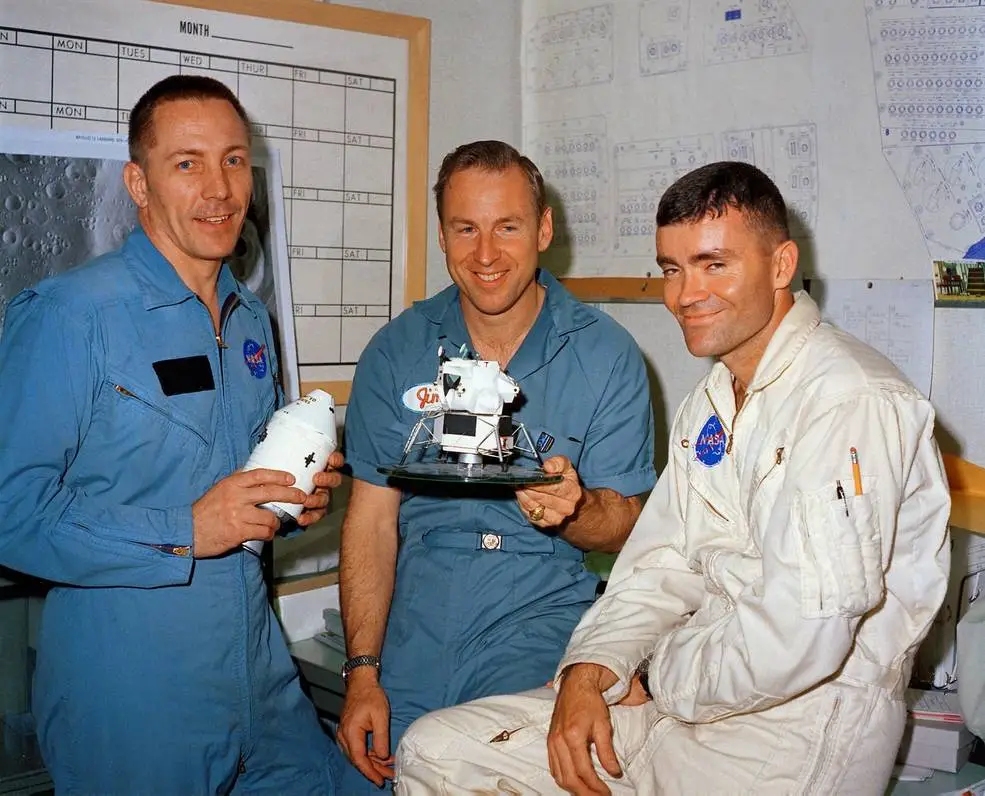
An overlooked thermostat, eight hours of overheating on a Florida launch pad, and 200,000 miles of coasting through deep space. Then Oxygen Tank No. 2 tore itself apart, and three men had to figure out how to come home alive in a spacecraft designed to land on the Moon.