


Space Brief 21 Jan 2025
Today's Space Brief highlights a SpaceX launch of Starlink satellites, international efforts to tackle space debris, and innovative lunar power solutions from China.



Launch Date
August 18, 2020
Launch Site
Launch Pad
LC40
Launch Vehicle
NORAD ID
46137
International Designator
2020-057W
Decay Date
9/25/2025
Name
STARLINK-1586
Alternative Name
Starlink 1586
Type
Status
Owner
SPXS
Country
United States
Constellation
N/A
Related Satellites
Major Events
N/A
Length
0.2
Diameter
2.8
Span
9
Dry Mass
248
Launch Mass
260
Shape
Box + pan
Radar Cross Section
Unknown
Visual Magnitude
Unknown
Color
Unknown
Material Composition
Unknown
Payload
Starlink V1.0-L10-03
Purpose
Communication
Mission
Communication
Manufacturer
SPXS
Life Expectancy
Unknown
Bus
Starlink
Configuration
Unknown
Motor
Krypton ion thrusters
Equipment
Ku/Ka-band payload (all), optical inter-satellite links (a few prototypes)
Power System
Solar arrays, batteries
ADCS
Unknown
Transmitter Frequency
Unknown
Learn more about satellites and other related topics.
Today's Space Brief highlights a SpaceX launch of Starlink satellites, international efforts to tackle space debris, and innovative lunar power solutions from China.
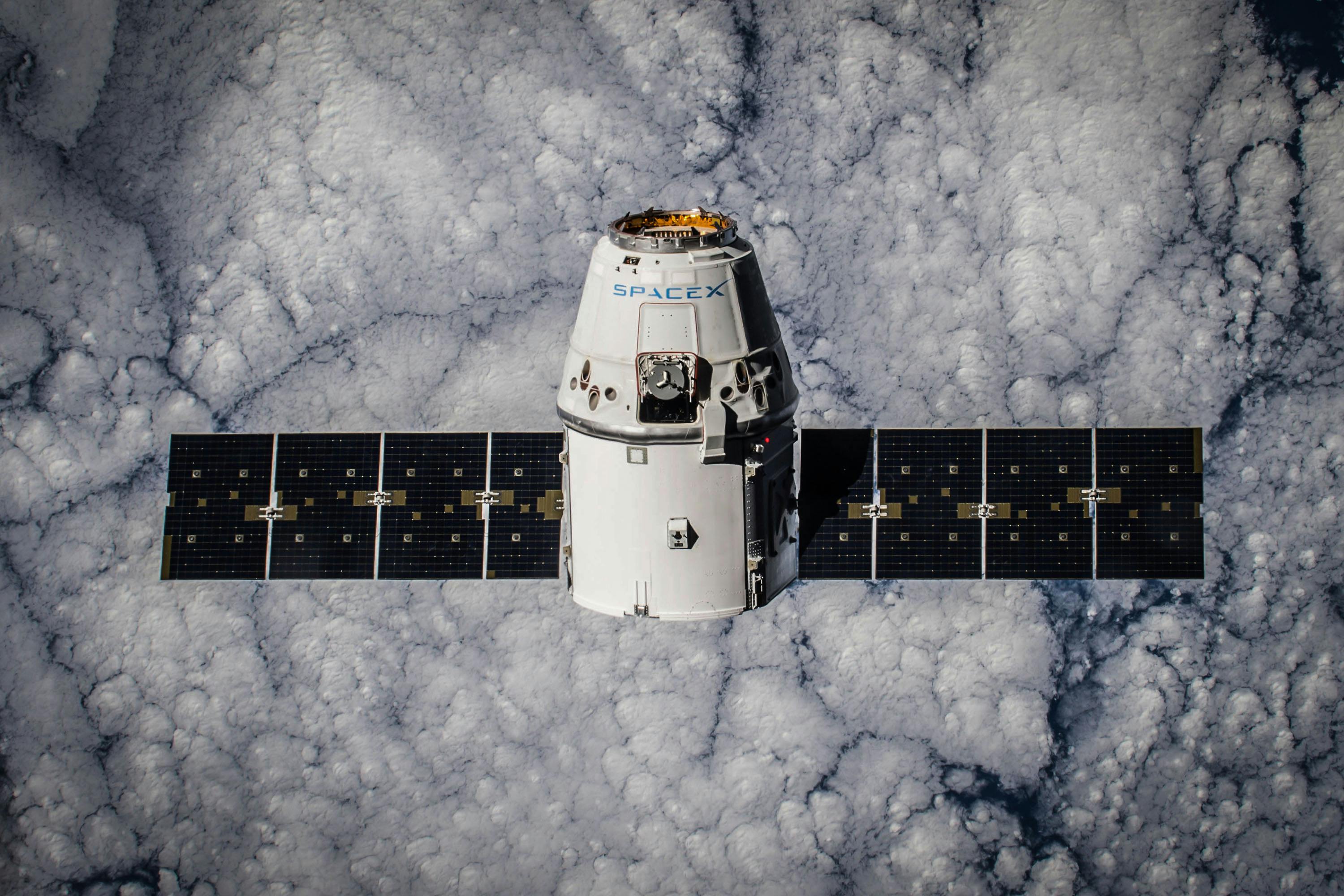
Today's brief highlights the U.S. Space Force's upcoming modular satellite mission, increased military reliance on commercial space intelligence, and the demand for expanded commercial reserve support. Learn more about these advancements alongside our Satellite Spotlight on Yaogan-30 B.
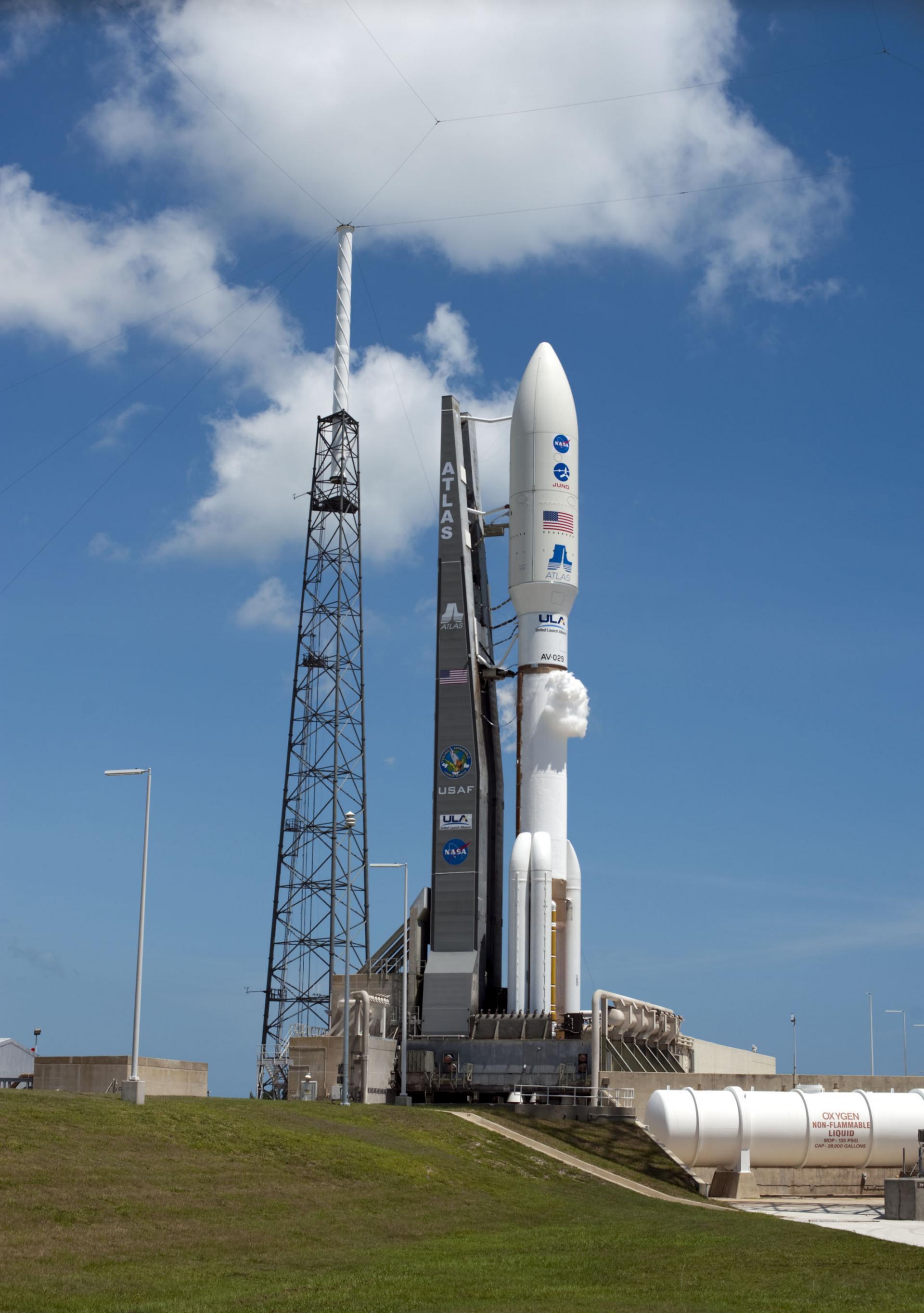
Today's highlights include SpaceX's new rocket-reuse record with a spy satellite launch, Space Force's funding strategies, and a European defense summit addressing security concerns.

Jonathan's Space Report is a comprehensive resource for space launch and satellite data, compiled by astrophysicist Dr. Jonathan McDowell.

SpaceX secures major contracts for U.S. national security launches, including multiple Falcon Heavy missions. Significant updates on Starlink deployments and the ongoing evolution of the company highlight a productive day in the space sector.
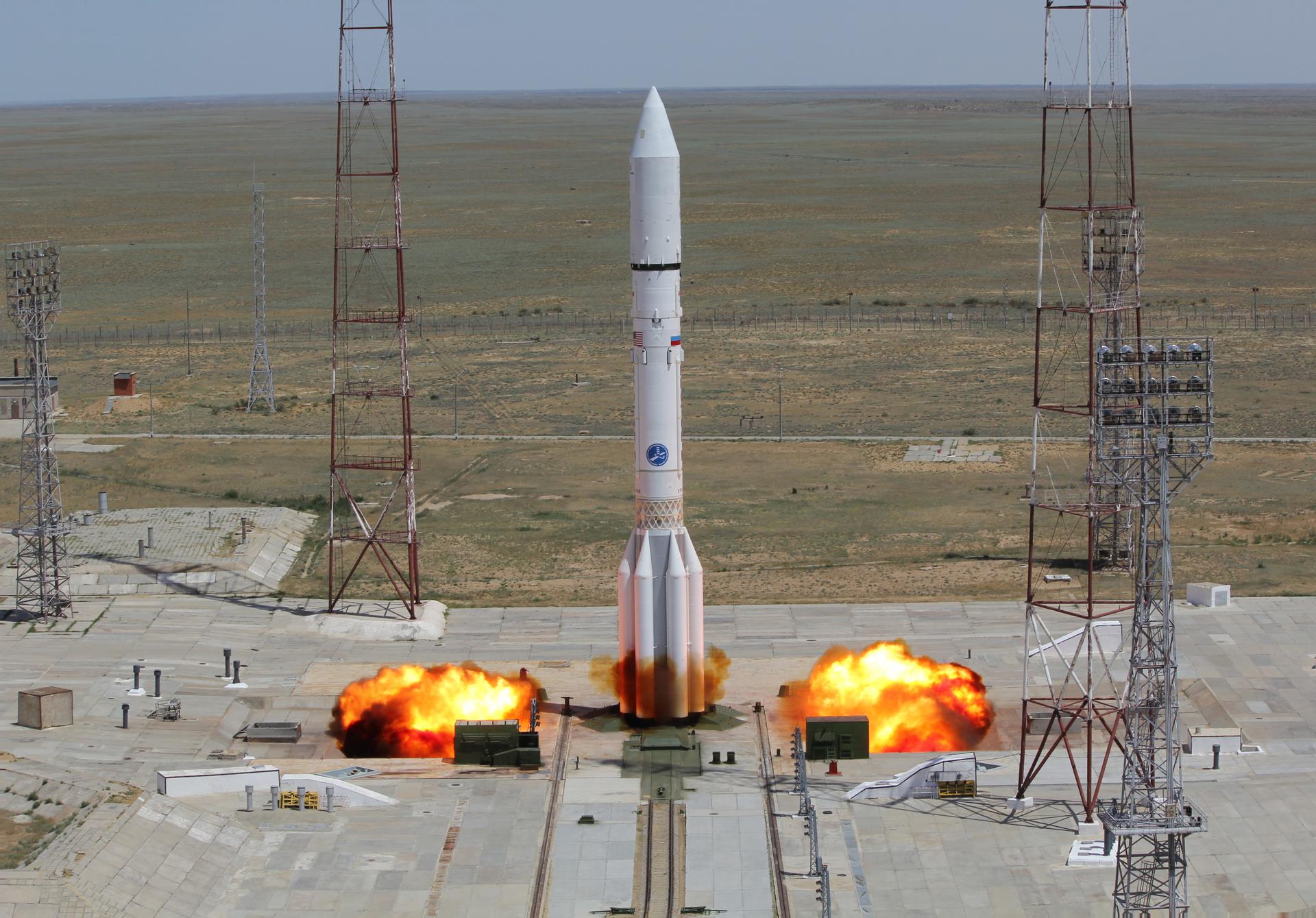
Varda Space's W-5 mission lands safely in Australia. Leonardo DRS wins SDA Tracking Layer Tranche 3 infrared payload contract. Senate passes $839B defense bill.

Today's Space Brief covers a crucial weather data decision by the U.S. Defense Department, an innovative power supply for aerospace systems, advancements in satellite link technology, and Norway's maritime surveillance. AI/ML tools for airspace management and concerns about defense testing capabilities are also highlighted.
SpaceX's Fram2 mission marks a historic first in polar orbit travel, while DARPA unexpectedly detects Falcon 9 reentry using atmospheric listening.