STARLINK-1573 (46061)

COSPAR: 2020-055AL | Alt Name: Starlink 1573

Image
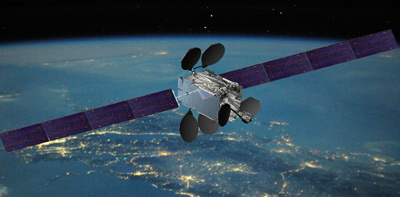
STARLINK-1573 Satellite Image
Additional Sources
Launch Details

Launch Date

August 7, 2020

Launch Pad

LC39A

Launch Vehicle

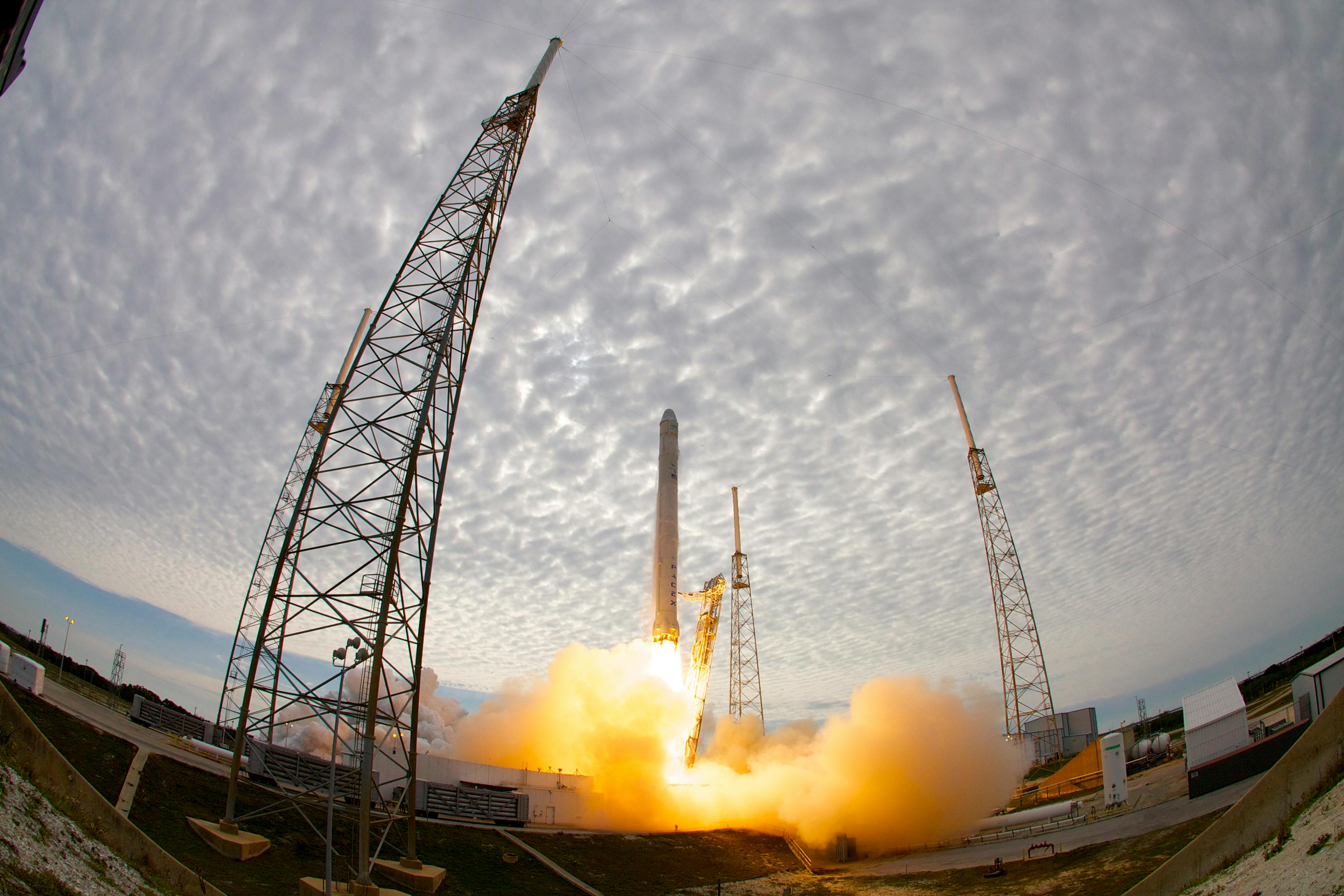
Falcon 9

Orbital Elements

NORAD ID

46061

International Designator

2020-055AL

Epoch

Sat, 04 Jul 2026 00:10:24 GMT

Apogee

Calculating...

Perigee

Calculating...

Inclination

53.16°

Right Ascension

292.71°

Eccentricity

Calculating...

Argument of Perigee

84.38°

Period

94.01 min

Mean Motion

15.32 rev/day

Latitude

Calculating...

Longitude

Calculating...

Altitude

Calculating...

Velocity

Calculating...

Polar Plot
3D Visualization
Basic Satellite Info

Name

STARLINK-1573

Alternative Name

Starlink 1573

Type

Payload

Status

Operational

Owner

SPXS

Country

United States

Constellation

N/A

Related Satellites

Major Events

N/A

Latest TLEs
1 46061U 20055AL  26185.00722786  .00012096  00000-0  40055-3 0  9998
2 46061  53.1597 292.7064 0002013  84.3796 275.7435 15.31729272326892

Source: Celestrak

Summary
The STARLINK-1573 satellite, also known as Starlink 1573, is part of SpaceX's Starlink constellation and was launched on August 7, 2020, from Kennedy Space Center using a Falcon 9 launch vehicle. With dimensions of 0.2 meters in length, 2.8 meters in diameter, and a span of 9 meters, the satellite has a dry mass of 248 kilograms and was launched with a total mass of 260 kilograms. It is equipped with Ku/Ka-band payload capabilities (all units) and optical inter-satellite links on some prototypes. The satellite uses krypton ion thrusters for propulsion and solar arrays along with batteries to generate power. Its primary mission is communication, contributing to SpaceX's goal of providing global internet coverage through its constellation network.

Starlink is a satellite constellation developed by SpaceX with the aim of providing global broadband internet coverage. Thousands of small satellites are deployed in low Earth orbit (LEO), enabling high-speed internet access even in remote areas. However, the rapid increase in satellites raises concerns about space debris and the potential for collisions, which can lead to further debris creation and endanger other spacecraft. Additionally, the sheer number of Starlink satellites can affect astronomical observations by increasing light pollution. Proper deorbiting plans and international coordination are essential to mitigate these challenges and ensure long-term sustainability in space.
Physical Characteristics

Length

0.2

Diameter

2.8

Span

9

Dry Mass

248

Launch Mass

260

Shape

Box + pan

Radar Cross Section

Unknown

Visual Magnitude

Unknown

Color

Unknown

Material Composition

Unknown

Technical Details

Payload

Starlink V1.0-L9-46

Purpose

Communication

Mission

Communication

Manufacturer

SPXS

Life Expectancy

Unknown

Bus

Starlink

Configuration

Unknown

Motor

Krypton ion thrusters

Equipment

Ku/Ka-band payload (all), optical inter-satellite links (a few prototypes)

Power System

Solar arrays, batteries

ADCS

Unknown

Transmitter Frequency

Unknown

Map
This tool will help you track the satellite's position and predict its upcoming passes over your location. Simply input the coordinates or click the geolocation button to get started.
Next Pass
Azimuth Elevation Time (Local)
Start Azimuth
Max Elevation
Stop Azimuth
Time Until
Pass Duration

Satellite Articles

View All Posts »

Learn more about satellites and other related topics.

Space Brief 29 Oct 2024

Space Brief 29 Oct 2024

Today's space brief covers an impressive SpaceX launch record, China's upcoming crew mission to its space station, an Intelsat 33e debris observation, and more. Key topics include SpaceX's Starship events, ESA's Hera mission updates, and Boeing's potential space division sale.

Vulcan Set to Open 2026 With USSF-87 National Security Launch | KeepTrack Space Brief

Vulcan Set to Open 2026 With USSF-87 National Security Launch | KeepTrack Space Brief

ULA's Vulcan rocket preps for USSF-87 national security launch to open 2026. Sierra Space delivers SDA Tranche 2 satellites three months early. NASA delays spacewalk for Crew-11 medical issue.

Artemis II Crew Sets Human Distance Record at Moon | KeepTrack Space Brief

Artemis II Crew Sets Human Distance Record at Moon | KeepTrack Space Brief

Artemis II crew surpassed Apollo 13's distance record during April 6 lunar flyby. Orion carried 4 astronauts—including Canadian Jeremy Hansen—farther from Earth than any humans.

Space Object Catalog

Space Object Catalog

The master ledger of everything orbiting Earth: how tens of thousands of satellites, rocket bodies, and debris fragments are tracked and numbered

X Report 20 Nov 2024

X Report 20 Nov 2024

SpaceX conducts another Starship test flight, with high-profile audience; SEOPS secures Falcon 9 for rideshare mission; Ontario partners with Starlink for rural connectivity.

Space Brief 26 Feb 2025

Space Brief 26 Feb 2025

Today's brief covers the crash of a SpaceX Falcon 9 rocket over Europe, the Space Force's mapping efforts with Iron Dome, and key military appointments and funding decisions.

Space Brief 1 Jul 2025

Space Brief 1 Jul 2025

Key developments in the space sector include new partnerships for satellite surveillance, strategic shifts from the Defense Department impacting weather forecasting, and the Space Force's focus on agile satellite technologies.

GPS III SV-10 Moves to Falcon 9 After Vulcan Grounded | KeepTrack X Report

GPS III SV-10 Moves to Falcon 9 After Vulcan Grounded | KeepTrack X Report

SpaceX claims a 2nd GPS III launch as ULA's Vulcan investigation stalls, while ESA charters a Crew Dragon ISS mission and Starlink hits 30 launches in 2026.