


Air Force One Gets Starlink, Astrobotic Acquired | KeepTrack Space Brief
Trump's interim Air Force One—a $400M Boeing 747-8—equipped with Starlink for presidential communications. First confirmed LEO constellation use for White House comms.



Launch Date
August 7, 2020
Launch Site
Launch Pad
LC39A
Launch Vehicle
NORAD ID
46039
International Designator
2020-055N
Epoch
Sat, 04 Jul 2026 01:35:59 GMT
Apogee
Calculating...
Perigee
Calculating...
Inclination
53.16°
Right Ascension
305.96°
Eccentricity
Calculating...
Argument of Perigee
70.77°
Period
94.01 min
Mean Motion
15.32 rev/day
Latitude
Calculating...
Longitude
Calculating...
Altitude
Calculating...
Velocity
Calculating...
Name
STARLINK-1569
Alternative Name
Starlink 1569
Type
Status
Owner
SPXS
Country
United States
Constellation
N/A
Related Satellites
Major Events
N/A
1 46039U 20055N 26185.06666584 .00004351 00000-0 15191-3 0 9990
2 46039 53.1618 305.9577 0001253 70.7692 289.3445 15.31696045326709
Source: Celestrak
Length
0.2
Diameter
2.8
Span
9
Dry Mass
248
Launch Mass
260
Shape
Box + pan
Radar Cross Section
Unknown
Visual Magnitude
Unknown
Color
Unknown
Material Composition
Unknown
Payload
Starlink V1.0-L9-42
Purpose
Communication
Mission
Communication
Manufacturer
SPXS
Life Expectancy
Unknown
Bus
Starlink
Configuration
Unknown
Motor
Krypton ion thrusters
Equipment
Ku/Ka-band payload (all), optical inter-satellite links (a few prototypes)
Power System
Solar arrays, batteries
ADCS
Unknown
Transmitter Frequency
Unknown
Learn more about satellites and other related topics.
Trump's interim Air Force One—a $400M Boeing 747-8—equipped with Starlink for presidential communications. First confirmed LEO constellation use for White House comms.

SpaceX acquires xAI to develop orbital data centers. Starlink terminals bypass Iran's government internet blackouts. Blue Origin escalates defense procurement criticism.

SpaceX celebrates its 100th launch of the year with a Falcon 9 mission carrying Amazon's Project Kuiper satellites, while Crew-10 prepares for its return from the ISS and the company expands its interplanetary ambitions with new Mars partnerships.
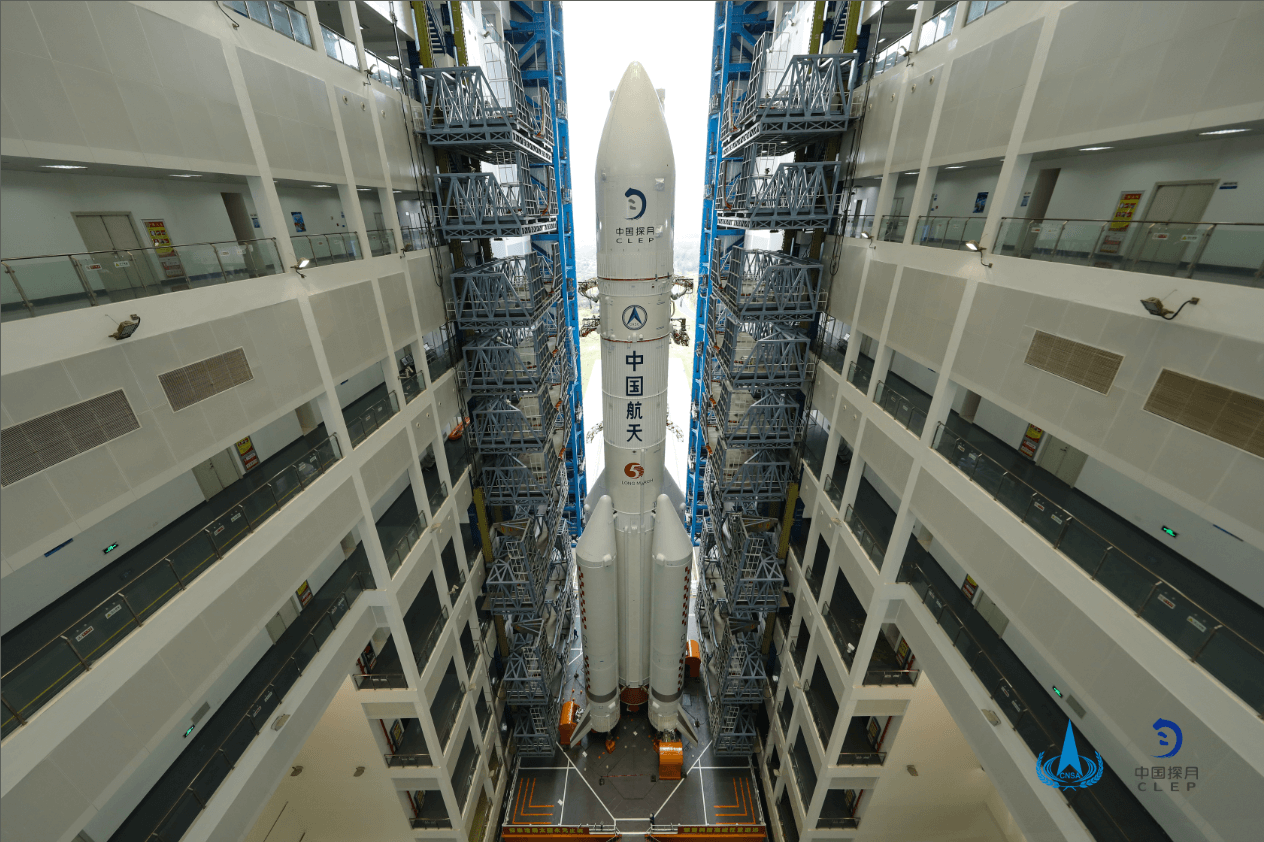
NASA concludes MAVEN mission after six months attempting to restore contact with Mars probe. Meanwhile, Falcon 9 booster flies record 35th flight on Starlink 10-35 mission.

SpaceX bids farewell to LZ-1 while continuing its mission towards advancements in satellite technology and the ongoing Starlink project.
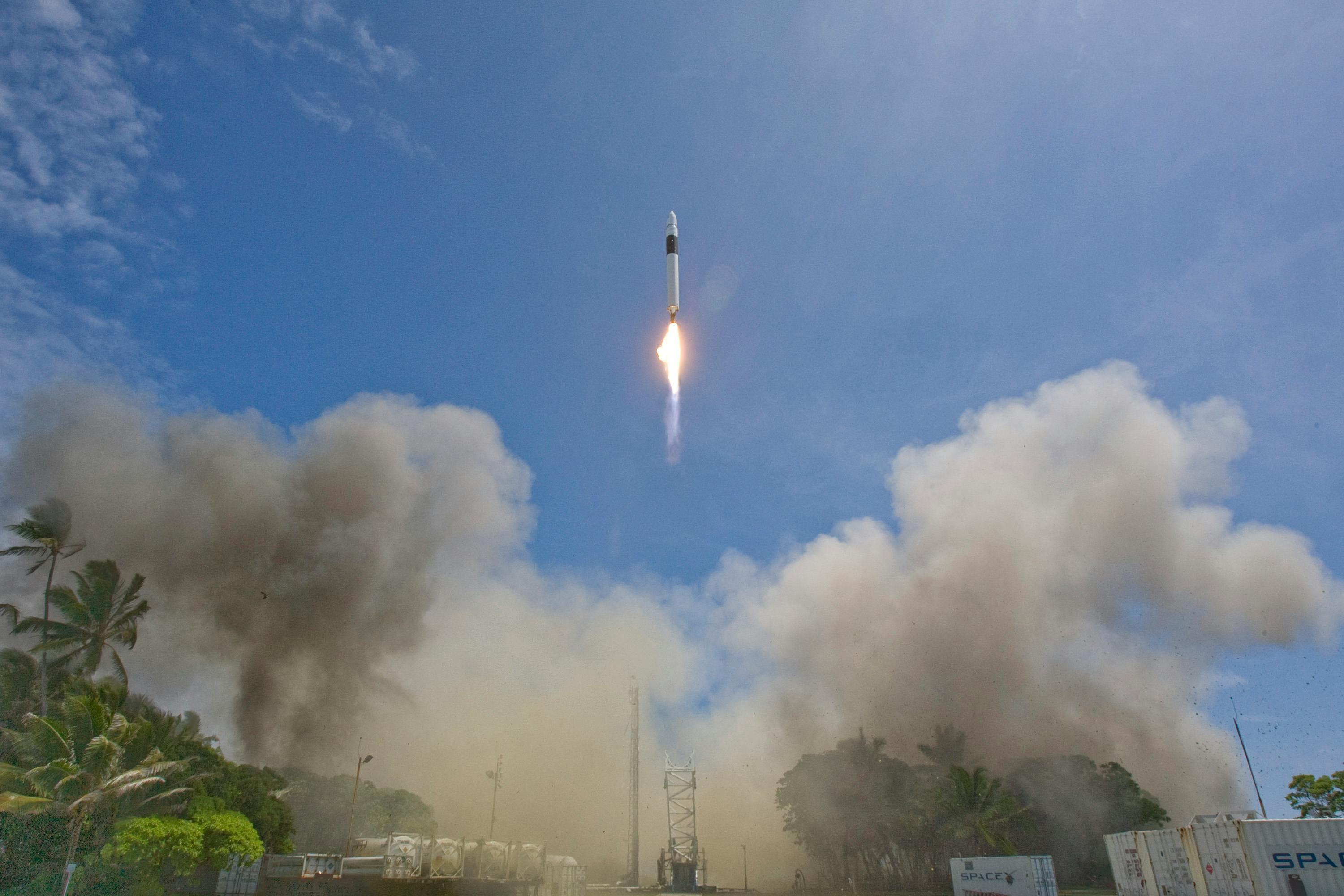
SpaceX gears up for Starship Flight 8, with a launch set for Monday as final preparations are underway.

Today's brief covers the U.S. Space Force's orbital carrier initiative, ULA Vulcan's approval for military launches, Rocket Lab's new contract with the Space Force, integrated data layers for military command, and advances in tactical surveillance.

Boeing opens new facility to boost missile-tracking sensor production for military satellites. Tory Bruno joins Blue Origin for national security projects. 25 Starlink sats launched.