


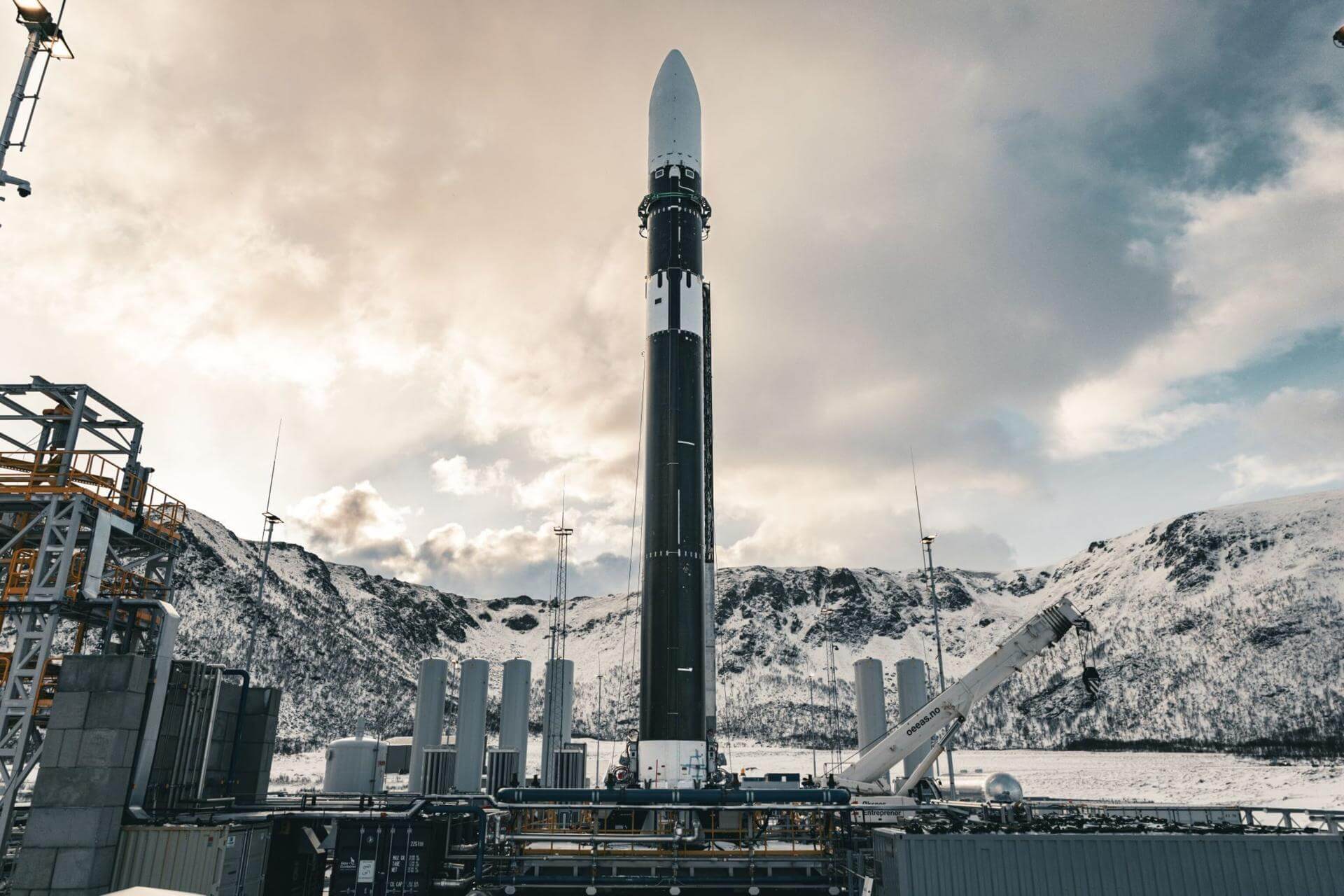
Space Brief 28 Dec 2025
Exploring the future of space with concerns on space debris, rapid growth in orbital data centers, and new developments at launch sites.


Launch Date
June 22, 1960
Launch Site
Launch Pad
LC-17B
Launch Vehicle
Thor-Ablestar
NORAD ID
00046
International Designator
1960-007B
Epoch
Sat, 04 Jul 2026 00:41:43 GMT
Apogee
Calculating...
Perigee
Calculating...
Inclination
66.69°
Right Ascension
182.32°
Eccentricity
Calculating...
Argument of Perigee
280.31°
Period
98.98 min
Mean Motion
14.55 rev/day
Latitude
Calculating...
Longitude
Calculating...
Altitude
Calculating...
Velocity
Calculating...
Name
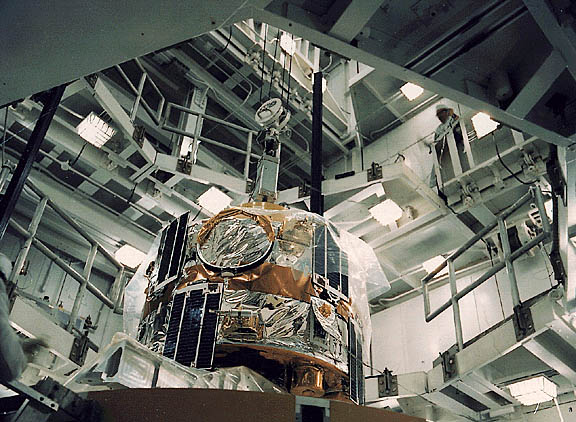
SOLRAD 1 (GREB)
Alternative Name
GRAB 1
Type
Status
Country
United States
Constellation
SOLRAD
Related Satellites
Major Events
First satellite to observe solar X-rays and conduct orbital surveillance; deactivated in April 1961.
1 00046U 60007B 26185.02897046 .00000776 00000-0 15845-3 0 9997
2 00046 66.6863 182.3229 0202296 280.3117 77.5244 14.54896845459457
Source: Celestrak
Length
0.508
Diameter
0.508
Span
0.508
Dry Mass
11.3
Launch Mass
11.3
Shape
Spherical
Radar Cross Section
0.3563
Visual Magnitude
5
Color
Silver
Material Composition
Aluminum, glass, plastic, copper, steel, stainless steel, nylon, synthetic fabric, phenolic resin, ceramic plate, rubber (silicone), adhesive.
Payload
SOLRAD scientific instruments and GRAB electronic surveillance equipment.
Purpose
ELINT, SIGINT, Research
Mission
Conducted solar X-ray observations and electronic intelligence (ELINT) to map Soviet air defense radar networks.
Manufacturer
Naval Research Laboratory (NRL)
Life Expectancy
Operated for approximately 10 months; scientific instruments functioned until November 1960, and surveillance equipment until September 1960.
Bus
NRL 20
Configuration
NRL 20in sphere
Motor
None
Equipment
Two Lyman-alpha photometers for ultraviolet light study, one X-ray photometer for 2-8Ã… wavelength range, S-band radar receiver for electronic intelligence.
Power System
Six circular patches of solar cells powering nine D cell batteries, providing 6 watts.
ADCS
Spin-stabilized
Transmitter Frequency
108 MHz for scientific telemetry; 139 MHz for surveillance data.
Learn more about satellites and other related topics.
Exploring the future of space with concerns on space debris, rapid growth in orbital data centers, and new developments at launch sites.

Twenty-two years ago, the crew of Space Shuttle Columbia awakened to John Lennon's 'Imagine' and shared a profound message about unity and peace that would become part of their enduring legacy
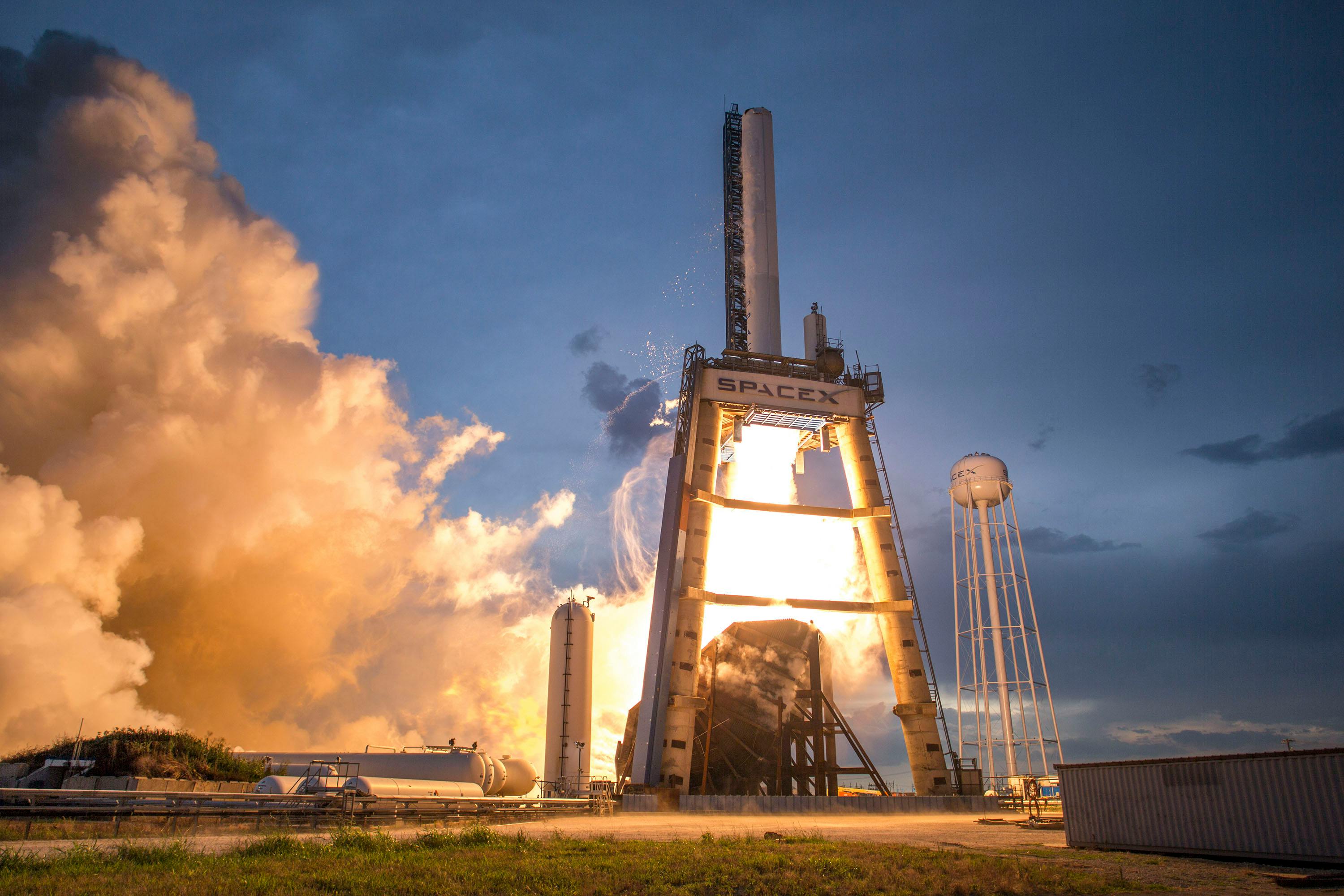
SpaceX to launch GPS III SV09 satellite for Space Force at 11:38 p.m. EST from Cape Canaveral. Musk confirms Starship V3 with Raptor V3 engines targets mid-March first flight.
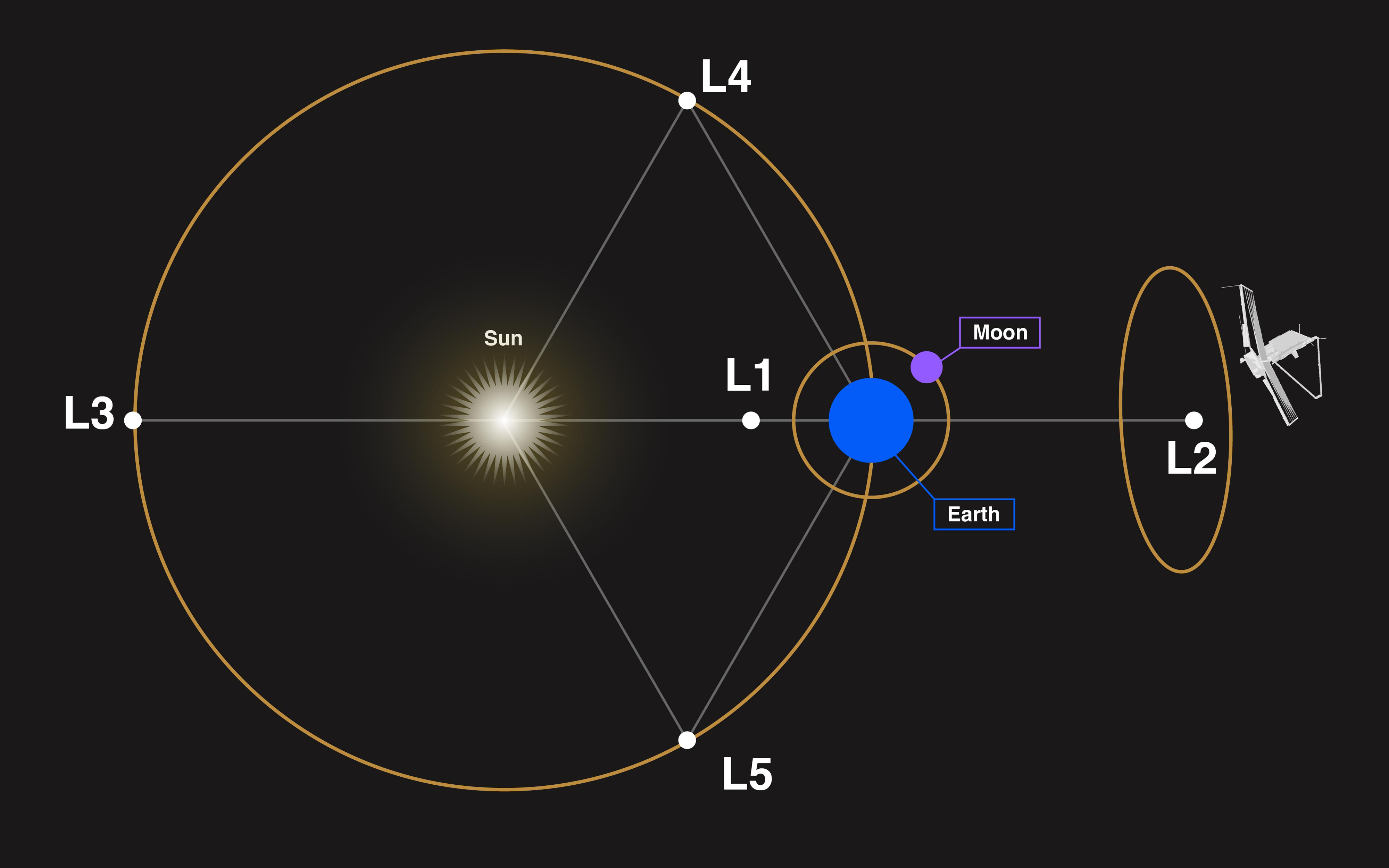
Five spots in the Earth-Sun system where the gravitational tug of two massive bodies and the pull of circular motion all cancel out, creating gravitational parking spaces where spacecraft can sit for decades with almost no fuel.

SpaceX advances with new Starship engine tests and celebrates a festive launch at Vandenberg. Jared Isaacman's NASA nomination brings excitement and scrutiny.

SpaceX continues to make strides with multiple launches, including 28 Starlink satellites and NASA's IMAP mission, highlighting its ongoing role in advancing space weather research.

SpaceX continues to ramp up its operations with the launch of 29 more Starlink satellites, while significant upgrades at its Starbase facility signify ambitious future plans.

ESA's Proba-3 spacecraft lost contact last month, grounding the dual-satellite solar eclipse mission. Formation flying between both craft is critical for coronagraph science.