


X Report 22 Nov 2025
Major challenges emerged with SpaceX's next-generation Starship booster testing, while Starlink deployments continued with successful launches.


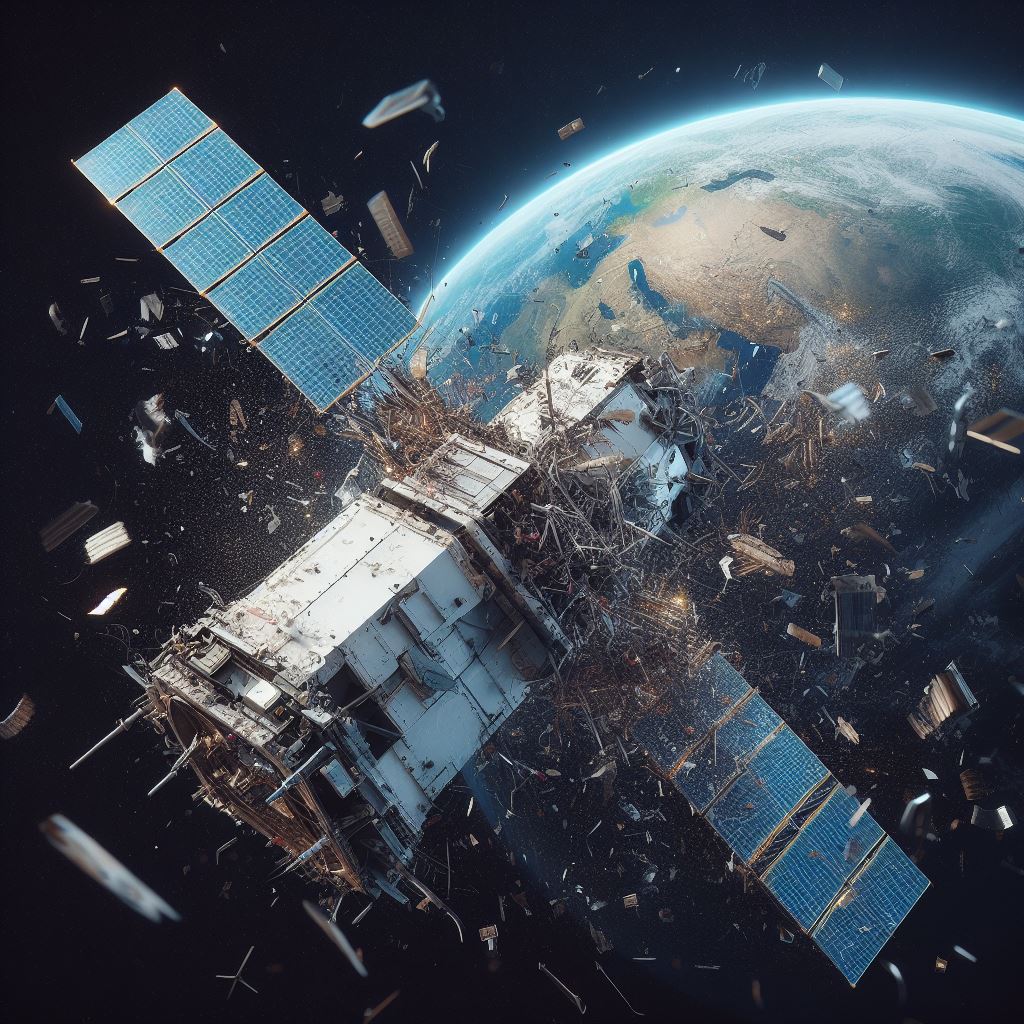
Launch Date
July 18, 2011
Launch Site
Launch Pad
LC45/1
Launch Vehicle
Zenit-3SLBF
NORAD ID
45976
International Designator
2011-037GH
Epoch
Tue, 13 Jul 2021 21:17:25 GMT
Apogee
Calculating...
Perigee
Calculating...
Inclination
51.05°
Right Ascension
54.51°
Eccentricity
Calculating...
Argument of Perigee
163.14°
Period
113.69 min
Mean Motion
12.67 rev/day
Latitude
Calculating...
Longitude
Calculating...
Altitude
Calculating...
Velocity
Calculating...
Name
FREGAT DEB
Alternative Name
deb Fregat SBB
Type
Status
Owner
VVKOV
Country
Russia
Constellation
N/A
Related Satellites
Major Events
N/A
1 45976U 11037GH 21193.88709625 .11641727 00000-0 71189+0 0 9998
2 45976 51.0528 54.5067 1343483 163.1362 201.9079 12.66629810 22338
Source: Celestrak
Length
0
Diameter
0
Span
0
Dry Mass
0
Launch Mass
0
Shape
N/A
Radar Cross Section
Unknown
Visual Magnitude
Unknown
Color
Unknown
Material Composition
Unknown
Payload
Unknown
Purpose
Unknown
Mission
Unknown
Manufacturer
NPOLO
Life Expectancy
Unknown
Bus
Unknown
Configuration
Unknown
Motor
Unknown
Equipment
Unknown
Power System
Unknown
ADCS
Unknown
Transmitter Frequency
Unknown
Learn more about satellites and other related topics.
Major challenges emerged with SpaceX's next-generation Starship booster testing, while Starlink deployments continued with successful launches.
Starlink reaches 9 million active users, while SpaceX prepares for upcoming missions with Flight 12 vehicles readying for 2026.

SpaceX successfully launches 23 Starlink satellites, NASA selects SpaceX for astrophysics mission, and Starship Flight 8 advances with Booster 15 static fire.
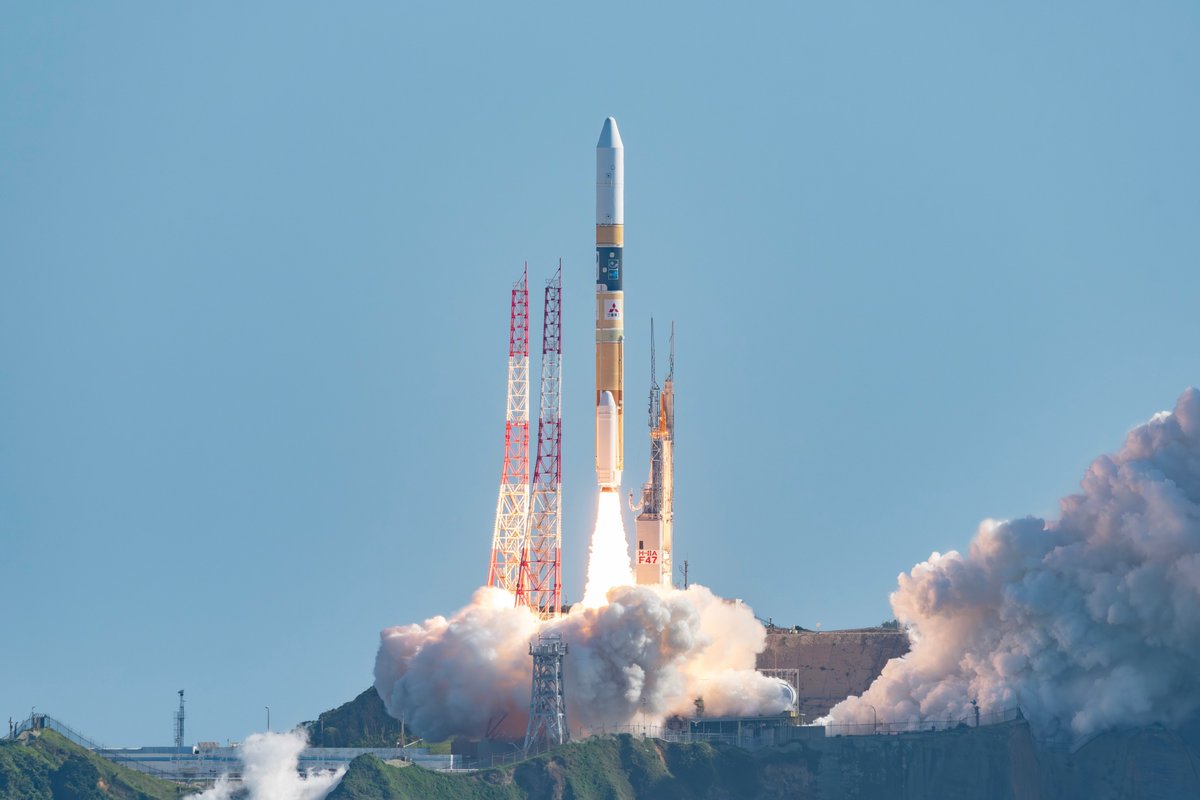
Significant advancements and launches in space: NASA's hypersonic sensor breakthrough, ChinaSat-9C's launch, and SpaceX's resilient Falcon 9 operations.
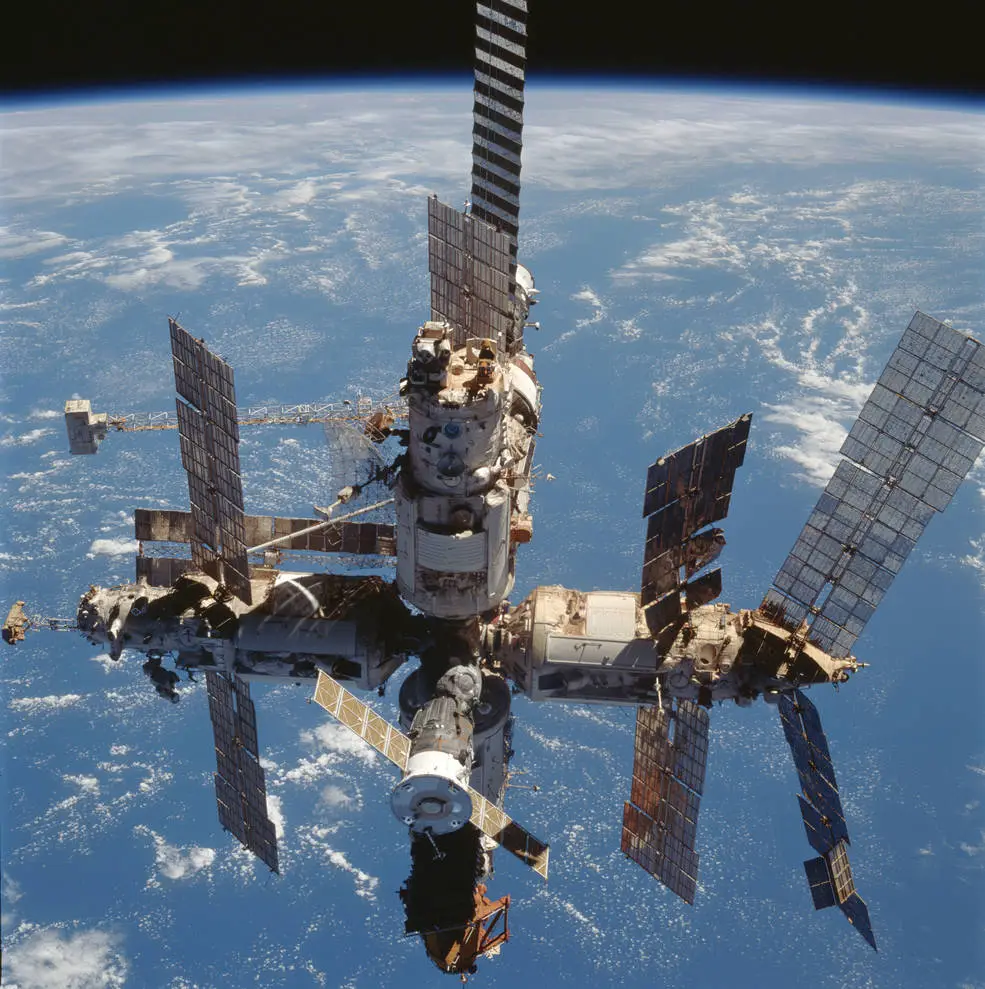
Thirty-nine years ago, a Proton rocket carried the core of the Mir space station into orbit, launching an unprecedented era of continuous human presence in space and international cooperation
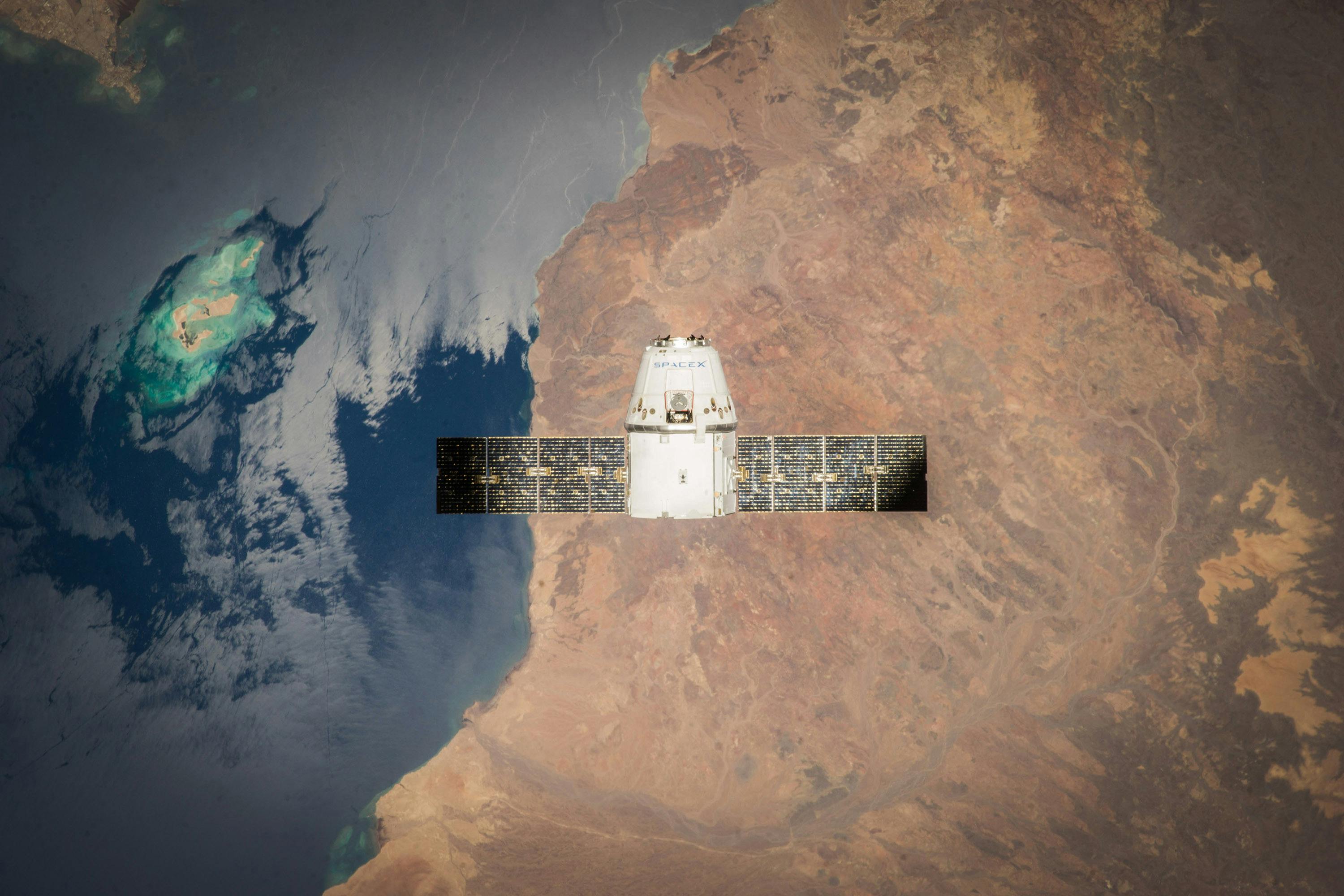
SpaceX continues to push boundaries with the successful launch of 28 Starlink satellites and significant testing preparations for upcoming Crew-11 and Starship missions.
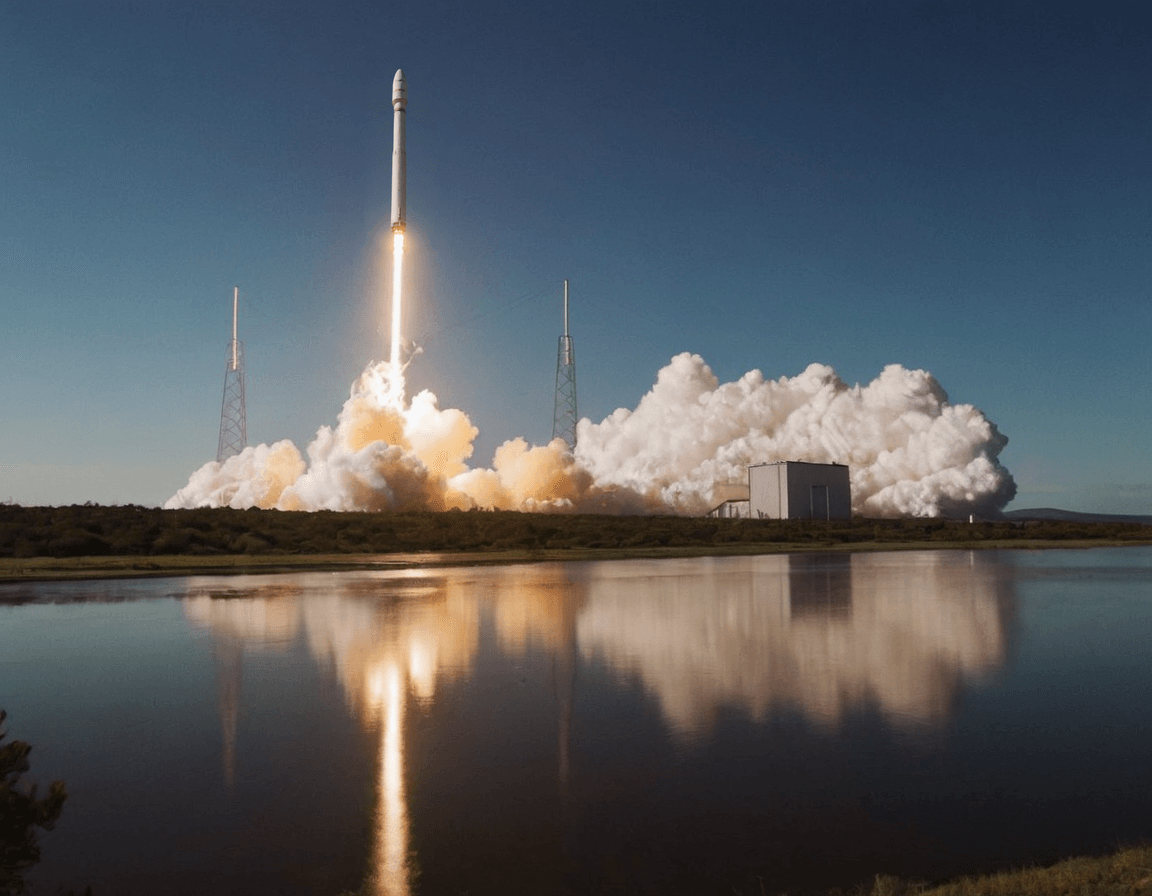
The FAA grounds SpaceX's Falcon 9 rocket after a launch mishap, potentially impacting NASA's crewed missions and disrupting SpaceX's ambitious launch schedule.
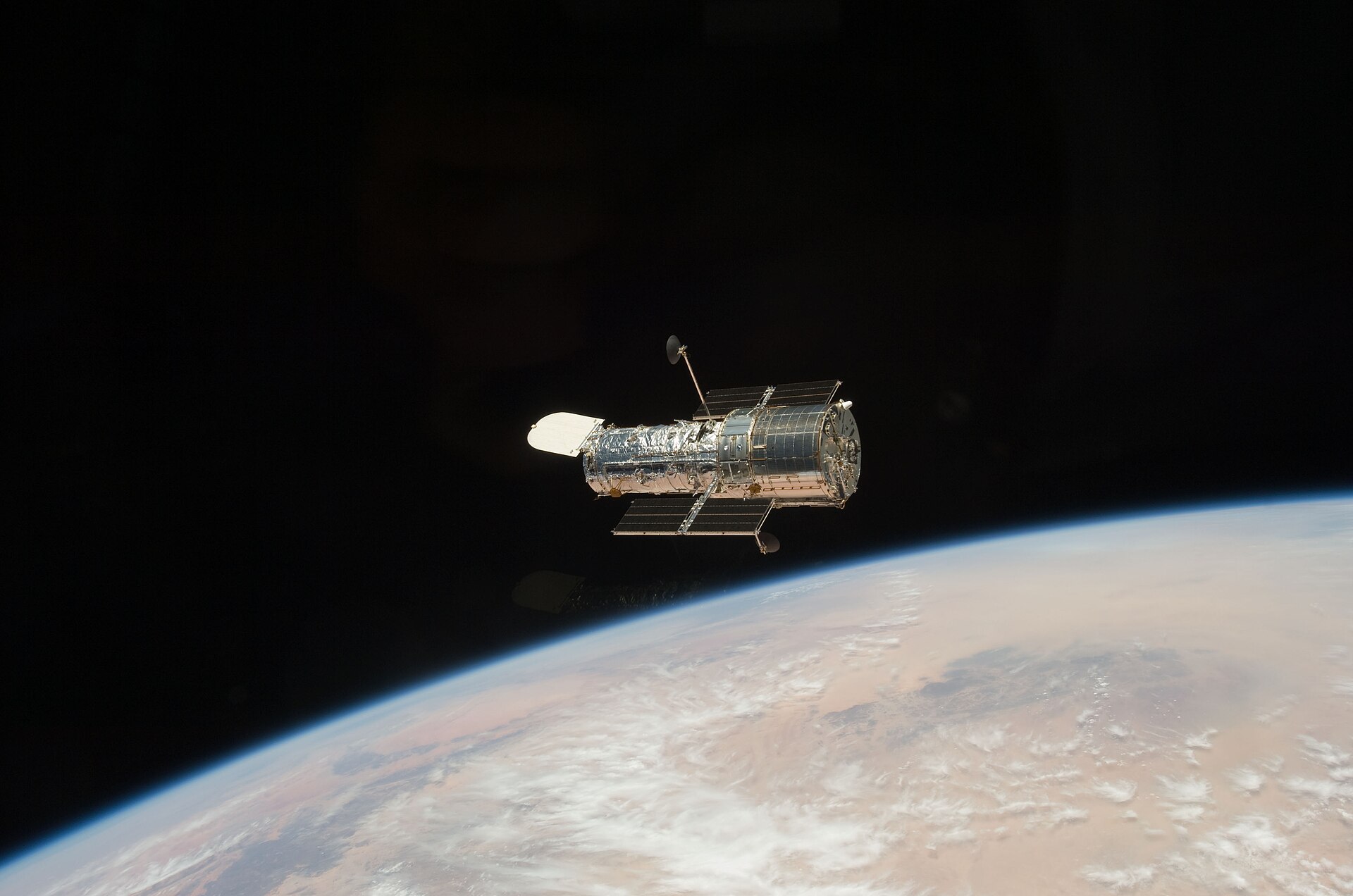
On April 25, 1990, the Space Shuttle Discovery's robotic arm lifted a 11,110-kilogram barrel of mirrors and instruments out of the payload bay and released it into orbit. Six weeks later, the first images came back badly out of focus. The Hubble Space Telescope had been ground to the wrong prescription, and America had just spent $2.5 billion on what the press was calling a 'technoturkey.'