


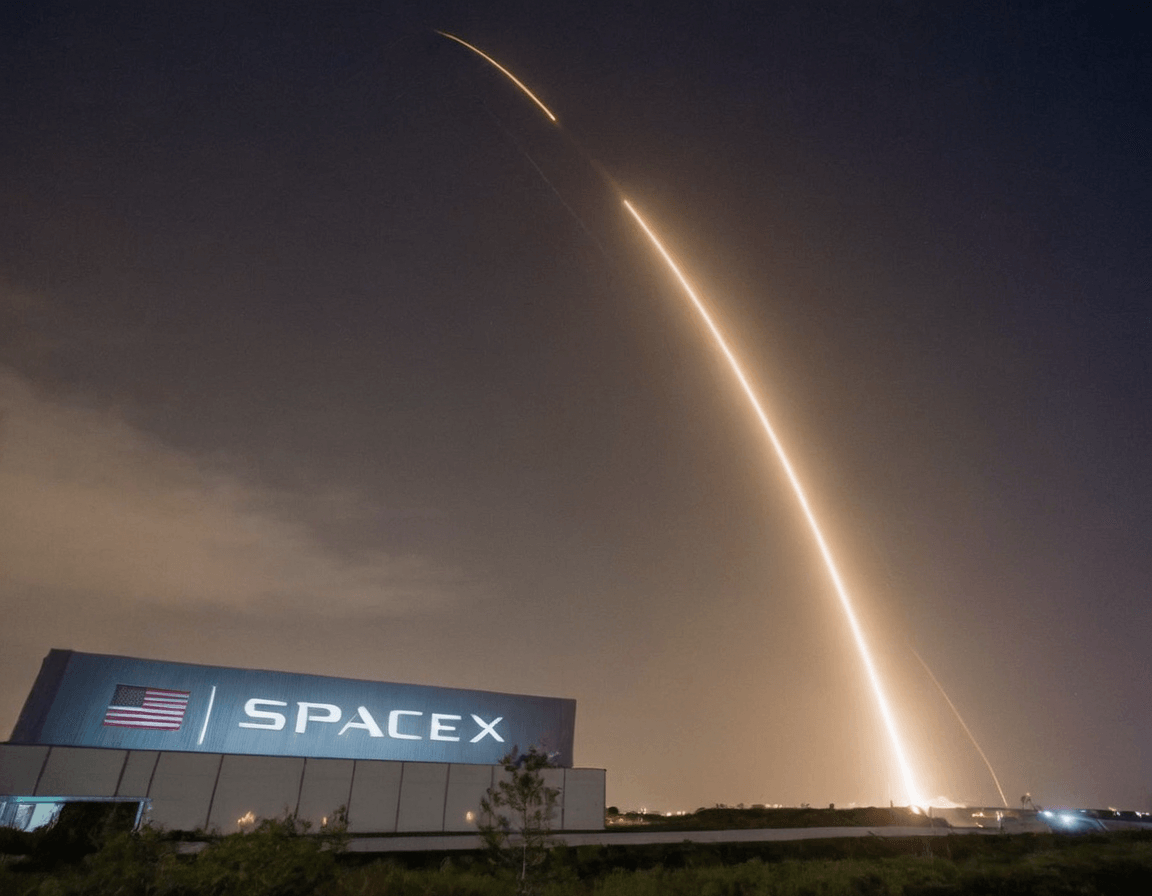
SpaceX Resumes Falcon 9 Launches After Investigating Upper Stage Anomaly
SpaceX successfully returns to flight with a Starlink mission, detailing the cause of the July 11 anomaly and implementing fixes to prevent future incidents.



Launch Date
July 18, 2011
Launch Site
Launch Pad
LC45/1
Launch Vehicle
Zenit-3SLBF
NORAD ID
45970
International Designator
2011-037GB
Epoch
Fri, 28 Aug 2020 11:29:27 GMT
Apogee
Calculating...
Perigee
Calculating...
Inclination
51.22°
Right Ascension
259.65°
Eccentricity
Calculating...
Argument of Perigee
126.91°
Period
156.49 min
Mean Motion
9.20 rev/day
Latitude
Calculating...
Longitude
Calculating...
Altitude
Calculating...
Velocity
Calculating...
Name
FREGAT DEB
Alternative Name
deb Fregat SBB
Type
Status
Owner
VVKOV
Country
Russia
Constellation
N/A
Related Satellites
Major Events
N/A
1 45970U 11037GB 20240.47878944 .00048869 00000-0 35911-1 0 9991
2 45970 51.2214 259.6453 2828742 126.9059 262.5739 9.20163749 3155
Source: Celestrak
Length
0
Diameter
0
Span
0
Dry Mass
0
Launch Mass
0
Shape
N/A
Radar Cross Section
Unknown
Visual Magnitude
Unknown
Color
Unknown
Material Composition
Unknown
Payload
Unknown
Purpose
Unknown
Mission
Unknown
Manufacturer
NPOLO
Life Expectancy
Unknown
Bus
Unknown
Configuration
Unknown
Motor
Unknown
Equipment
Unknown
Power System
Unknown
ADCS
Unknown
Transmitter Frequency
Unknown
Learn more about satellites and other related topics.
SpaceX successfully returns to flight with a Starlink mission, detailing the cause of the July 11 anomaly and implementing fixes to prevent future incidents.
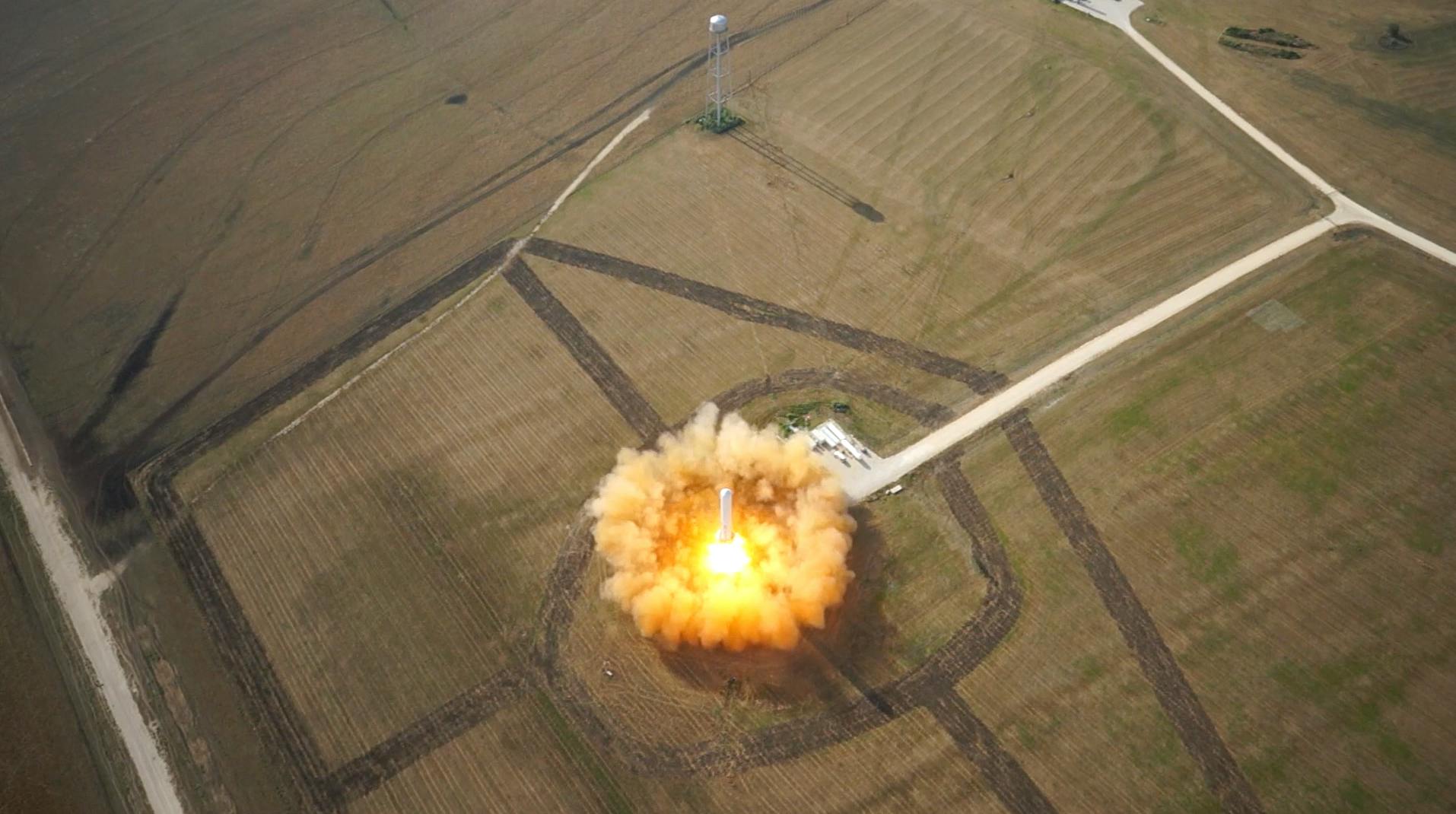
US labor board drops oversight case against SpaceX. Booster 19 completes cryogenic testing at upgraded Massey's. SpaceX IPO expected to reshape space investment landscape.
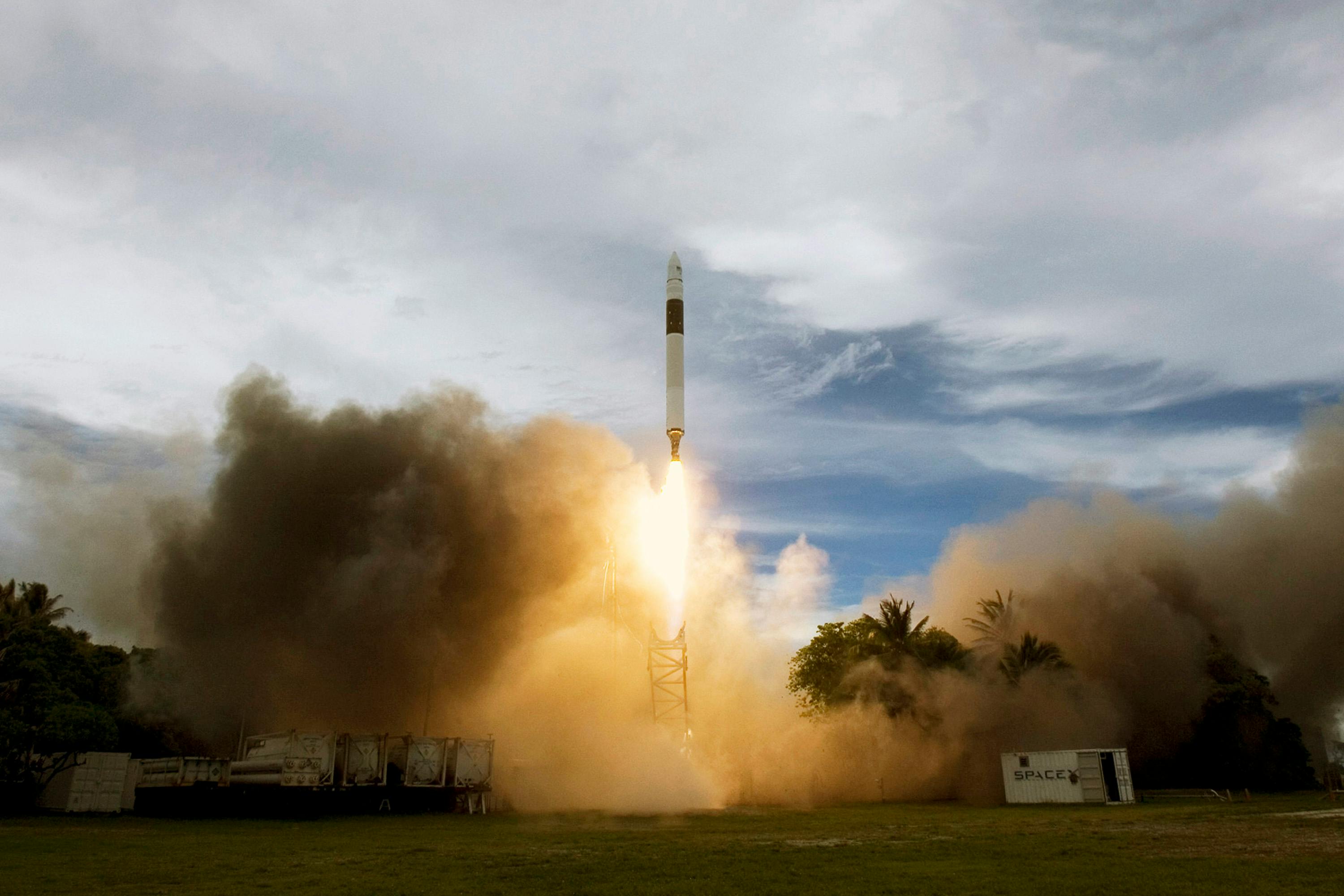
Gwynne Shotwell confirms Starlink V2 launches on Starship in 2027. Ship 39 preps Starship Flight 12; Falcon 9 lofts its 600th Starlink of 2026.
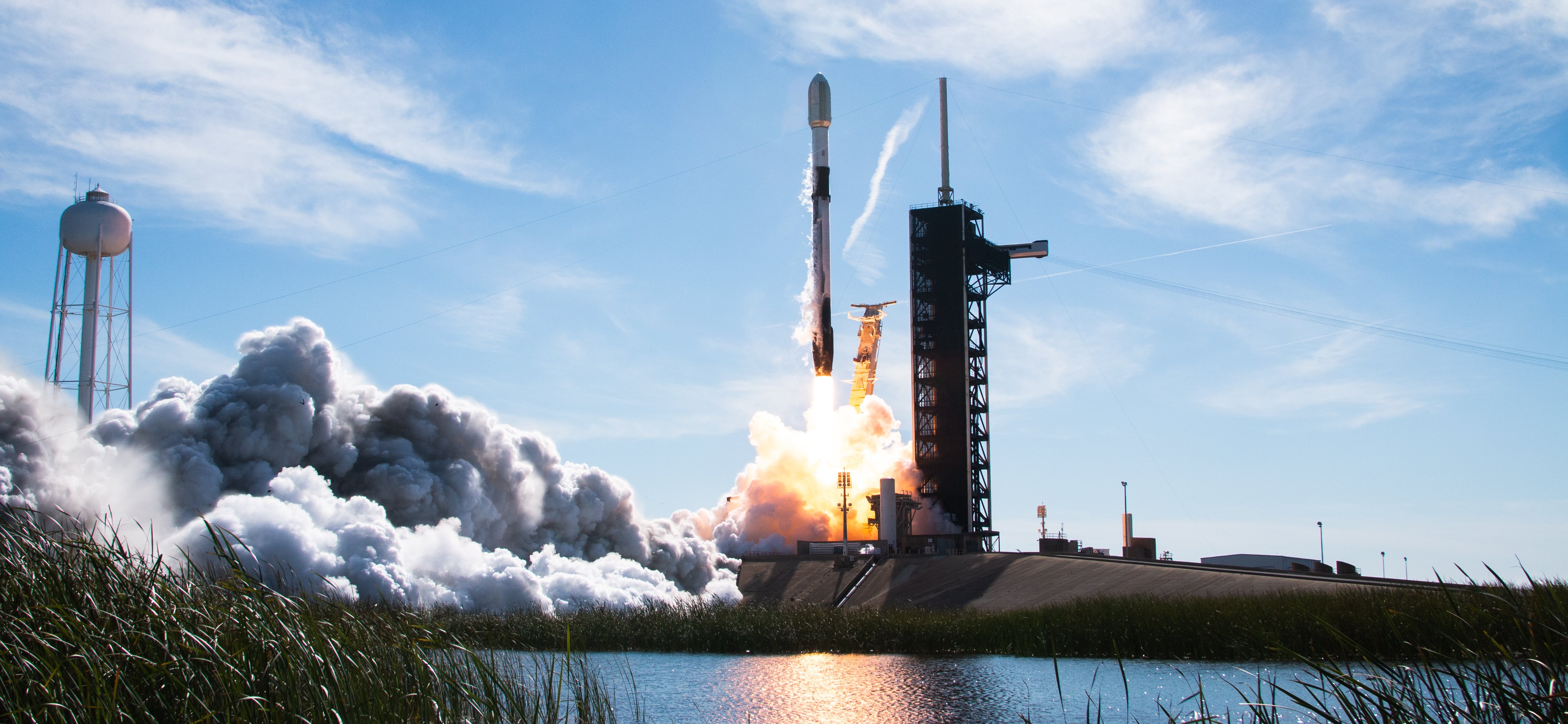
Today's highlights include China's lunar collaboration with Russia, new insights from Magellan's Venus mission, and stunning 8K images of the sun.
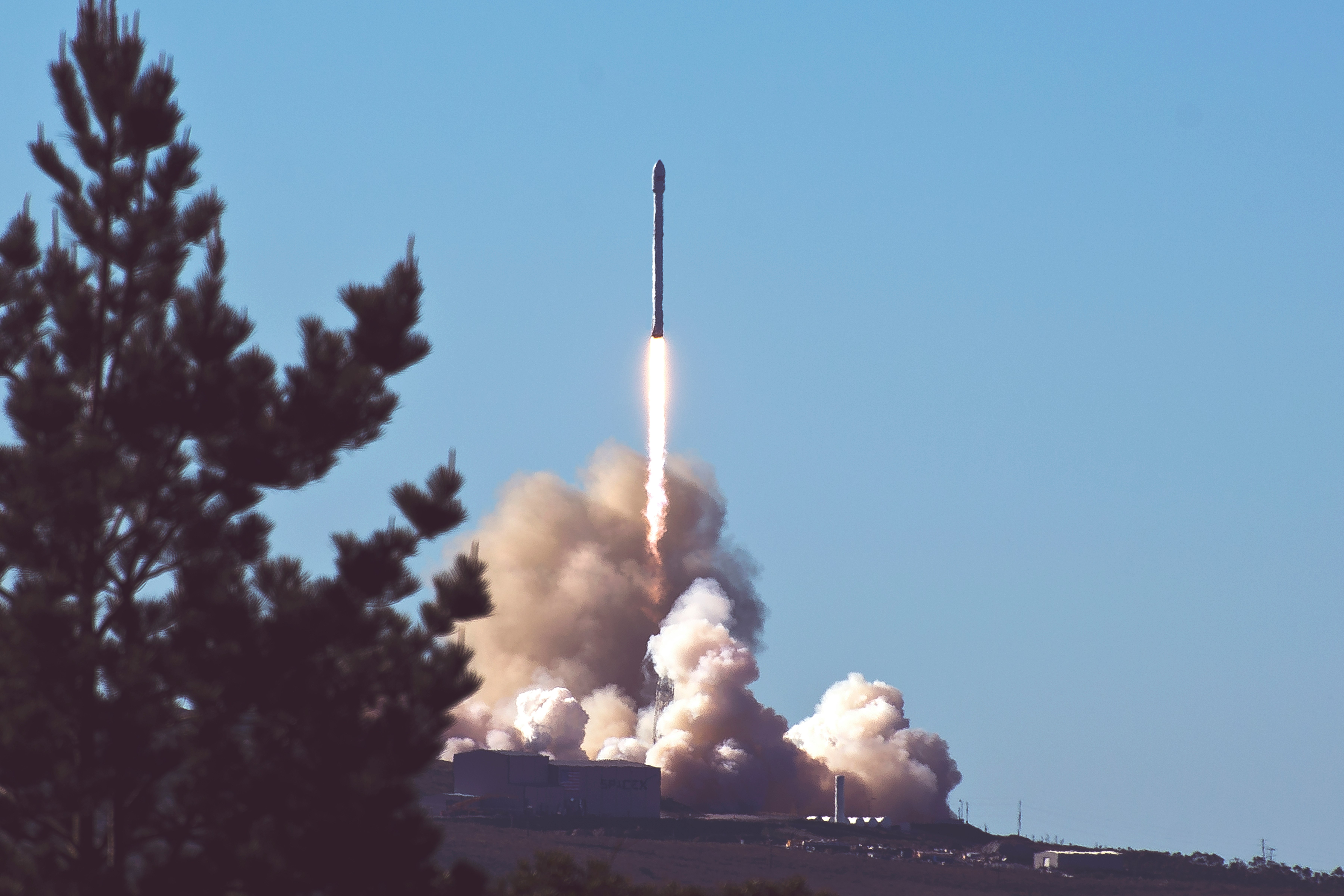
SpaceX launches Starlink satellites successfully, while Starbase inches closer to city status and business discussions intensify.
Today's Space Brief covers Rocket Lab's IoT satellite launch, SpaceX's European Galileo satellites, FAA's fine on SpaceX, Polaris Dawn mission achievements, and more.
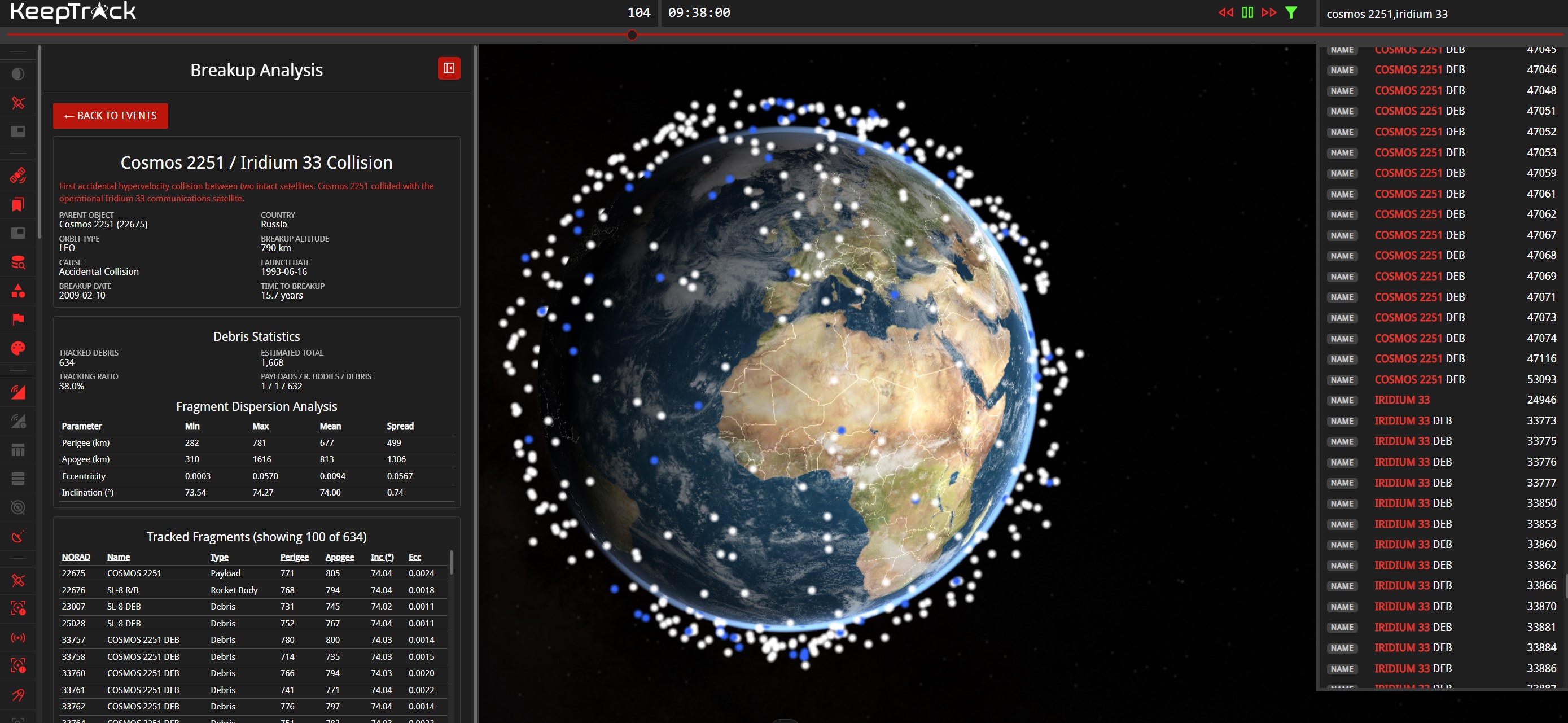
On February 10, 2009, an active Iridium communications satellite and a derelict Soviet military spacecraft slammed into each other 789 kilometers above Siberia. The collision produced more than 2,300 pieces of trackable debris that are still up there. Seventeen years later, the Iridium-Cosmos collision remains the event that made space debris a policy problem the world could no longer ignore.

Today's brief covers advancements in satellite technology initiatives by the U.S. Space Force, geopolitical implications in maritime domains, and Sweden's significant military aid package. Additionally, we spotlight a historical satellite with modern implications.