


Space Brief 3 Jun 2025
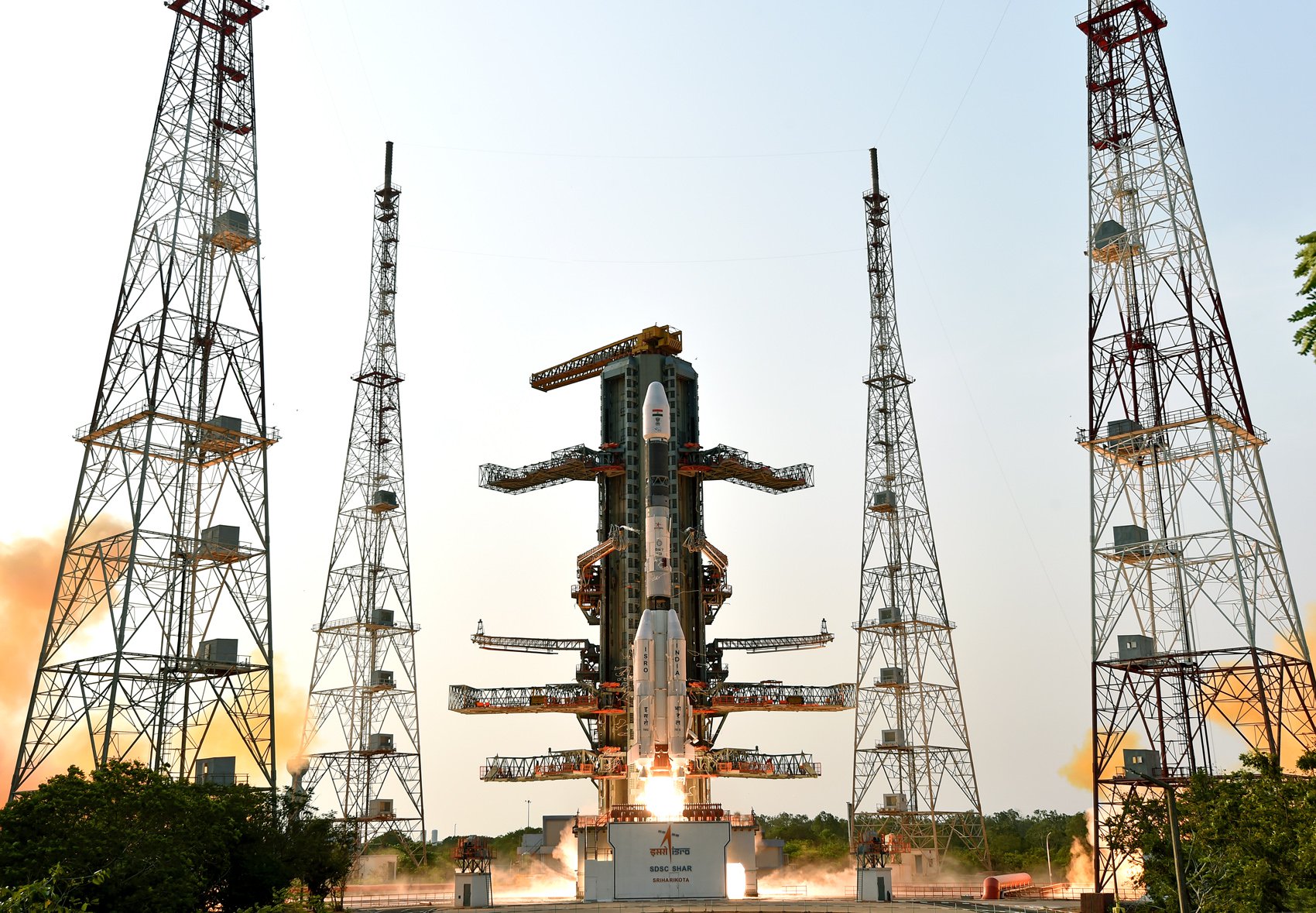
Today's highlights include China's remote-sensing satellite launch, U.S. Space Force's investment in missile-tracking satellites, and NASA's MAVEN milestone on Mars.



Launch Date
June 13, 2020
Launch Site
Launch Pad
LC40
Launch Vehicle
NORAD ID
45759
International Designator
2020-038AF
Epoch
Sat, 04 Jul 2026 01:40:51 GMT
Apogee
Calculating...
Perigee
Calculating...
Inclination
53.05°
Right Ascension
357.81°
Eccentricity
Calculating...
Argument of Perigee
102.13°
Period
91.85 min
Mean Motion
15.68 rev/day
Latitude
Calculating...
Longitude
Calculating...
Altitude
Calculating...
Velocity
Calculating...
Name
STARLINK-1493
Alternative Name
Starlink 1493
Type
Status
Owner
SPXS
Country
United States
Constellation
N/A
Related Satellites
Major Events
N/A
1 45759U 20038AF 26185.07004587 .00076952 00000-0 68507-3 0 9994
2 45759 53.0461 357.8099 0004327 102.1291 258.0210 15.67815474334808
Source: Celestrak
Length
0.2
Diameter
2.8
Span
9
Dry Mass
248
Launch Mass
260
Shape
Box + pan
Radar Cross Section
Unknown
Visual Magnitude
Unknown
Color
Unknown
Material Composition
Unknown
Payload
Starlink V1.0-L8-35
Purpose
Communication
Mission
Communication
Manufacturer
SPXS
Life Expectancy
Unknown
Bus
Starlink
Configuration
Unknown
Motor
Krypton ion thrusters
Equipment
Ku/Ka-band payload (all), optical inter-satellite links (a few prototypes)
Power System
Solar arrays, batteries
ADCS
Unknown
Transmitter Frequency
Unknown
Learn more about satellites and other related topics.
Today's highlights include China's remote-sensing satellite launch, U.S. Space Force's investment in missile-tracking satellites, and NASA's MAVEN milestone on Mars.

U.S. Space Force executes first tactical orbital intercept under Victus Haze mission using commercial spacecraft. Rendezvous and proximity operations now operationally demonstrated.

US military praised for space operations against Iran assessed as jamming or spoofing satellite communications. Electronic warfare effects invisible to orbital tracking data.
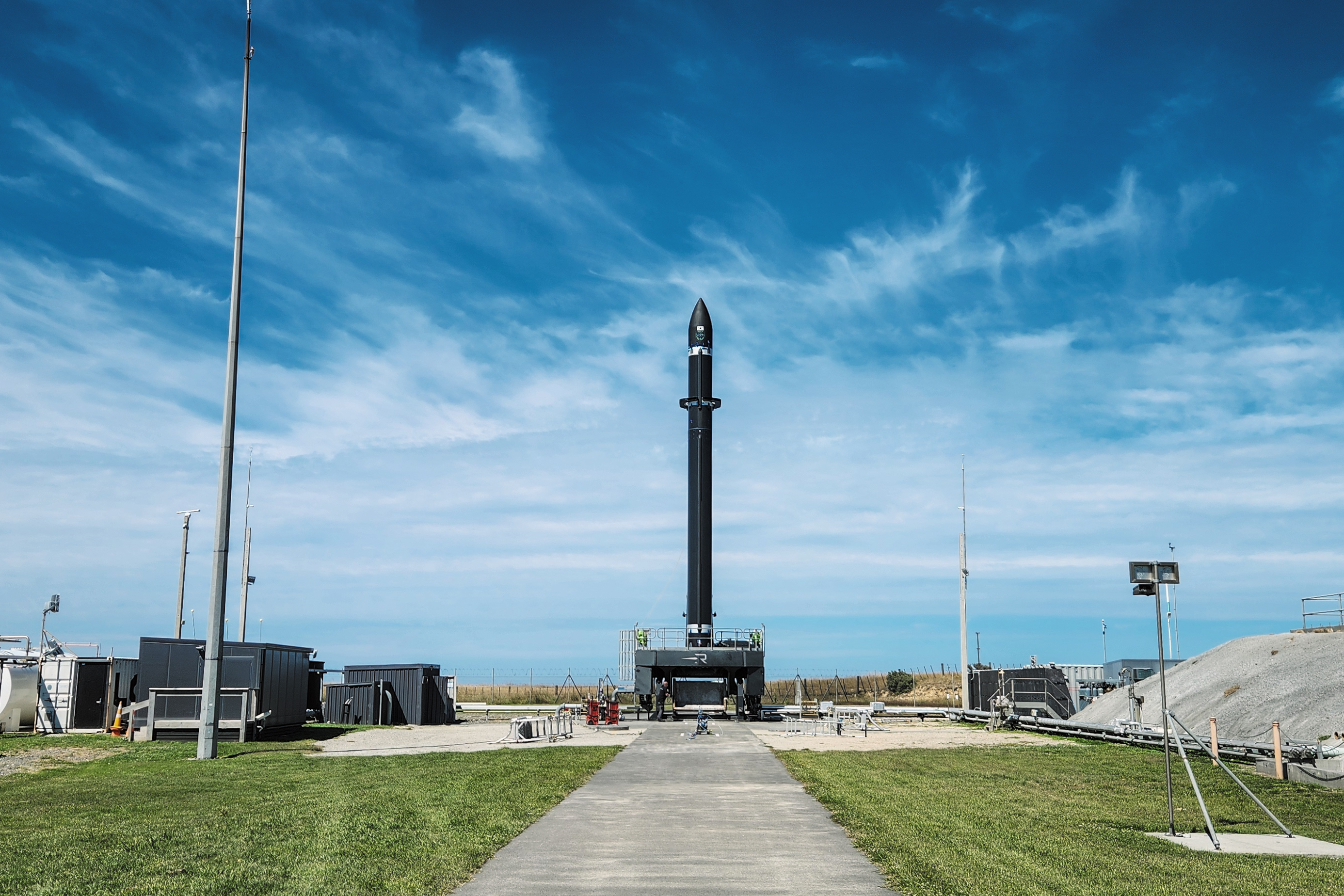
Today's highlights include Japan's new military satellite imagery initiative, NASA's SPHEREx map, and AST BlueBird 6's groundbreaking cellular array in low Earth orbit.

Today's highlights include a record number of launches from Florida's Space Coast, Germany's new military space strategy, SpaceX's Starlink deployment, and more.
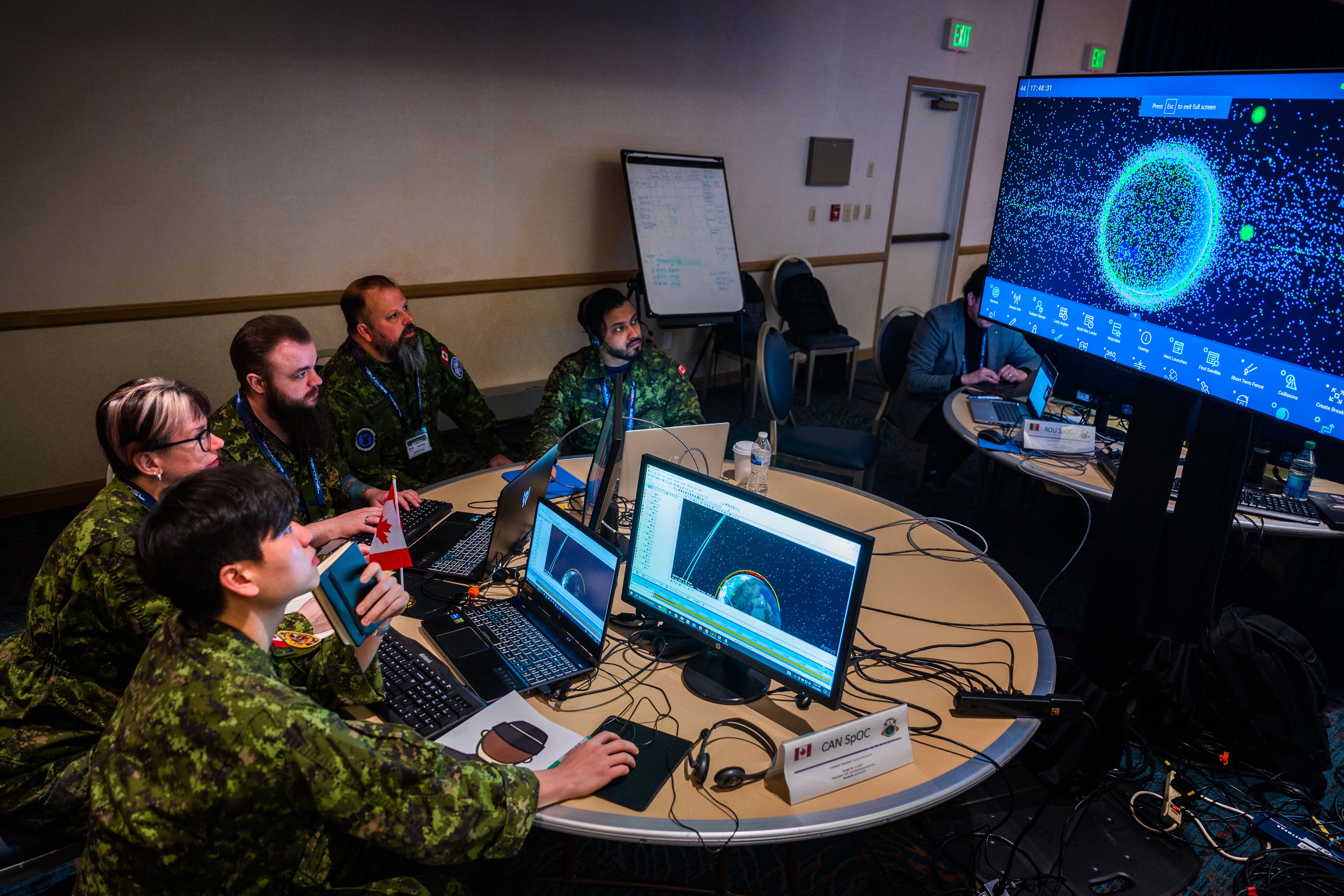
Space Force shares classified tracking data with commercial firms. Falcon 9 reentry linked to upper-atmosphere lithium plume. SpaceX launches 54 Starlink sats in one day.

Today's briefing covers strategic military developments including missile defense proposals and board realignments, intertwined with rising space defense exports and autonomous launcher progress.
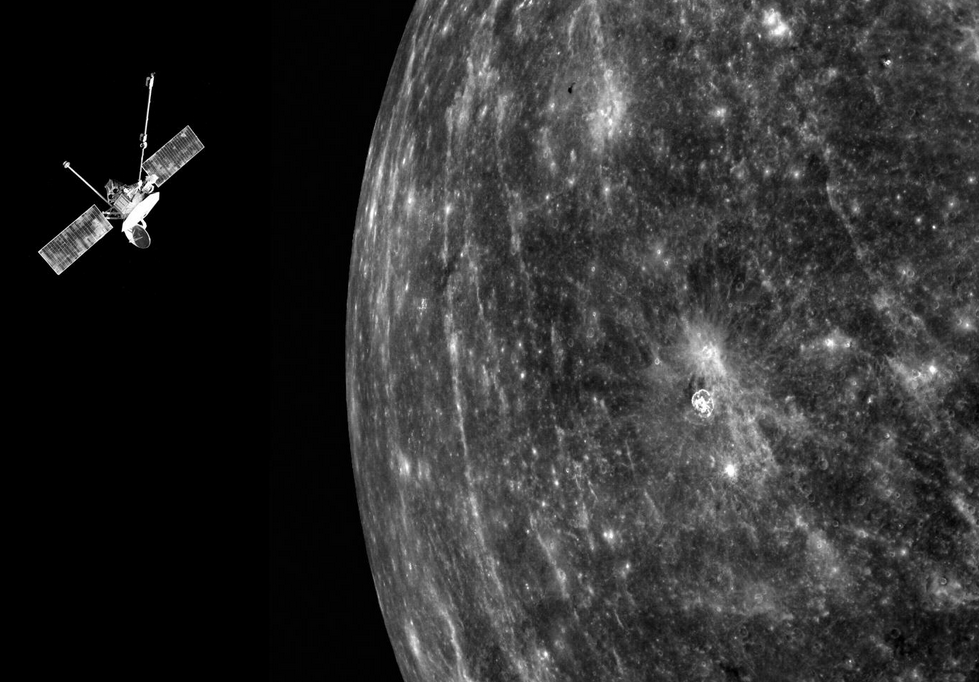
Fifty-one years ago, Mariner 10 revolutionized space exploration by executing the first-ever planetary gravity assist at Venus, pioneering a technique that would transform how we explore the solar system