


X Report 20 Mar 2025
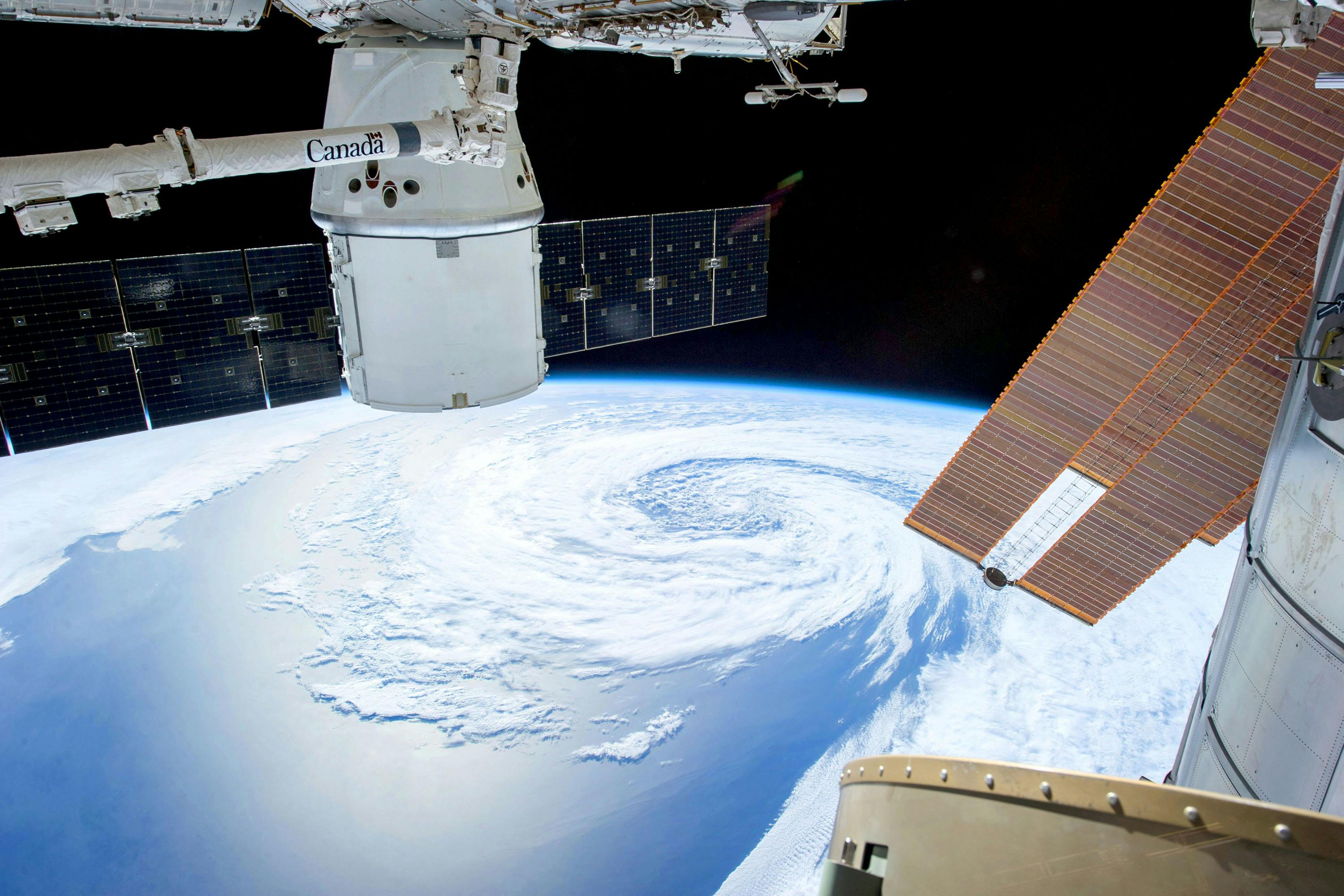
SpaceX successfully rotates Crew-9 and Crew-10 on the ISS and launches new Starlink satellites with direct-to-cell capability.


Launch Date
June 13, 2020
Launch Site
RLLB
Launch Pad
LC1A
Launch Vehicle
Electron
NORAD ID
45728
International Designator
2020-037F
Epoch
Fri, 03 Jul 2026 23:51:00 GMT
Apogee
Calculating...
Perigee
Calculating...
Inclination
97.76°
Right Ascension
29.23°
Eccentricity
Calculating...
Argument of Perigee
81.88°
Period
94.75 min
Mean Motion
15.20 rev/day
Latitude
Calculating...
Longitude
Calculating...
Altitude
Calculating...
Velocity
Calculating...
Name
ELECTRON KICK STAGE R/B
Alternative Name
Electron 12 Kick Stage
Type
Status
Owner
RLABN
Country
New Zealand
Constellation
N/A
Related Satellites
Major Events
N/A
1 45728U 20037F 26184.99375363 .00010095 00000-0 47371-3 0 9994
2 45728 97.7577 29.2349 0007765 81.8753 278.3362 15.19834360120752
Source: Celestrak
Length
0.4
Diameter
1.2
Span
1.2
Dry Mass
50
Launch Mass
50
Shape
Trunc cone
Radar Cross Section
Unknown
Visual Magnitude
Unknown
Color
Unknown
Material Composition
Unknown
Payload
Electron Kick Stage
Purpose
Unknown
Mission
Unknown
Manufacturer
RLABN
Life Expectancy
Unknown
Bus
Kick Stage
Configuration
Unknown
Motor
Curie
Equipment
Unknown
Power System
Unknown
ADCS
Unknown
Transmitter Frequency
Unknown
Learn more about satellites and other related topics.
SpaceX successfully rotates Crew-9 and Crew-10 on the ISS and launches new Starlink satellites with direct-to-cell capability.
ISS astronauts evacuated to a SpaceX Dragon capsule on June 5 as cosmonauts worked to seal a persistent air leak on the Russian segment.

Today's update highlights Boeing's challenges with the Starliner, Europe's IRIS2 constellation advancement, China's CAS Space's global ambitions, and vivid new telescope images of cosmic events.

The White House wants to cut NASA's science budget nearly in half for the second year running. Administrator Jared Isaacman says it's enough. Congress already rejected this exact idea once.
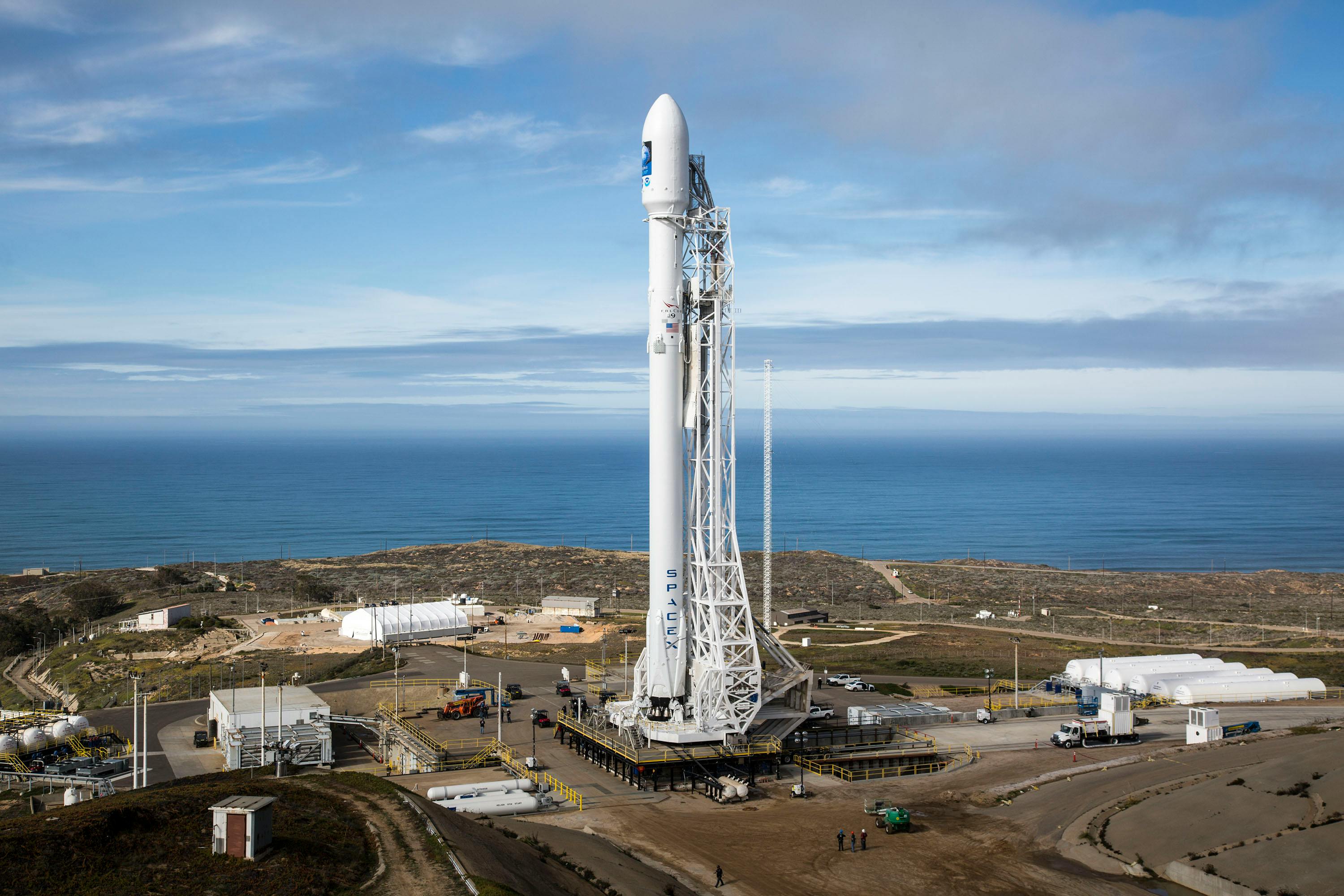
Today's highlights include a SpaceX launch of Starlink satellites, a pivotal delivery to the Space Force, and significant Senate funding for NASA missions.
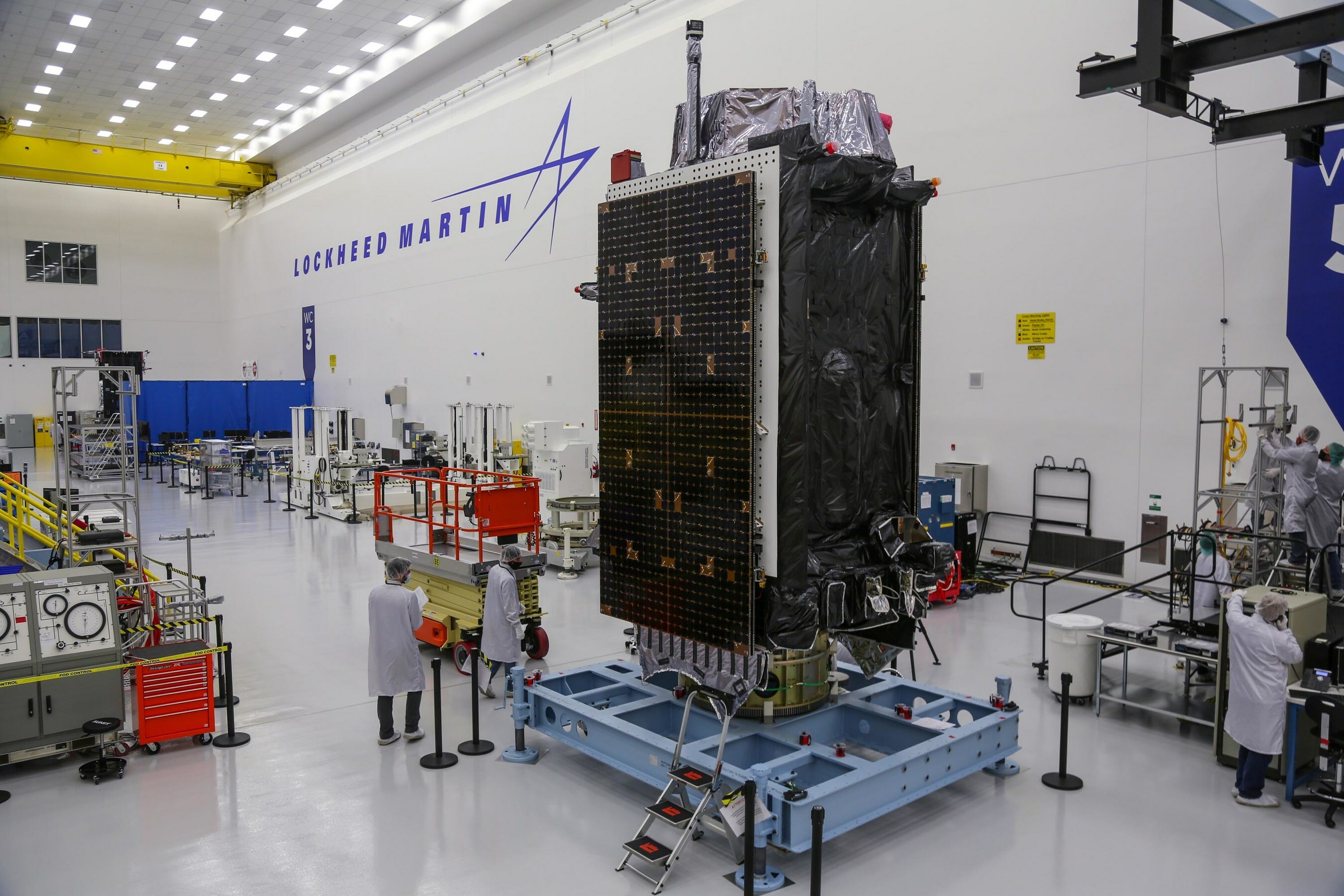
On April 21, 2026, the tenth and final GPS Block III satellite reached medium Earth orbit aboard a SpaceX Falcon 9. Named for Hedy Lamarr, the actress whose 1942 frequency-hopping patent underpins modern GPS, SV10 closes a procurement that took eight years to deliver hardware and opens the optical-crosslink era that will define the constellation's next decade.

On May 4, 1989, Space Shuttle Atlantis lifted off from LC-39B carrying Magellan, NASA's first interplanetary mission since 1978. The eleven-year drought ended in a payload bay, and the radar that emerged would map ninety-eight percent of Venus through clouds that no camera could ever see through.

In 2024, China launched 68 orbital missions. In 2025, the number jumped to 97. In 2026, state media and Western analysts agree the target is 140 or more. Most of that growth is being driven by two state-backed mega-constellations, a half-dozen private launch companies hitting stride, and a deliberate national pivot toward commercial space. Beijing is no longer trying to catch SpaceX. It is trying to build an industrial base that outlasts one.