STARLINK-1395 (45680)

COSPAR: 2020-035Z | Alt Name: Starlink 1395
DECAYED

Image
STARLINK-1395 Satellite Image
Additional Sources
Launch Details

Launch Date

June 4, 2020

Launch Pad

LC40

Launch Vehicle

Falcon 9

Orbital Elements

NORAD ID

45680

International Designator

2020-035Z

Decay Date

4/26/2025

Basic Satellite Info

Name

STARLINK-1395

Alternative Name

Starlink 1395

Type

Payload

Status

Decayed

Owner

SPXS

Country

United States

Constellation

N/A

Related Satellites

Major Events

N/A

Summary
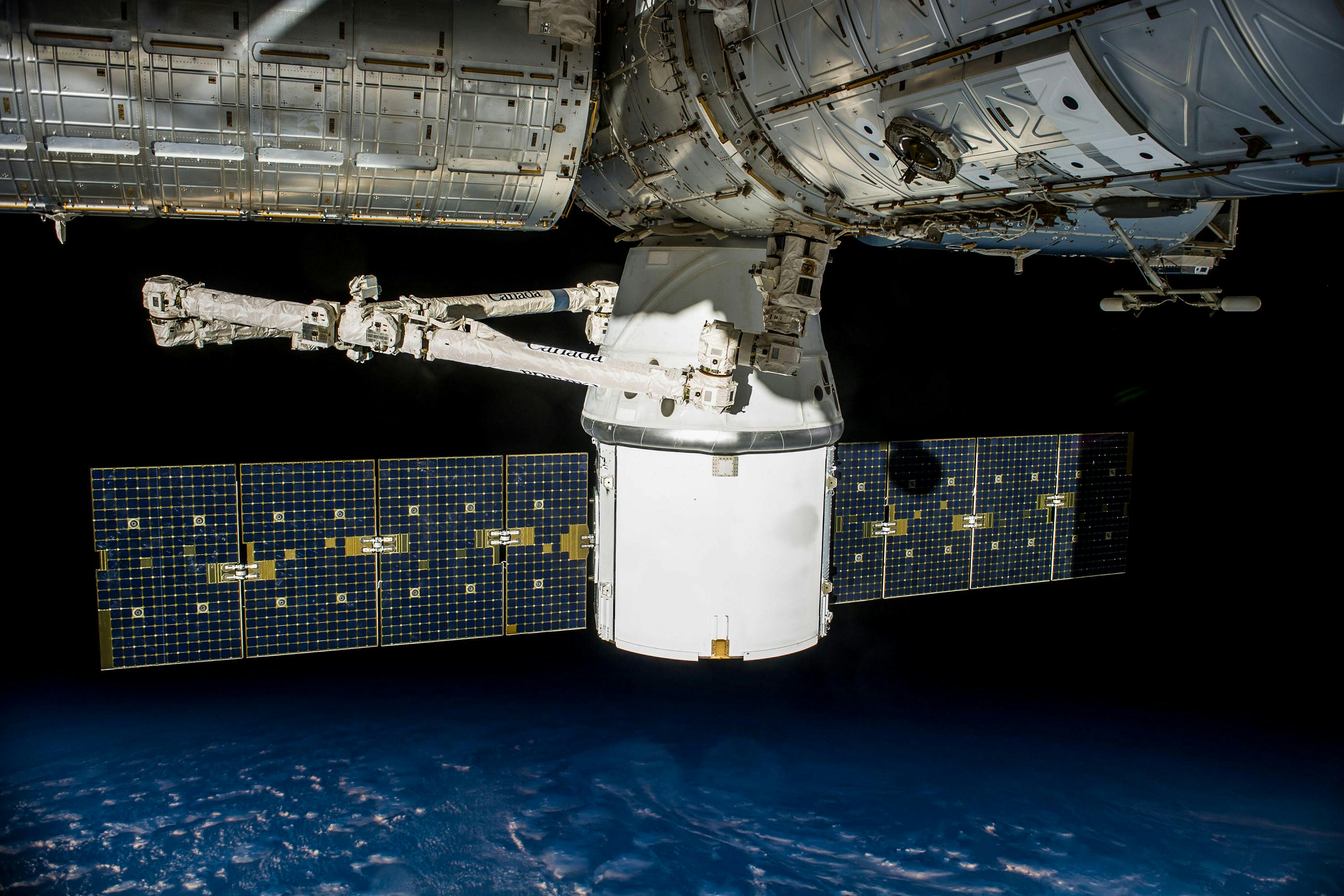
The STARLINK-1395 satellite, also known as Starlink 1395, is part of SpaceX's Starlink constellation designed for communication purposes. It was launched on June 4, 2020, from Cape Canaveral Air Force Station’s Launch Complex 40 using a Falcon 9 launch vehicle. The satellite has dimensions of 0.2 meters in length and 2.8 meters in diameter with a span of 9 meters, indicating the presence of deployable structures such as solar arrays or antennas. At launch, it weighed 260 kilograms but had a dry mass of 248 kilograms. Equipped with Ku/Ka-band payload equipment and optical inter-satellite links for communication, it utilizes krypton ion thrusters for maneuvering and relies on solar arrays and batteries for power. The satellite's shape is described as box-shaped with a pan component, suggesting the integration of antennas or solar panels. It was manufactured by SpaceX and operates under the same ownership.

Starlink is a satellite constellation developed by SpaceX with the aim of providing global broadband internet coverage. Thousands of small satellites are deployed in low Earth orbit (LEO), enabling high-speed internet access even in remote areas. However, the rapid increase in satellites raises concerns about space debris and the potential for collisions, which can lead to further debris creation and endanger other spacecraft. Additionally, the sheer number of Starlink satellites can affect astronomical observations by increasing light pollution. Proper deorbiting plans and international coordination are essential to mitigate these challenges and ensure long-term sustainability in space.
Physical Characteristics

Length

0.2

Diameter

2.8

Span

9

Dry Mass

248

Launch Mass

260

Shape

Box + pan

Radar Cross Section

Unknown

Visual Magnitude

Unknown

Color

Unknown

Material Composition

Unknown

Technical Details

Payload

Starlink V1.0-L7-24

Purpose

Communication

Mission

Communication

Manufacturer

SPXS

Life Expectancy

Unknown

Bus

Starlink

Configuration

Unknown

Motor

Krypton ion thrusters

Equipment

Ku/Ka-band payload (all), optical inter-satellite links (a few prototypes)

Power System

Solar arrays, batteries

ADCS

Unknown

Transmitter Frequency

Unknown

Satellite Articles

View All Posts »

Learn more about satellites and other related topics.

X Report 15 Feb 2025

X Report 15 Feb 2025

SpaceX sets a reuse record with Falcon 9, advances Starship program, while Starlink influences satellite market dynamics.

Intel Partners on Musk's Terafab AI Chip Fab | KeepTrack X Report

Intel Partners on Musk's Terafab AI Chip Fab | KeepTrack X Report

Intel joins Terafab, Elon Musk's Austin AI chip complex, to supply SpaceX and Tesla as Falcon 9 prepares a Cygnus ISS run.

SpaceX Launches 13th NRO Proliferated Architecture Mission | KeepTrack Space Brief

SpaceX Launches 13th NRO Proliferated Architecture Mission | KeepTrack Space Brief

Falcon 9 successfully deployed NROL-72 for National Reconnaissance Office's 13th proliferated architecture mission. Low-Earth orbit intelligence constellation expanding since 2021.
Falcon 9 Completes GPS III Constellation for Space Force | KeepTrack X Report

Falcon 9 Completes GPS III Constellation for Space Force | KeepTrack X Report

SpaceX's Falcon 9 delivered GPS III SV-10 at 0653 UTC, capping Lockheed Martin's 10-satellite series as SpaceX eyes a $60B AI coding acquisition pre-IPO.

X Report 25 Mar 2025

X Report 25 Mar 2025

SpaceX achieves new milestones with back-to-back launches for the NRO while preparing for groundbreaking crewed polar mission FRAM2.
The Day Two Satellites Hit Each Other at 26,000 MPH

The Day Two Satellites Hit Each Other at 26,000 MPH

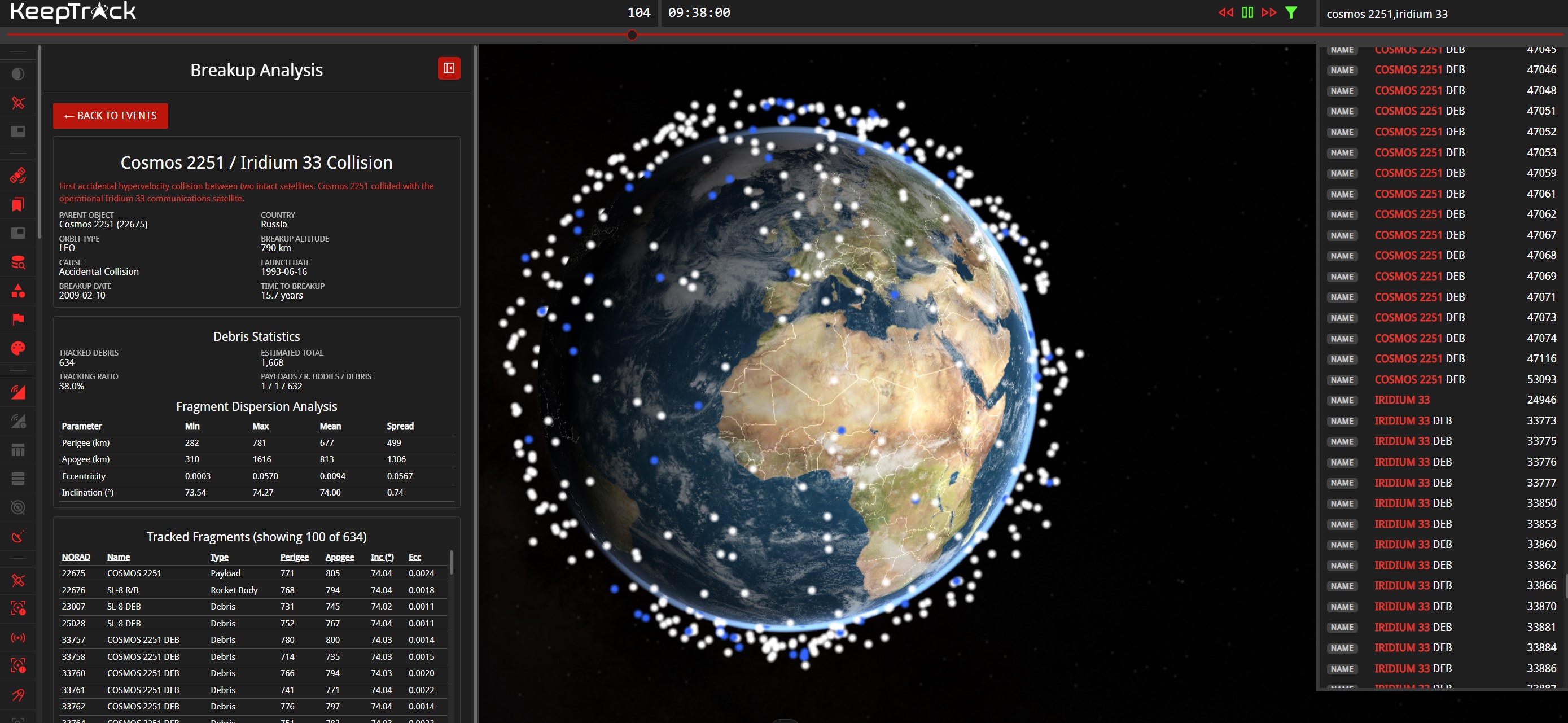
On February 10, 2009, an active Iridium communications satellite and a derelict Soviet military spacecraft slammed into each other 789 kilometers above Siberia. The collision produced more than 2,300 pieces of trackable debris that are still up there. Seventeen years later, the Iridium-Cosmos collision remains the event that made space debris a policy problem the world could no longer ignore.
Space Brief 19 May 2025

Space Brief 19 May 2025

Today's space brief covers new ultraviolet data from the Europa Clipper, challenges in managing space debris, quantum advances in satellite technology, as well as a failed Indian satellite launch and more.

Space Brief 21 Jan 2025

Space Brief 21 Jan 2025

Today's Space Brief highlights a SpaceX launch of Starlink satellites, international efforts to tackle space debris, and innovative lunar power solutions from China.
