COSMOS 367 DEB [ANTENNA] (04568)

COSPAR: 1970-079E | Alt Name: Kosmos-367 RLS
DECAYED

Image
COSMOS 367 DEB [ANTENNA] Satellite Image
Additional Sources
Launch Details

Launch Date

October 3, 1970

Launch Pad

LC90/19

Launch Vehicle

Tsiklon-2

Orbital Elements

NORAD ID

04568

International Designator

1970-079E

Decay Date

10/13/1970

Basic Satellite Info

Name

COSMOS 367 DEB [ANTENNA]

Alternative Name

Kosmos-367 RLS

Type

Debris

Status

Space Junk

Owner

TSKBM

Country

USSR

Constellation

N/A

Related Satellites

Major Events

N/A

Summary
Space debris, also known as space junk, encompasses all non-functional objects orbiting Earth such as defunct satellites, spent rocket stages, and fragments from collisions or disintegrations. Over time, this debris can accumulate and create an increasingly hazardous environment in orbit. Even tiny fragments, traveling at extremely high velocities, can inflict significant damage on operational satellites and spacecraft. If left unmanaged, the density of debris raises the risk of catastrophic collisions and further fragmentation, compounding the problem and threatening the safety and sustainability of space activities.
Physical Characteristics

Length

10.1

Diameter

0.5

Span

10.1

Dry Mass

200

Launch Mass

200

Shape

Plate

Radar Cross Section

Unknown

Visual Magnitude

Unknown

Color

Unknown

Material Composition

Unknown

Technical Details

Payload

US-A RLS antenna

Purpose

Unknown

Mission

Unknown

Manufacturer

TSKBM

Life Expectancy

Unknown

Bus

Unknown

Configuration

Unknown

Motor

Unknown

Equipment

Unknown

Power System

Unknown

ADCS

Unknown

Transmitter Frequency

Unknown

Satellite Articles

View All Posts »

Learn more about satellites and other related topics.

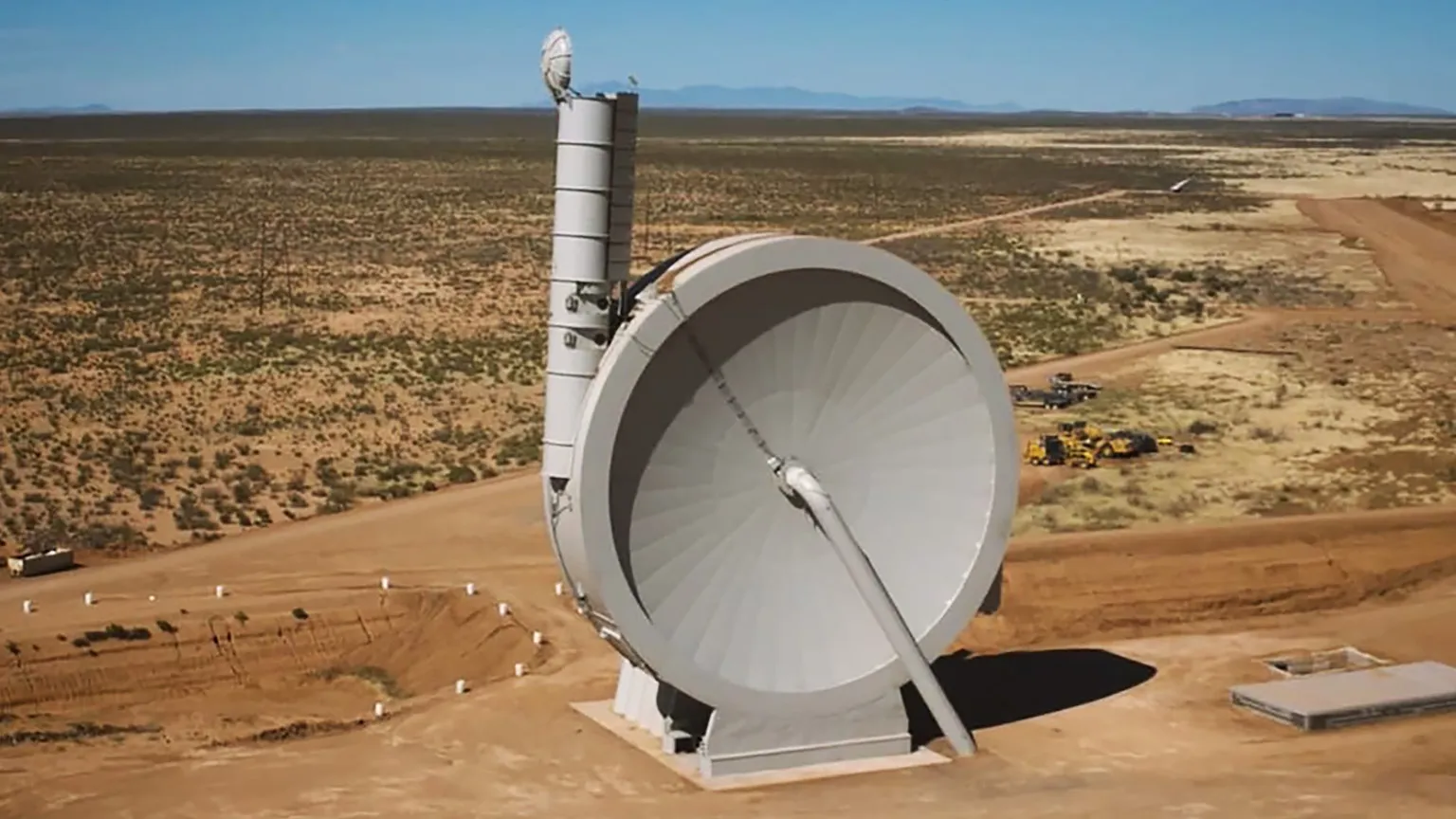
SpinLaunch's Kinetic Launch System

SpinLaunch's Kinetic Launch System

How a California startup's massive centrifuge could transform space access by eliminating rocket fuel, reducing costs by 70%, and enabling daily satellite launches - if it can overcome the physics of scaling from suborbital tests to orbital reality

X Report 10 Apr 2025

X Report 10 Apr 2025

SpaceX gears up for multiple Falcon 9 launches, amidst challenges from Project Kuiper and environmental concerns.

X Report 15 May 2025

X Report 15 May 2025

SpaceX successfully launched 28 Starlink satellites from Cape Canaveral, while Starship prepares for its ninth test flight next week.

Space Force Requests $1.6B for New LEO Relay Network | KeepTrack Space Brief

Space Force Requests $1.6B for New LEO Relay Network | KeepTrack Space Brief

Space Force scraps SDA transport layer, requests $1.6 billion for proliferated LEO SATCOM constellation. Roger Mason nominated to lead NRO.

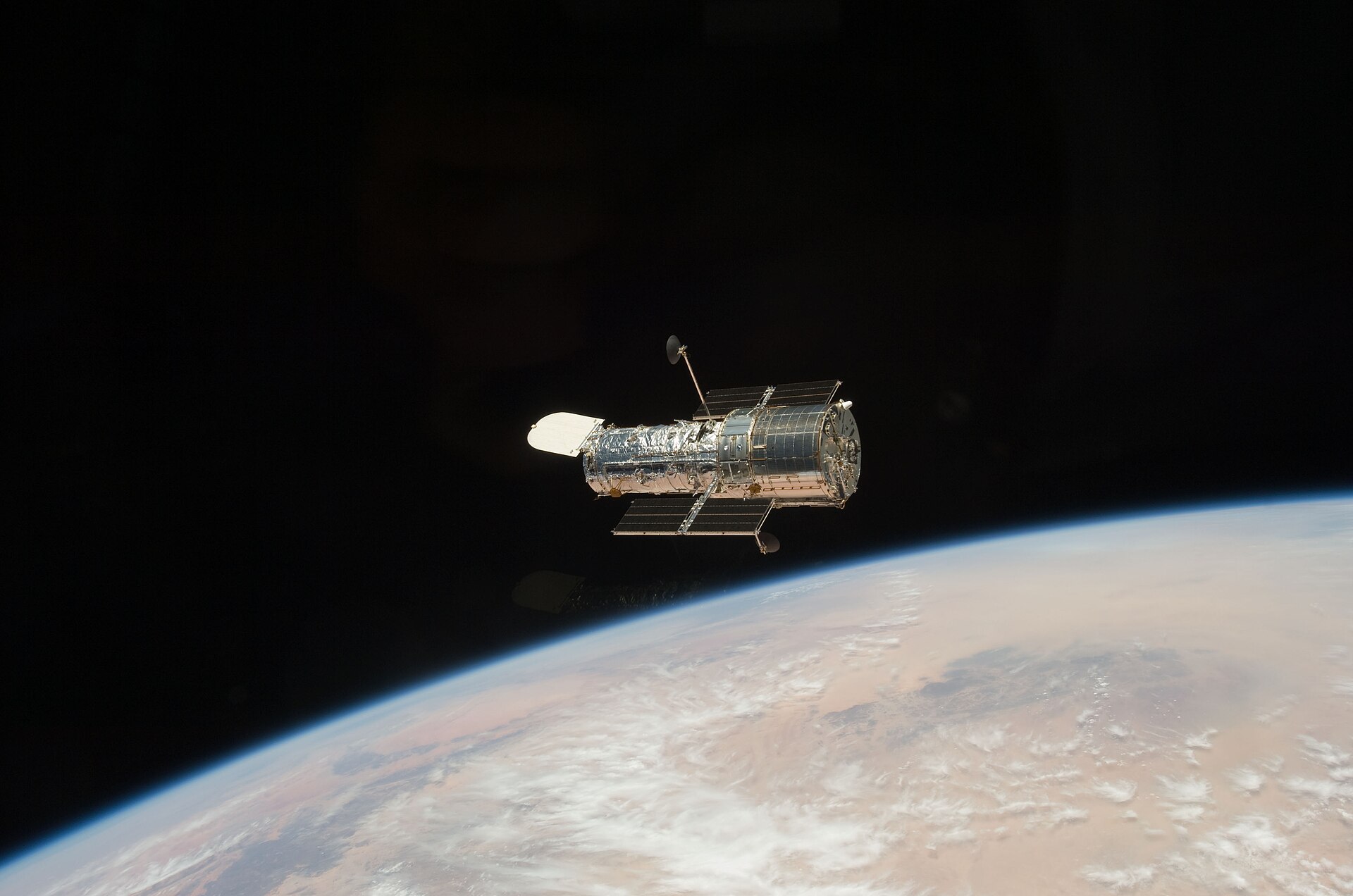
The Telescope That Needed Glasses

The Telescope That Needed Glasses

On April 25, 1990, the Space Shuttle Discovery's robotic arm lifted a 11,110-kilogram barrel of mirrors and instruments out of the payload bay and released it into orbit. Six weeks later, the first images came back badly out of focus. The Hubble Space Telescope had been ground to the wrong prescription, and America had just spent $2.5 billion on what the press was calling a 'technoturkey.'

Space Force Cancels OCX GPS Ground System, Space Brief 21 Apr 2026

Space Force Cancels OCX GPS Ground System, Space Brief 21 Apr 2026

Space Force cancels the OCX GPS ground system after RTX failures and stands up a cislunar task force. SpaceX launches the 10th and final GPS III.

Optical Intersatellite Link (OISL)

The laser-based crosslinks that turn Starlink into a mesh, anchor the SDA Transport Layer, and just made their GPS debut on GPS III SV10 - quietly rewriting how data moves through space.

X Report 23 Feb 2025

X Report 23 Feb 2025

SpaceX faces a setback with a Falcon 9 upper stage reentry issue, while NASA selects SpaceX for a new mission. Starlink expansions continue with multiple satellite launches.