

Block 3 Starship Prep Accelerates at Starbase | KeepTrack X Report
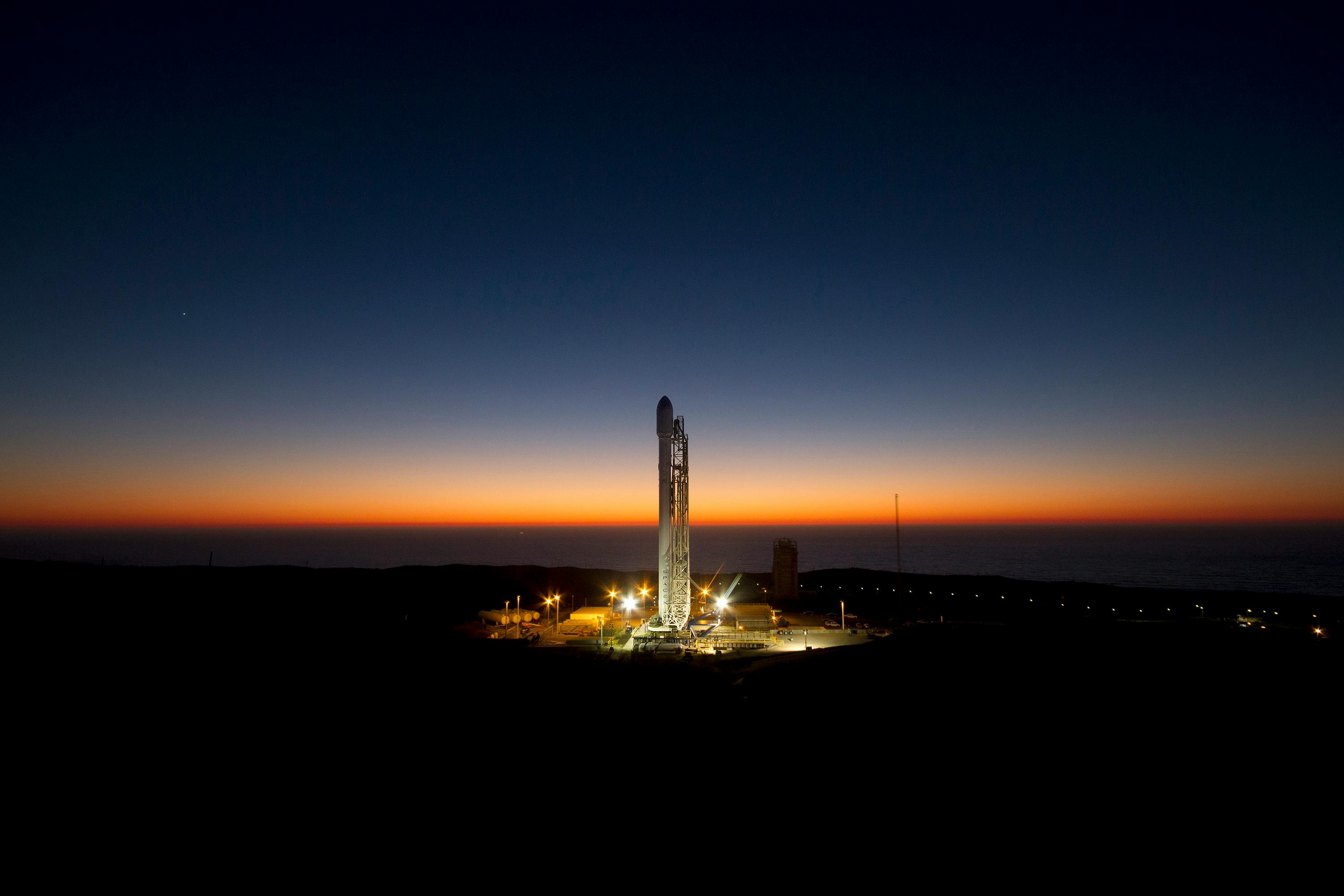
SpaceX accelerates Block 3 Starship pad work at Starbase as Russia preps Soyuz-5 debut alongside Falcon 9 internet satellite launches.



Launch Date
July 18, 2011
Launch Site
Launch Pad
LC45/1
Launch Vehicle
Zenit-3SLBF
NORAD ID
45622
International Designator
2011-037R
Decay Date
6/26/2024
Name
FREGAT DEB
Alternative Name
deb Fregat SBB
Type
Status
Owner
VVKOV
Country
Russia
Constellation
N/A
Related Satellites
Major Events
N/A
Length
0
Diameter
0
Span
0
Dry Mass
0
Launch Mass
0
Shape
N/A
Radar Cross Section
Unknown
Visual Magnitude
Unknown
Color
Unknown
Material Composition
Unknown
Payload
Unknown
Purpose
Unknown
Mission
Unknown
Manufacturer
NPOLO
Life Expectancy
Unknown
Bus
Unknown
Configuration
Unknown
Motor
Unknown
Equipment
Unknown
Power System
Unknown
ADCS
Unknown
Transmitter Frequency
Unknown
Learn more about satellites and other related topics.
SpaceX accelerates Block 3 Starship pad work at Starbase as Russia preps Soyuz-5 debut alongside Falcon 9 internet satellite launches.

China's Tianlong-3 rocket failed during ascent on debut launch Friday. SpaceX secured $178.5M Space Force contract for missile tracking satellite launches beginning 2027.

ESA's Proba-3 spacecraft lost contact last month, grounding the dual-satellite solar eclipse mission. Formation flying between both craft is critical for coronagraph science.

Starbase expansion progresses and Germany eyes its own satellite constellation.
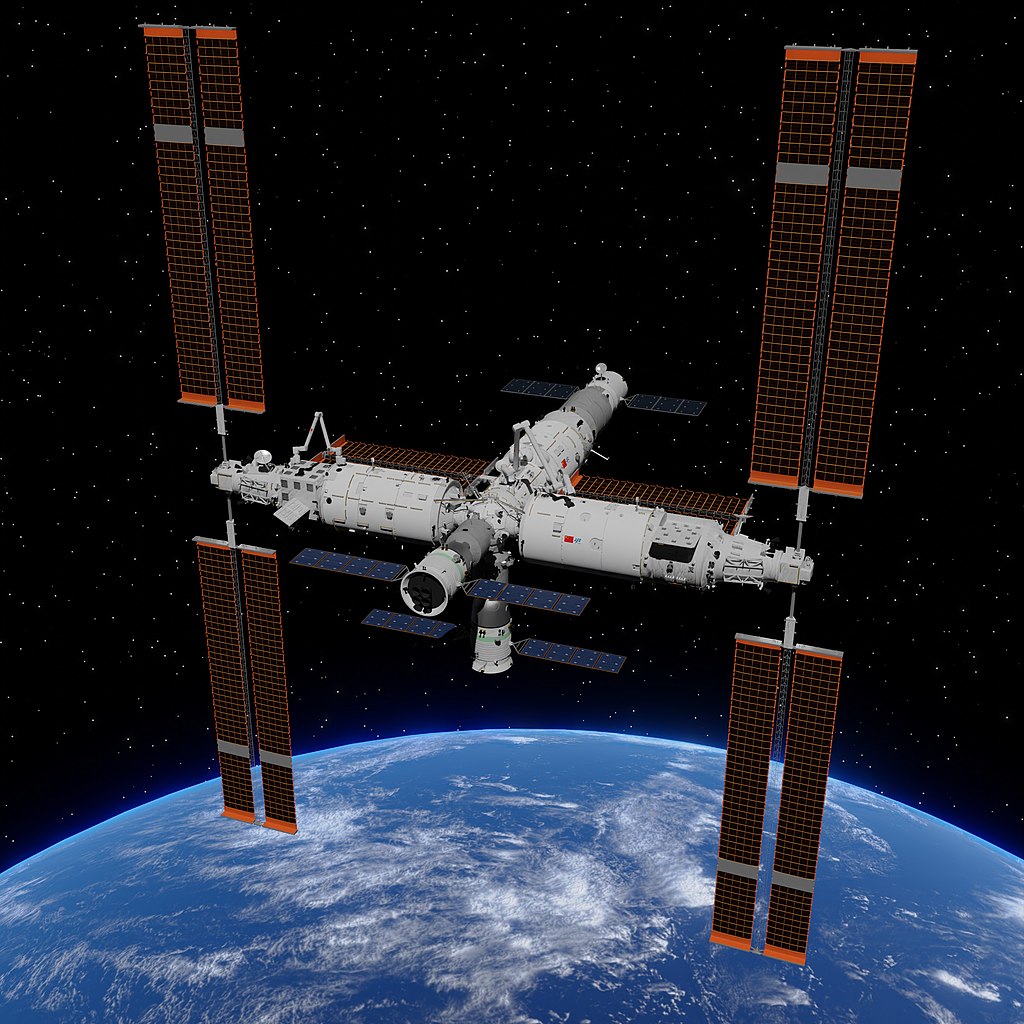
Today's briefing covers China's successful Shenzhou 19 launch to the Tiangong space station, NASA's upcoming spacewalks plan after a spacesuit issue, and innovative propulsion research for space journeys.
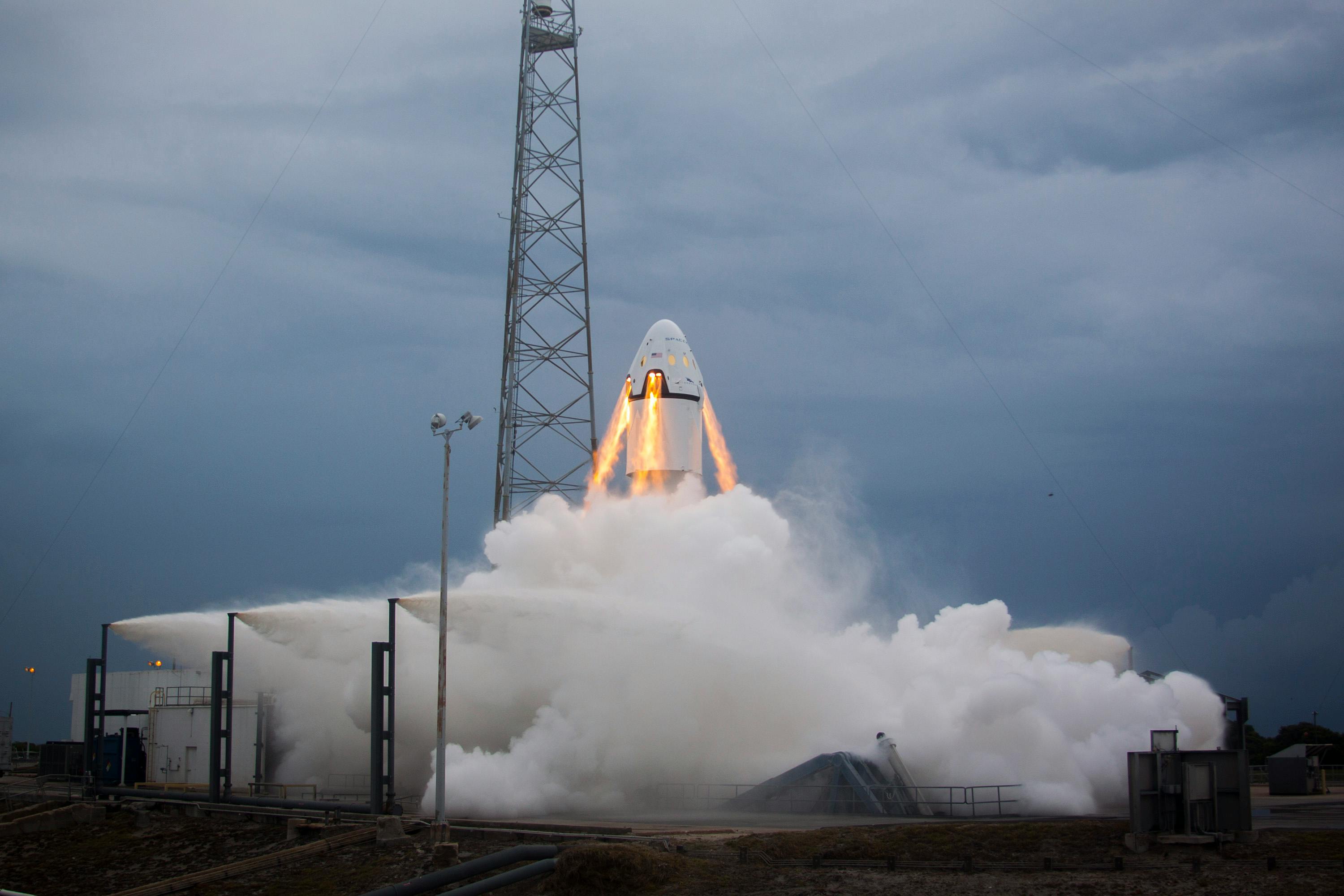
SpaceX gears up for its 11th Starship test flight, while Starlink expands connectivity through partnerships with T-Mobile, enhancing app functionality beyond cellular coverage.
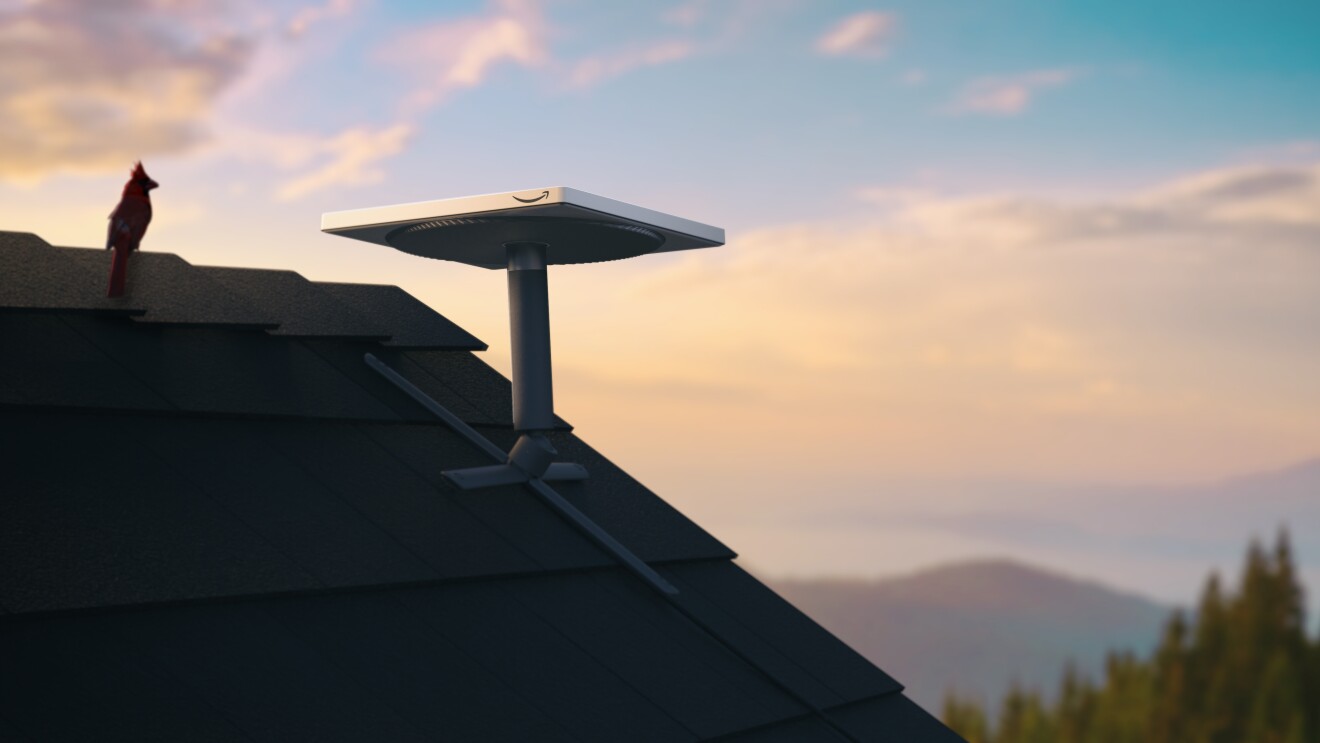
Today's brief highlights significant advancements in satellite launches, new defense contracts, and technological integrations between major firms in the space sector.
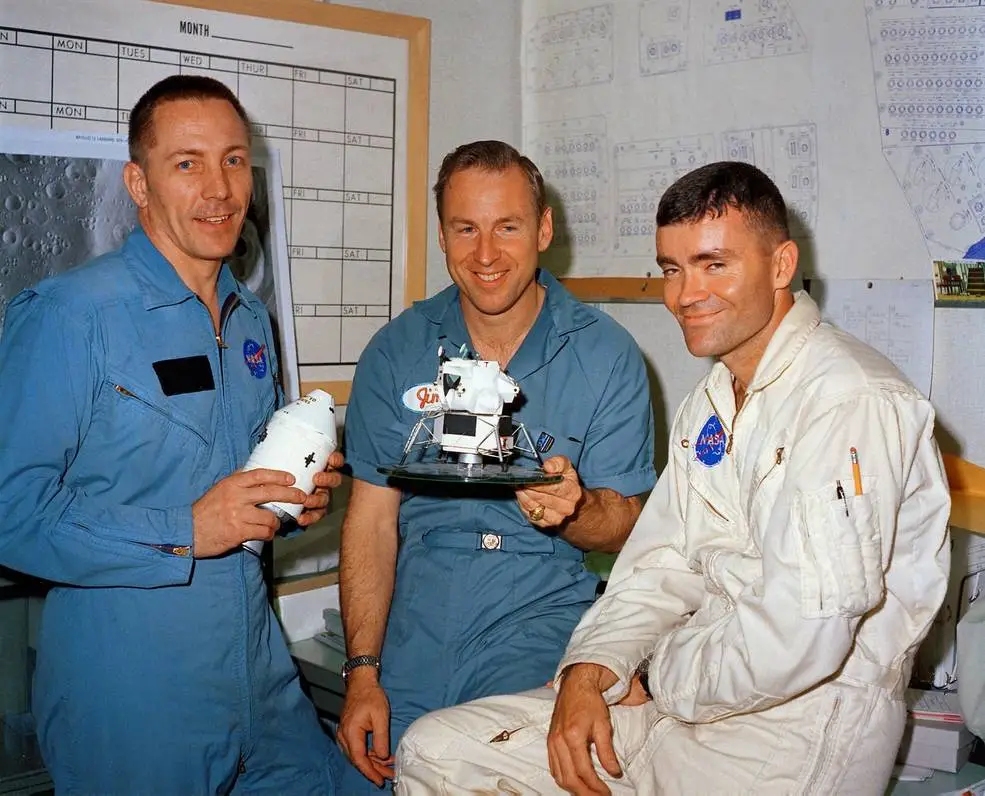
An overlooked thermostat, eight hours of overheating on a Florida launch pad, and 200,000 miles of coasting through deep space. Then Oxygen Tank No. 2 tore itself apart, and three men had to figure out how to come home alive in a spacecraft designed to land on the Moon.