


Space Force Eyes Space Tugs, On-Orbit Refueling by 2030 | KeepTrack Space Brief
Space Force commits to operational space tugs and on-orbit refueling by 2030. New capabilities will complicate conjunction analysis for GEO and MEO satellite tracking.



Launch Date
April 22, 2020
Launch Site
Launch Pad
LC39A
Launch Vehicle
NORAD ID
45563
International Designator
2020-025AJ
Decay Date
9/25/2025
Name
STARLINK-1355
Alternative Name
Starlink 1355
Type
Status
Owner
SPXS
Country
United States
Constellation
N/A
Related Satellites
Major Events
N/A
Length
0.2
Diameter
2.8
Span
9
Dry Mass
248
Launch Mass
260
Shape
Box + pan
Radar Cross Section
Unknown
Visual Magnitude
Unknown
Color
Unknown
Material Composition
Unknown
Payload
Starlink V1.0-L6-33
Purpose
Communication
Mission
Communication
Manufacturer
SPXS
Life Expectancy
Unknown
Bus
Starlink
Configuration
Unknown
Motor
Krypton ion thrusters
Equipment
Ku/Ka-band payload (all), optical inter-satellite links (a few prototypes)
Power System
Solar arrays, batteries
ADCS
Unknown
Transmitter Frequency
Unknown
Learn more about satellites and other related topics.
Space Force commits to operational space tugs and on-orbit refueling by 2030. New capabilities will complicate conjunction analysis for GEO and MEO satellite tracking.
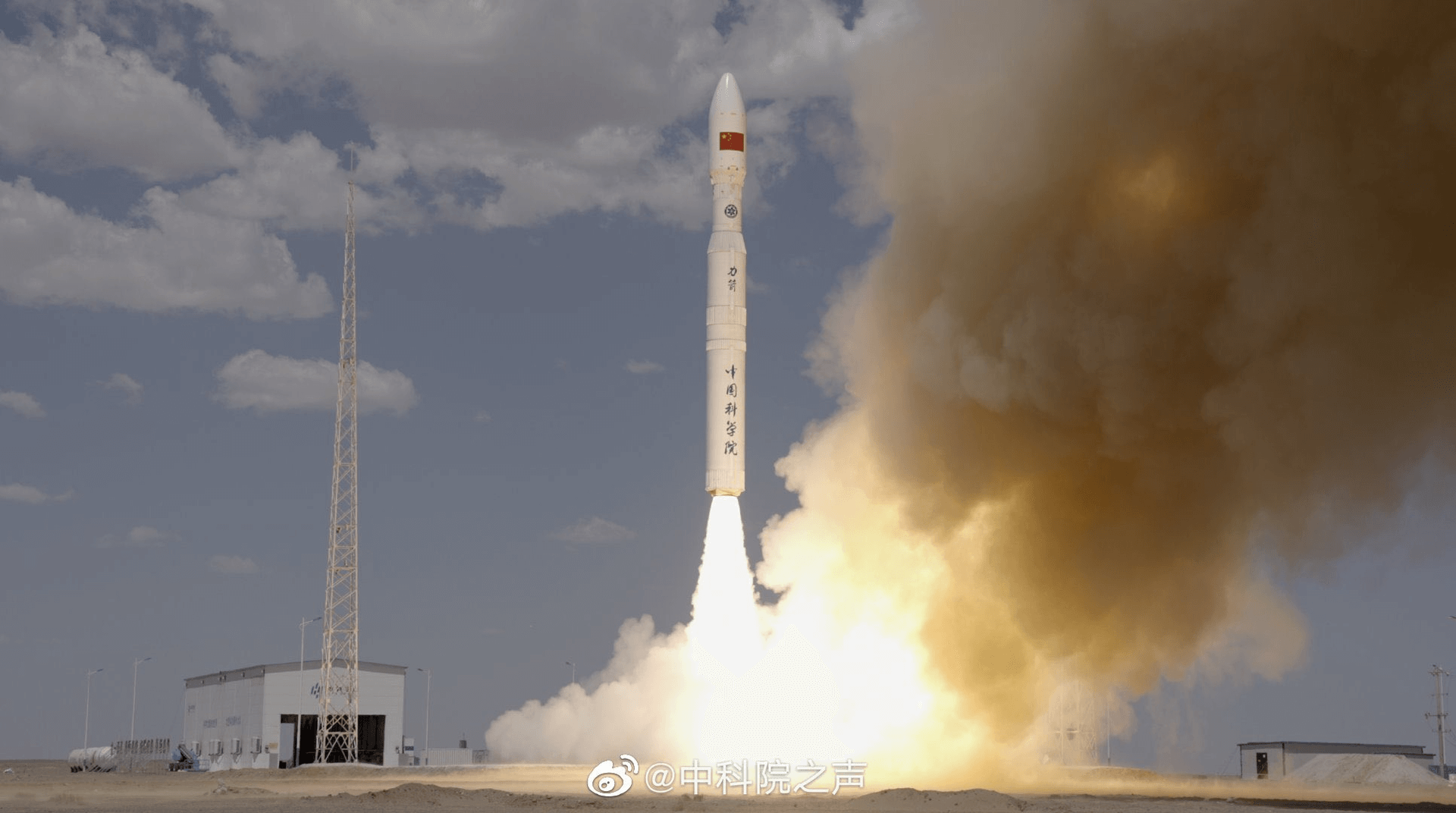
Today's brief highlights a nuclear battery startup's funding boost, advisory board additions in the space sector, and key military updates impacting space operations.
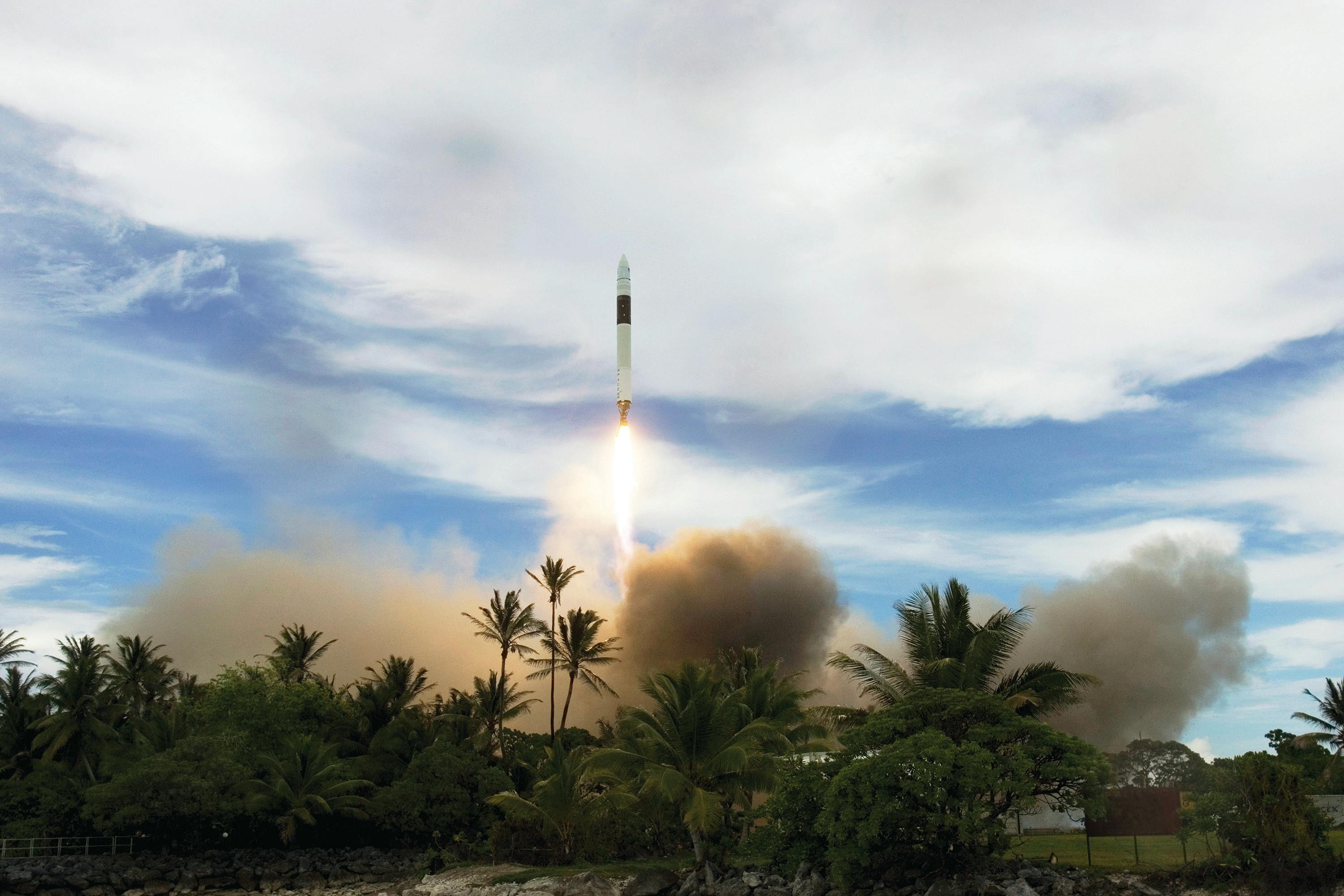
SpaceX prepares for sixth Starship flight, slated for mid-November, following successful fifth test in October.
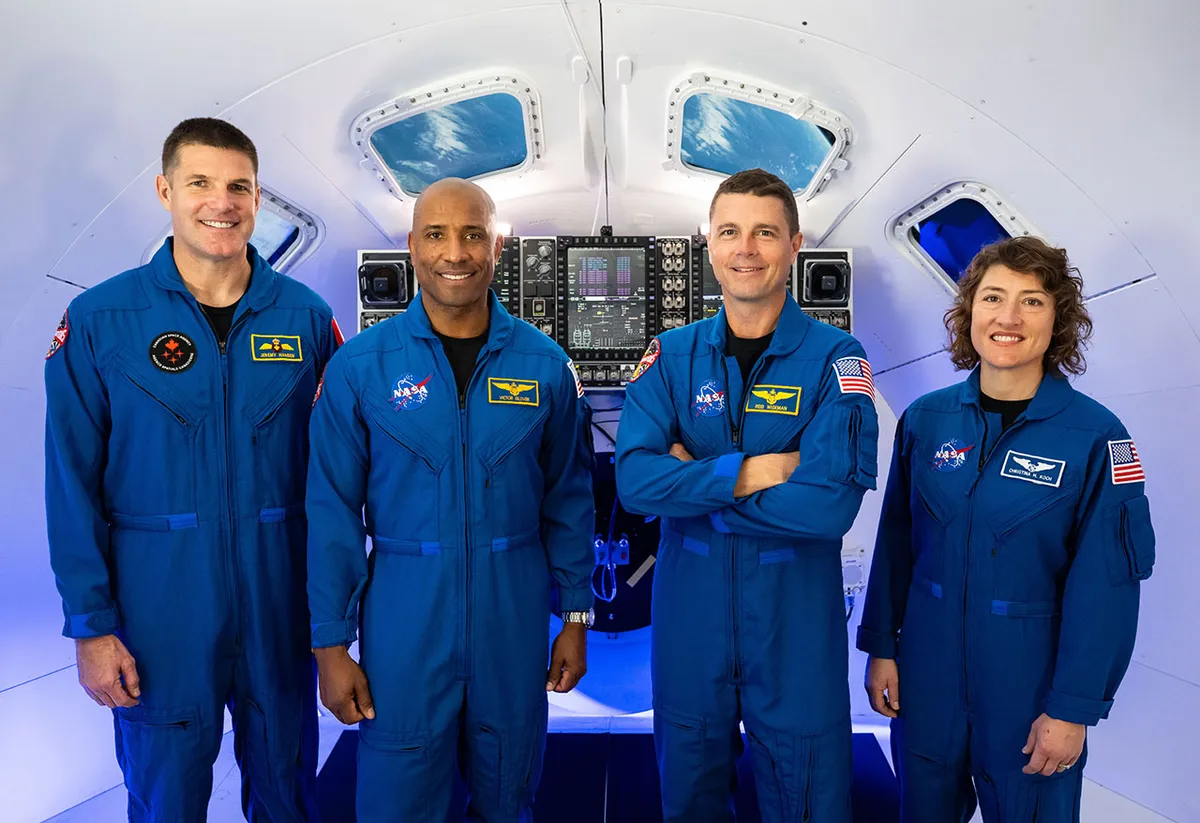
Four astronauts, a patched-together heat shield, and a $50 billion question: whether NASA can still send humans beyond low Earth orbit. Tomorrow, we find out.
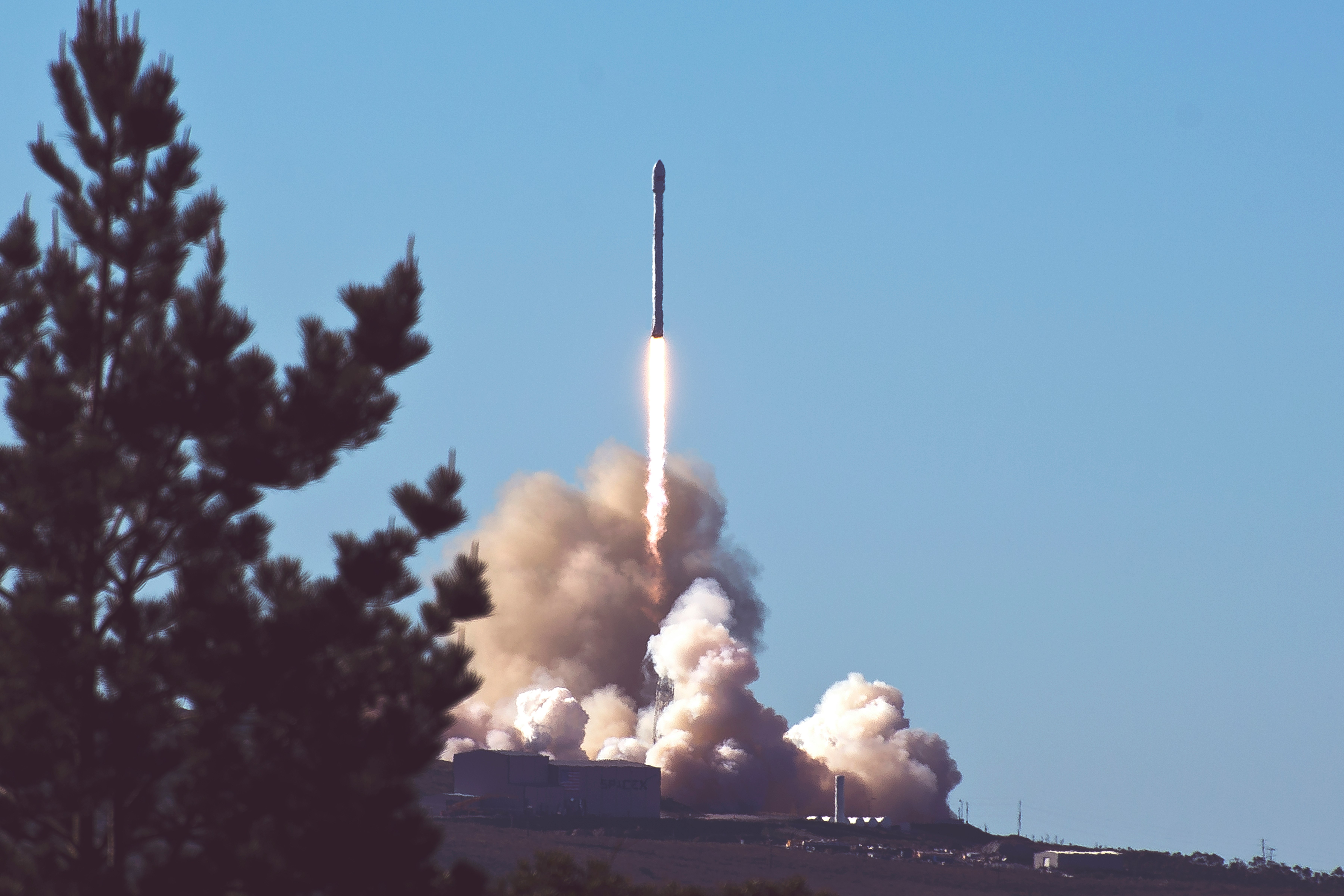
SpaceX successfully launched the Ax-4 private astronaut mission to the ISS while continuing its satellite deployment with 27 new Starlink satellites, amidst ongoing recovery efforts from the loss of Ship 36.

Pentagon's $50B Iran supplemental request signals major investment in missile defense and ISR satellites. Amazon reshuffles LEO government leadership amid Kuiper competition.
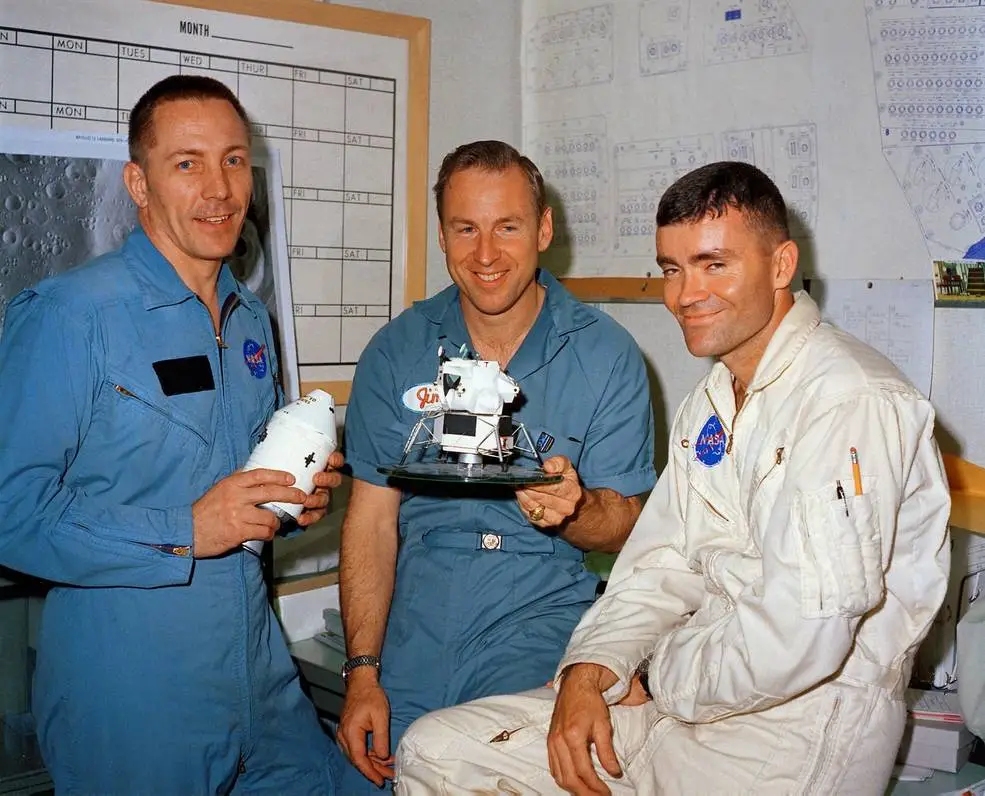
An overlooked thermostat, eight hours of overheating on a Florida launch pad, and 200,000 miles of coasting through deep space. Then Oxygen Tank No. 2 tore itself apart, and three men had to figure out how to come home alive in a spacecraft designed to land on the Moon.
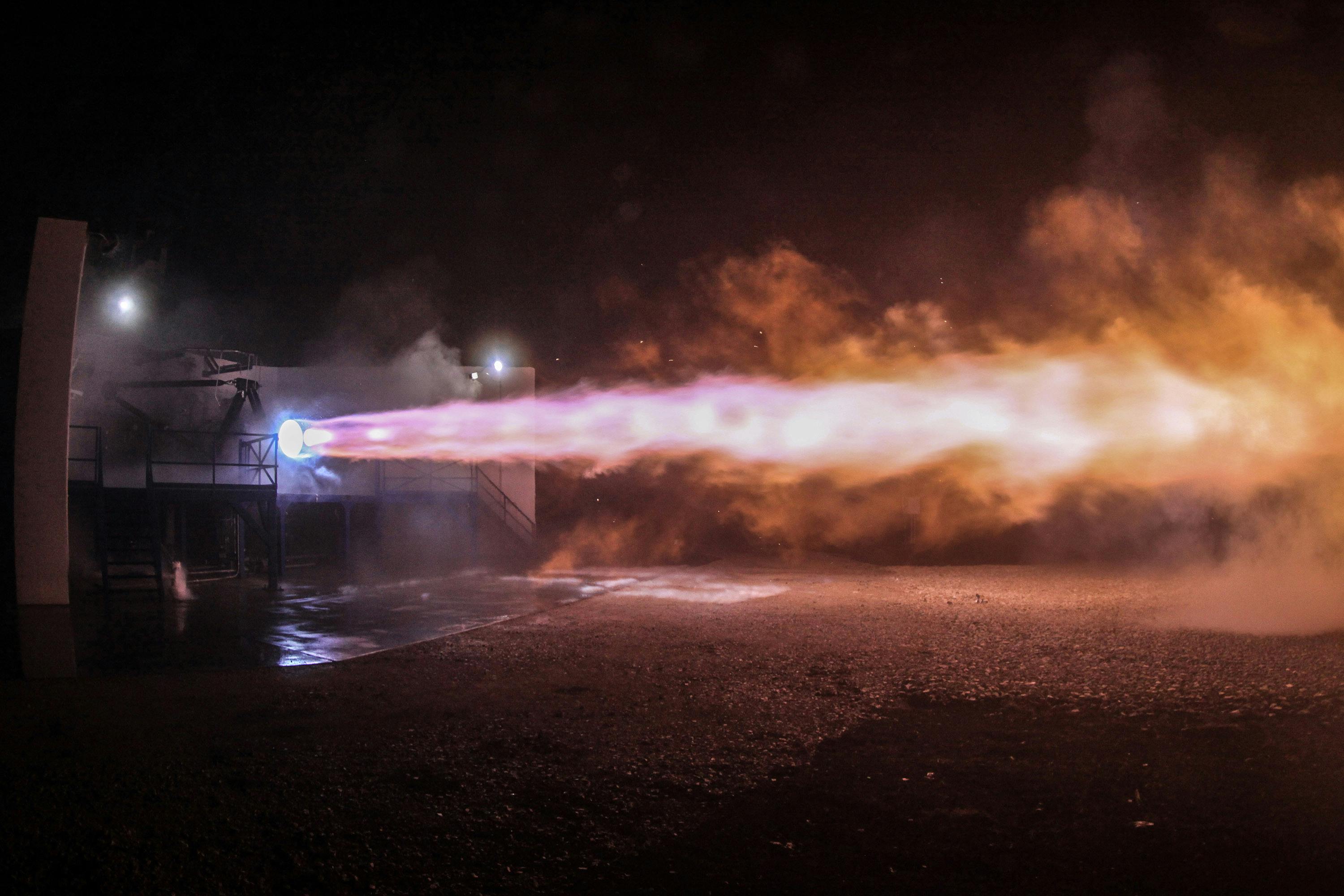
SpaceX pauses all Falcon 9 launches after upper stage anomaly during Starlink mission. Crew-12 astronaut launch may be affected. Booster 19 rolls out for cryogenic testing.