


2 Starshield Sats Fly on Rare Public Mission | KeepTrack X Report
SpaceX publicly confirmed 2 Starshield government satellites launched from Vandenberg on June 6, a rare disclosure for the classified Starlink variant.



Launch Date
April 22, 2020
Launch Site
Launch Pad
LC39A
Launch Vehicle
NORAD ID
45556
International Designator
2020-025AB
Decay Date
6/6/2025
Name
STARLINK-1334
Alternative Name
Starlink 1334
Type
Status
Owner
SPXS
Country
United States
Constellation
N/A
Related Satellites
Major Events
N/A
Length
0.2
Diameter
2.8
Span
9
Dry Mass
248
Launch Mass
260
Shape
Box + pan
Radar Cross Section
Unknown
Visual Magnitude
Unknown
Color
Unknown
Material Composition
Unknown
Payload
Starlink V1.0-L6-26
Purpose
Communication
Mission
Communication
Manufacturer
SPXS
Life Expectancy
Unknown
Bus
Starlink
Configuration
Unknown
Motor
Krypton ion thrusters
Equipment
Ku/Ka-band payload (all), optical inter-satellite links (a few prototypes)
Power System
Solar arrays, batteries
ADCS
Unknown
Transmitter Frequency
Unknown
Learn more about satellites and other related topics.
SpaceX publicly confirmed 2 Starshield government satellites launched from Vandenberg on June 6, a rare disclosure for the classified Starlink variant.
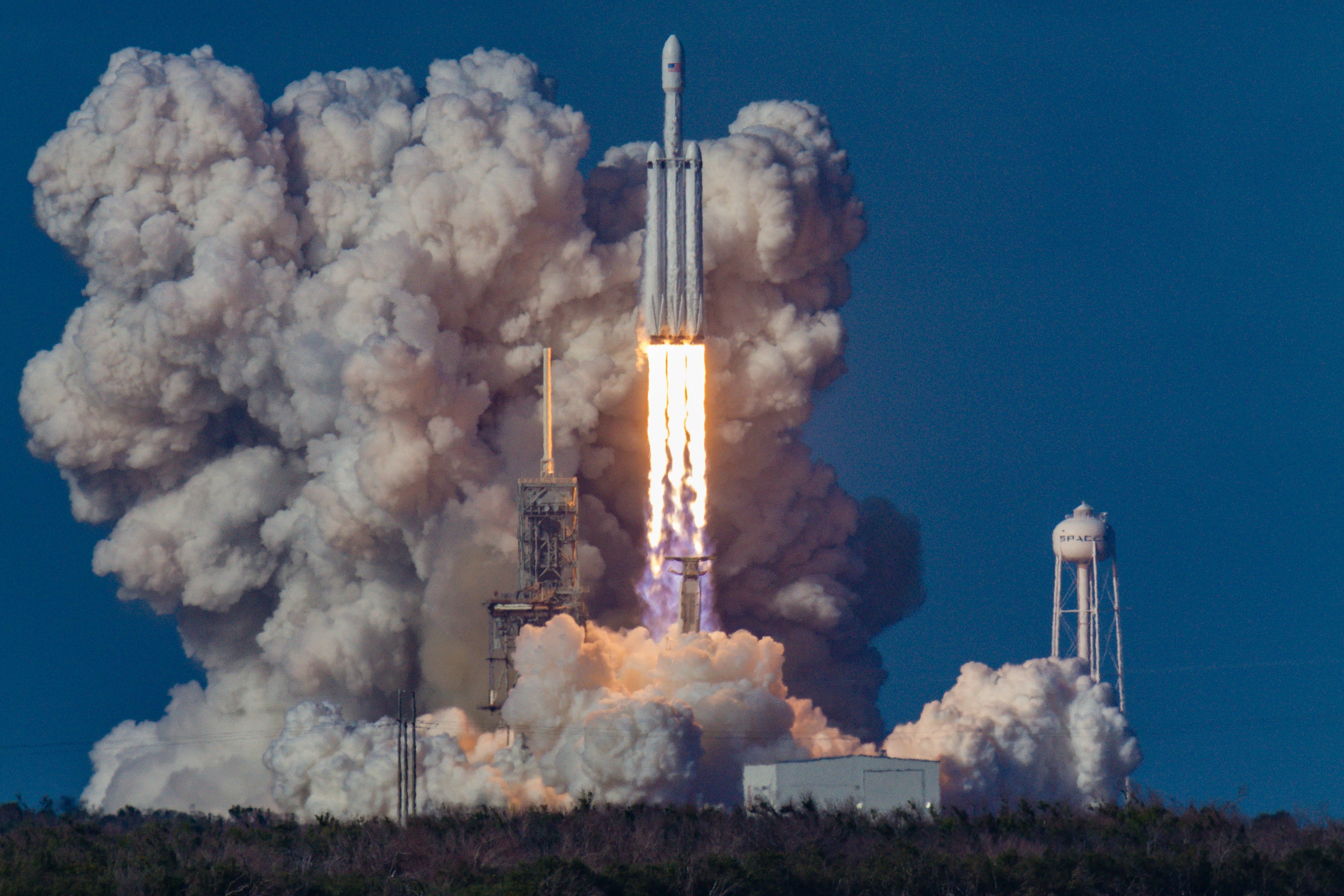
SpaceX achieves a remarkable milestone with its 50th Falcon 9 launch of 2025, while Starlink continues to expand, facing competition from China's megaconstellation efforts.
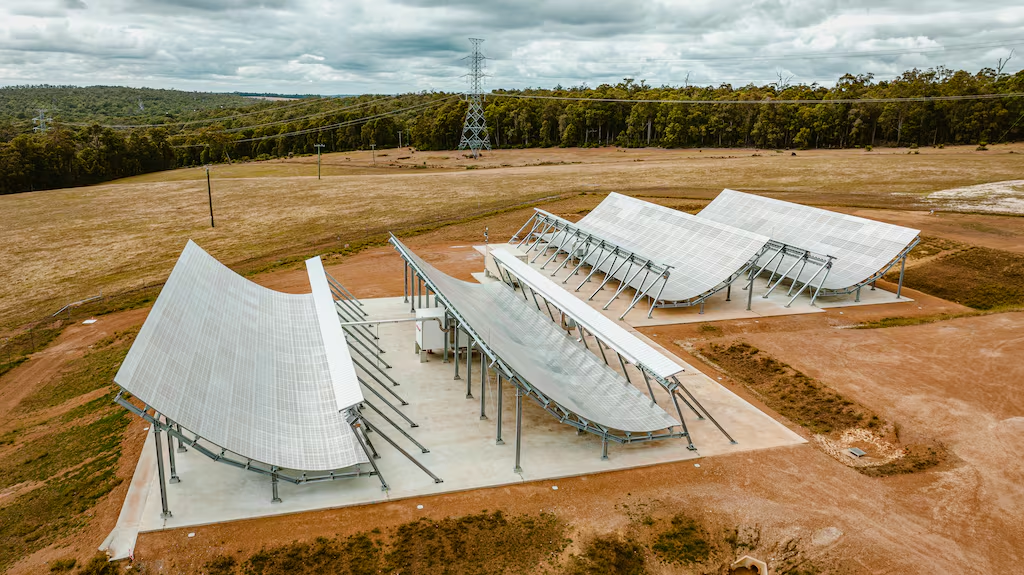
A startup built on Cold War-era radar science now tracks 25,000 objects in orbit - and the Pentagon can't get enough of it. But can its radars really compete with the Space Surveillance Network?

Today's highlights include SpaceX's record-breaking Falcon launches, urgent warnings about orbital collisions, and a doubleheader launch featuring spy and Starlink satellites.
Today's Space Brief delves into NASA's lunar nuclear power initiative, a strategic Army data integration project, and a rare SpaceX Falcon booster launch. Also covered are significant advancements in military satellite technology and Navy unmanned surface vehicles.

Today's highlights include the cancellation of Starship landing plans, Planet Labs' defense expansion, and cutting-edge radiation-hardened tech for space and defense.

Today's Space Brief covers a crucial weather data decision by the U.S. Defense Department, an innovative power supply for aerospace systems, advancements in satellite link technology, and Norway's maritime surveillance. AI/ML tools for airspace management and concerns about defense testing capabilities are also highlighted.
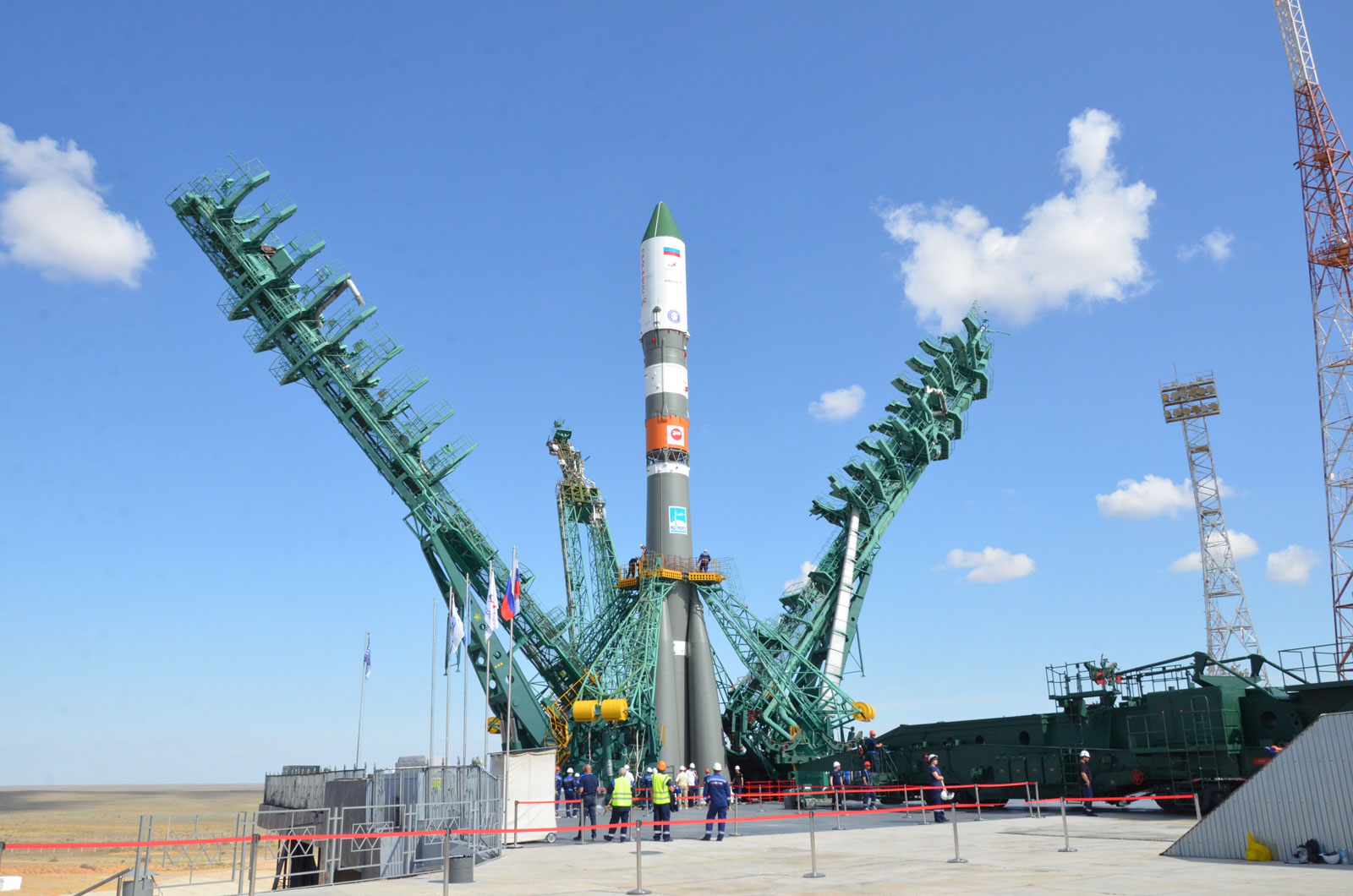
Today's brief highlights significant shifts in military space spending due to the Golden Dome program, the U.S. Space Force's advancements in tactical satellite communications, and NASA's race to nuclear power in space.