STARLINK-1350 (45535)

COSPAR: 2020-025E | Alt Name: Starlink 1350

Image
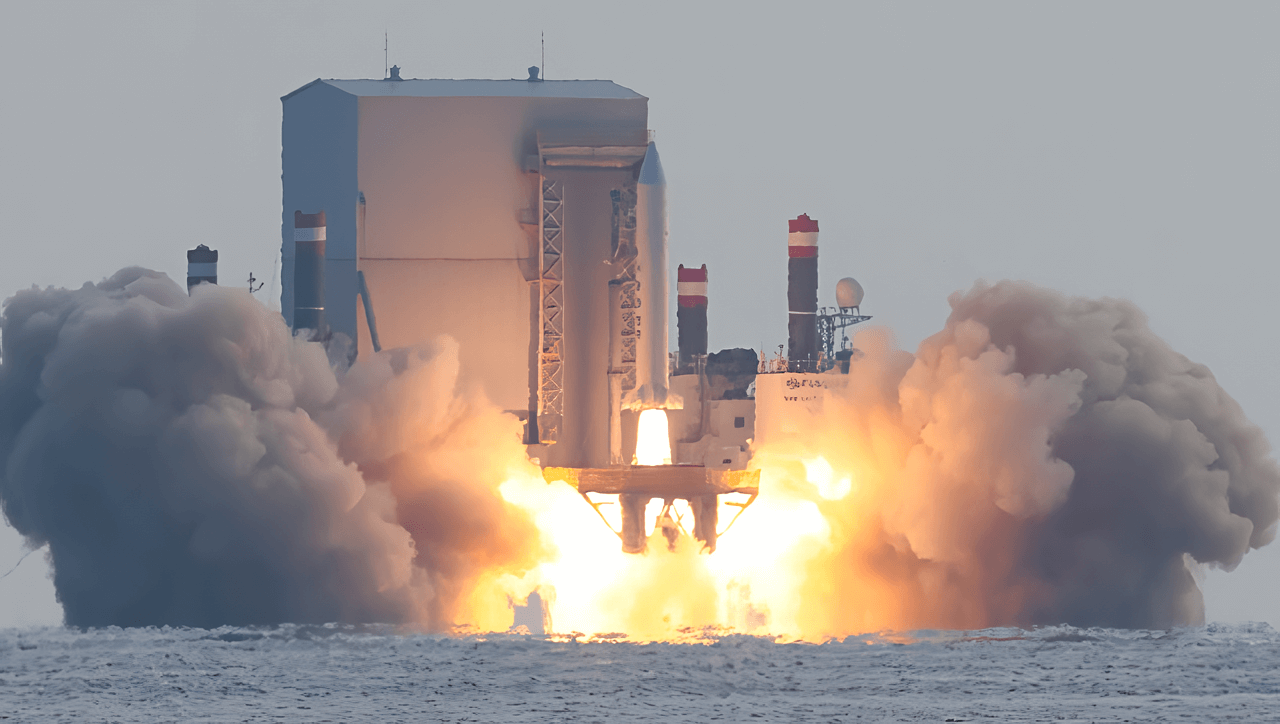
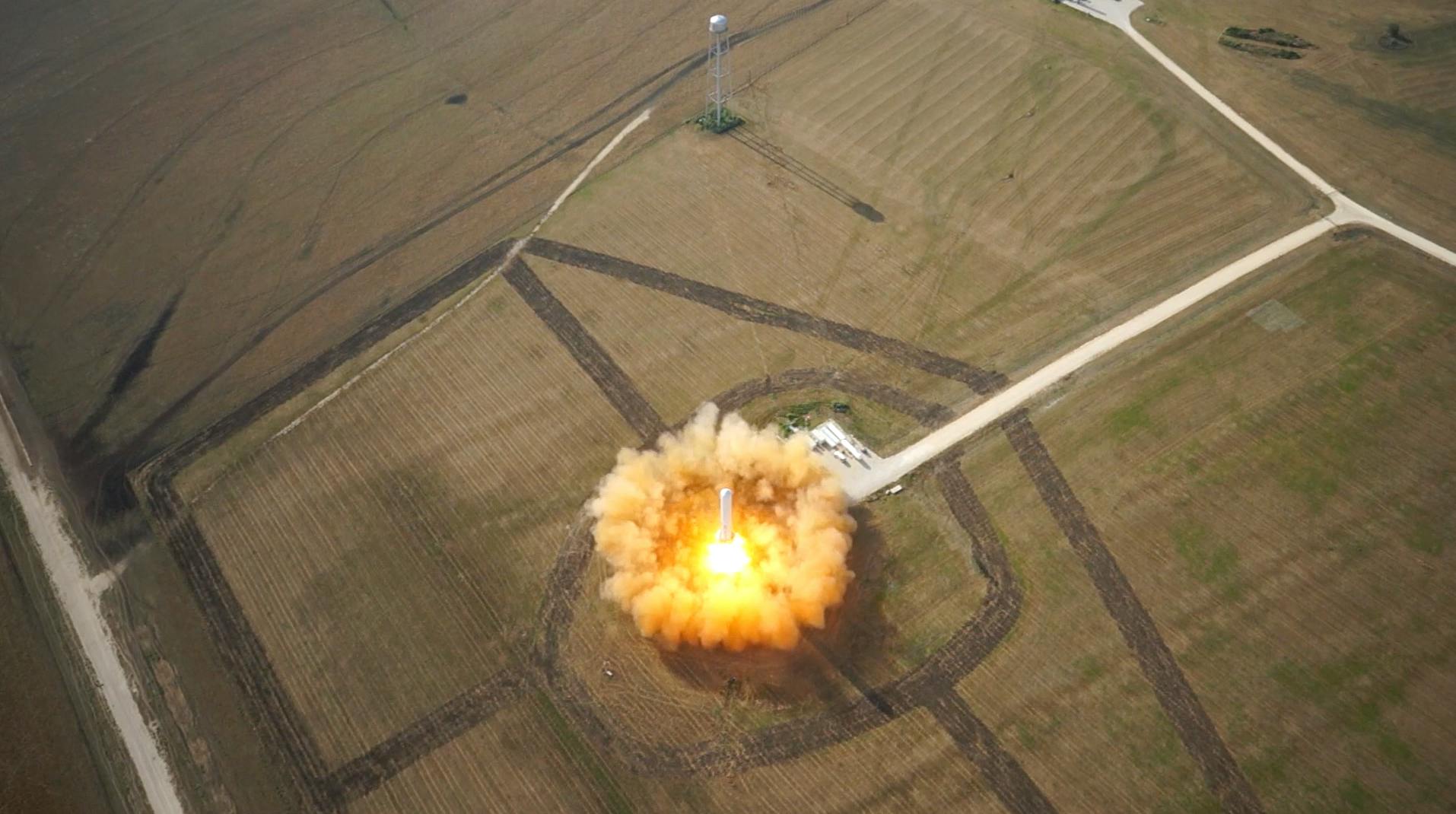
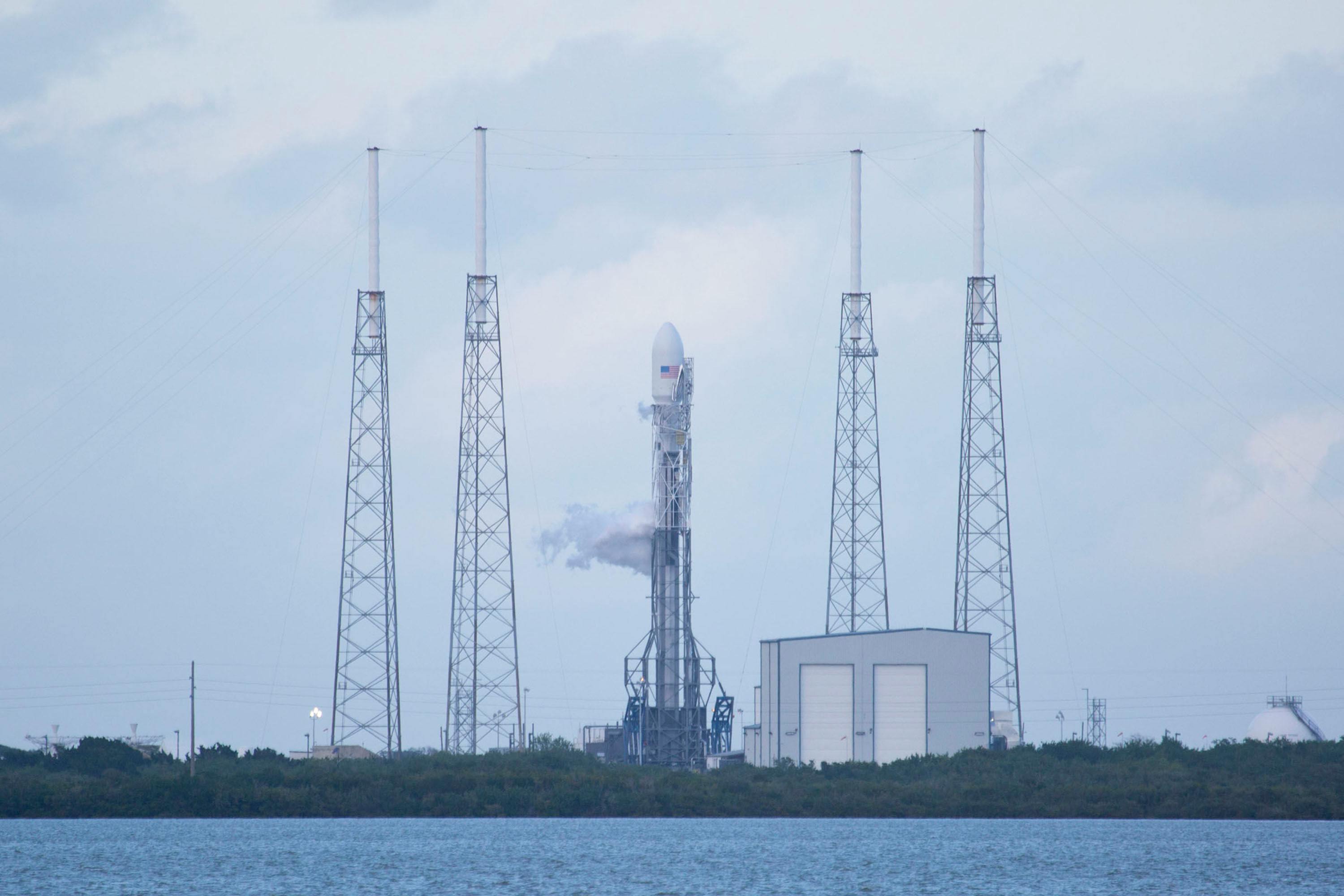
STARLINK-1350 Satellite Image
Additional Sources
Launch Details

Launch Date

April 22, 2020

Launch Pad

LC39A

Launch Vehicle

Falcon 9

Orbital Elements

NORAD ID

45535

International Designator

2020-025E

Epoch

Fri, 03 Jul 2026 18:07:02 GMT

Apogee

Calculating...

Perigee

Calculating...

Inclination

53.07°

Right Ascension

206.87°

Eccentricity

Calculating...

Argument of Perigee

50.52°

Period

93.54 min

Mean Motion

15.39 rev/day

Latitude

Calculating...

Longitude

Calculating...

Altitude

Calculating...

Velocity

Calculating...

Polar Plot
3D Visualization
Basic Satellite Info

Name

STARLINK-1350

Alternative Name

Starlink 1350

Type

Payload

Status

Partially operational

Owner

SPXS

Country

United States

Constellation

N/A

Related Satellites

Major Events

N/A

Latest TLEs
1 45535U 20025E   26184.75489465  .00053435  00000-0  13433-2 0  9996
2 45535  53.0695 206.8725 0001746  50.5223 309.5935 15.39461913344015

Source: Celestrak

Summary
STARLINK-1350, also known as Starlink 1350, is a communication satellite launched by SpaceX (SPXS) on April 22, 2020, from Kennedy Space Center's LC39A launch pad using the Falcon 9 rocket. The spacecraft has dimensions of 0.2 meters in length and 2.8 meters in diameter with a span of 9 meters. It has a dry mass of 248 kilograms and a launch mass of 260 kilograms. Equipped with a Ku/Ka-band payload, the satellite also features optical inter-satellite links (prototypes) for enhanced communication capabilities. Power is provided by solar arrays and batteries, while propulsion relies on krypton ion thrusters for orbital maneuvering. The mission's primary purpose is to support SpaceX’s global broadband internet constellation.

Starlink is a satellite constellation developed by SpaceX with the aim of providing global broadband internet coverage. Thousands of small satellites are deployed in low Earth orbit (LEO), enabling high-speed internet access even in remote areas. However, the rapid increase in satellites raises concerns about space debris and the potential for collisions, which can lead to further debris creation and endanger other spacecraft. Additionally, the sheer number of Starlink satellites can affect astronomical observations by increasing light pollution. Proper deorbiting plans and international coordination are essential to mitigate these challenges and ensure long-term sustainability in space.
Physical Characteristics

Length

0.2

Diameter

2.8

Span

9

Dry Mass

248

Launch Mass

260

Shape

Box + pan

Radar Cross Section

Unknown

Visual Magnitude

Unknown

Color

Unknown

Material Composition

Unknown

Technical Details

Payload

Starlink V1.0-L6-05

Purpose

Communication

Mission

Communication

Manufacturer

SPXS

Life Expectancy

Unknown

Bus

Starlink

Configuration

Unknown

Motor

Krypton ion thrusters

Equipment

Ku/Ka-band payload (all), optical inter-satellite links (a few prototypes)

Power System

Solar arrays, batteries

ADCS

Unknown

Transmitter Frequency

Unknown

Map
This tool will help you track the satellite's position and predict its upcoming passes over your location. Simply input the coordinates or click the geolocation button to get started.
Next Pass
Azimuth Elevation Time (Local)
Start Azimuth
Max Elevation
Stop Azimuth
Time Until
Pass Duration

Satellite Articles

View All Posts »

Learn more about satellites and other related topics.

SpaceX Launches 29 Starlink Satellites From Cape Canaveral | KeepTrack X Report

SpaceX Launches 29 Starlink Satellites From Cape Canaveral | KeepTrack X Report

SpaceX deploys 29 Starlink satellites from Cape Canaveral on the Starlink 6-100 mission. Falcon 9 lifted off at 6:31 p.m. EST continuing SpaceX's dominant satellite internet market position.
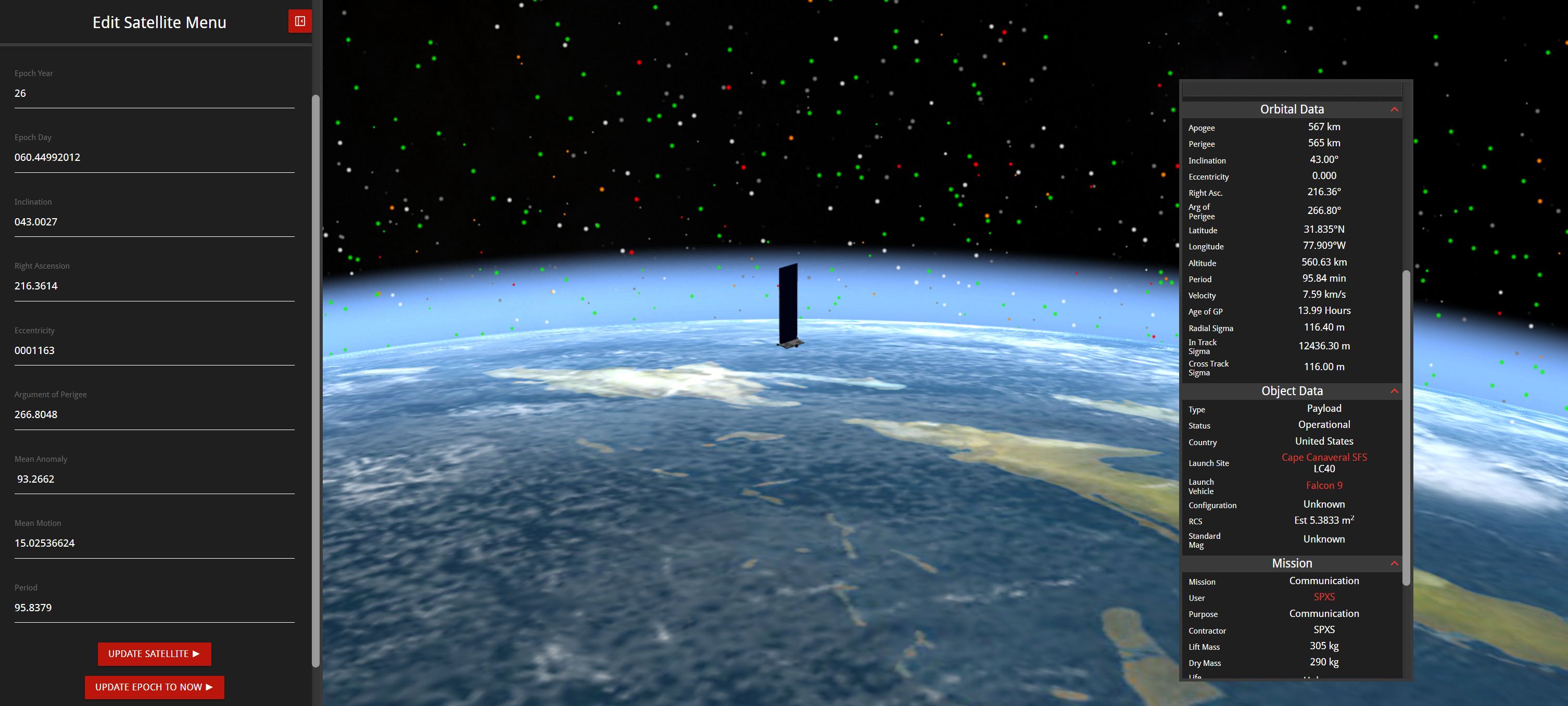
Two-Line Element Set (TLE)

Two-Line Element Set (TLE)

The compact data format that describes every tracked satellite orbit in just two lines of text, and how to read it

Space Force Eyes 1,000 Launches by 2031, New Site Required | KeepTrack Space Brief

Space Force Eyes 1,000 Launches by 2031, New Site Required | KeepTrack Space Brief

Space Force projects ~1,000 launches between FY2027–FY2031, averaging 200 annually. DAF study concludes new launch site is "probably" required to absorb cadence.

NASA Declares MAVEN Dead; Eastern Range Damage Assessment Underway | KeepTrack Space Brief

NASA Declares MAVEN Dead; Eastern Range Damage Assessment Underway | KeepTrack Space Brief

NASA officially ended the MAVEN Mars orbiter mission after months of radio silence following an anomaly. Space Force assessing Eastern Range damage from separate incident affecting launch cadence.

Space Brief 12 Jan 2025

Space Brief 12 Jan 2025

Today's briefing covers significant events including launch delays for SpaceX's Starship and Blue Origin's New Glenn, BepiColombo's landmark Mercury flyby, and the impact of Los Angeles fires on the space community.

X Report 29 Sep 2025

X Report 29 Sep 2025

In today's update, SpaceX successfully launched 28 Starlink satellites from Vandenberg, while Italy grapples with its satellite strategy amid rising reliance on Starlink services.

X Report 15 Apr 2025

X Report 15 Apr 2025

SpaceX sets a new rocket-reuse record and prepares for upcoming launches, maintaining the momentum in Starlink satellite deployments.

Falcon Heavy Returns After 18-Month Hiatus for ViaSat-3 | KeepTrack X Report

Falcon Heavy Returns After 18-Month Hiatus for ViaSat-3 | KeepTrack X Report

SpaceX's Falcon Heavy lifts off for the 12th time after 18 months grounded, delivering the final ViaSat-3 satellite from LC-39A at 10:21 a.m. EDT.