



Space Brief 1 Nov 2024
Today's update highlights Boeing's challenges with the Starliner, Europe's IRIS2 constellation advancement, China's CAS Space's global ambitions, and vivid new telescope images of cosmic events.


Launch Date
September 2, 2010
Launch Site
Launch Pad
LC81/24
Launch Vehicle
Proton-M/DM-2
NORAD ID
45498
International Designator
2010-041AU
Epoch
Sat, 06 Nov 2021 08:59:56 GMT
Apogee
Calculating...
Perigee
Calculating...
Inclination
64.79°
Right Ascension
346.96°
Eccentricity
Calculating...
Argument of Perigee
14.65°
Period
338.55 min
Mean Motion
4.25 rev/day
Latitude
Calculating...
Longitude
Calculating...
Altitude
Calculating...
Velocity
Calculating...
Name
SL-12 DEB
Alternative Name
deb DM2-118L SOZ-2
Type
Status
Owner
VVKOV
Country
Russia
Constellation
N/A
Related Satellites
Major Events
N/A
1 45498U 10041AU 21309.37496400 .00007025 00000-0 56061-2 0 9998
2 45498 64.7937 346.9637 5794604 14.6532 356.9075 4.25342580 51950
Source: Celestrak
Length
0
Diameter
0
Span
0
Dry Mass
0
Launch Mass
0
Shape
N/A
Radar Cross Section
Unknown
Visual Magnitude
Unknown
Color
Unknown
Material Composition
Unknown
Payload
Unknown
Purpose
Unknown
Mission
Unknown
Manufacturer
RKKE
Life Expectancy
Unknown
Bus
Unknown
Configuration
Unknown
Motor
Unknown
Equipment
Unknown
Power System
Unknown
ADCS
Unknown
Transmitter Frequency
Unknown
Learn more about satellites and other related topics.
Today's update highlights Boeing's challenges with the Starliner, Europe's IRIS2 constellation advancement, China's CAS Space's global ambitions, and vivid new telescope images of cosmic events.

Pentagon to order 30,000 attritable drones within days via Gauntlet competition. Meanwhile, Sierra Space closes $550M Series C funding round for national security spaceplane applications.
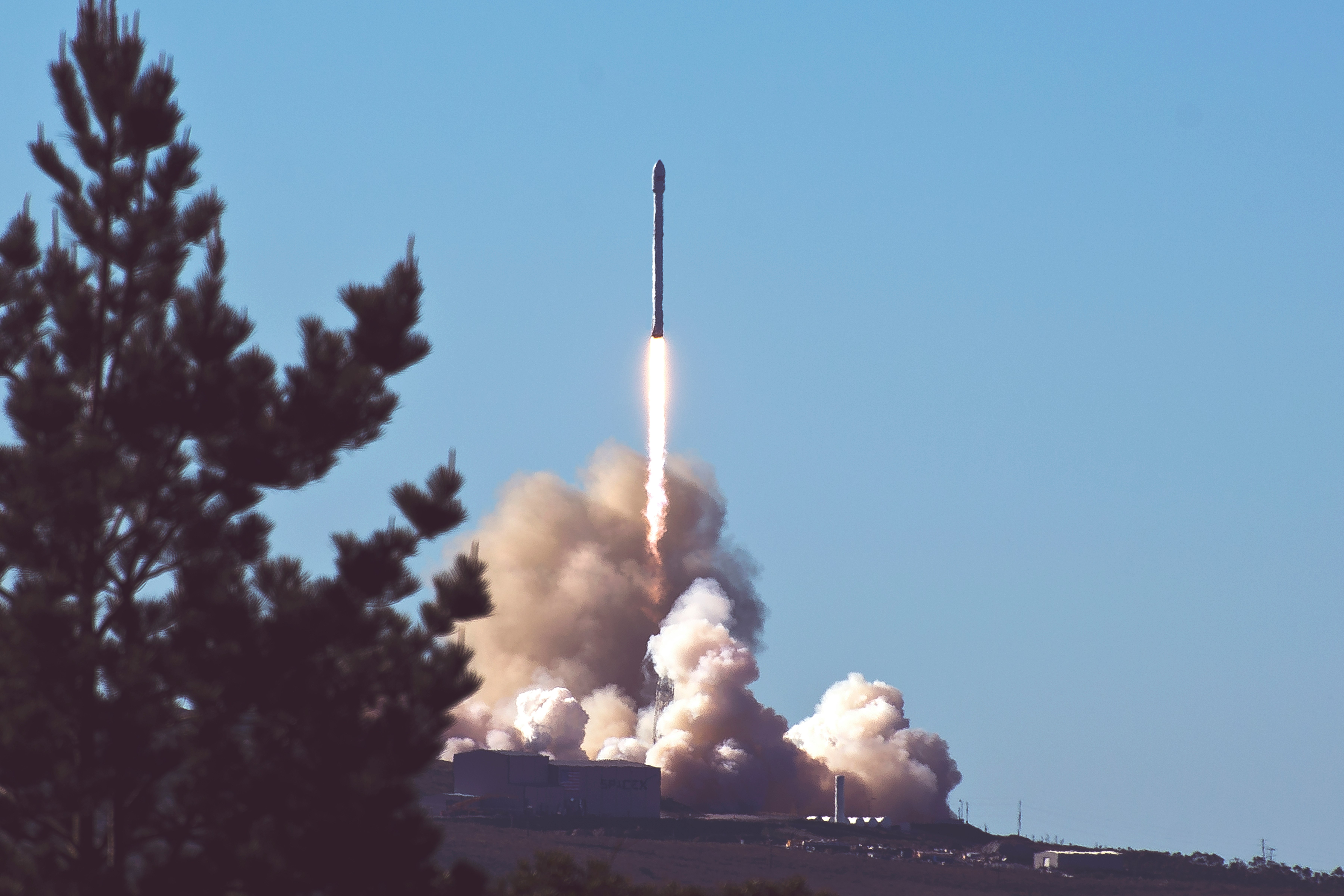
SpaceX officially names its planned AI megaconstellation Starmind while a Falcon 9 upper stage targets a lunar impact this August.
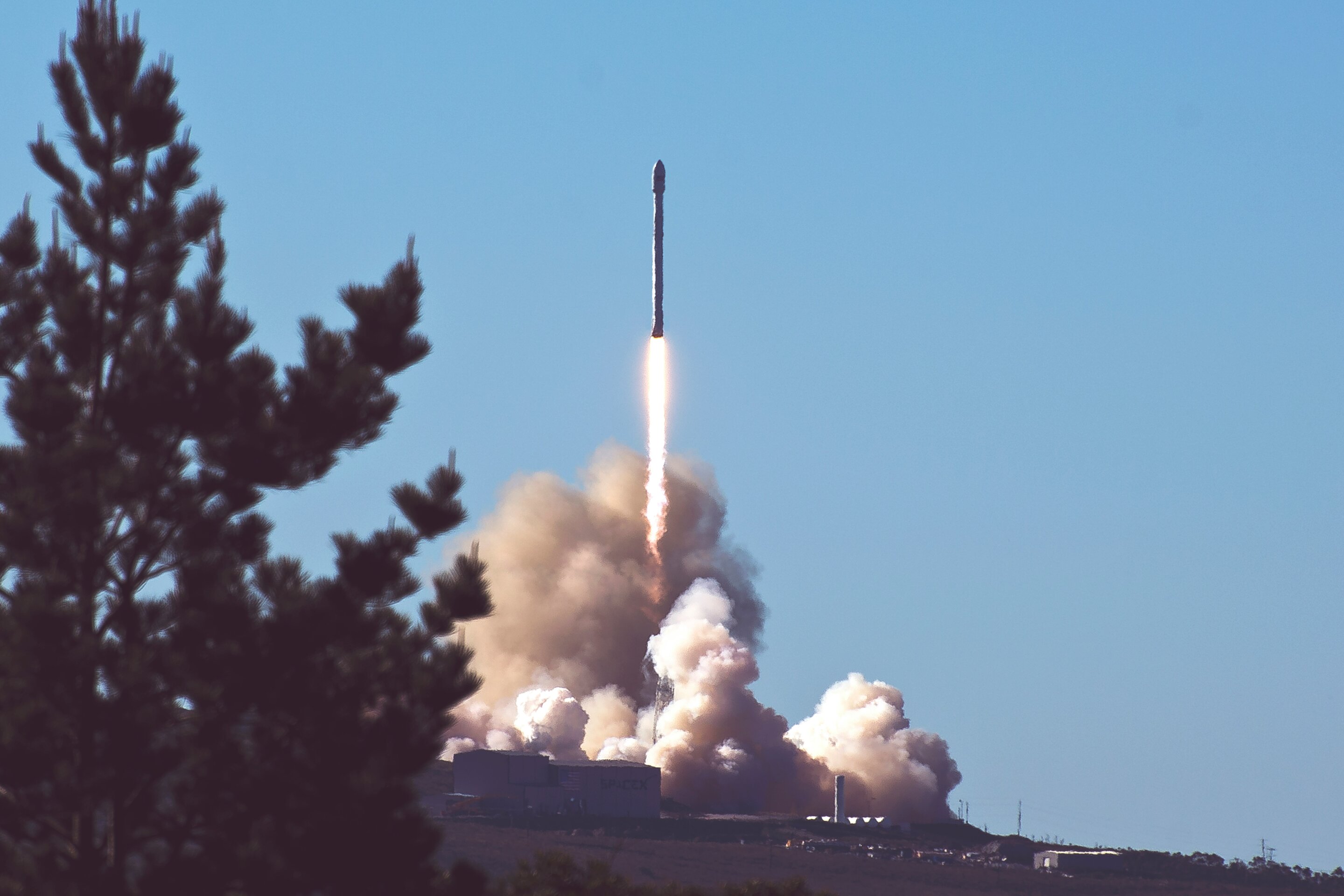
An exciting day in space with potential maneuver revelations from the X-37B, SpaceX's resumption of Falcon 9 launches, and significant advancements in lunar exploration tied to new U.S. spacesuits.
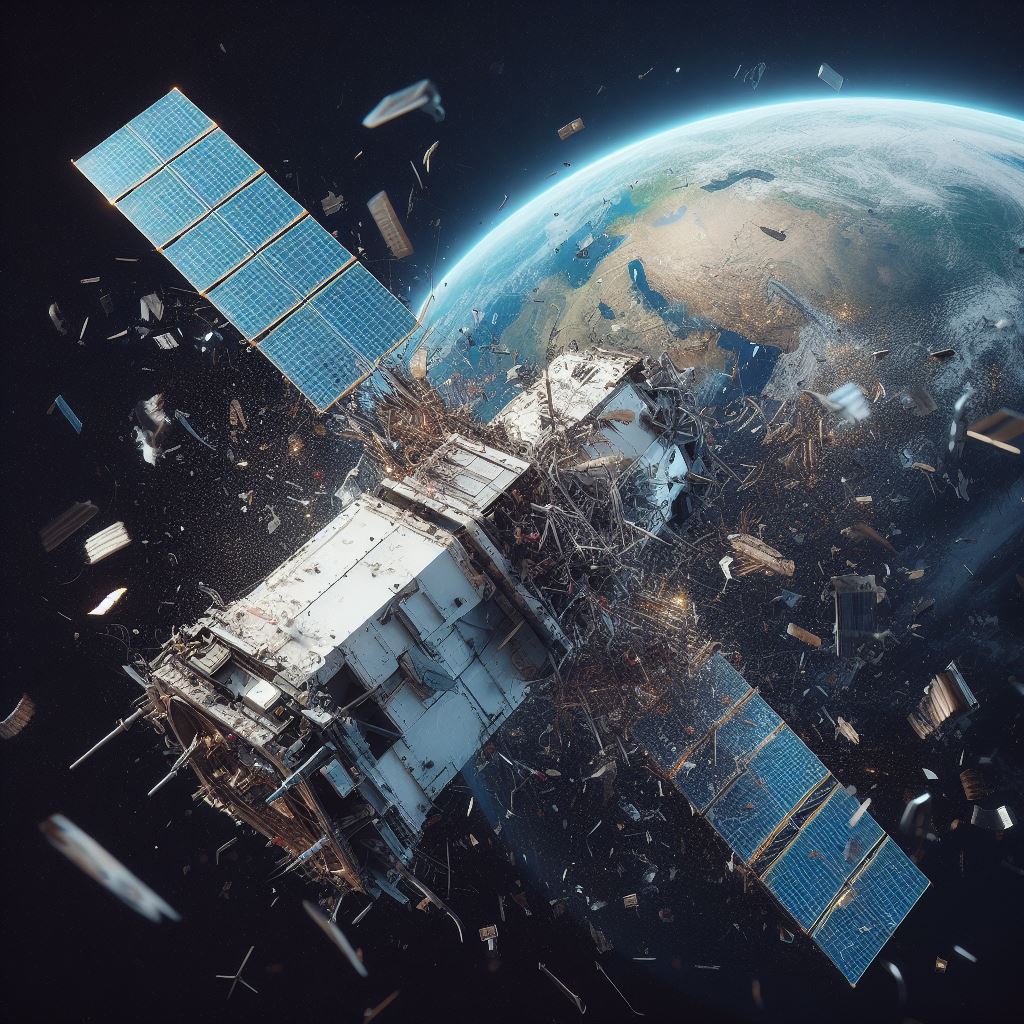
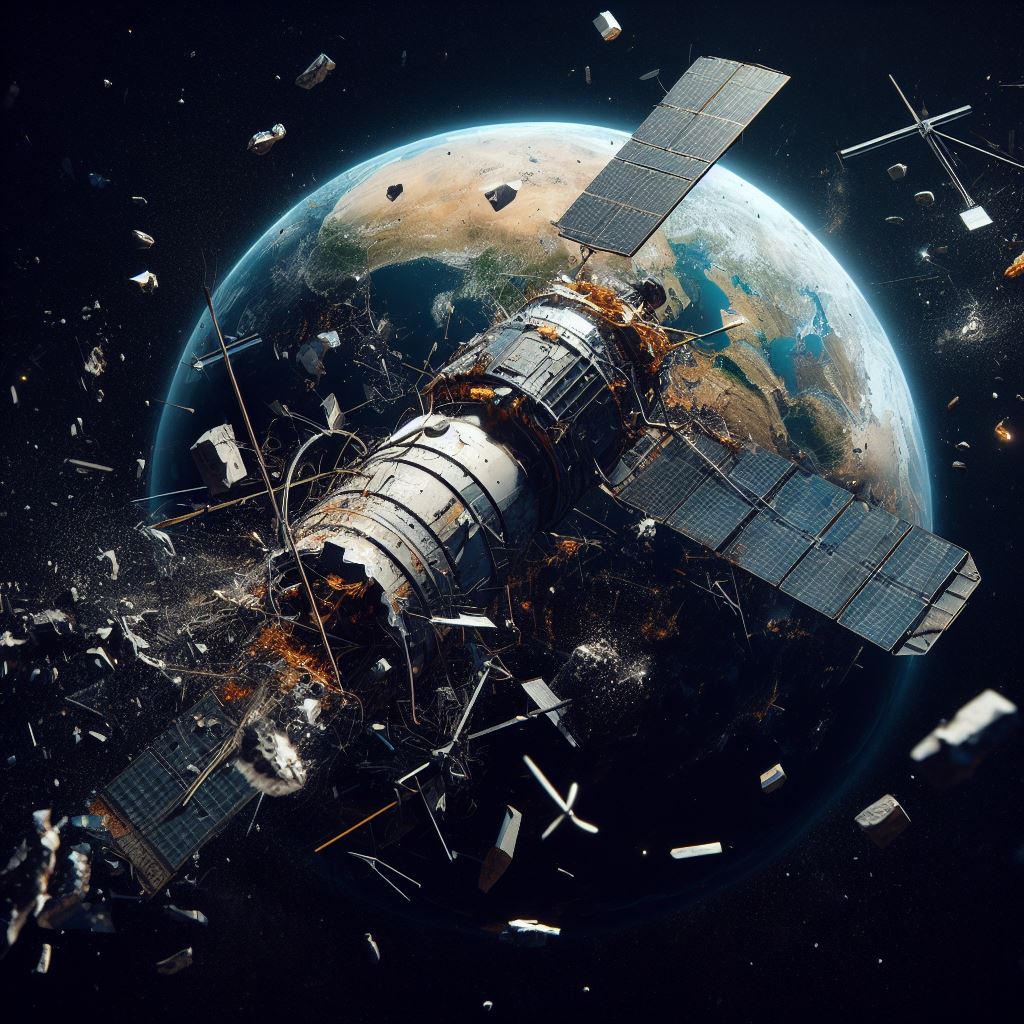
Space debris poses a mounting threat to both satellites and space missions. As we send more objects into orbit, the likelihood of collisions and subsequent breakups producing dangerous space debris increases. Recognizing the major events that have generated this dangerous space junk is pivotal in ensuring the safety of future space missions.
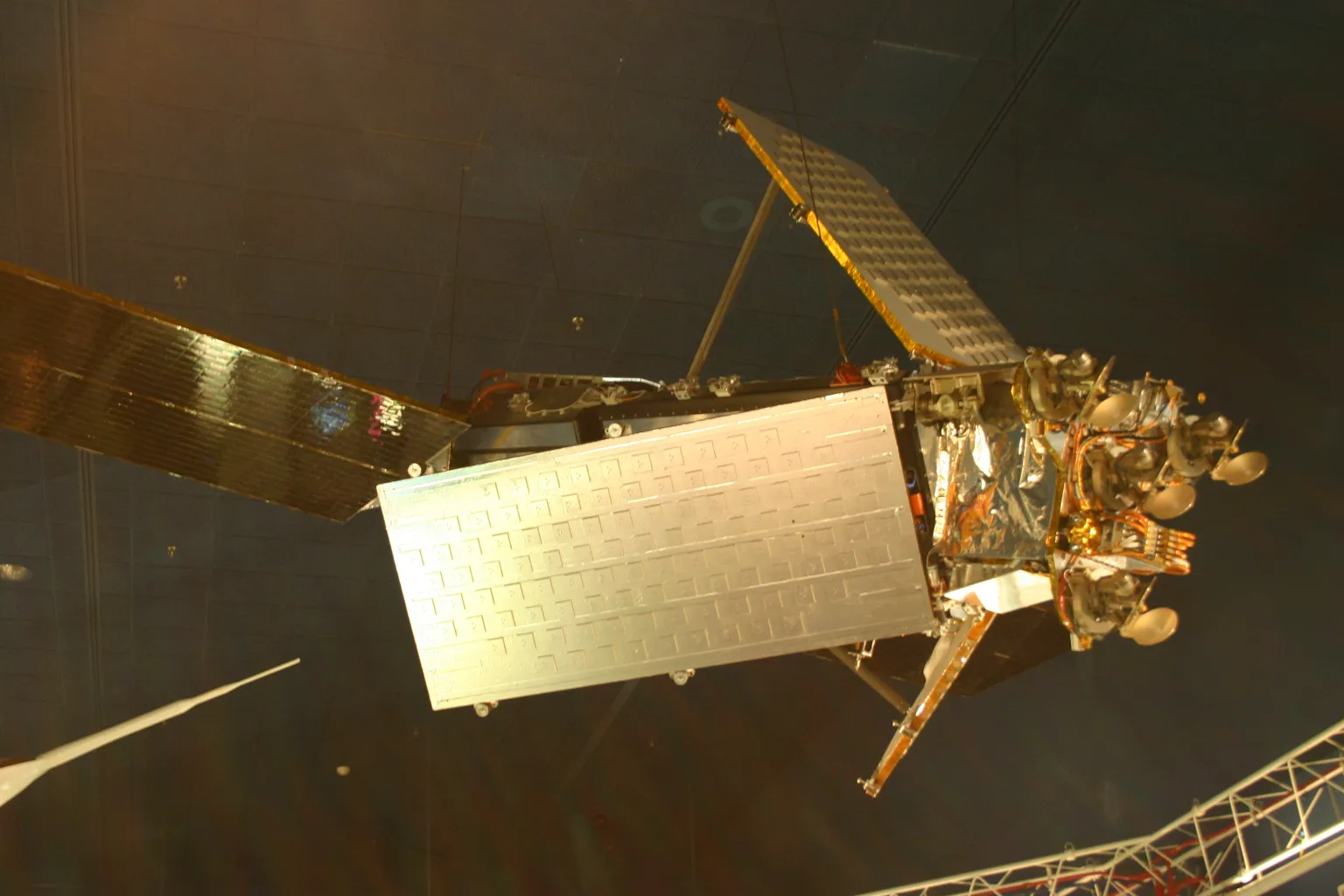
Seventeen years ago today, an operational American communications satellite and a dead Russian military relay crossed paths over Siberia. What happened next created more than 2,000 pieces of trackable debris - and fundamentally changed how the world thinks about space traffic.
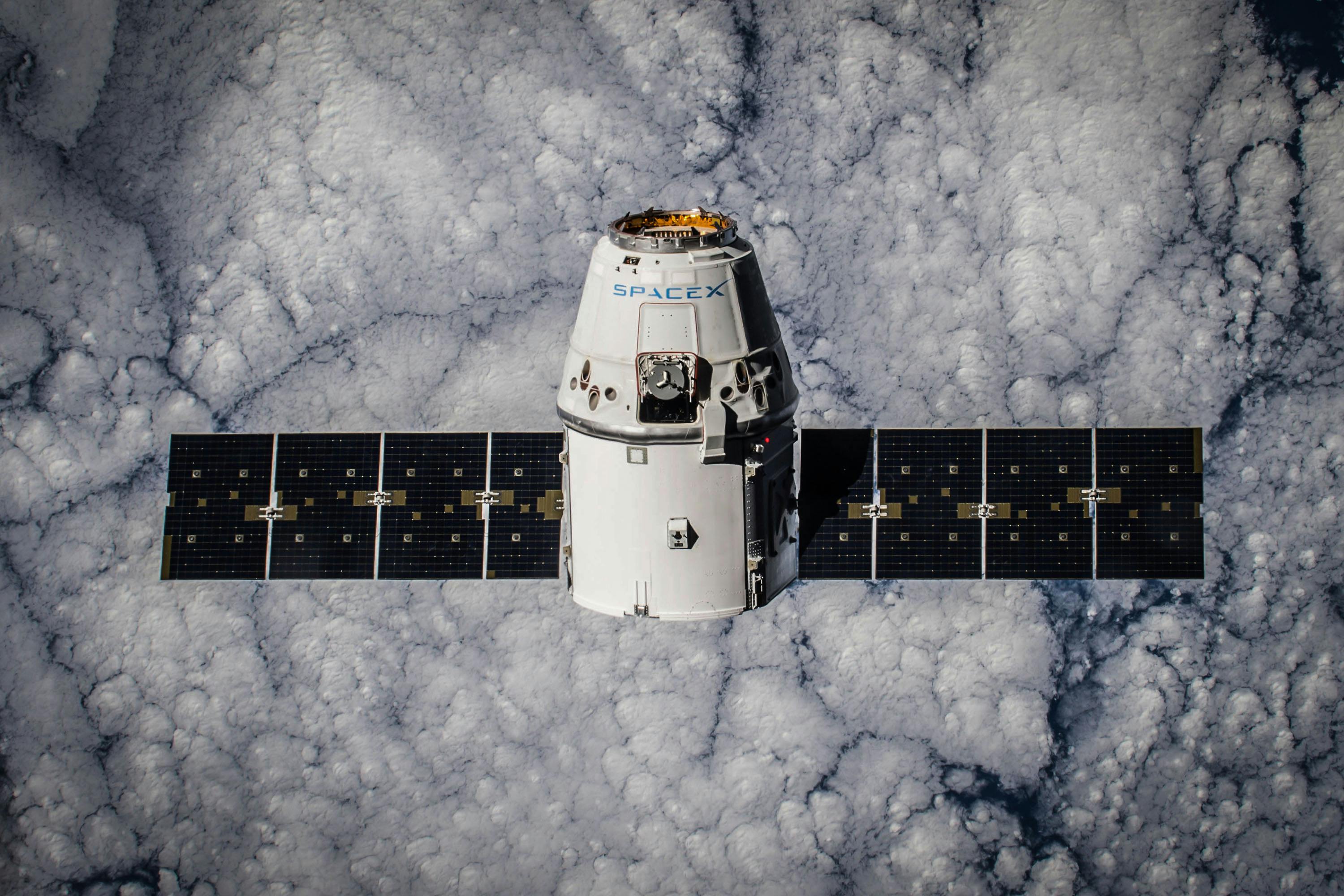
Starlink shifts to monthly hardware rental fees while SpaceX preps Booster 20 for Flight 13 — 10,558 satellites now operational worldwide.
Space Force projects 25 additional high-energy missions in 2027–2029 window, straining capacity at Vulcan and Falcon Heavy. Capacity constraints will drive military-NASA prioritization debates.