

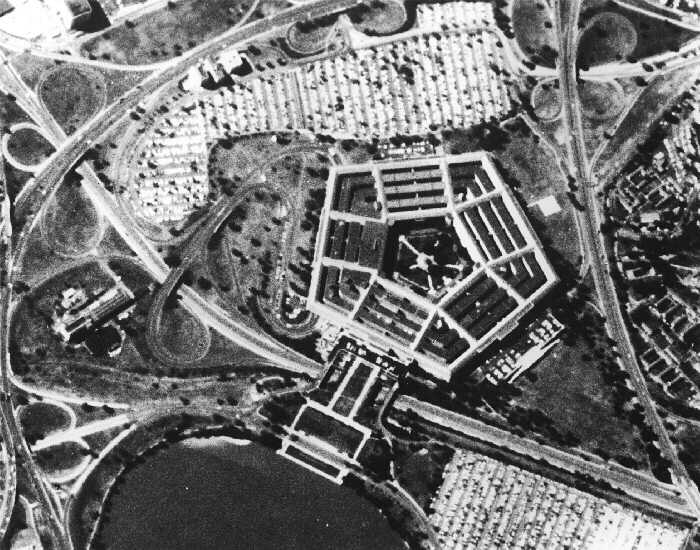
The Day America's Spy Satellites Gained New Eyes
Sixty-three years ago, a Thor-Agena rocket launched the first dual-camera reconnaissance satellite, revolutionizing space-based intelligence while hiding behind the final use of a famous cover name



Launch Date
September 30, 1969
Launch Site
AFWTR
Launch Pad
SLC1W
Launch Vehicle
Thorad SLV-2G Agena D
NORAD ID
04543
International Designator
1969-082GL
Decay Date
8/3/1990
Name
THORAD AGENA D DEB
Alternative Name
deb Agena D
Type
Status
Owner
SAMSO
Country
United States
Constellation
N/A
Related Satellites
Major Events
N/A
Length
0
Diameter
0
Span
0
Dry Mass
0
Launch Mass
0
Shape
N/A
Radar Cross Section
0.124
Visual Magnitude
Unknown
Color
Unknown
Material Composition
Unknown
Payload
Unknown
Purpose
Unknown
Mission
Unknown
Manufacturer
Unknown
Life Expectancy
Unknown
Bus
Unknown
Configuration
Unknown
Motor
Unknown
Equipment
Unknown
Power System
Unknown
ADCS
Unknown
Transmitter Frequency
Unknown
Learn more about satellites and other related topics.
Sixty-three years ago, a Thor-Agena rocket launched the first dual-camera reconnaissance satellite, revolutionizing space-based intelligence while hiding behind the final use of a famous cover name
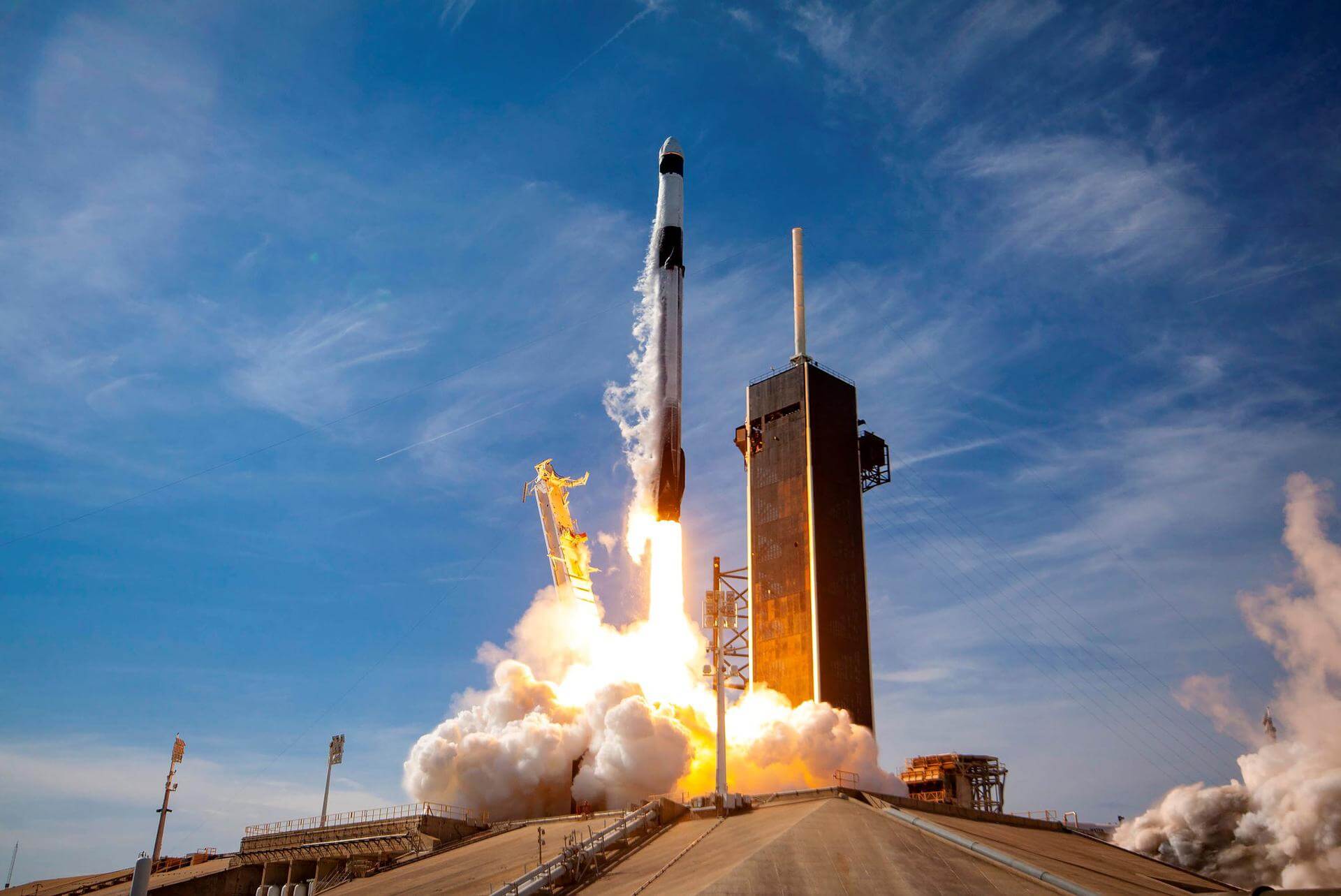
NRO awards three commercial satellite contracts, expanding scope to dynamic military target tracking. Former NASA chief Bridenstine joins Quantum Space for cislunar operations.

Trump's interim Air Force One—a $400M Boeing 747-8—equipped with Starlink for presidential communications. First confirmed LEO constellation use for White House comms.

Today’s brief covers the delayed launch of Australia's first orbital rocket, China's reusability programs, and the snow-enforced shutdown of a Chilean radio telescope.
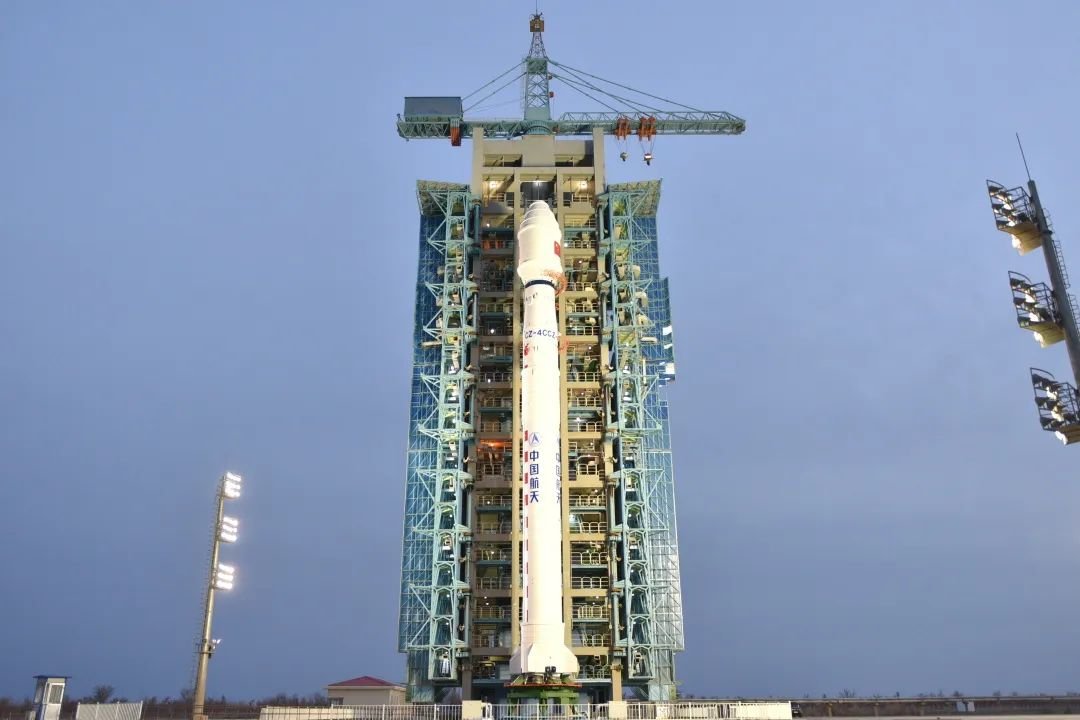
Today's Space Brief covers the inaugural national security mission of ULA's Vulcan Centaur, the Space Force's 2026 budget insights, and shifts in military drone technology.

SpaceX successfully launches 23 Starlink satellites, NASA selects SpaceX for astrophysics mission, and Starship Flight 8 advances with Booster 15 static fire.

SpaceX wins a $4.16 billion Space Force satellite contract to track airborne threats worldwide, while dual-pad launches add 53 Starlink satellites.

Today's brief covers a diverse range of topics, including reentry mission approvals, leadership changes in the Space Development Agency, and innovative military satellite communications.