


X Report 4 Jan 2025
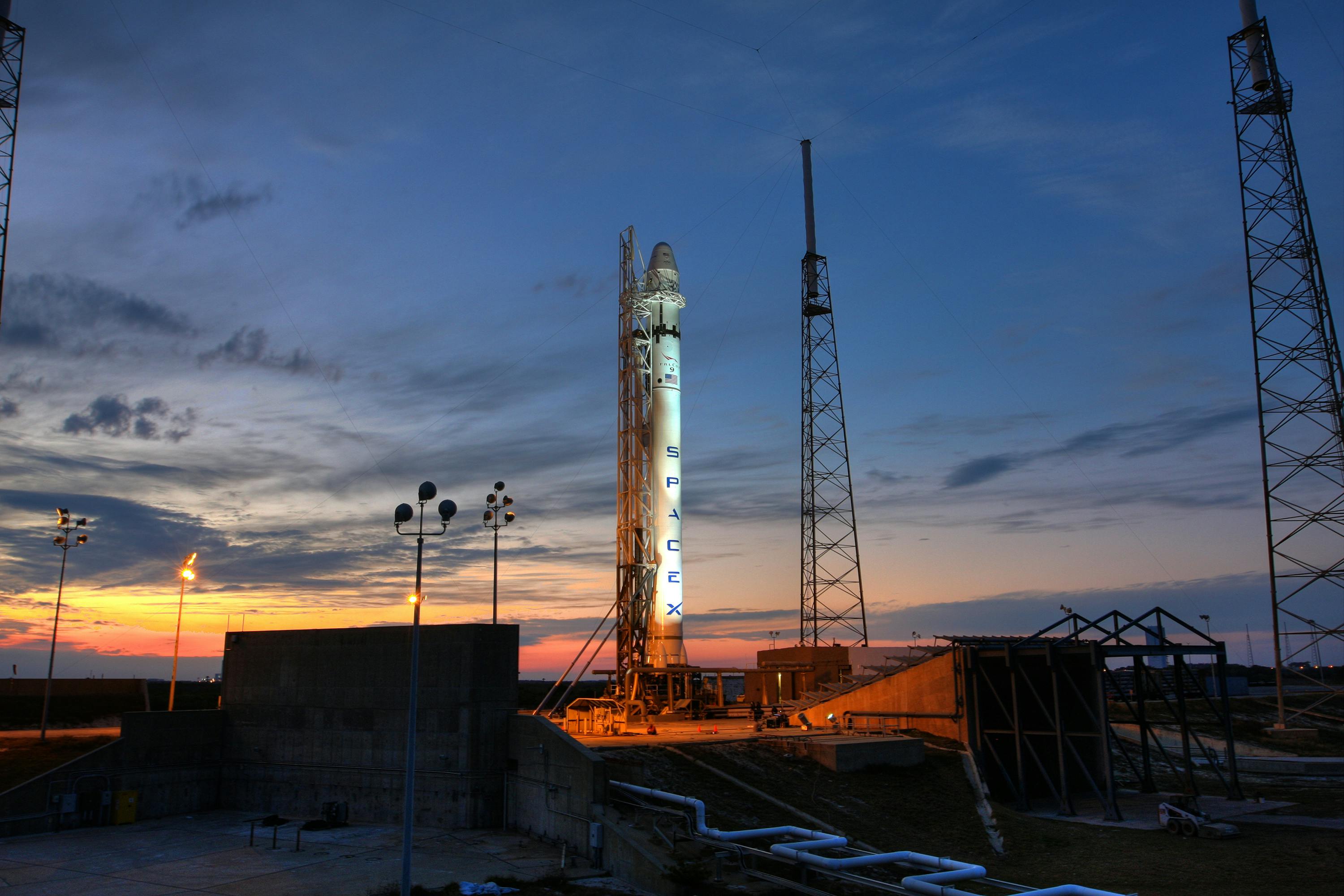
SpaceX kicks off 2025 with successful launches and a record-breaking outlook, aiming to maintain its market leadership amidst emerging competition.



Launch Date
March 18, 2020
Launch Site
Launch Pad
LC39A
Launch Vehicle
NORAD ID
45405
International Designator
2020-019AX
Epoch
Fri, 03 Jul 2026 18:02:55 GMT
Apogee
Calculating...
Perigee
Calculating...
Inclination
53.16°
Right Ascension
308.05°
Eccentricity
Calculating...
Argument of Perigee
257.94°
Period
93.66 min
Mean Motion
15.37 rev/day
Latitude
Calculating...
Longitude
Calculating...
Altitude
Calculating...
Velocity
Calculating...
Name
STARLINK-1263
Alternative Name
Starlink 1263
Type
Status
Owner
SPXS
Country
United States
Constellation
N/A
Related Satellites
Major Events
N/A
1 45405U 20019AX 26184.75203542 .00055229 00000-0 14822-2 0 9991
2 45405 53.1573 308.0517 0001408 257.9448 102.1399 15.37441913347771
Source: Celestrak
Length
0.2
Diameter
2.8
Span
9
Dry Mass
248
Launch Mass
260
Shape
Box + pan
Radar Cross Section
Unknown
Visual Magnitude
Unknown
Color
Unknown
Material Composition
Unknown
Payload
Starlink V1.0-L5-10
Purpose
Communication
Mission
Communication
Manufacturer
SPXS
Life Expectancy
Unknown
Bus
Starlink
Configuration
Unknown
Motor
Krypton ion thrusters
Equipment
Ku/Ka-band payload (all), optical inter-satellite links (a few prototypes)
Power System
Solar arrays, batteries
ADCS
Unknown
Transmitter Frequency
Unknown
Learn more about satellites and other related topics.
SpaceX kicks off 2025 with successful launches and a record-breaking outlook, aiming to maintain its market leadership amidst emerging competition.

China's Shenlong spaceplane released an unidentified object in orbit, drawing scrutiny amid U.S. Space Force Victus Haze RPO demonstrations. Tracking data critical.

U.S. Space Force executes first tactical orbital intercept under Victus Haze mission using commercial spacecraft. Rendezvous and proximity operations now operationally demonstrated.
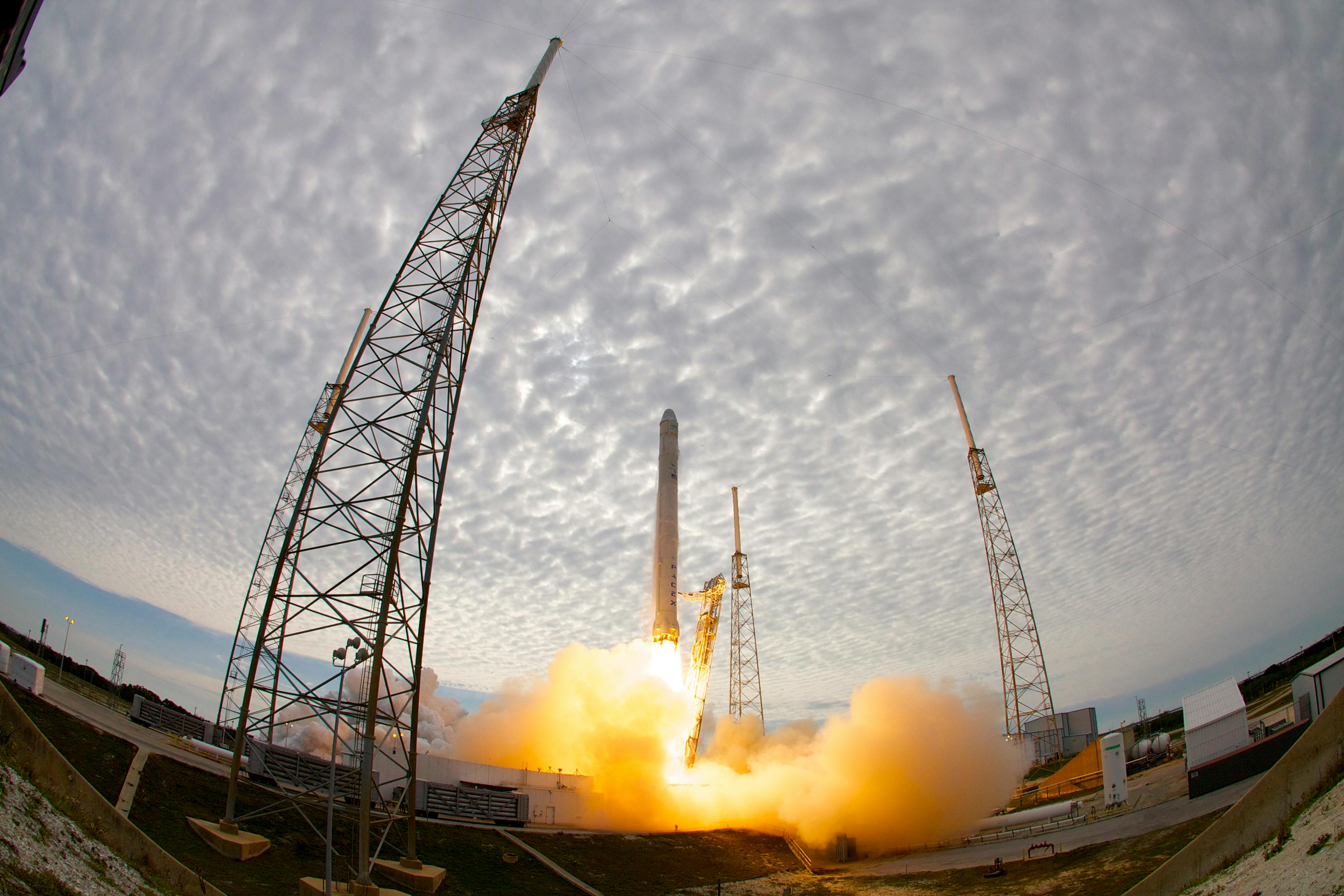
SpaceX successfully launched 24 Starlink satellites from California, enhancing its global internet coverage as the company continues to dominate the satellite communications market.

Explore today's major events in space, including military advancements in satellite tracking, new missile defenses, and significant defense funding decisions.

SpaceX celebrates its 100th launch of the year with a Falcon 9 mission carrying Amazon's Project Kuiper satellites, while Crew-10 prepares for its return from the ISS and the company expands its interplanetary ambitions with new Mars partnerships.

York Space raises $629M in IPO to expand satellite manufacturing. NRO declassifies Cold War-era JUMPSEAT spy satellites. Lockheed to boost THAAD interceptor production from 96 to 400 per year.
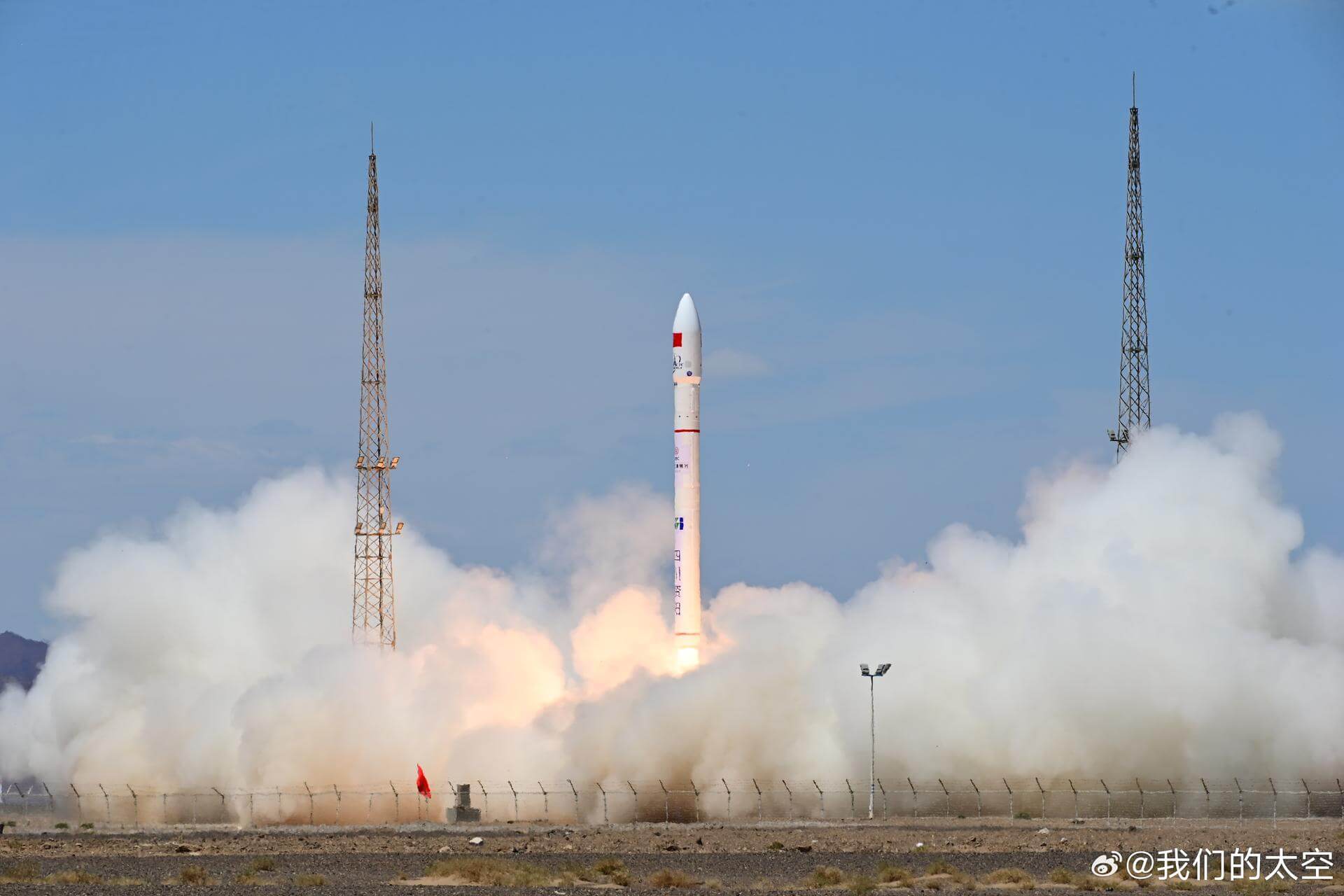
Today focuses on Blue Origin's preparation for New Glenn's debut, SpaceX Crew-9's ISS maneuver, the importance of U.S.-China cooperation in space, and breathtaking ISS photography.