

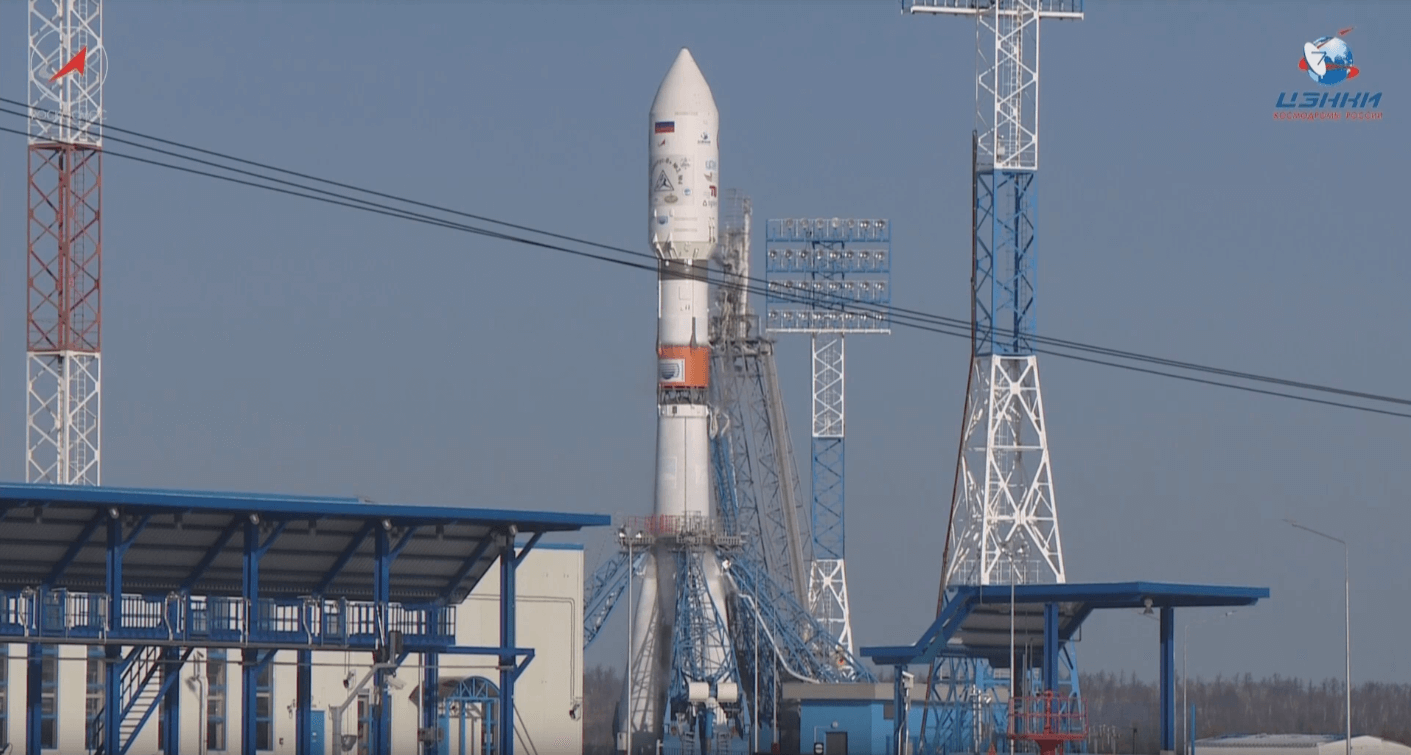
Space Brief 18 Nov 2024
Today's brief highlights a Starlink satellite launch, an OpTech optical sensor contract for the Space Force, and a unique STEM experiment involving space-flown seeds.



Launch Date
March 18, 2020
Launch Site
Launch Pad
LC39A
Launch Vehicle
NORAD ID
45398
International Designator
2020-019AQ
Decay Date
11/10/2025
Name
STARLINK-1312
Alternative Name
Starlink 1312
Type
Status
Owner
SPXS
Country
United States
Constellation
N/A
Related Satellites
Major Events
N/A
Length
0.2
Diameter
2.8
Span
9
Dry Mass
248
Launch Mass
260
Shape
Box + pan
Radar Cross Section
Unknown
Visual Magnitude
Unknown
Color
Unknown
Material Composition
Unknown
Payload
Starlink V1.0-L5-55
Purpose
Communication
Mission
Communication
Manufacturer
SPXS
Life Expectancy
Unknown
Bus
Starlink
Configuration
Unknown
Motor
Krypton ion thrusters
Equipment
Ku/Ka-band payload (all), optical inter-satellite links (a few prototypes)
Power System
Solar arrays, batteries
ADCS
Unknown
Transmitter Frequency
Unknown
Learn more about satellites and other related topics.
Today's brief highlights a Starlink satellite launch, an OpTech optical sensor contract for the Space Force, and a unique STEM experiment involving space-flown seeds.
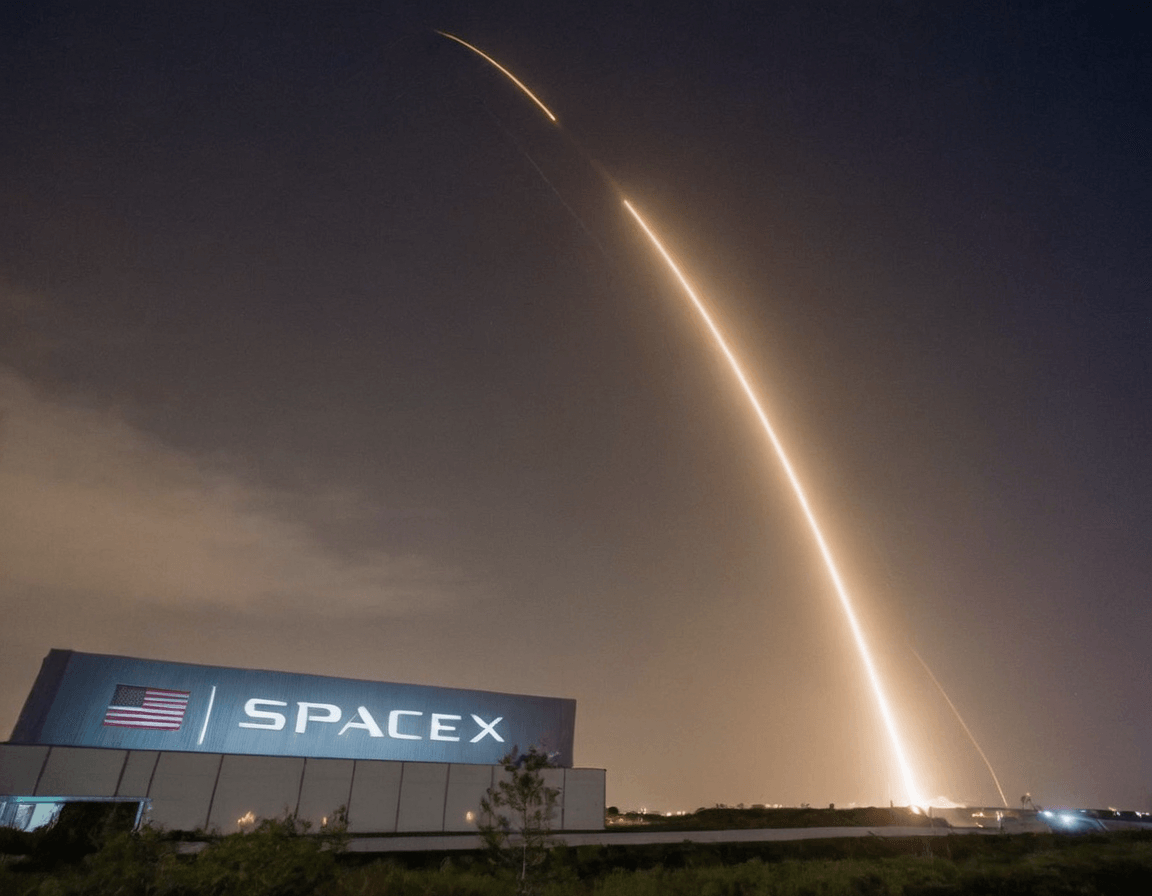
SpaceX successfully returns to flight with a Starlink mission, detailing the cause of the July 11 anomaly and implementing fixes to prevent future incidents.
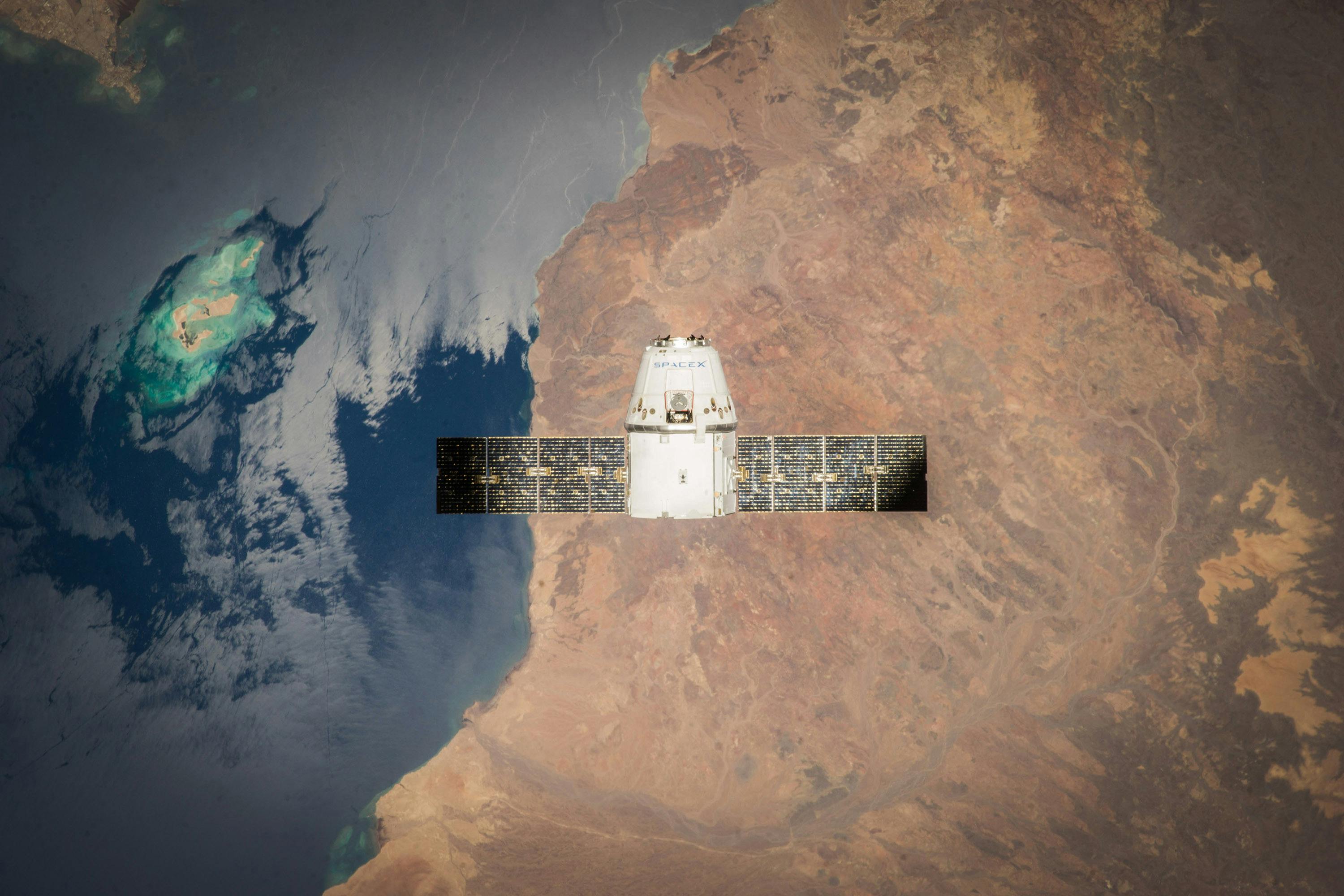
SpaceX executes dual Starlink launches and secures Dragonfly mission contract while managing NRO satellite deployment.

GAO warns SDA missile-tracking satellite program overestimates tech readiness. SPACECOM pushes expanded on-orbit warfighting exercises. Congress advocates for enhanced GPS anti-jam capabilities.
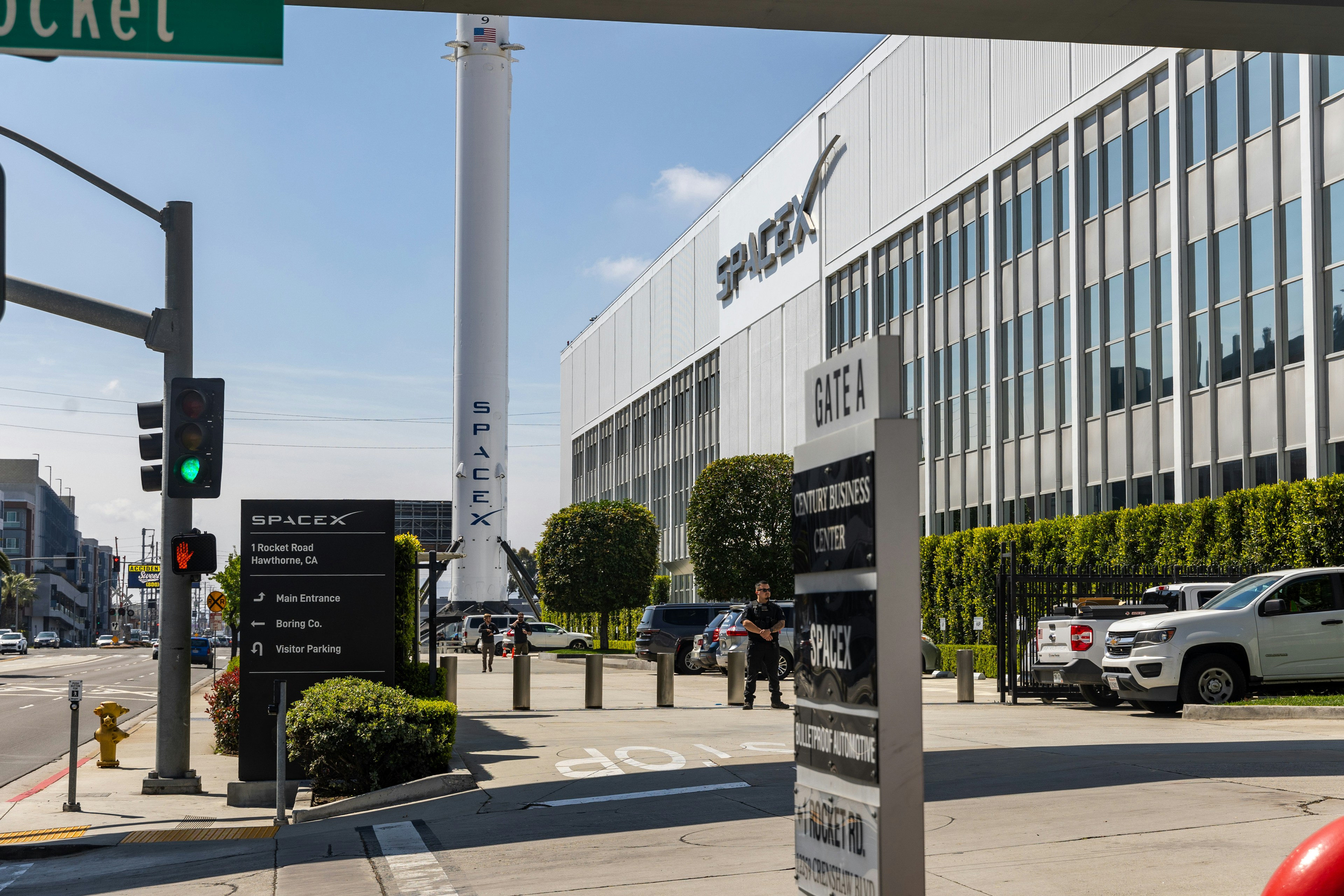
How many Starlink satellites are in orbit in 2026? SpaceX passed 10,000 after the Starlink 17-24 launch, with 10,020 in orbit and 11,529 launched.

Space Force awards $54.5M to Starfish Space for GEO satellite servicing vehicle. Artemis II heads to launch pad for first crewed Moon flyby in 54 years. Crew-12 confirmed.

Katalyst's Link spacecraft passes key testing milestone ahead of June 2026 launch to rescue NASA's $500M SPARCS telescope. In-space servicing mission will create trackable conjunction risk during approach and docking phase.
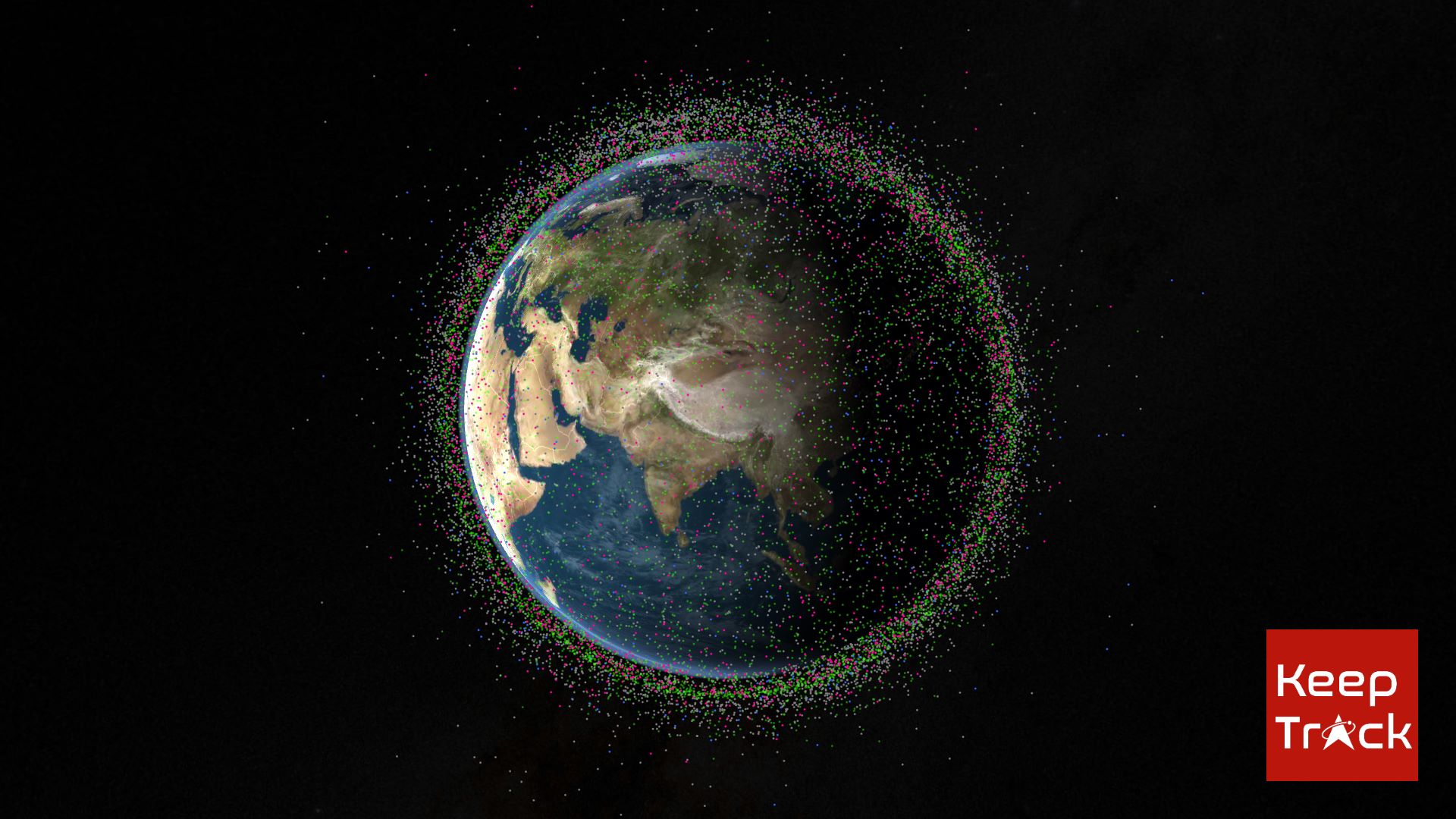
The bustling downtown of space: where most satellites operate, communication networks bloom, and the challenges of atmospheric drag and radiation shape our approach to space operations