


X Report 24 Nov 2024
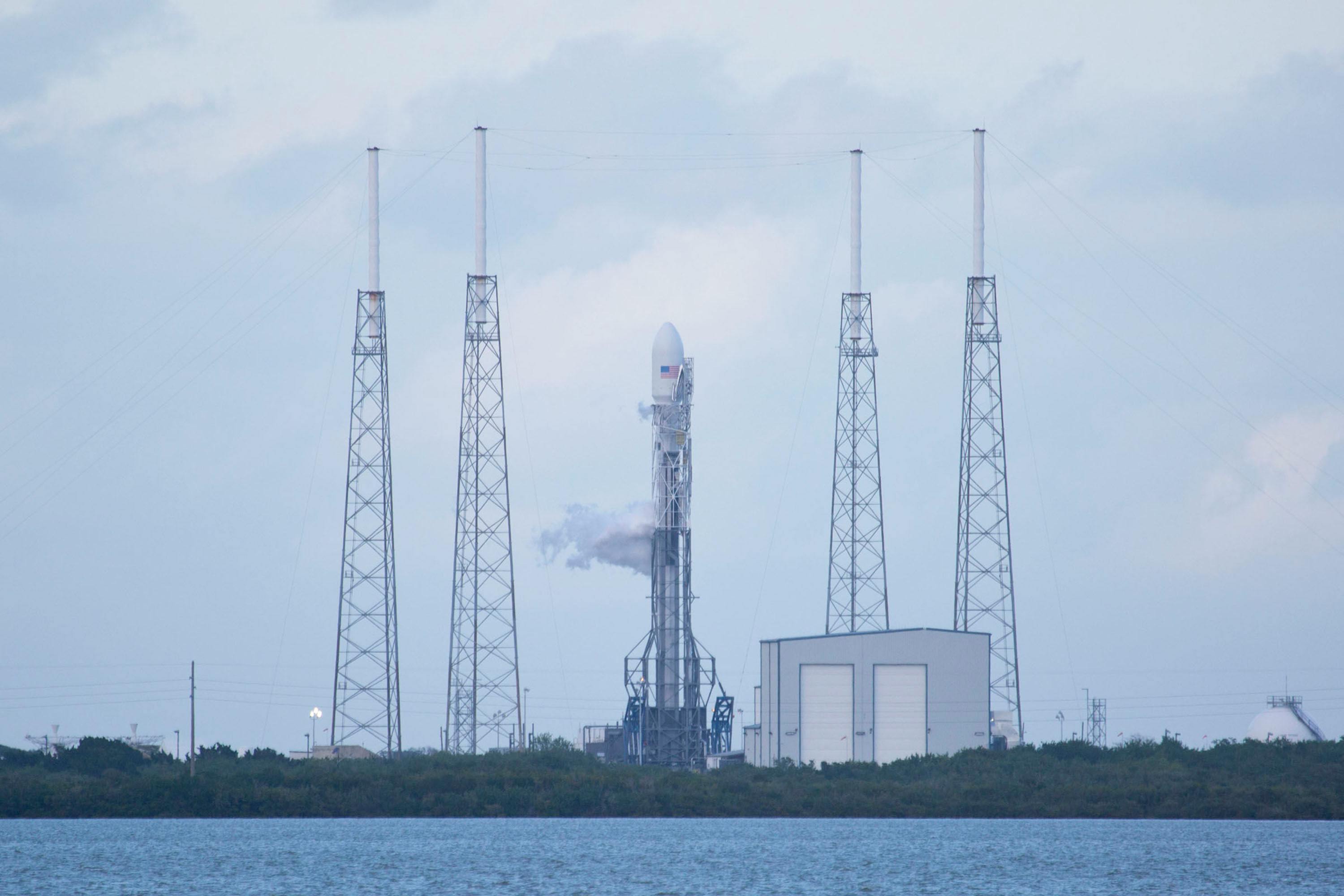
SpaceX cancels Texas land-swap deal amid growing Starship presence and launches 20 Starlink satellites using the 400th Falcon 9 rocket.



Launch Date
March 18, 2020
Launch Site
Launch Pad
LC39A
Launch Vehicle
NORAD ID
45390
International Designator
2020-019AG
Epoch
Sat, 04 Jul 2026 06:23:31 GMT
Apogee
Calculating...
Perigee
Calculating...
Inclination
53.04°
Right Ascension
280.00°
Eccentricity
Calculating...
Argument of Perigee
53.98°
Period
91.53 min
Mean Motion
15.73 rev/day
Latitude
Calculating...
Longitude
Calculating...
Altitude
Calculating...
Velocity
Calculating...
Name
STARLINK-1284
Alternative Name
Starlink 1284
Type
Status
Owner
SPXS
Country
United States
Constellation
N/A
Related Satellites
Major Events
N/A
1 45390U 20019AG 26185.26633310 .00091980 00000-0 65193-3 0 9993
2 45390 53.0391 280.0012 0003435 53.9754 306.1582 15.73215839348469
Source: Celestrak
Length
0.2
Diameter
2.8
Span
9
Dry Mass
248
Launch Mass
260
Shape
Box + pan
Radar Cross Section
Unknown
Visual Magnitude
Unknown
Color
Unknown
Material Composition
Unknown
Payload
Starlink V1.0-L5-28
Purpose
Communication
Mission
Communication
Manufacturer
SPXS
Life Expectancy
Unknown
Bus
Starlink
Configuration
Unknown
Motor
Krypton ion thrusters
Equipment
Ku/Ka-band payload (all), optical inter-satellite links (a few prototypes)
Power System
Solar arrays, batteries
ADCS
Unknown
Transmitter Frequency
Unknown
Learn more about satellites and other related topics.
SpaceX cancels Texas land-swap deal amid growing Starship presence and launches 20 Starlink satellites using the 400th Falcon 9 rocket.
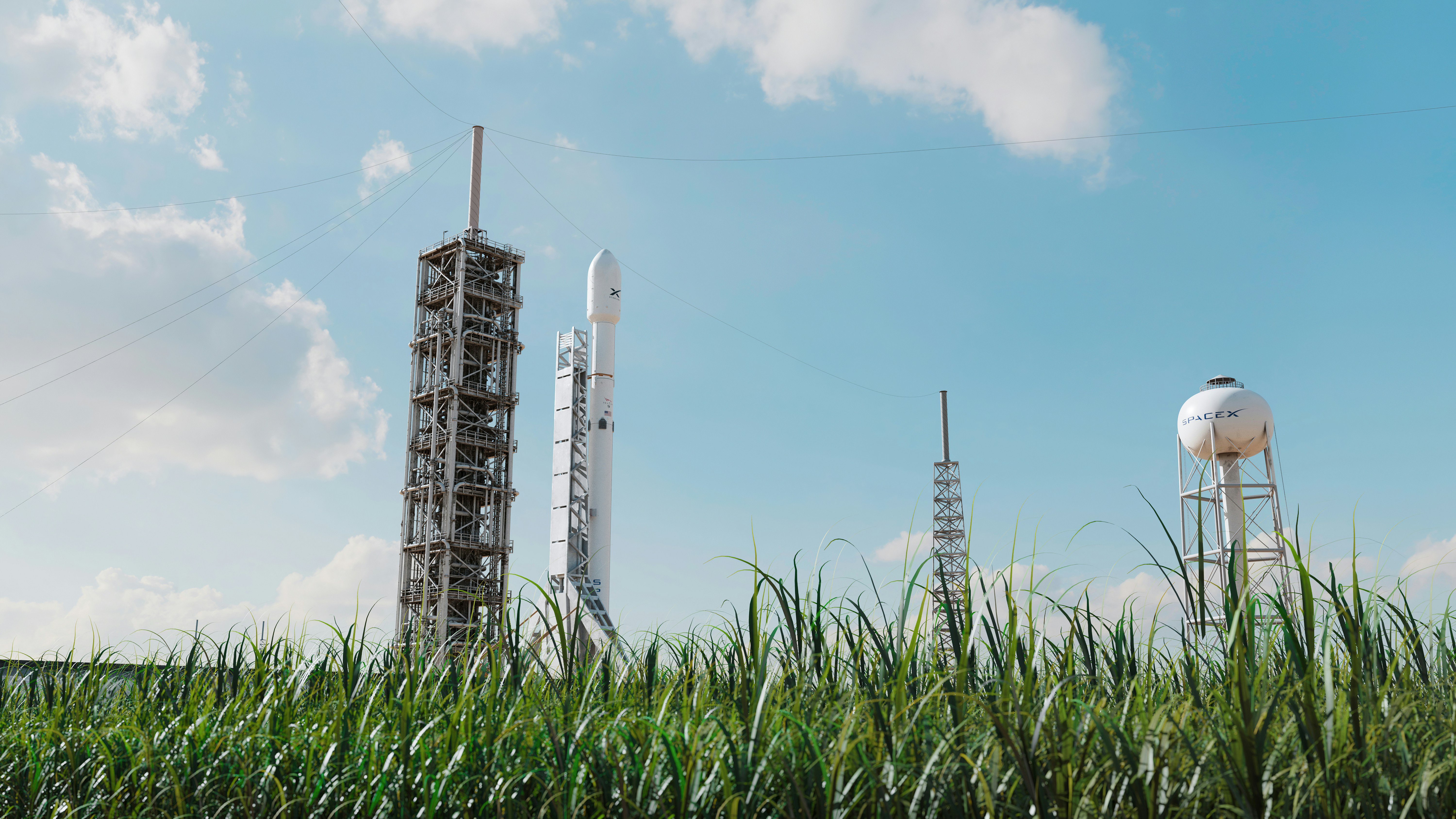
Falcon 9 booster reuse record: SpaceX's most-flown booster flew a 33rd flight Feb 21 with 28 Starlink V2 Minis. Two launches in a day; 9,779 on orbit.
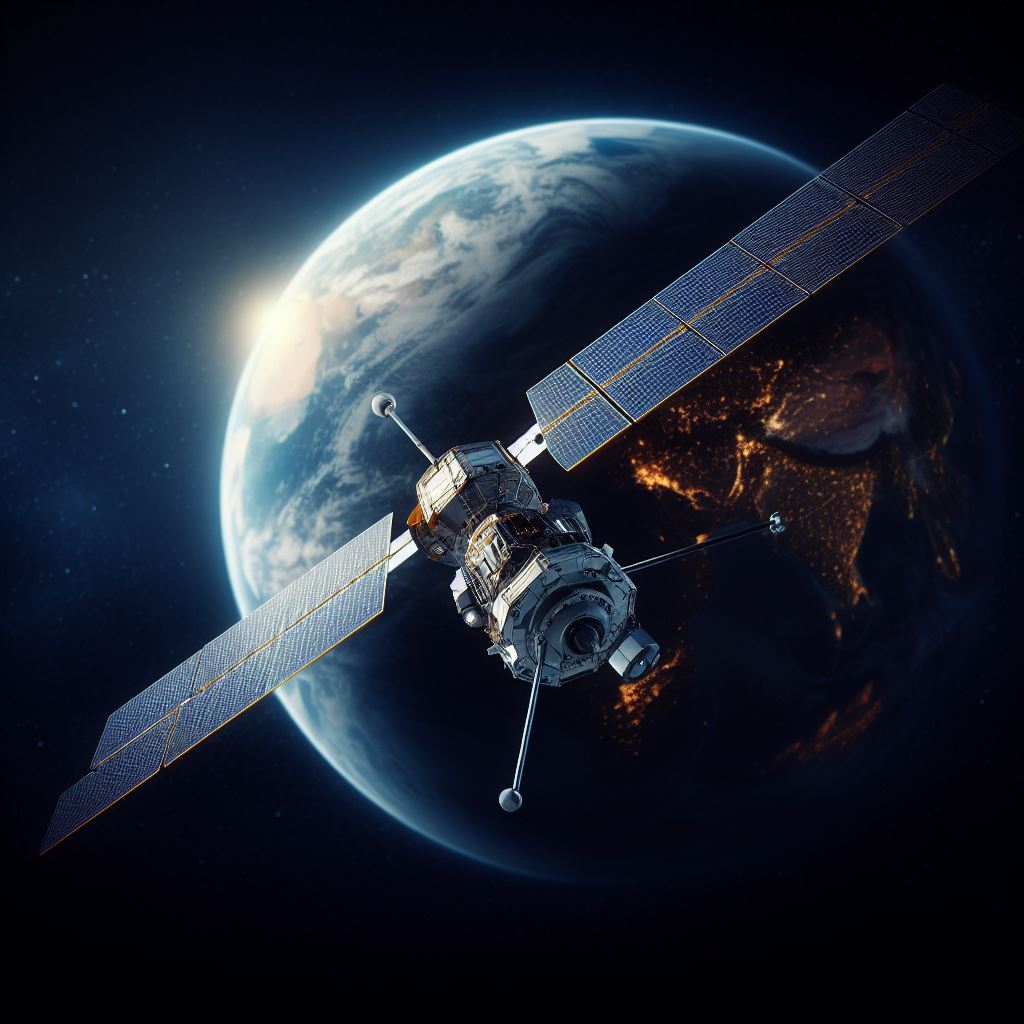
We forecast how many satellites could be in orbit by 2030 and what capabilities we can expect.
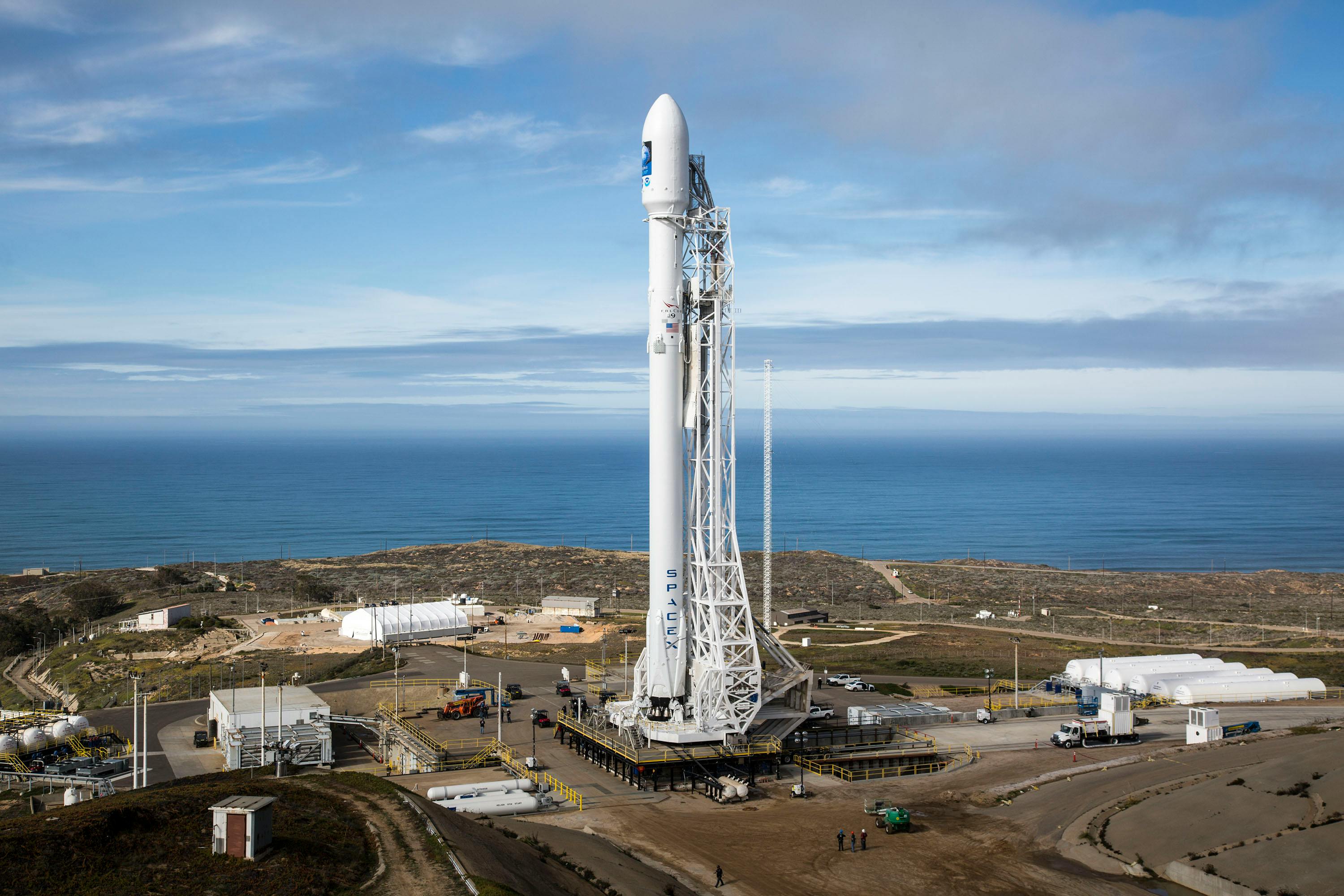
SpaceX's Crew-10 astronauts are set to return to Earth, while Impulse Space takes strides in spacecraft capabilities. Additionally, SpaceX prepares to launch 24 Amazon Project Kuiper satellites.
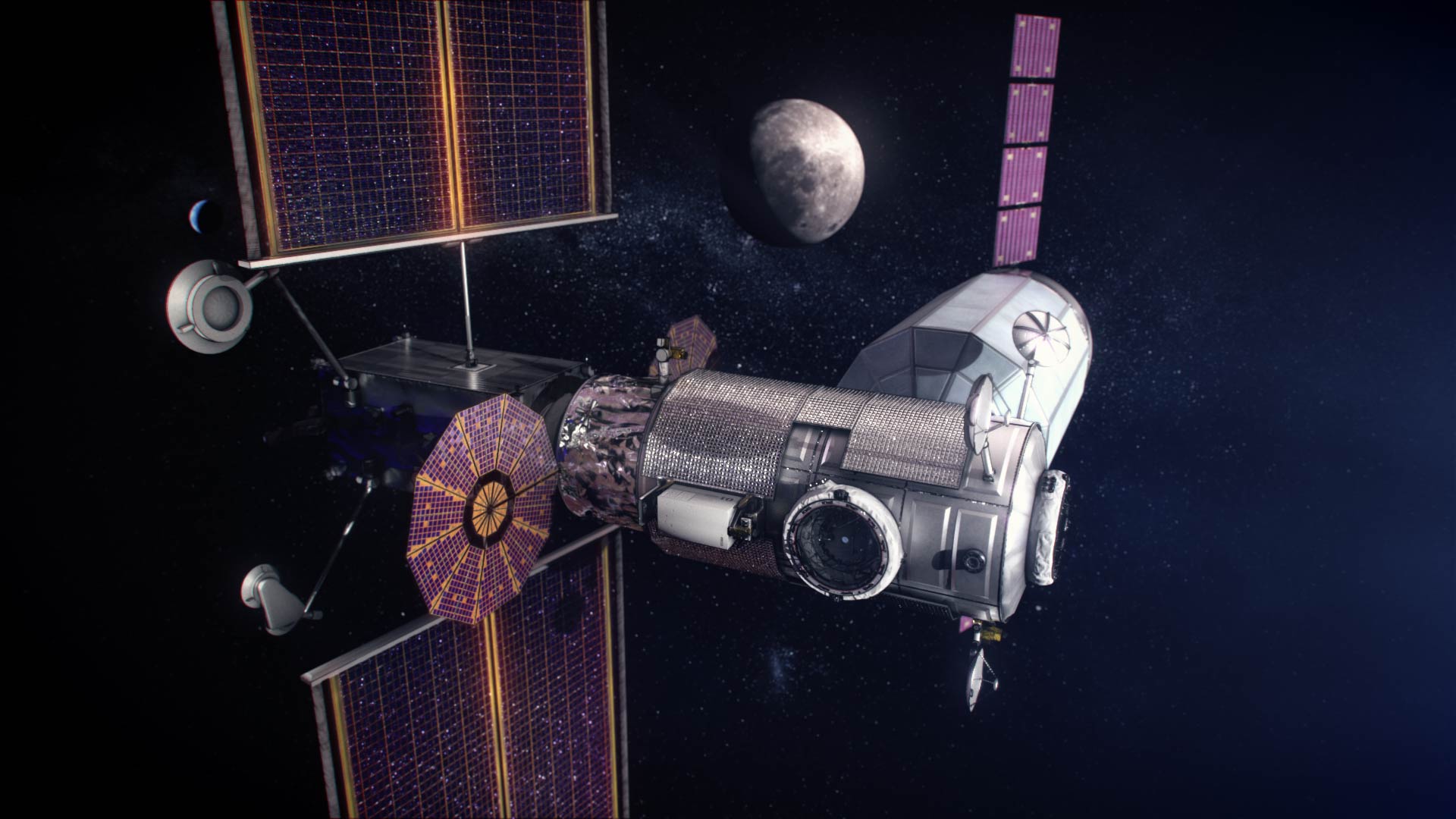
The volume of space between Earth and the Moon is roughly a thousand times larger than the orbit we actually watch, and almost none of it is under surveillance. As the U.S. and China race to build lunar outposts, the Space Force is scrambling to put eyes on a region it has been effectively blind to.

SpaceX targets a $75B IPO valuing the company at $1.75T, as 50+ new Starlink satellites reach orbit via dual coast launches.

Fifty-four years ago, a Saturn V rocket lifted off carrying three astronauts determined to prove America could still reach the Moon after the near-disaster of Apollo 13

Pentagon's $50B Iran supplemental request signals major investment in missile defense and ISR satellites. Amazon reshuffles LEO government leadership amid Kuiper competition.