


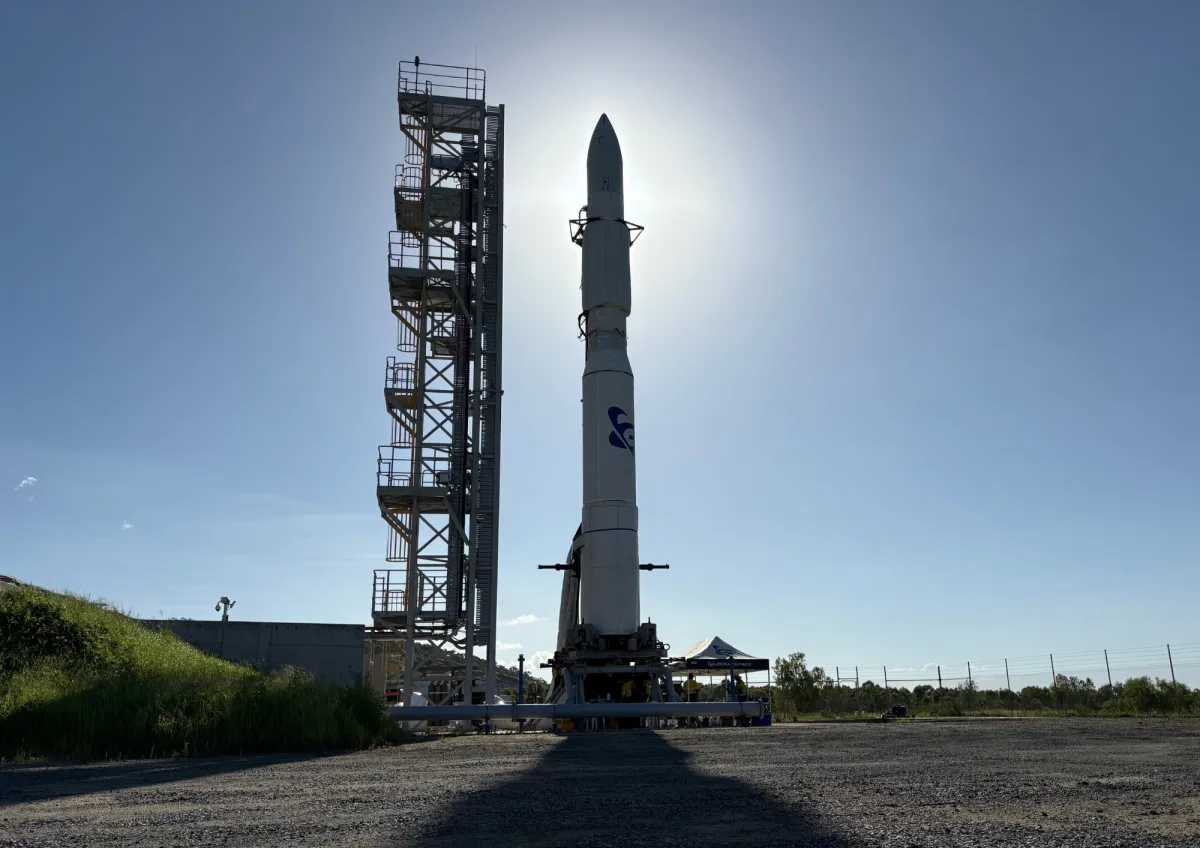
Space Brief 7 Mar 2025
Key insights from the latest SpaceX Starship breakup, the establishment of a new satellite mobile service, and enhancing America's missile shield capabilities through satellites.



Launch Date
February 17, 2020
Launch Site
Launch Pad
LC40
Launch Vehicle
NORAD ID
45183
International Designator
2020-012F
Epoch
Sat, 04 Jul 2026 02:18:18 GMT
Apogee
Calculating...
Perigee
Calculating...
Inclination
53.15°
Right Ascension
216.58°
Eccentricity
Calculating...
Argument of Perigee
352.95°
Period
93.69 min
Mean Motion
15.37 rev/day
Latitude
Calculating...
Longitude
Calculating...
Altitude
Calculating...
Velocity
Calculating...
Name
STARLINK-1202
Alternative Name
Starlink 1202
Type
Status
Owner
SPXS
Country
United States
Constellation
N/A
Related Satellites
Major Events
N/A
1 45183U 20012F 26185.09604548 .00065122 00000-0 17702-2 0 9999
2 45183 53.1527 216.5800 0004360 352.9476 7.1465 15.36965780352808
Source: Celestrak
Length
0.2
Diameter
2.8
Span
9
Dry Mass
248
Launch Mass
260
Shape
Box + pan
Radar Cross Section
Unknown
Visual Magnitude
Unknown
Color
Unknown
Material Composition
Unknown
Payload
Starlink V1.0-L4-06
Purpose
Communication
Mission
Communication
Manufacturer
SPXS
Life Expectancy
Unknown
Bus
Starlink
Configuration
Unknown
Motor
Krypton ion thrusters
Equipment
Ku/Ka-band payload (all), optical inter-satellite links (a few prototypes)
Power System
Solar arrays, batteries
ADCS
Unknown
Transmitter Frequency
Unknown
Learn more about satellites and other related topics.
Key insights from the latest SpaceX Starship breakup, the establishment of a new satellite mobile service, and enhancing America's missile shield capabilities through satellites.

Forty years ago today, a Delta 3914 lifted off Cape Canaveral with a weather satellite the country could not afford to lose. Seventy-one seconds later, its main engine cut off. Ninety-one seconds in, the range safety officer pressed his button. The third domino of a brutal 1986 had fallen.

Blue Origin launch pad rebuild begins at Cape Canaveral after the New Glenn explosion, targeting return to flight by end of 2026. SpaceX flies NROL-179.
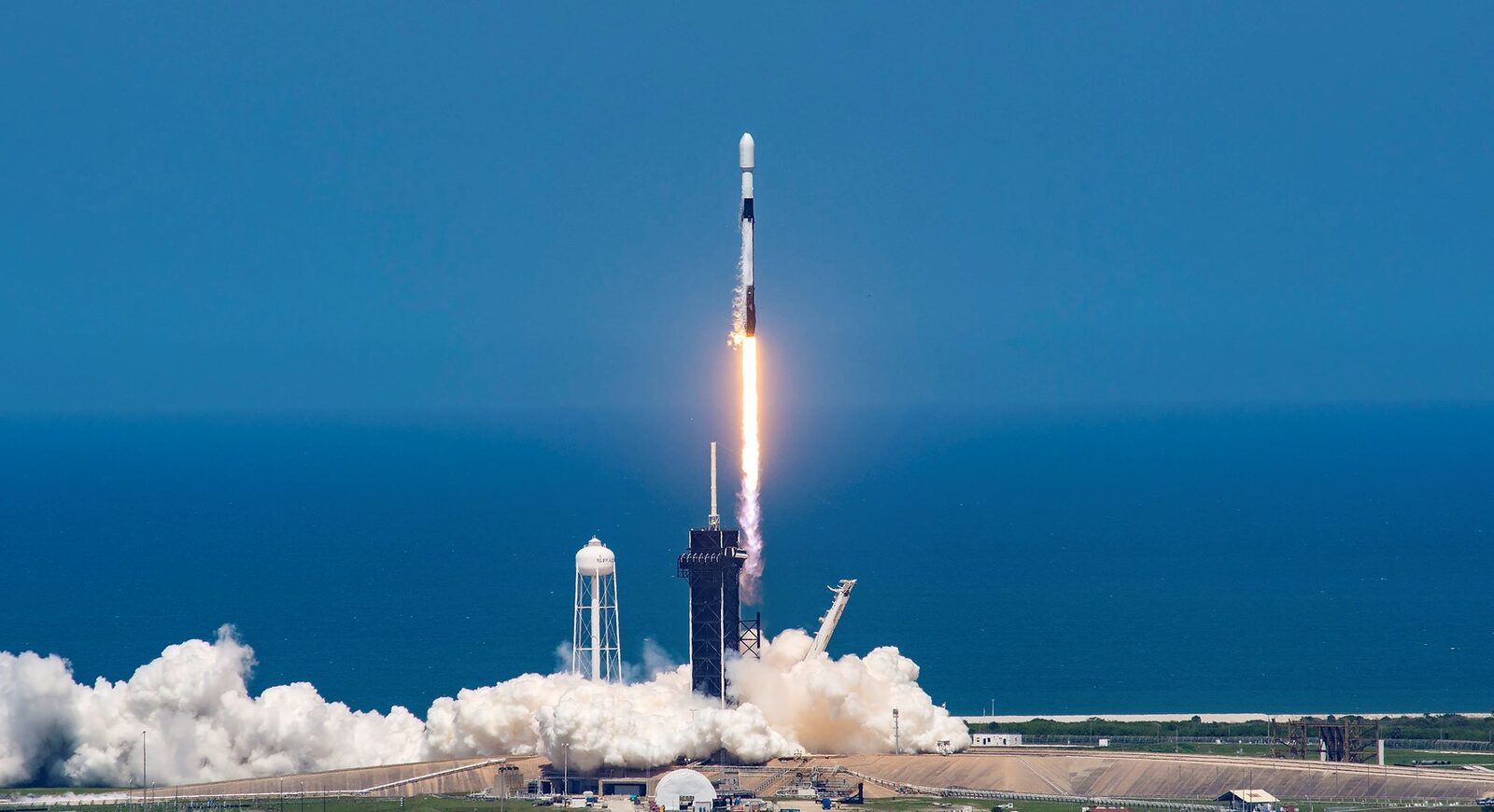
This week: China's Long March 10B debuted successfully, SpaceX merged with xAI, and Starlink topped 10,775 satellites in orbit.

SpaceX IPO paperwork stokes Tesla merger predictions: the amended S-1 sank Tesla stock 5% in a day. Starlink stands at 10,492 working satellites.

Today's edition highlights the operational deployment of HawkEye 360's Cluster 12, Shandong's record satellite launch, Planet Labs' latest imaging achievements, SpaceX's Starlink launches, and more.
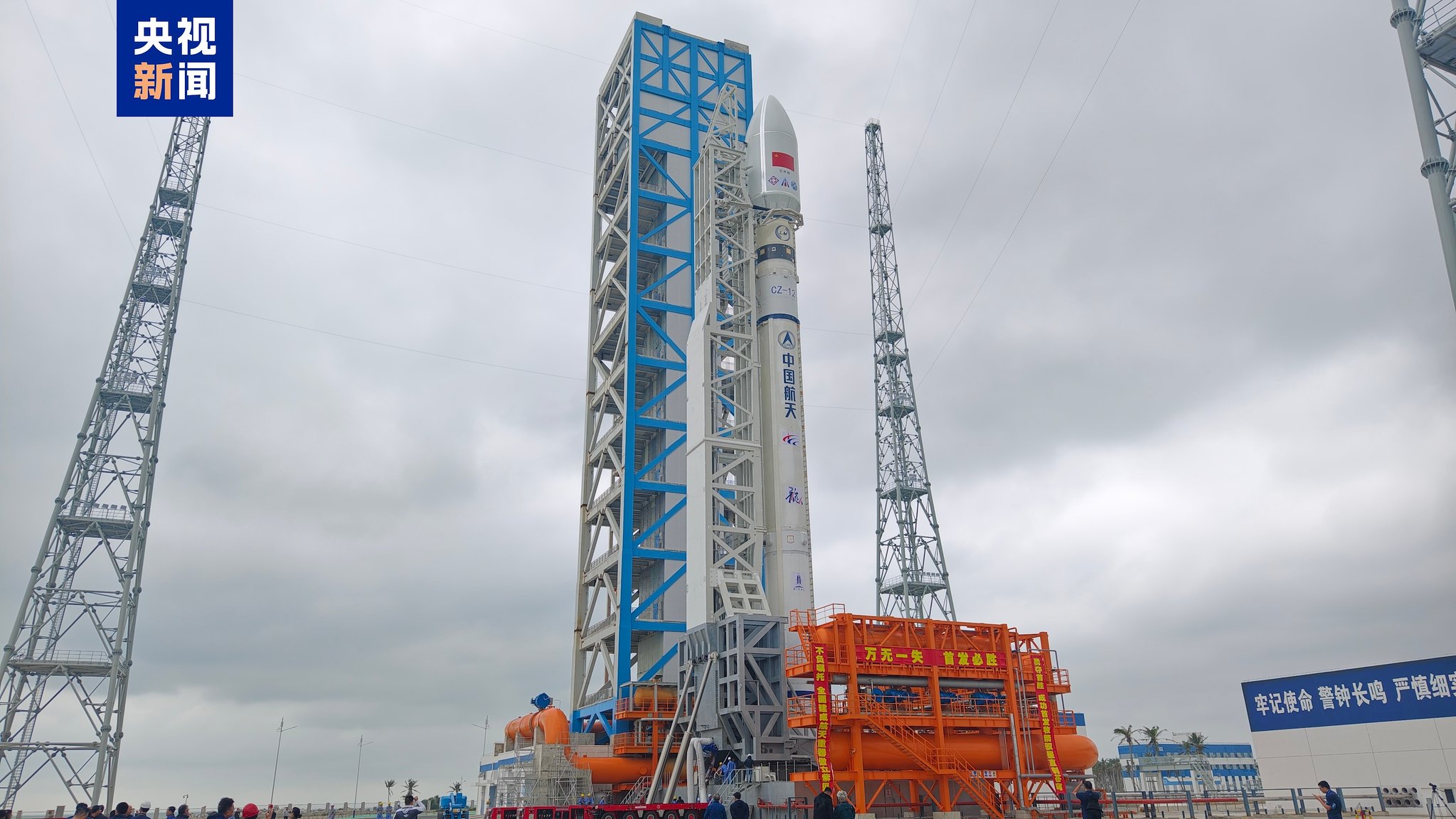
Today's top space events include a new military satellite launch by York Space, advancements in phased array antennas by Space Force, and the debut of Denmark's Arctic satellite. Also covered are developments in Starlink's services in Vietnam.
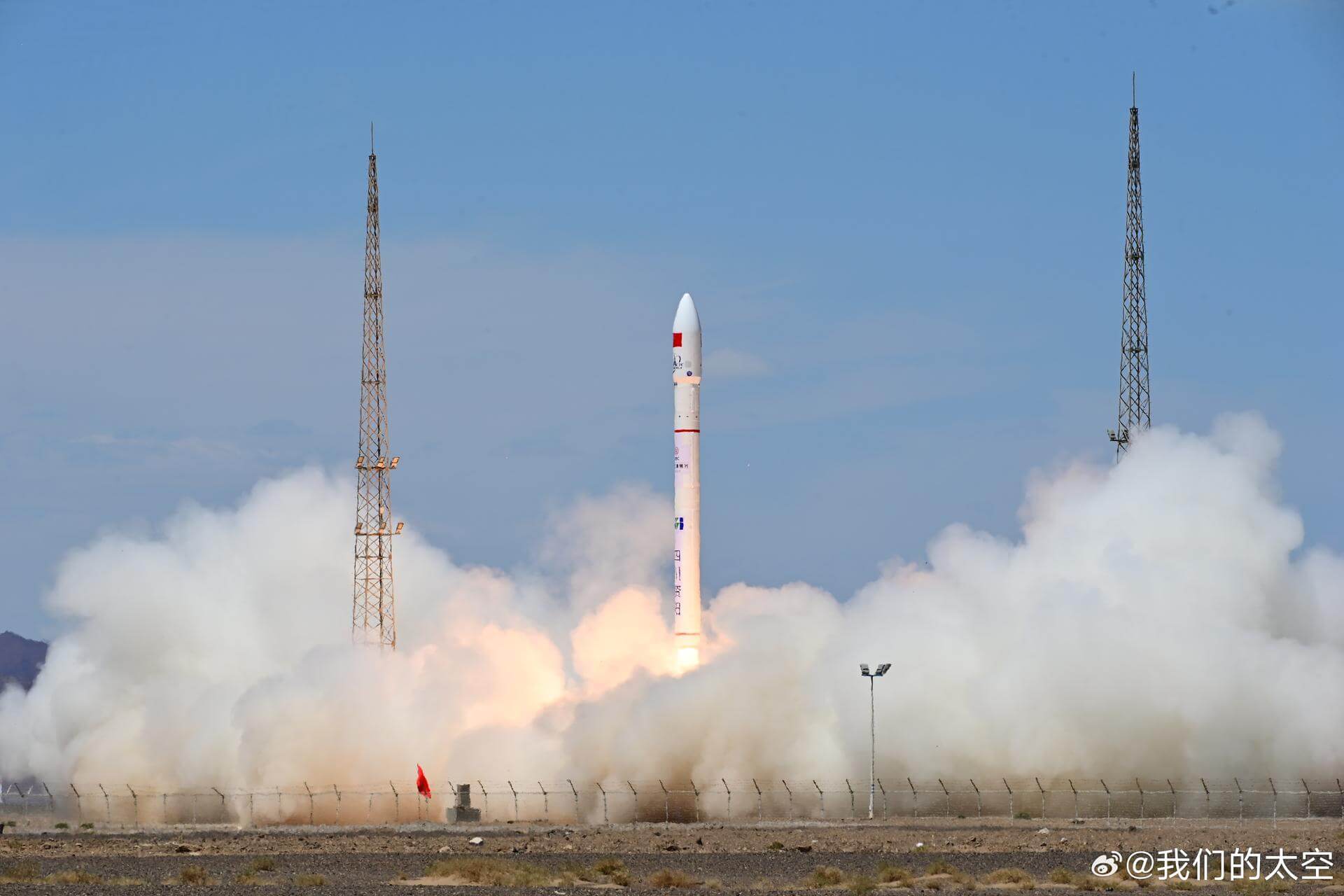
Today's brief covers the crash of a SpaceX Falcon 9 rocket over Europe, the Space Force's mapping efforts with Iron Dome, and key military appointments and funding decisions.