


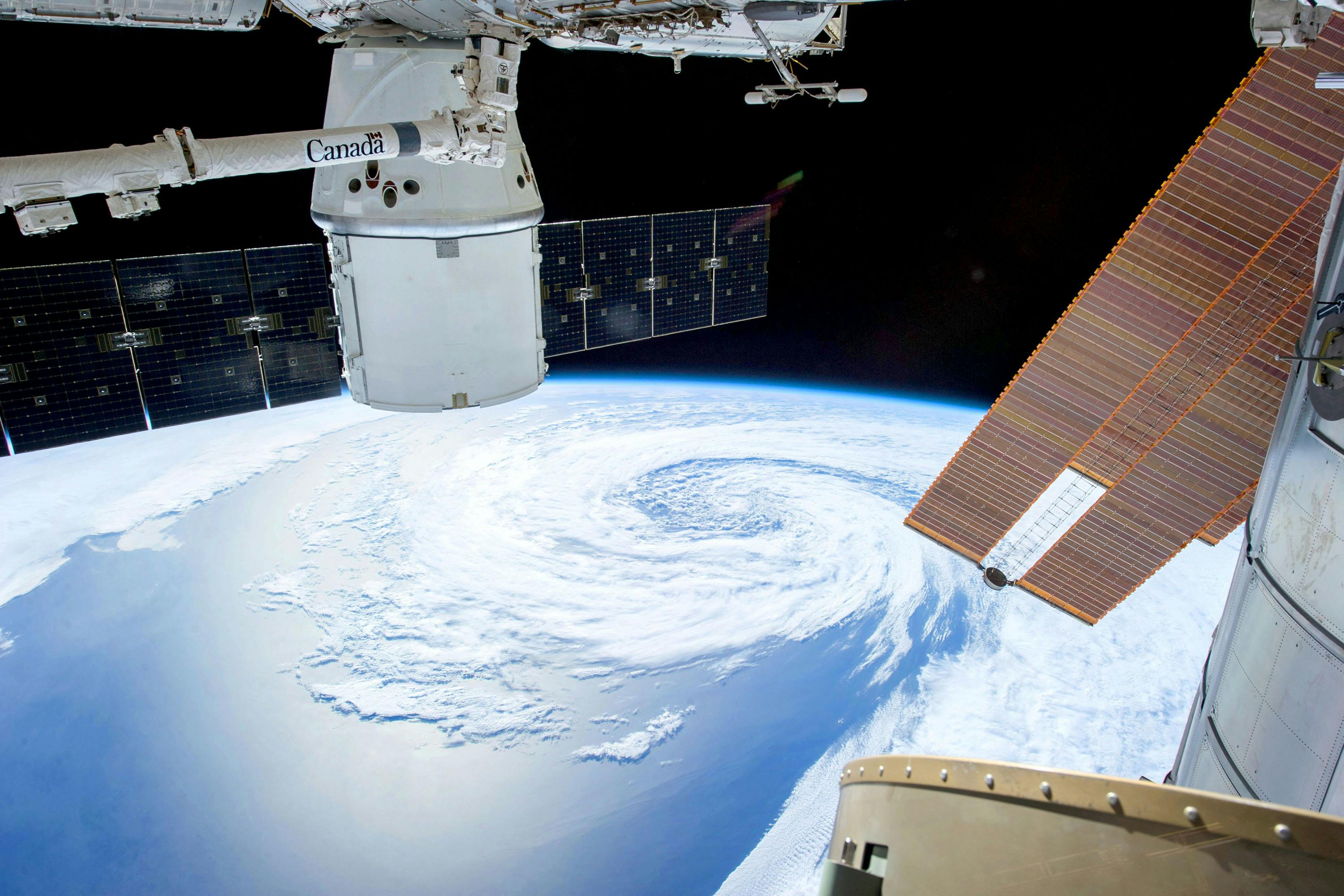
X Report 20 Mar 2025
SpaceX successfully rotates Crew-9 and Crew-10 on the ISS and launches new Starlink satellites with direct-to-cell capability.


Launch Date
February 6, 2020
Launch Site
Launch Pad
LC31
Launch Vehicle
Soyuz-2-1B
NORAD ID
45136
International Designator
2020-008F
Epoch
Sat, 04 Jul 2026 00:33:28 GMT
Apogee
Calculating...
Perigee
Calculating...
Inclination
87.88°
Right Ascension
32.91°
Eccentricity
Calculating...
Argument of Perigee
79.69°
Period
109.89 min
Mean Motion
13.10 rev/day
Latitude
Calculating...
Longitude
Calculating...
Altitude
Calculating...
Velocity
Calculating...
Name
ONEWEB-0023
Alternative Name
OneWeb SL0023
Type
Status
Owner
ONEWEB
Country
United Kingdom
Constellation
N/A
Related Satellites
Major Events
N/A
1 45136U 20008F 26185.02324077 .00000567 00000-0 15874-2 0 9991
2 45136 87.8825 32.9110 0001899 79.6897 280.4444 13.10378258310286
Source: Celestrak
Length
1.3
Diameter
1
Span
5
Dry Mass
140
Launch Mass
148
Shape
Trapezoid+2 pan
Radar Cross Section
Unknown
Visual Magnitude
Unknown
Color
Unknown
Material Composition
Unknown
Payload
OneWeb L2-020
Purpose
Communication
Mission
Communication
Manufacturer
ONEWUS
Life Expectancy
+ 7 years
Bus
ARROW
Configuration
Arrow bus
Motor
SPT-50 or BHT-350 Hall effect thrusters
Equipment
Ku-Band payload
Power System
solar arrays, batteries
ADCS
Unknown
Transmitter Frequency
Unknown
Learn more about satellites and other related topics.
SpaceX successfully rotates Crew-9 and Crew-10 on the ISS and launches new Starlink satellites with direct-to-cell capability.

Jonathan's Space Report is a comprehensive resource for space launch and satellite data, compiled by astrophysicist Dr. Jonathan McDowell.
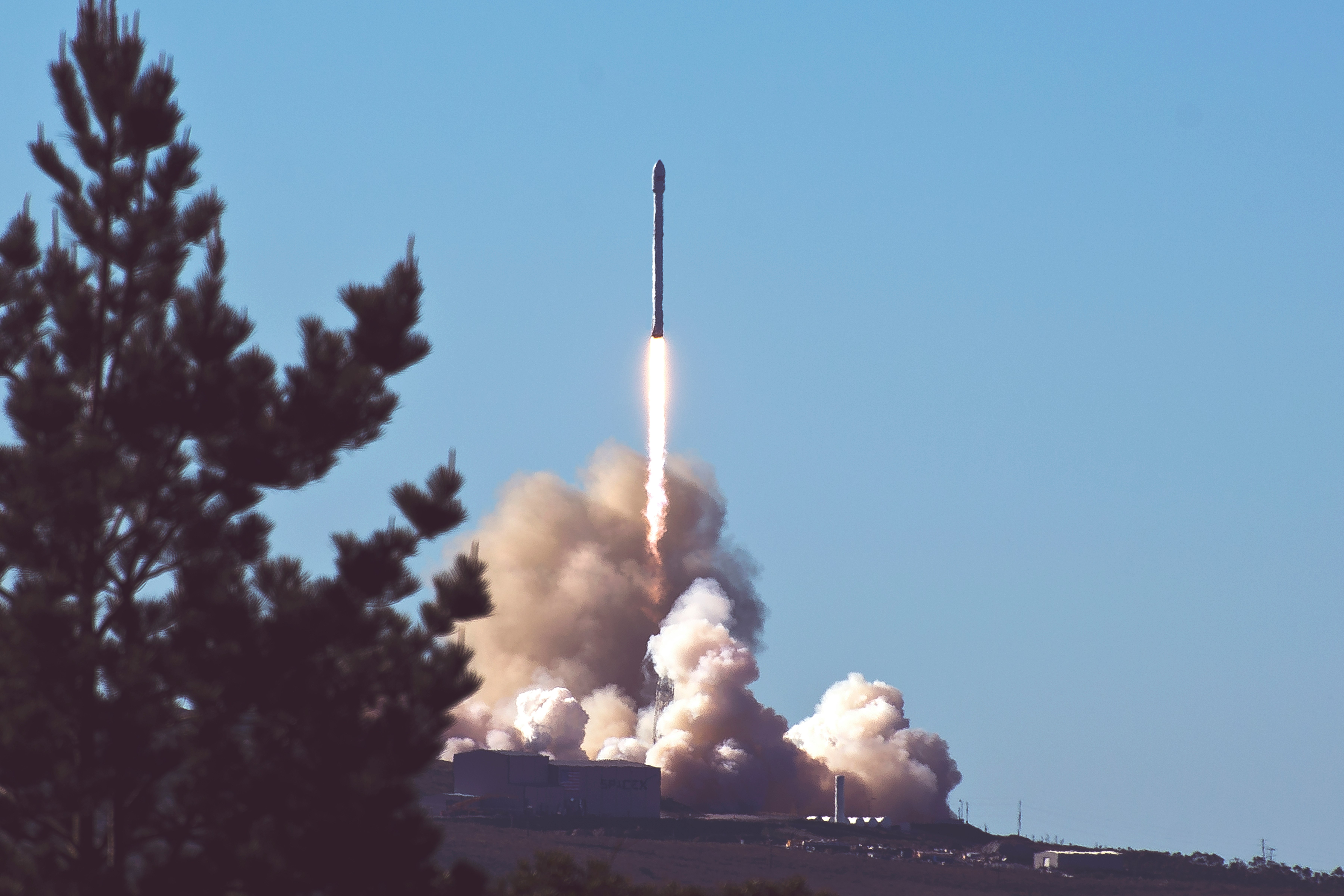
SpaceX successfully launched 28 Starlink satellites and settled a lawsuit, while Starlink's performance faces scrutiny in Ukraine. Additionally, MTN is enhancing Starlink's business services.
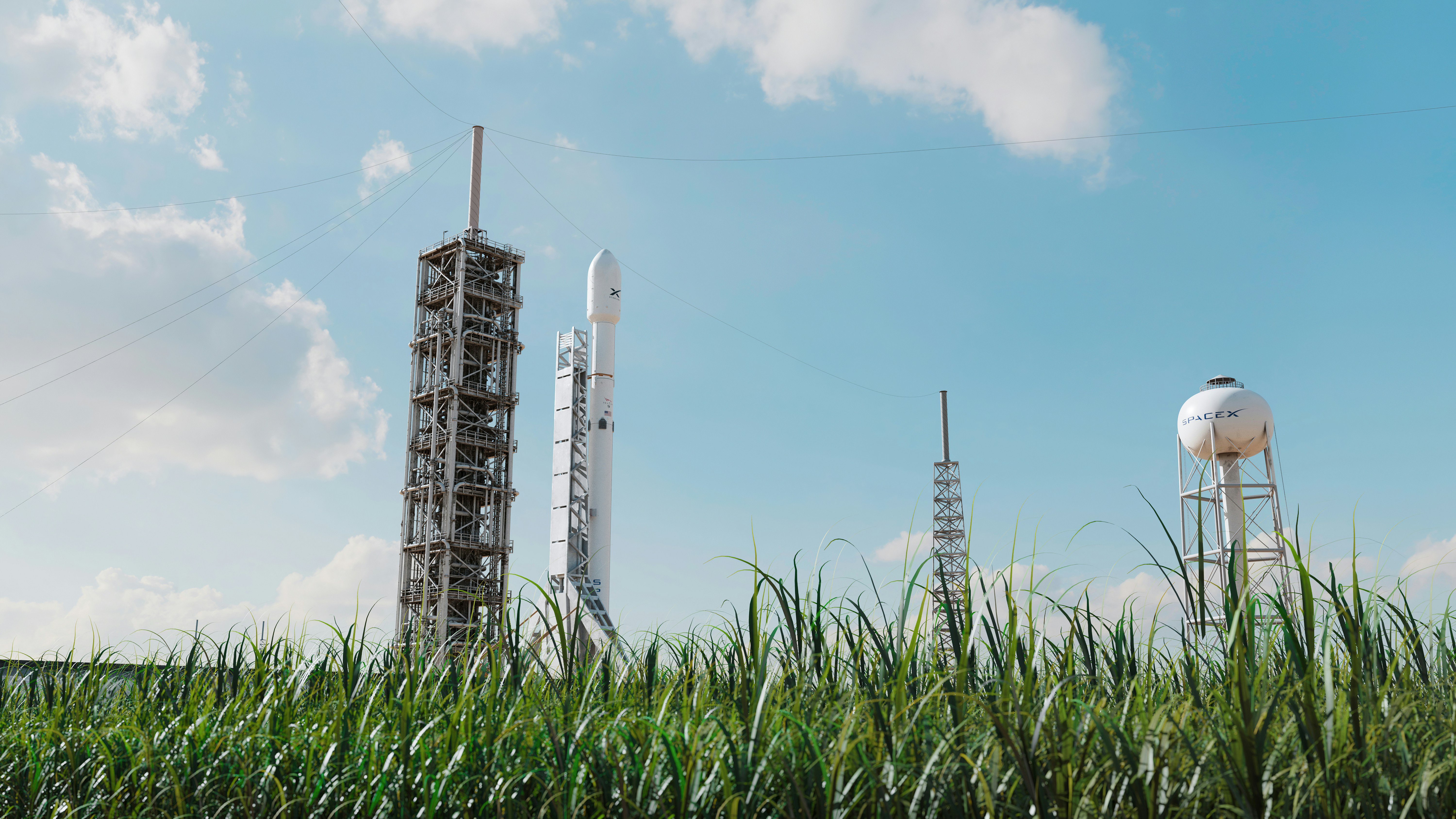
SpaceX wraps up 2024 with successful Starlink and Astranis launches, while reflecting on a monumental year for the Starship program.

On April 22, 2026, the FAA published a final rule implementing per-launch user fees for commercial space transportation — the first time the U.S. government has charged payload-based fees for rocket launches. Starting at 25 cents per pound with a $30,000 cap, the fees are modest today. By 2033, they won't be.
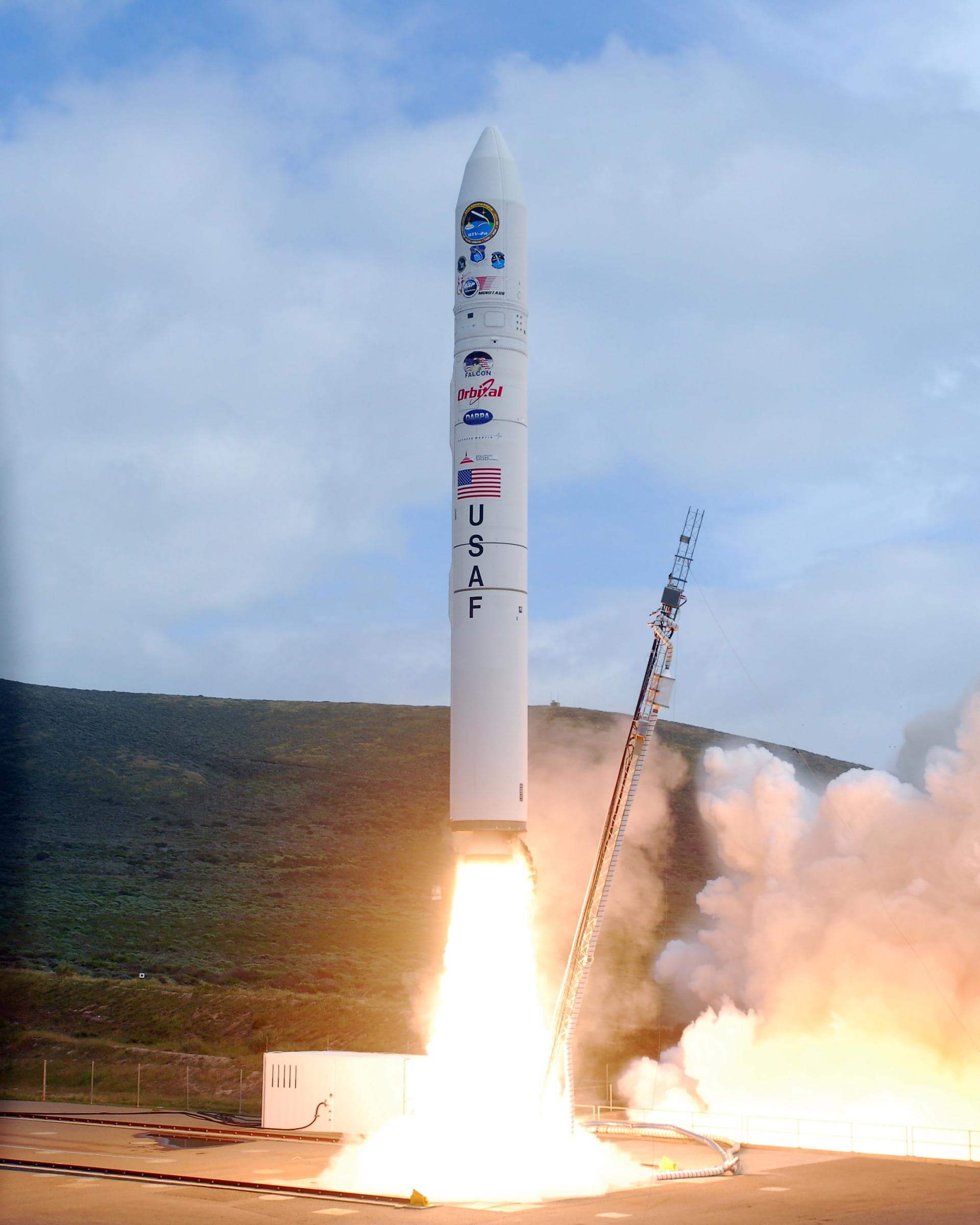
Today's brief covers crucial developments in satellite technology and operations, including new Starlink launches, groundbreaking satellite data on flood waves, and pivotal changes in South African telecom policy driven by Starlink.

As Ukraine explores alternatives to SpaceX's Starlink, the potential adoption of Eutelsat OneWeb's satellite network raises critical questions about connectivity, resilience, and strategic autonomy.

How a controversial telescope network has become a significant player in tracking the increasingly crowded orbital environment, raising important questions about transparency, dual-use technologies, and the future of space situational awareness.