STARLINK-1178 (45063)

COSPAR: 2020-006V | Alt Name: Starlink 1178
DECAYED

Image
STARLINK-1178 Satellite Image
Additional Sources
Launch Details

Launch Date

January 29, 2020

Launch Pad

LC40

Launch Vehicle

Falcon 9

Orbital Elements

NORAD ID

45063

International Designator

2020-006V

Decay Date

10/31/2021

Basic Satellite Info

Name

STARLINK-1178

Alternative Name

Starlink 1178

Type

Payload

Status

Decayed

Owner

SPXS

Country

United States

Constellation

N/A

Related Satellites

Major Events

N/A

Summary
STARLINK-1178 is a communication satellite operated by SpaceX (SPXS), belonging to the Starlink constellation. It was launched on January 29, 2020, from Cape Canaveral Air Force Station's Launch Complex 40 using a Falcon 9 launch vehicle. The satellite measures 0.2 meters in length with a diameter of 2.8 meters and spans 9 meters. Its dry mass is 248 kilograms while the total launch mass was 260 kilograms. It is equipped with a Ku/Ka-band payload, optical inter-satellite links (on prototype versions), solar arrays for power generation, and Krypton ion thrusters for propulsion. The satellite's shape consists of a box structure with an additional panel configuration.

Starlink is a satellite constellation developed by SpaceX with the aim of providing global broadband internet coverage. Thousands of small satellites are deployed in low Earth orbit (LEO), enabling high-speed internet access even in remote areas. However, the rapid increase in satellites raises concerns about space debris and the potential for collisions, which can lead to further debris creation and endanger other spacecraft. Additionally, the sheer number of Starlink satellites can affect astronomical observations by increasing light pollution. Proper deorbiting plans and international coordination are essential to mitigate these challenges and ensure long-term sustainability in space.
Physical Characteristics

Length

0.2

Diameter

2.8

Span

9

Dry Mass

248

Launch Mass

260

Shape

Box + pan

Radar Cross Section

Unknown

Visual Magnitude

Unknown

Color

Unknown

Material Composition

Unknown

Technical Details

Payload

Starlink V1.0-L3-20

Purpose

Communication

Mission

Communication

Manufacturer

SPXS

Life Expectancy

Unknown

Bus

Starlink

Configuration

Unknown

Motor

Krypton ion thrusters

Equipment

Ku/Ka-band payload (all), optical inter-satellite links (a few prototypes)

Power System

Solar arrays, batteries

ADCS

Unknown

Transmitter Frequency

Unknown

Satellite Articles

View All Posts »

Learn more about satellites and other related topics.

Space Force Plans to Double Active-Duty Force by 2030 | KeepTrack Space Brief

Space Force Plans to Double Active-Duty Force by 2030 | KeepTrack Space Brief

Space Force confirms plan to double active-duty Guardians by 2030, targeting faster response to satellite anomalies and adversary maneuvers in space domain awareness operations.

X Report 28 Apr 2025

X Report 28 Apr 2025

SpaceX marks a milestone with its 250th Starlink mission, continuing to expand its broadband satellite network.

Space Brief 24 Jan 2025

Space Brief 24 Jan 2025

Today's highlights include China's launch of classified TJS-14 satellite, Boeing's defense program losses, and the fourth batch launch of Thousand Sails satellites.

Space Brief 24 Aug 2025

Space Brief 24 Aug 2025

Today's brief covers SpaceX's secretive military launch, advancements in nuclear fusion, and groundbreaking observations of dying stars and supernovae.

X Report 28 Jul 2025

X Report 28 Jul 2025

SpaceX continues its ambitious satellite deployment schedule with two successful Starlink launches in just 24 hours, enhancing global connectivity.

GAO Flags Risks in SDA Missile-Tracking Satellites, Lawmakers Push GPS Anti-Jam | KeepTrack Space Brief

GAO Flags Risks in SDA Missile-Tracking Satellites, Lawmakers Push GPS Anti-Jam | KeepTrack Space Brief

GAO warns SDA missile-tracking satellite program overestimates tech readiness. SPACECOM pushes expanded on-orbit warfighting exercises. Congress advocates for enhanced GPS anti-jam capabilities.

Sally Ride and the Twenty Years It Took America to Catch Up

Sally Ride and the Twenty Years It Took America to Catch Up

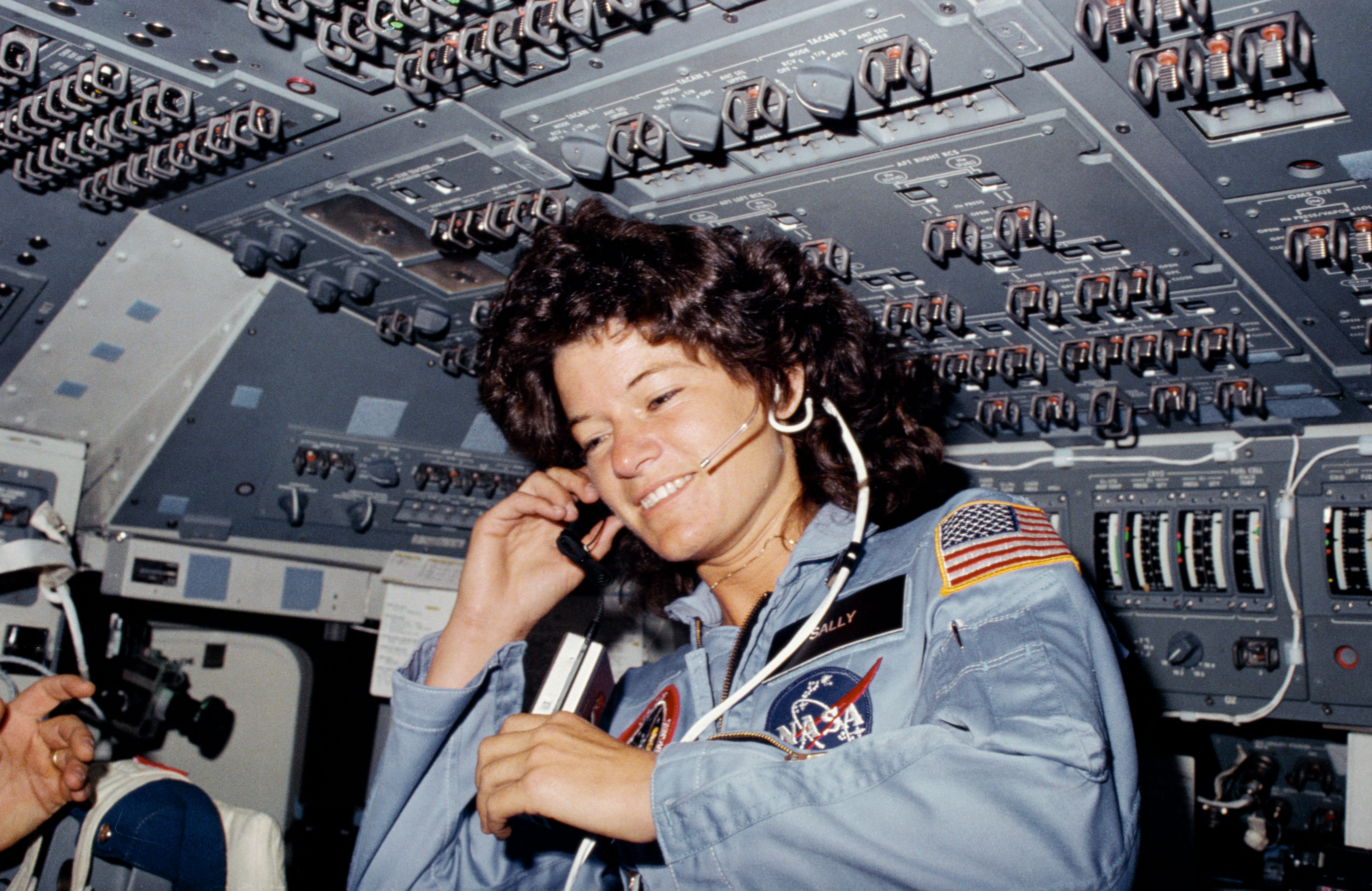
At 7:33 on the morning of 18 June 1983, a 32-year-old astrophysicist named Sally Ride rode Challenger off Pad 39A and became the first American woman in space. She got there two decades after the Soviets, and only after months of being asked whether spaceflight would damage her reproductive organs and whether she planned to cry.

Space Brief 4 Dec 2025

Space Brief 4 Dec 2025

Today's brief covers SpaceX's Starship launch approval, Antares' nuclear funding, and shifts in global space defense strategies.