

X Report 26 Nov 2024
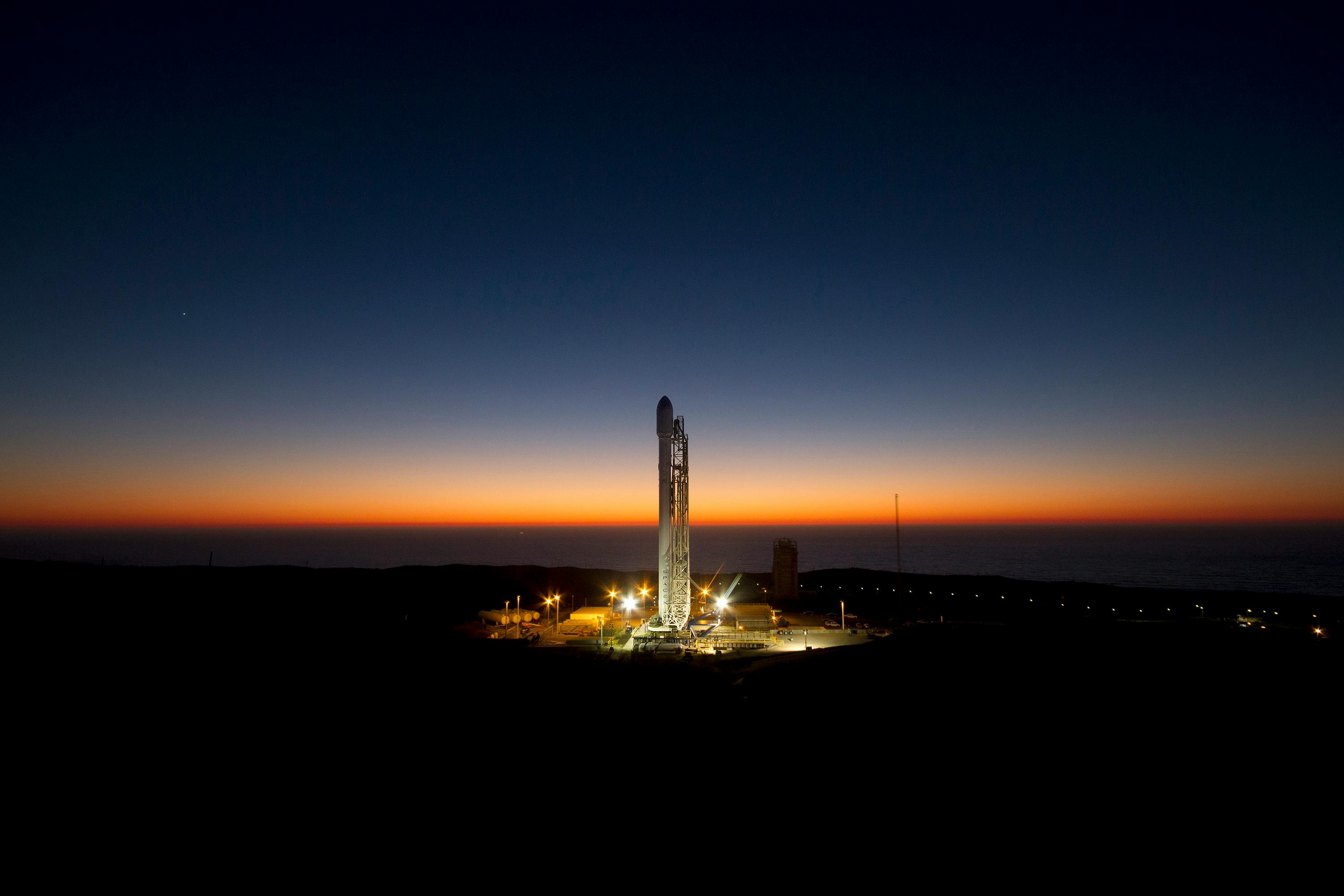
SpaceX sets launch milestones with quick turnarounds and new Starlink deployments, while eyeing rapid Starship expansions next year.


Launch Date
January 15, 2020
Launch Site
TAISC
Launch Pad
LC9
Launch Vehicle
Chang Zheng 2D
NORAD ID
45018
International Designator
2020-003C
Decay Date
9/30/2023
Name
NUSAT-8 (MARIE)
Alternative Name
Marie
Type
Status
Owner
URUGUS
Country
Uruguay
Constellation
N/A
Related Satellites
Major Events
N/A
Length
0.75
Diameter
0.4
Span
0.75
Dry Mass
37
Launch Mass
37
Shape
Box
Radar Cross Section
Unknown
Visual Magnitude
Unknown
Color
Unknown
Material Composition
Unknown
Payload
Nusat-8
Purpose
Earth observation
Mission
Earth observation
Manufacturer
URUGUS
Life Expectancy
3-4 years
Bus
Aleph
Configuration
Unknown
Motor
None
Equipment
Imaging payload (all), LUSEX U/V linear transponder payload (#1)
Power System
Solar cells, batteries
ADCS
Unknown
Transmitter Frequency
Unknown
Learn more about satellites and other related topics.
SpaceX sets launch milestones with quick turnarounds and new Starlink deployments, while eyeing rapid Starship expansions next year.
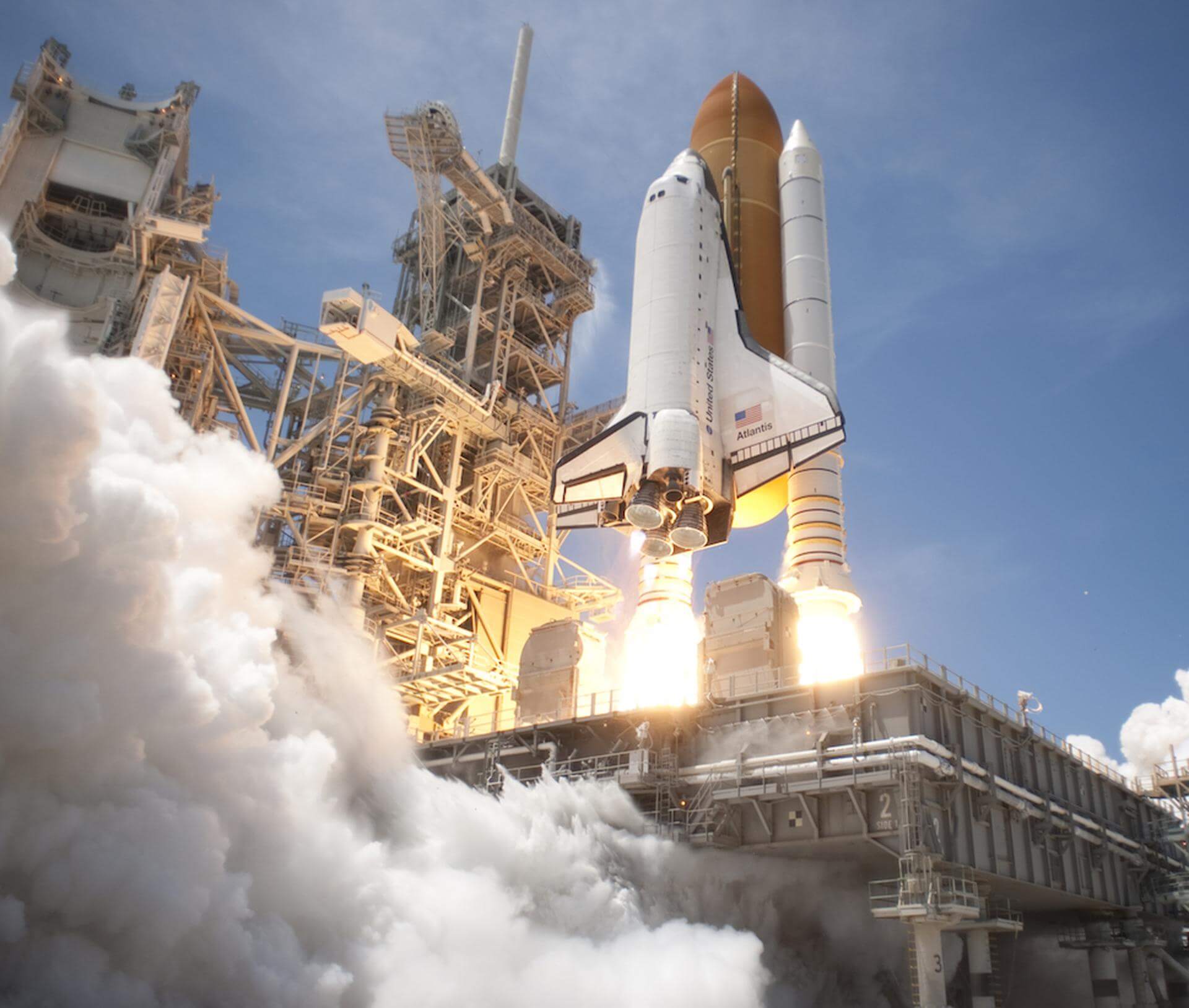
Rocket Lab to acquire Iridium's 66-satellite LEO constellation for end-to-end vertical integration. Deal includes spacecraft manufacturing, launch, and on-orbit operations control.

Forty-one years ago, astronaut Bruce McCandless II became the first human to float completely free in space, pushing the boundaries of both technology and human courage
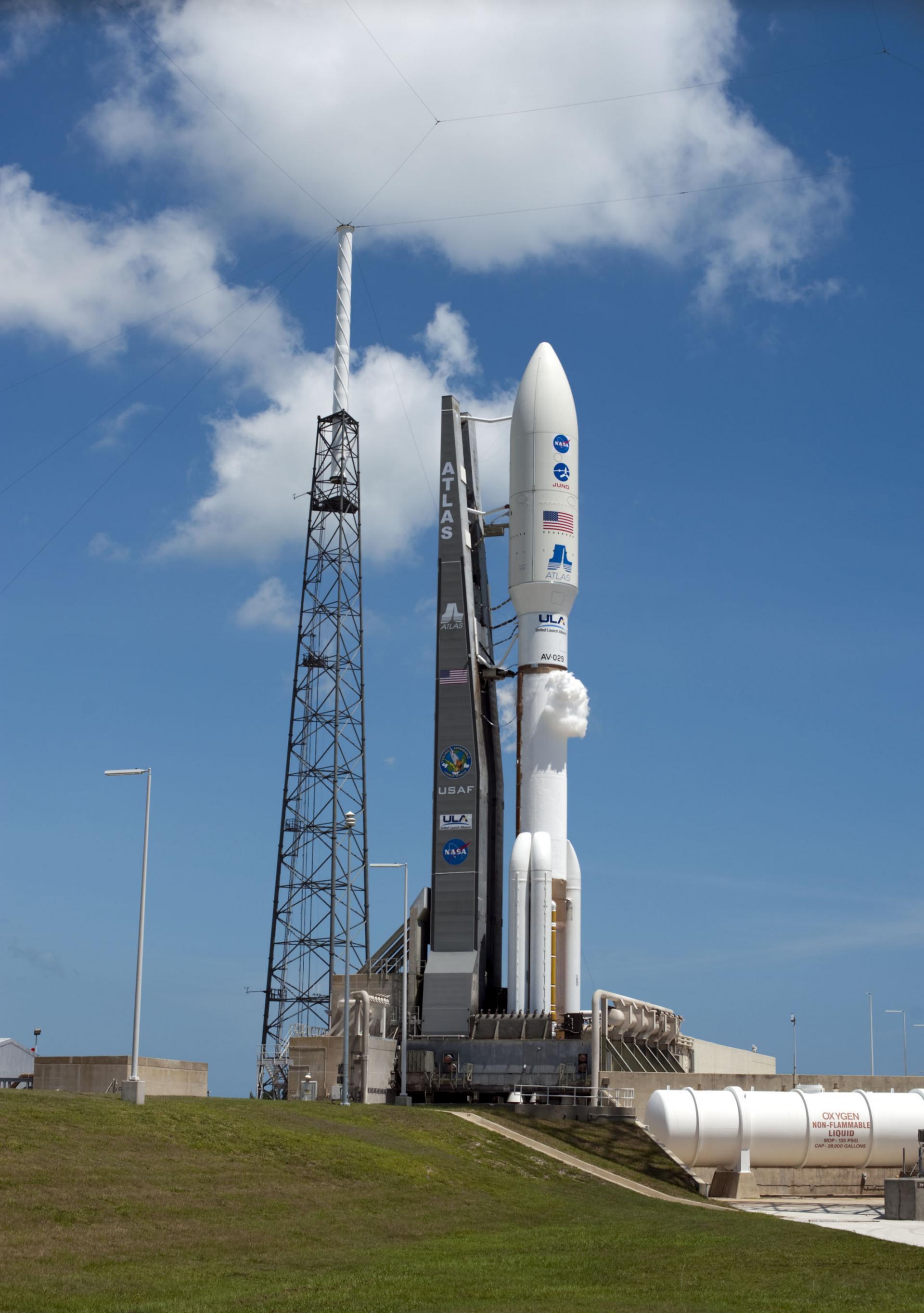
Today's Space Brief covers major developments in Pentagon procurement methods, strategic satellite intelligence advancements, and increasing interest in drone technology within the defense sector.
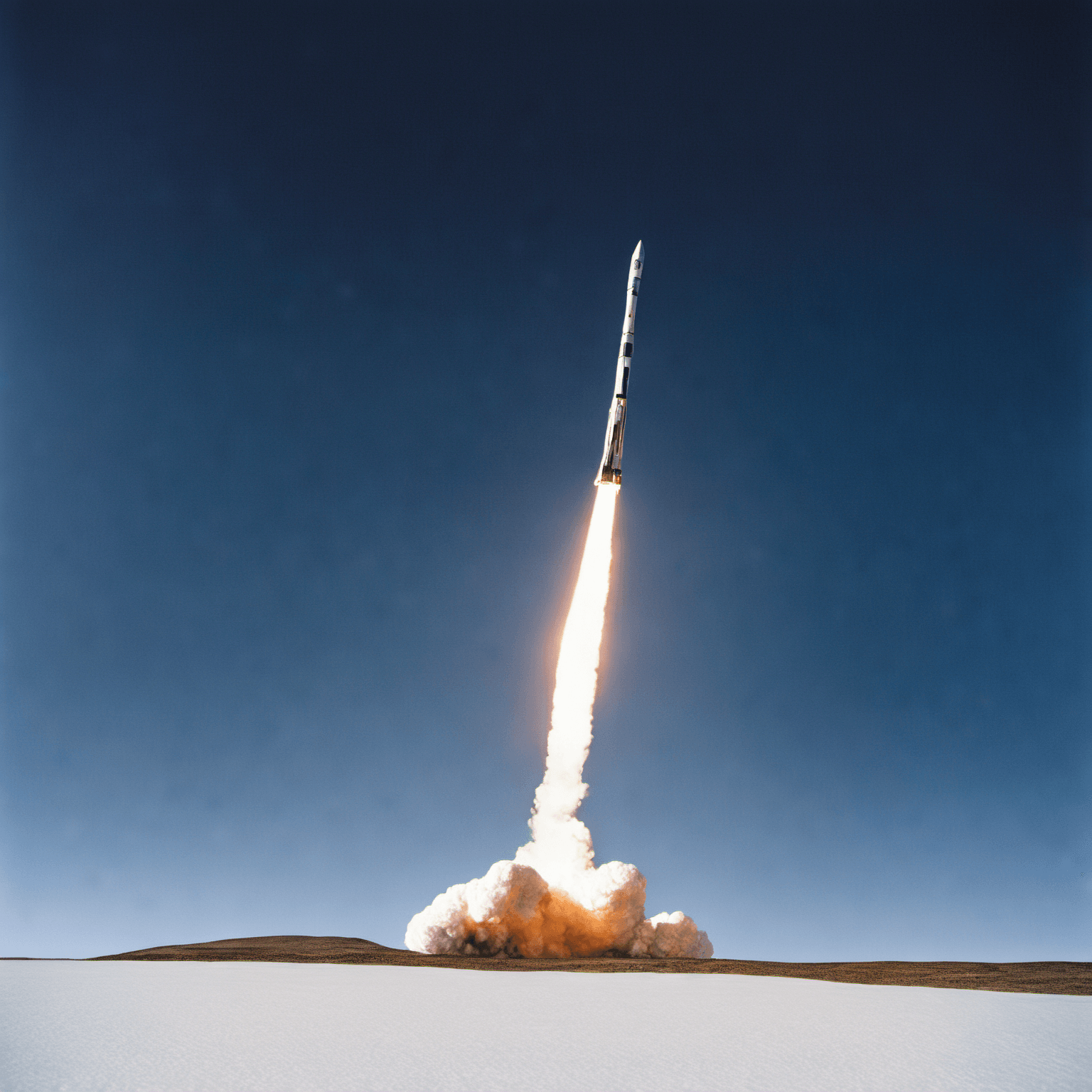
Rocket Lab's successful Electron return to flight, China's third Shenlong mission, lessons from Virgin Orbit's failure in the UK, Hubble's 30-year post-repair anniversary, and a summary of recent global launches.

Today's briefing covers the Long March 12A's first launch, a major advance in space radio communication, and highlights from key military developments impacting space operations.

Today's space brief covers NASA's shift to private companies for astronaut rescue, EU's potential collaboration with SES for satellite services, and notable military contract allocations. Plus, a satellite spotlight on LEMUR-2-KADI.
Today's Space Brief covers the Space Force's AI integration, NASA's lunar nuclear reactor plans, ESA's Flight Ticket Initiative, Martian mantle revelations, and SpaceX's latest Starlink launch.