


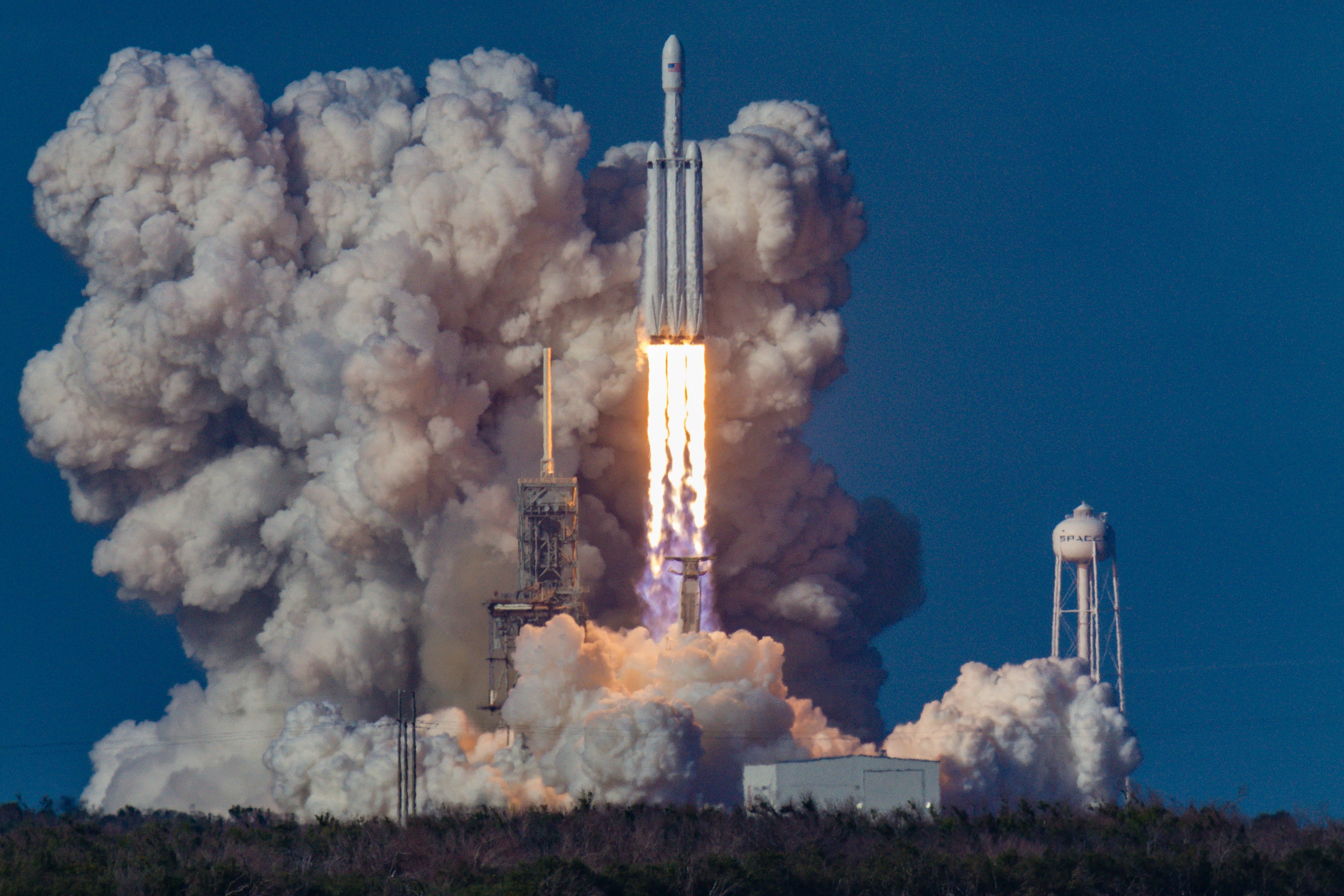
X Report 1 Jul 2025
SpaceX gears up for an exciting July with a doubleheader launch planned for the east coast and ongoing advancements in Starlink technology.


Launch Date
June 22, 1960
Launch Site
Launch Pad
LC-17B
Launch Vehicle
Thor-Able-Star
NORAD ID
00045
International Designator
1960-007A
Epoch
Sat, 04 Jul 2026 02:02:40 GMT
Apogee
Calculating...
Perigee
Calculating...
Inclination
66.69°
Right Ascension
315.51°
Eccentricity
Calculating...
Argument of Perigee
148.32°
Period
100.28 min
Mean Motion
14.36 rev/day
Latitude
Calculating...
Longitude
Calculating...
Altitude
Calculating...
Velocity
Calculating...
Name
TRANSIT 2A
Alternative Name
Transit II-A
Type
Status
Owner
Bureau of Naval Weapons (BUWEPS)
Country
United States
Constellation
Transit
Related Satellites
Major Events
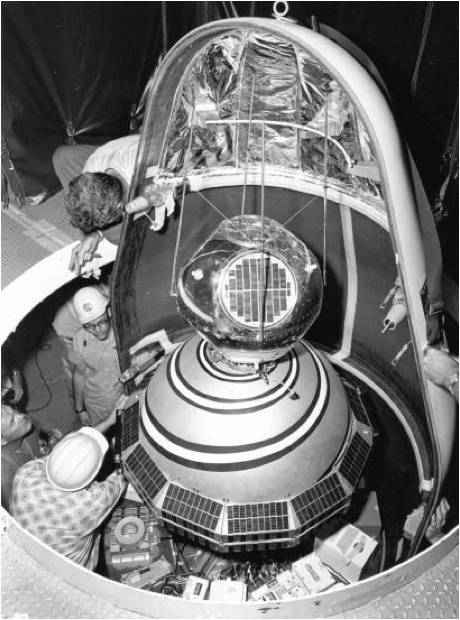
Launched on June 22, 1960, Transit 2A was part of the U.S. Navy's Navigation Satellite System, providing accurate global position data to support naval operations. It was the first satellite to carry a de-spin system to stabilize its orientation in space.
1 00045U 60007A 26185.08519143 .00000611 00000-0 17536-3 0 9998
2 00045 66.6948 315.5071 0244537 148.3152 213.2939 14.35986015382476
Source: Celestrak
Length
0.9
Diameter
0.9
Span
0.9
Dry Mass
101
Launch Mass
101
Shape
Sphere
Radar Cross Section
0.4368
Visual Magnitude
5
Color
White with spiral antenna pattern
Material Composition
Fiberglass shell with honeycomb plastic filler; aluminum instrument tray; pressure-laminated fiberglass support tube.
Payload
Transit 2A
Purpose
Navigation
Mission
Navigation
Manufacturer
Applied Physics Laboratory (APL)
Life Expectancy
Operated for over 6 years, transmitting valuable data that bolstered understanding in geophysical and solar research.
Bus
Transit
Configuration
Sphere
Motor
None
Equipment
Two transmitting systems, each transmitting on two frequencies: 54 MHz and 324 MHz, and 162 MHz and 216 MHz; silver-zinc and nickel-cadmium batteries; two command receivers; a de-spin system; and an infrared scanner designed for special studies by the Naval Ordnance Test Station.
Power System
Solar cells (body mounted), batteries
ADCS
Spin stabilization with de-spin system
Transmitter Frequency
54 MHz, 162 MHz, 216 MHz, 324 MHz
Learn more about satellites and other related topics.
SpaceX gears up for an exciting July with a doubleheader launch planned for the east coast and ongoing advancements in Starlink technology.
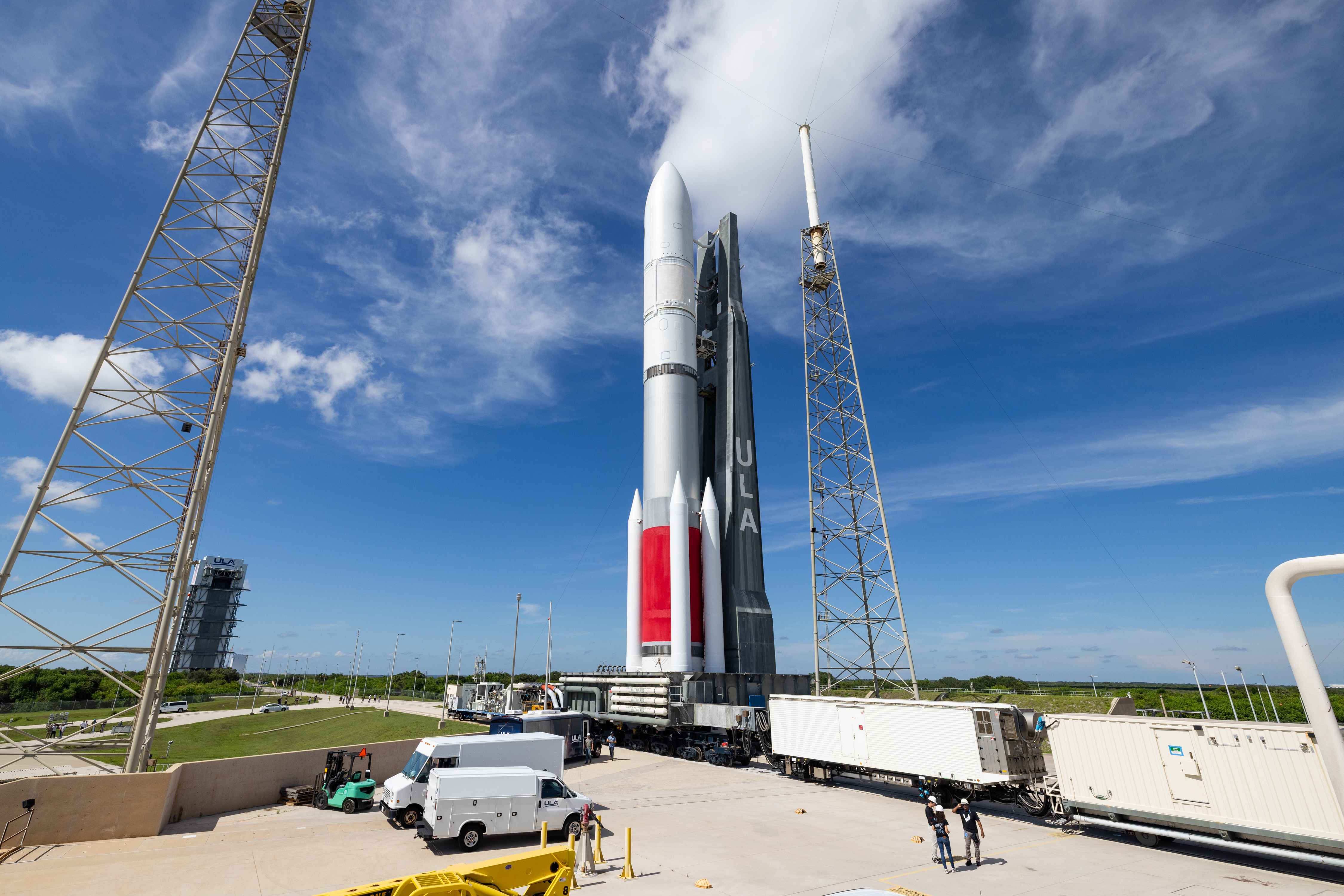
Senate clears $839B defense spending bill ensuring Pentagon space domain funding. L3Harris reaffirms space sector commitment amid Golden Dome expansion. York Space raises $629M in public offering.
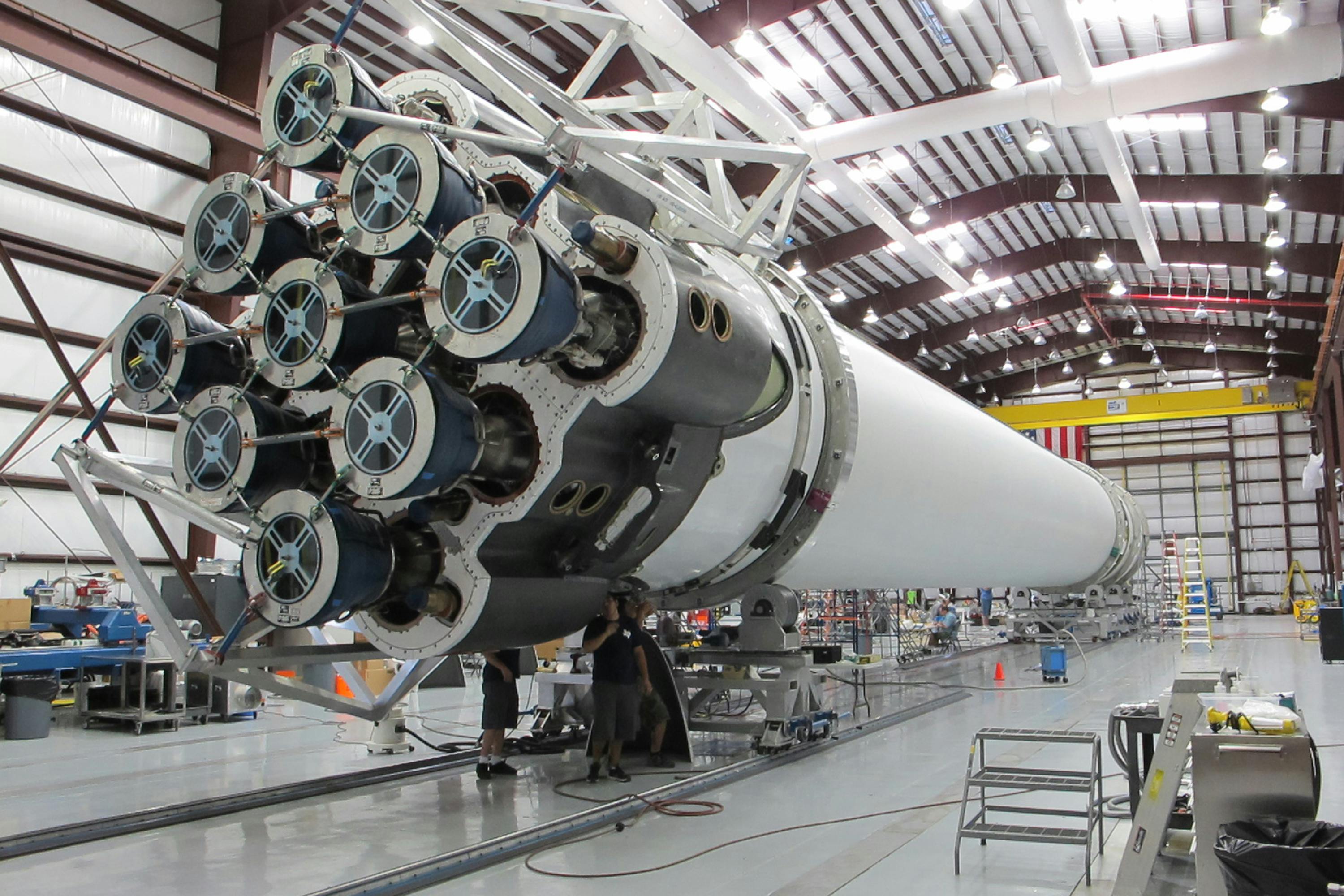
SpaceX continues to dominate the space launch market with a new Starlink mission, breaking Florida's annual launch record. The latest batch of satellites enhances global broadband coverage.
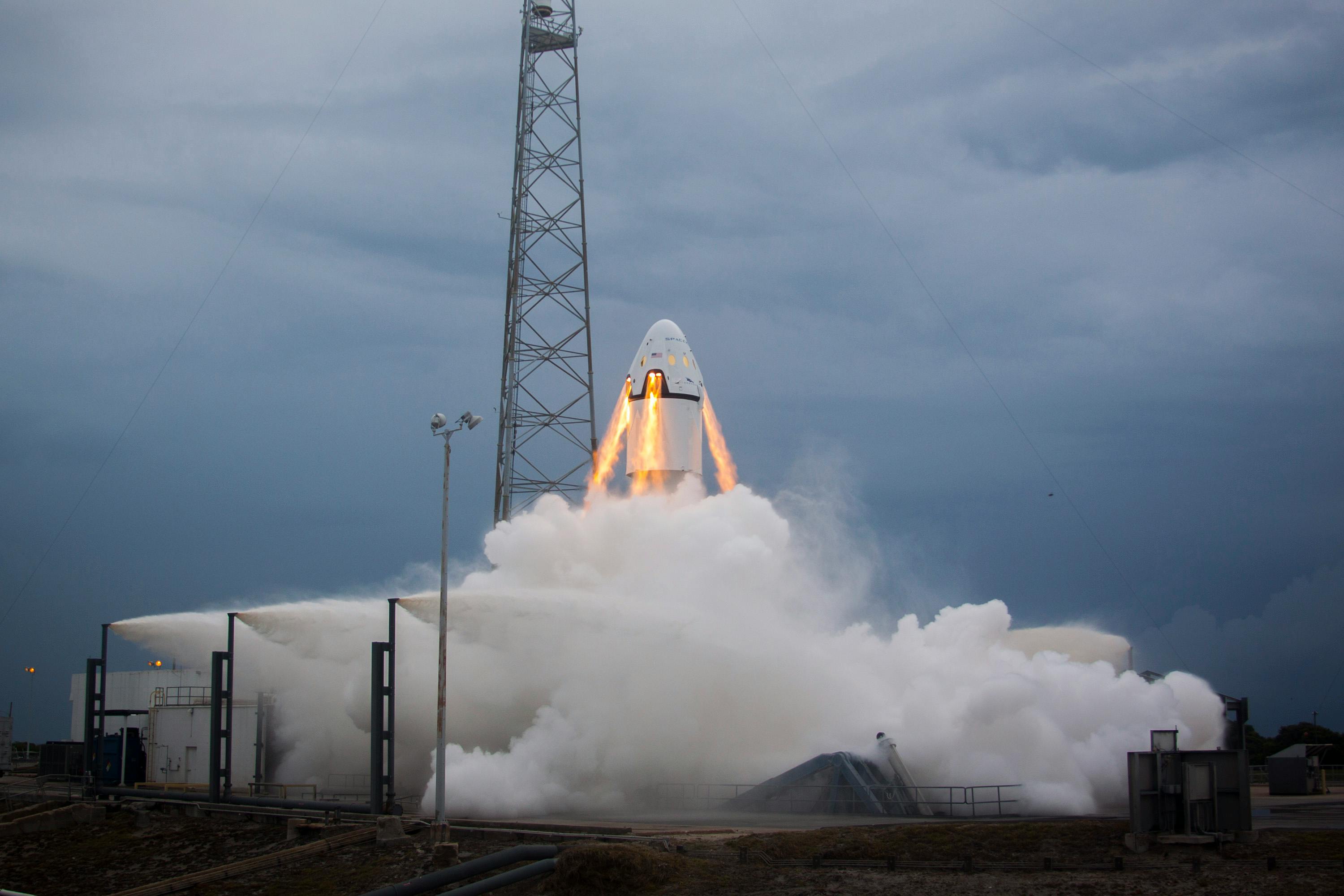
SpaceX continues strong momentum in June with successful satellite launches, a new service from Telstra, and updates on upcoming missions. Key developments are shaping the future of both space travel and satellite communications.
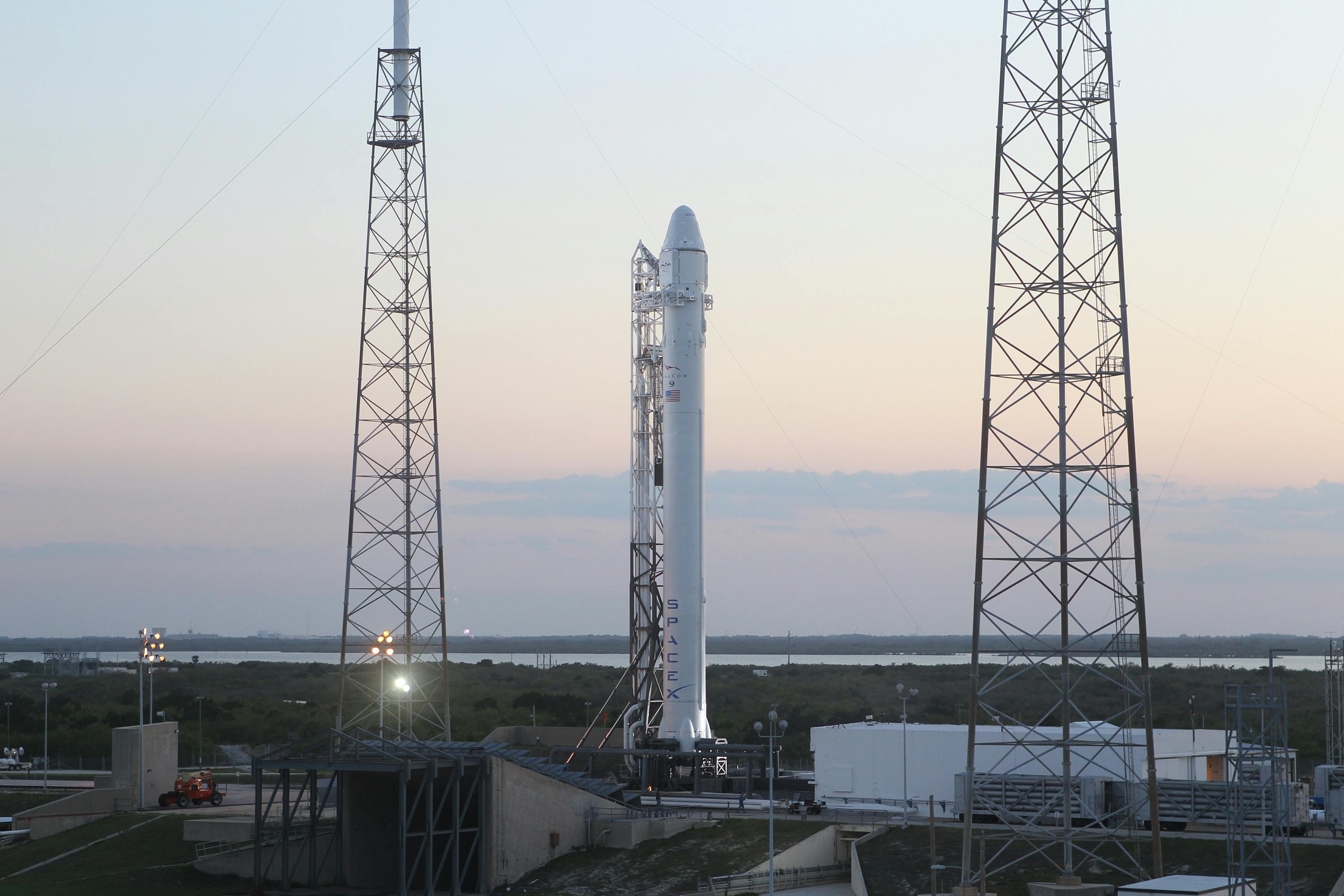
SpaceX continues to expand its Starlink network with multiple launches and gains momentum in international markets, while revisiting launch tariffs and new regulations.

SpaceX advances pre-launch tests amid Starlink deployment surge and strategic expansions in Texas.
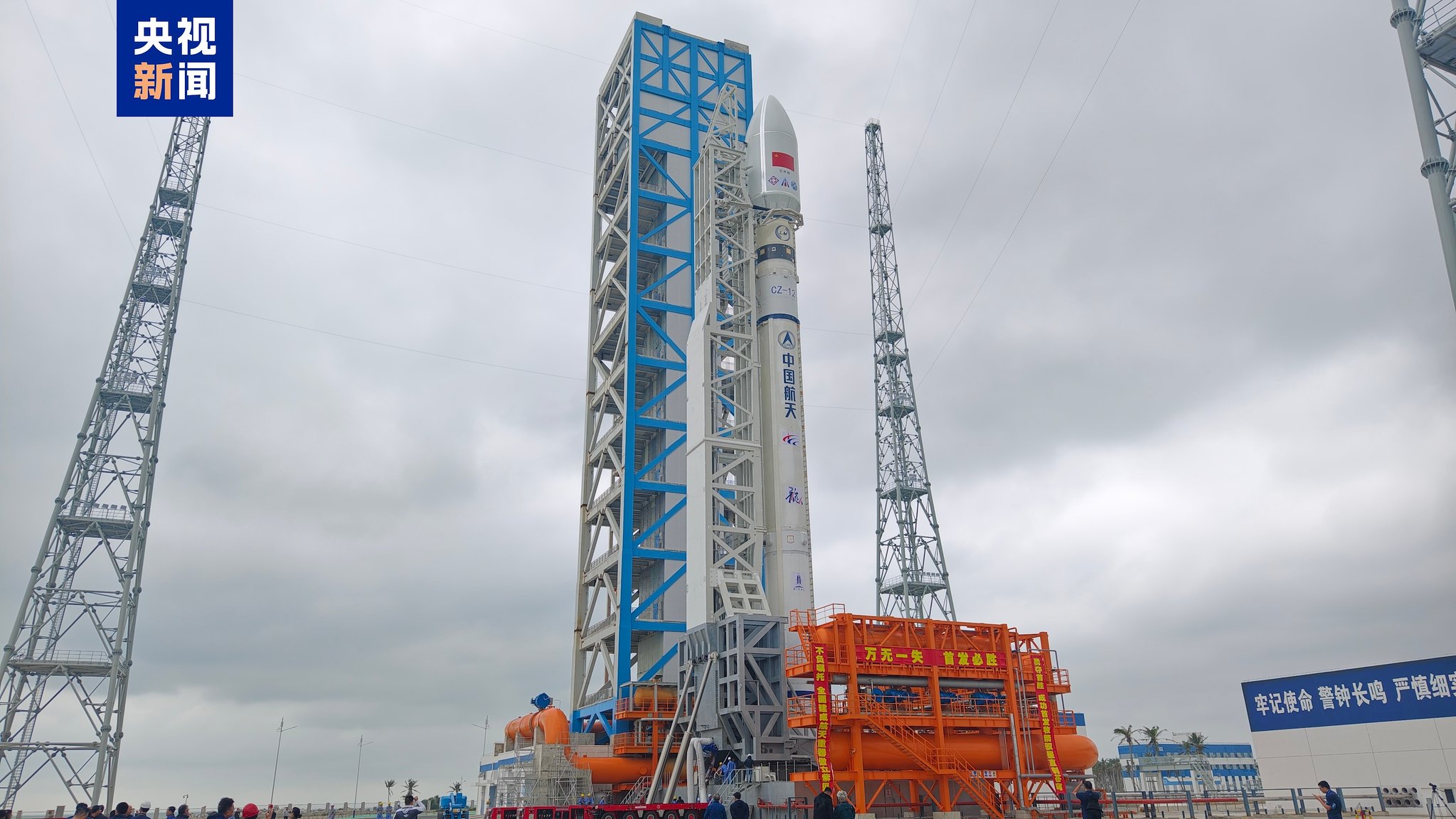
Today's brief covers China's new GEO Yaogan satellite launch, India's record-mass commsat, military tech updates, autonomous systems for maritime security, and insights from satellite imagery of Hurricane Melissa's impact in Jamaica.
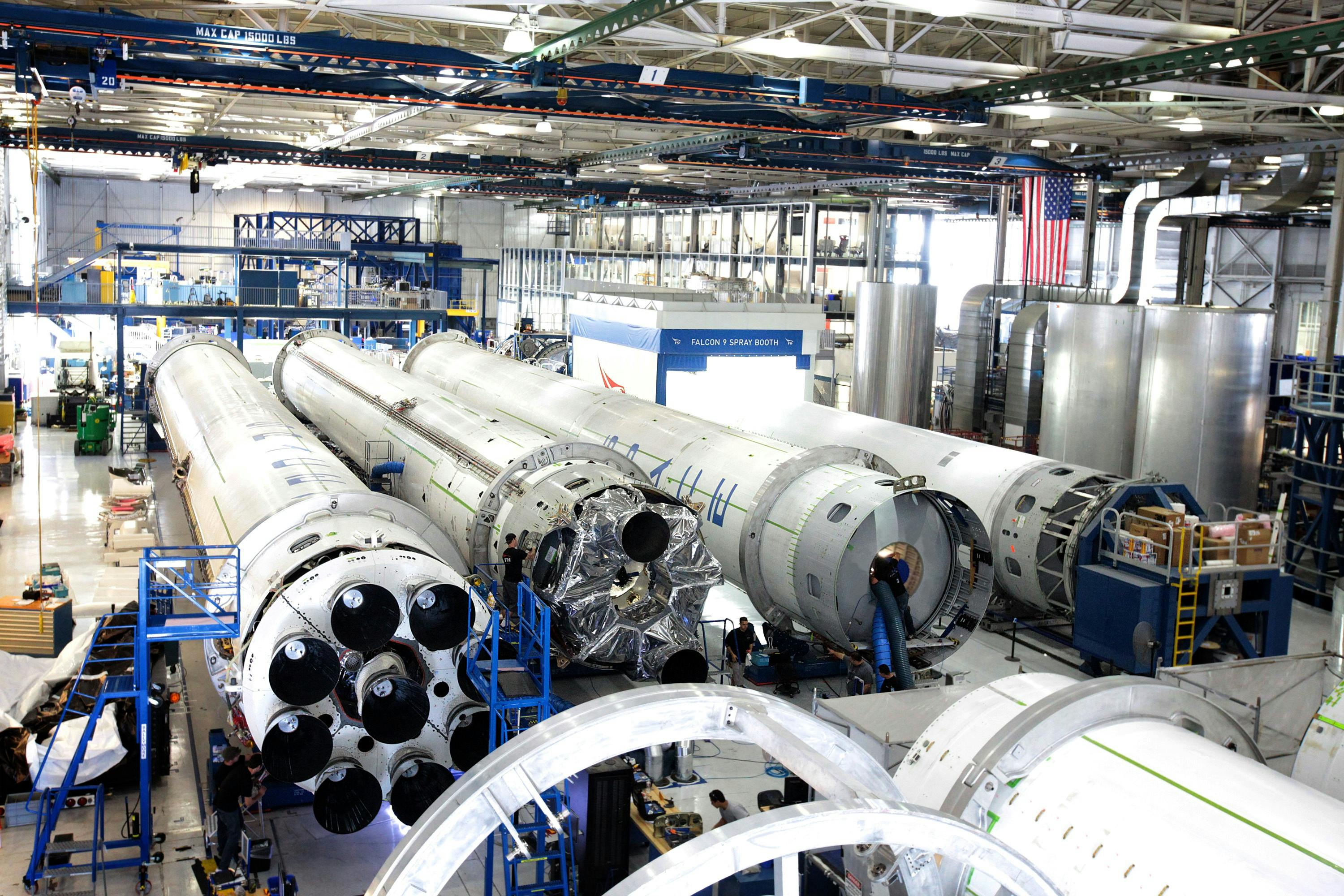
SpaceX Starfall reentry capsule debuted June 23: the 2,100 kg disk launched on a Falcon 9 from Cape Canaveral to demo cargo return from orbit.