


Space Brief 11 Mar 2025
Today's Space Brief highlights pivotal defense budget evaluations, Lithuania's growing defense connections, the first CubeSat for ESA's Ramses mission, and the one-year milestone of the Aries satellite in orbit.



Launch Date
January 7, 2020
Launch Site
Launch Pad
LC40
Launch Vehicle
NORAD ID
44929
International Designator
2020-001R
Decay Date
3/7/2024
Name
STARLINK-1121
Alternative Name
Starlink 1121
Type
Status
Owner
SPXS
Country
United States
Constellation
N/A
Related Satellites
Major Events
N/A
Length
0.2
Diameter
2.8
Span
9
Dry Mass
248
Launch Mass
260
Shape
Box + pan
Radar Cross Section
Unknown
Visual Magnitude
Unknown
Color
Unknown
Material Composition
Unknown
Payload
Starlink V1.0-L2-16
Purpose
Communication
Mission
Communication
Manufacturer
SPXS
Life Expectancy
Unknown
Bus
Starlink
Configuration
Unknown
Motor
Krypton ion thrusters
Equipment
Ku/Ka-band payload (all), optical inter-satellite links (a few prototypes)
Power System
Solar arrays, batteries
ADCS
Unknown
Transmitter Frequency
Unknown
Learn more about satellites and other related topics.
Today's Space Brief highlights pivotal defense budget evaluations, Lithuania's growing defense connections, the first CubeSat for ESA's Ramses mission, and the one-year milestone of the Aries satellite in orbit.
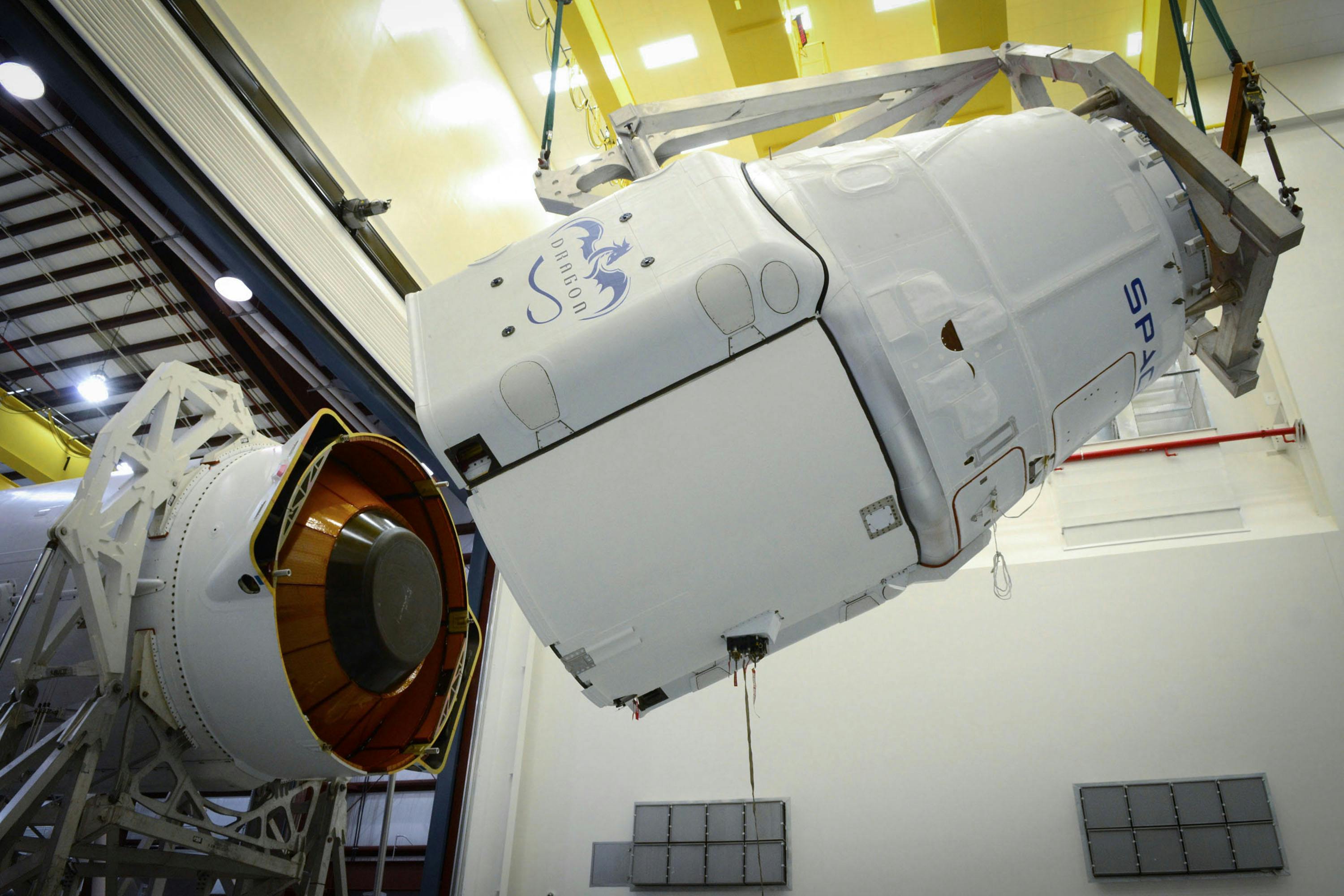
SpaceX gears up for Starship Flight 8 amidst Starlink's growing presence in global internet markets.
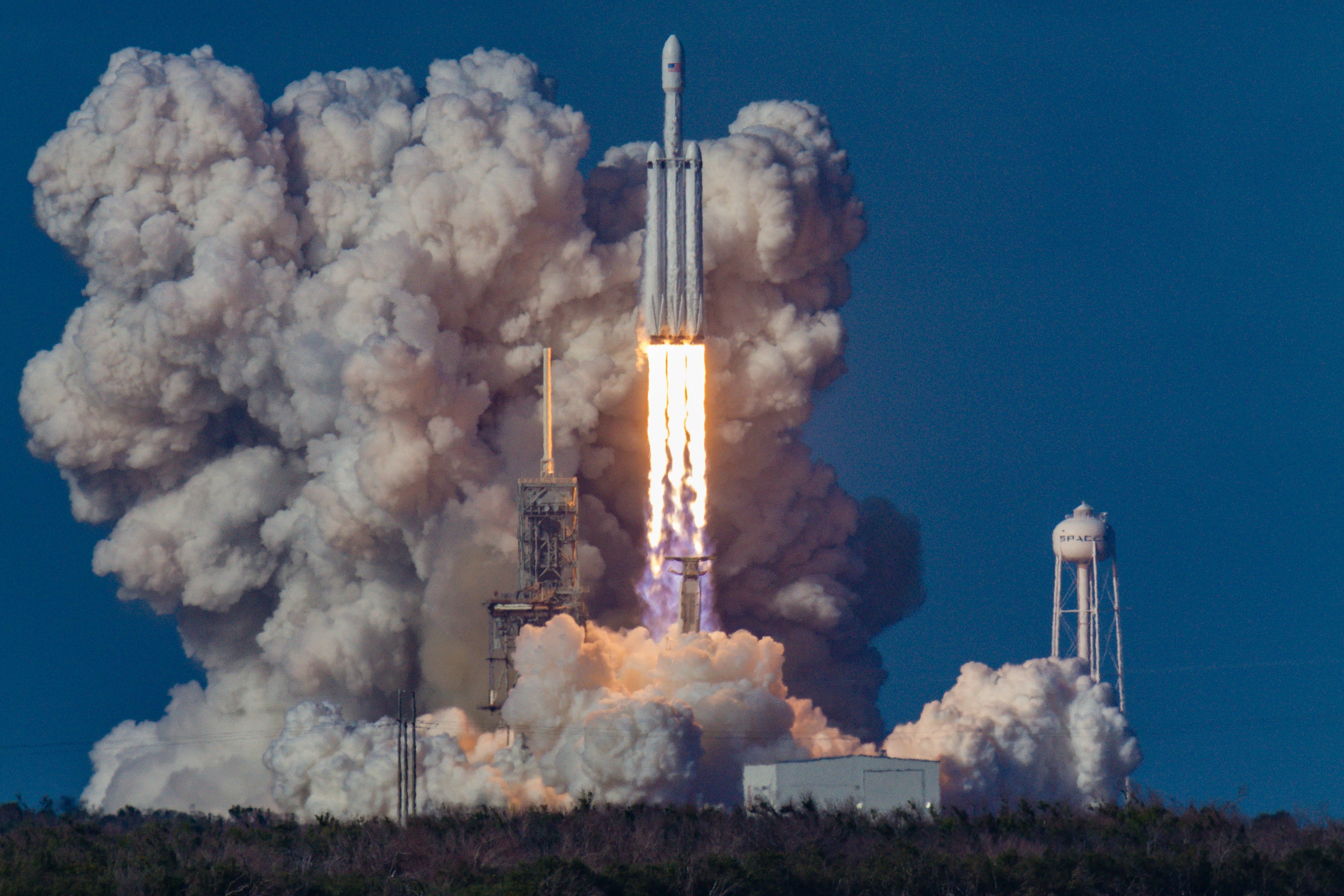
SpaceX achieves a remarkable milestone with its 50th Falcon 9 launch of 2025, while Starlink continues to expand, facing competition from China's megaconstellation efforts.

Musk confirms Starmind, an AI satellite constellation targeting 1 million orbital compute nodes. Starfall's debut and Dragon's ISS departure follow.
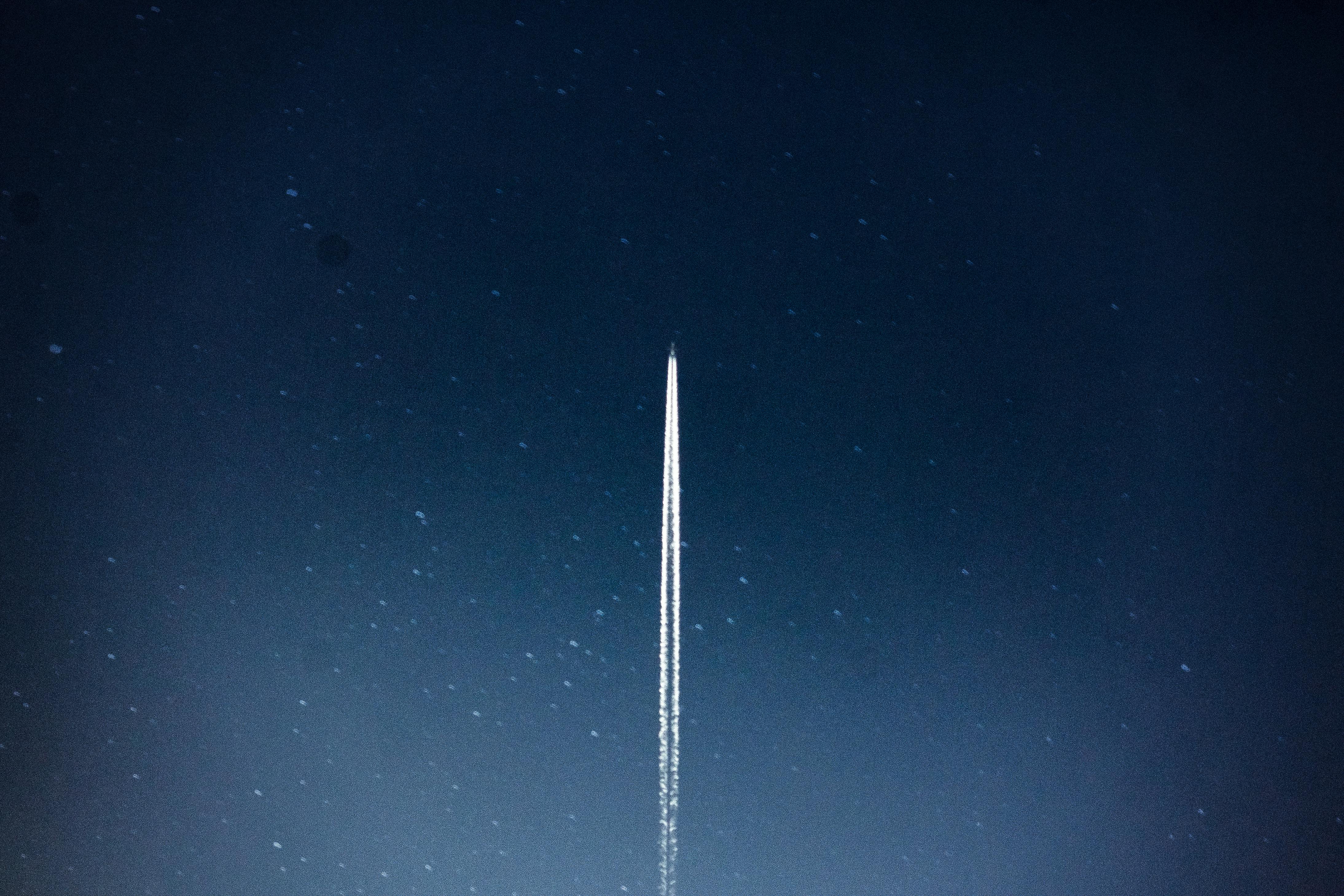
SpaceX launches its 32nd cargo mission to the ISS, and NRO marks a milestone with over 200 satellites deployed.
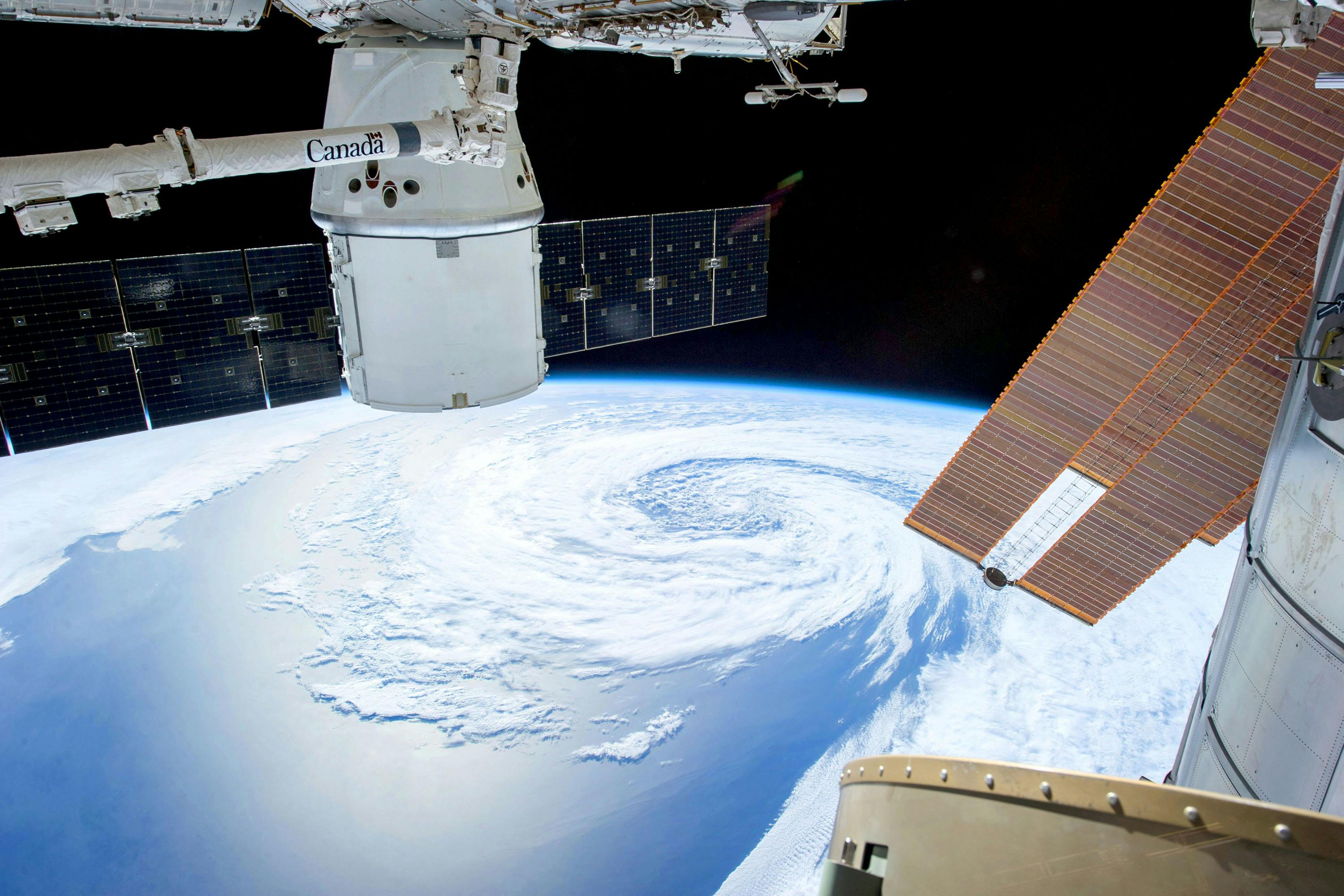
SpaceX marks another milestone and setback with Starship Flight 7, achieving a successful booster catch but losing the upper stage during ascent.

Today's briefing covers significant events including launch delays for SpaceX's Starship and Blue Origin's New Glenn, BepiColombo's landmark Mercury flyby, and the impact of Los Angeles fires on the space community.
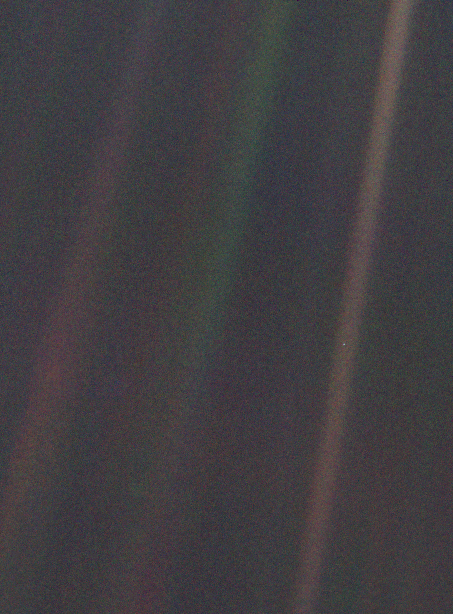
Thirty-five years ago, Voyager 1 captured a revolutionary series of images from the edge of our solar system, forever changing how humanity sees its place in the cosmos