


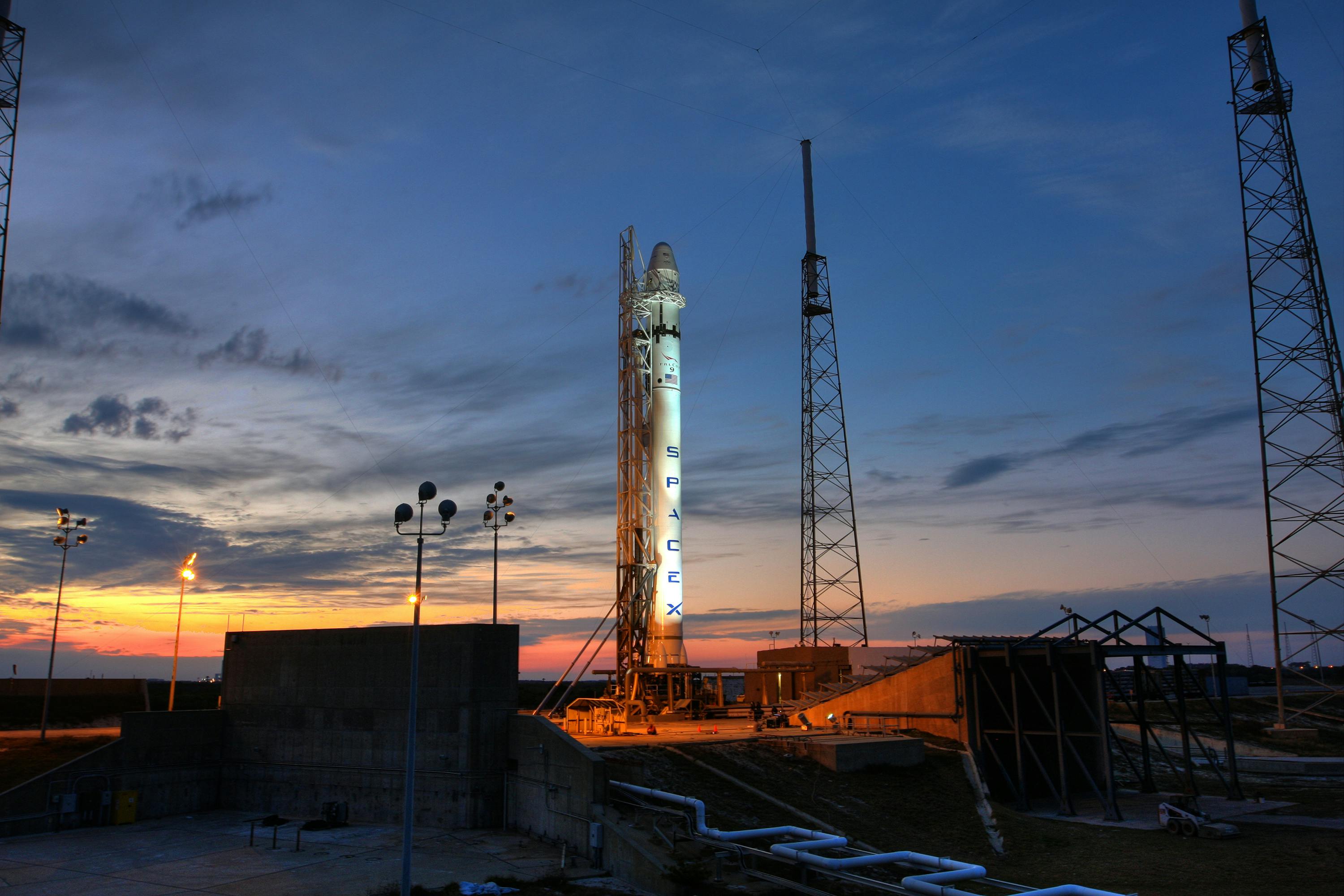
B1067 Flies Record 36th Mission on Starlink 10-42 | KeepTrack X Report
Booster B1067 sets a new Falcon 9 reuse record on its 36th flight, lifting Starlink 10-42 from Cape Canaveral at 5:25 a.m. EDT.


Launch Date
December 24, 2019
Launch Site
Launch Pad
LC81/24
Launch Vehicle
Proton-M/DM-3
NORAD ID
44904
International Designator
2019-095B
Epoch
Thu, 02 Jul 2026 20:41:04 GMT
Apogee
Calculating...
Perigee
Calculating...
Inclination
5.37°
Right Ascension
73.29°
Eccentricity
Calculating...
Argument of Perigee
276.42°
Period
1398.45 min
Mean Motion
1.03 rev/day
Latitude
Calculating...
Longitude
Calculating...
Altitude
Calculating...
Velocity
Calculating...
Name
BLOCK DM-SL R/B
Alternative Name
Blok DM-03 No. 3L
Type
Status
Owner
VVKOV
Country
Russia
Constellation
N/A
Related Satellites
Major Events
N/A
1 44904U 19095B 26183.86185491 -.00000049 00000-0 00000-0 0 9991
2 44904 5.3694 73.2870 0069938 276.4181 82.6518 1.02971053 24555
Source: Celestrak
Length
7.1
Diameter
3.7
Span
7.1
Dry Mass
2440
Launch Mass
19040
Shape
Cyl
Radar Cross Section
Unknown
Visual Magnitude
Unknown
Color
Unknown
Material Composition
Unknown
Payload
11S861-03 No. 3L
Purpose
Unknown
Mission
Unknown
Manufacturer
RKKE
Life Expectancy
Unknown
Bus
Blok DM2
Configuration
Unknown
Motor
11D58M
Equipment
Unknown
Power System
Unknown
ADCS
Unknown
Transmitter Frequency
Unknown
Learn more about satellites and other related topics.
Booster B1067 sets a new Falcon 9 reuse record on its 36th flight, lifting Starlink 10-42 from Cape Canaveral at 5:25 a.m. EDT.

SpaceX targets a $75B IPO valuing the company at $1.75T, as 50+ new Starlink satellites reach orbit via dual coast launches.
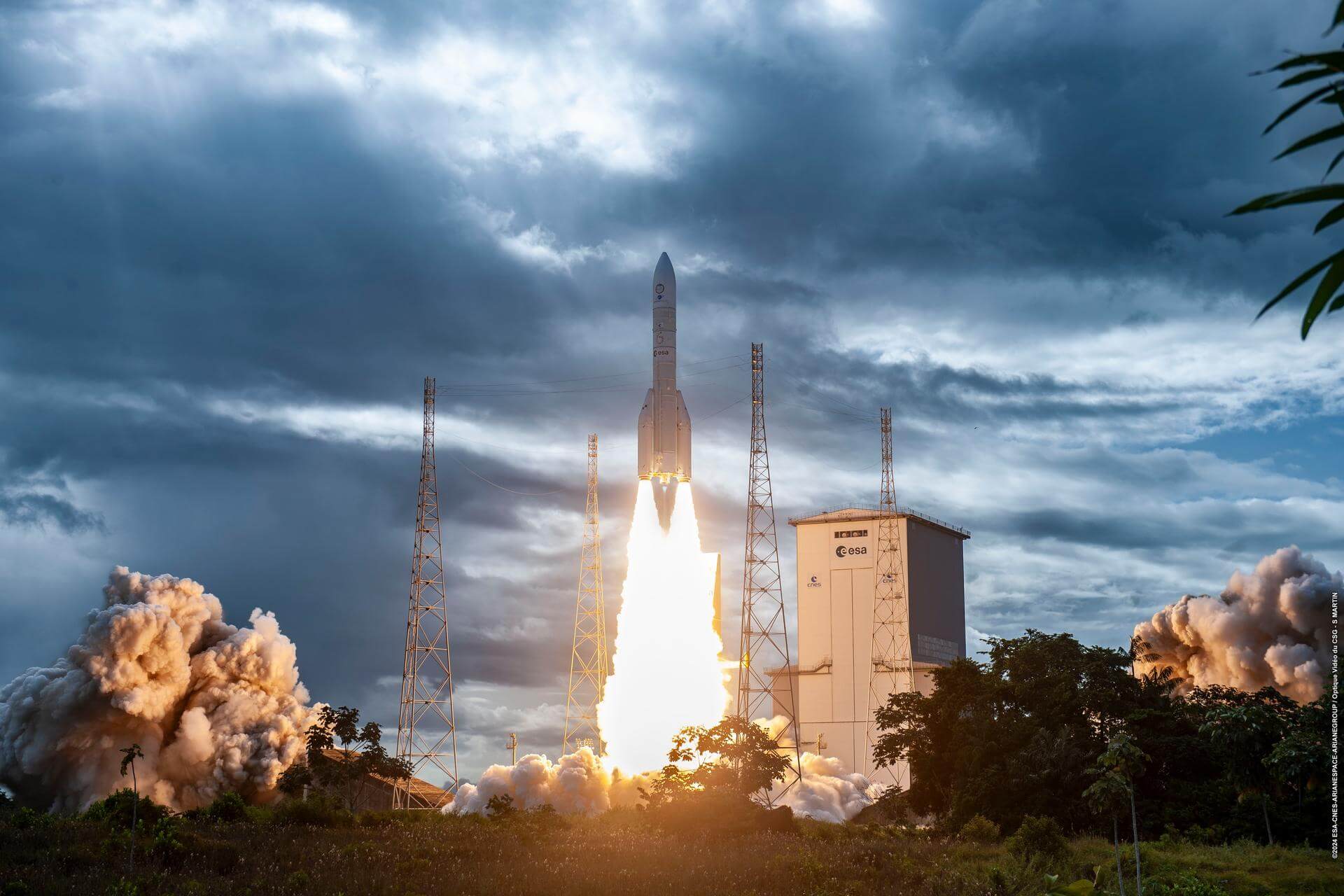
Spacewalks have resumed on the ISS, while Blue Origin prepares for a unique New Shepard mission. In other news, astronomers push for a ban on space ads and potential budget cuts threaten the JWST.
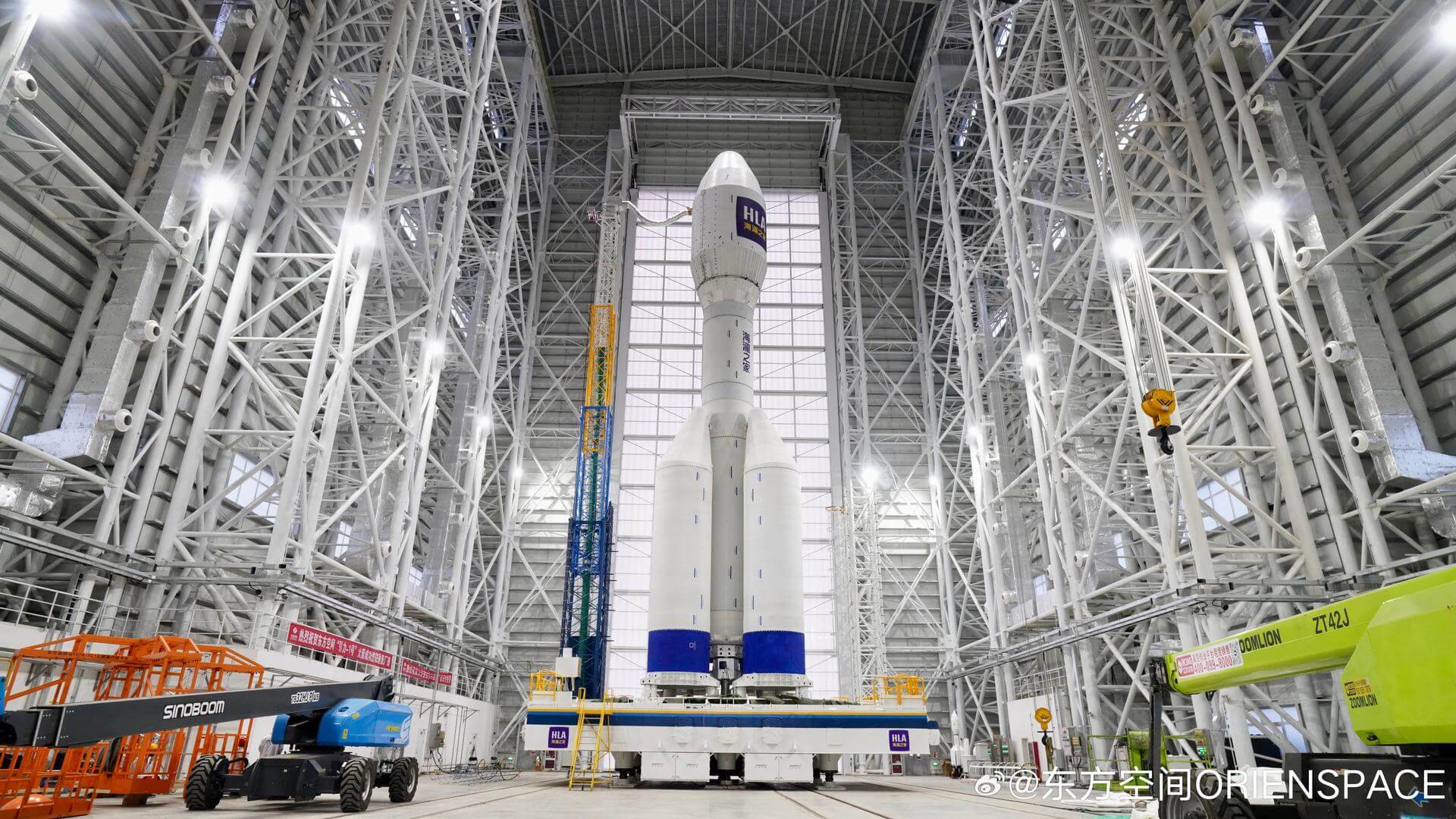
SpaceX Falcon 9 launches Starlink 10-50 with two Besxar semiconductor manufacturing test pods. In-space fabrication experiment explores cost reduction for commercial payloads.
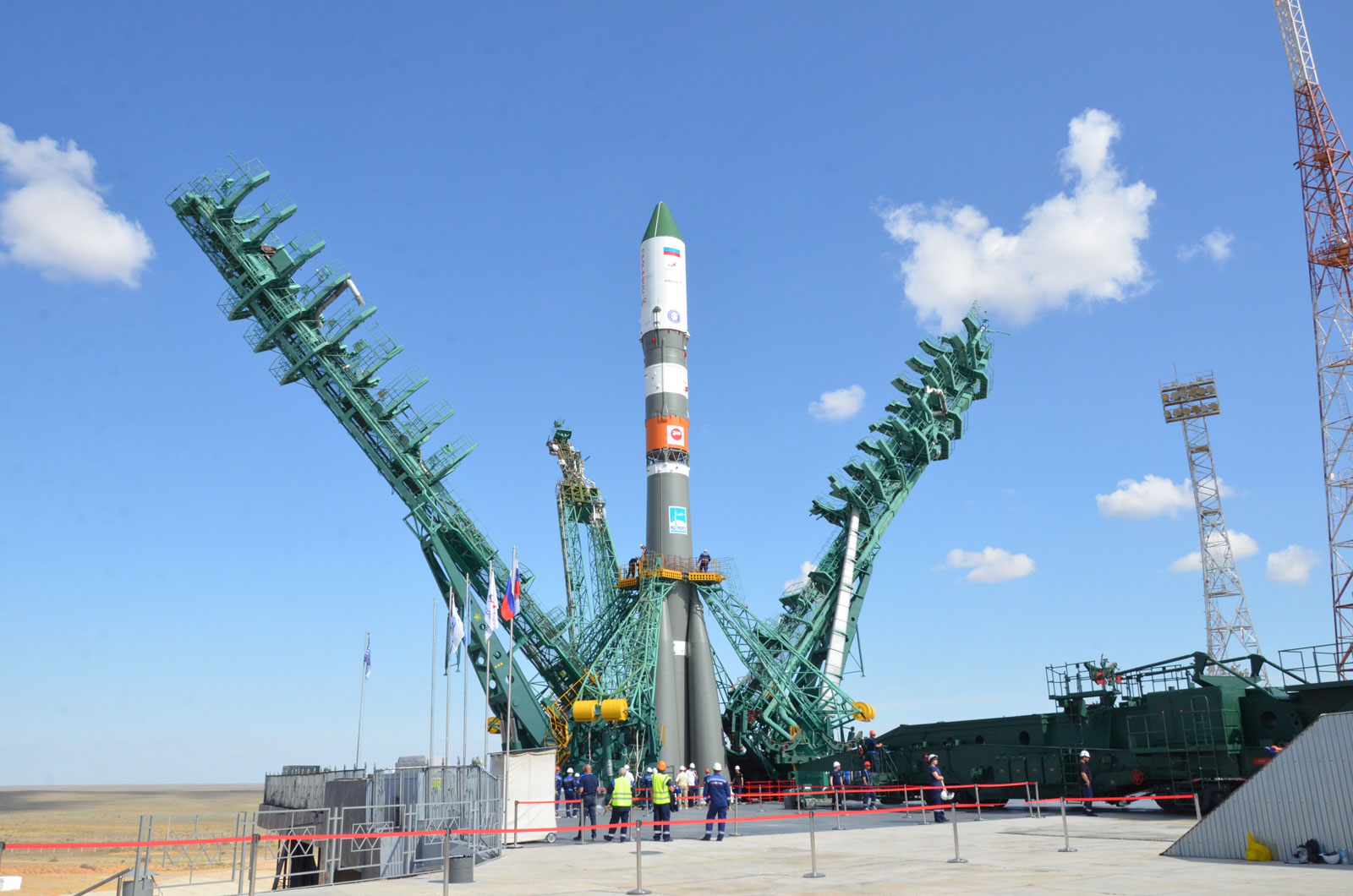
Northrop Grumman takes $71M charge over Vulcan solid rocket booster anomaly, grounding ULA's vehicle. Vulcan manifest timelines now in holding pattern pending resolution.
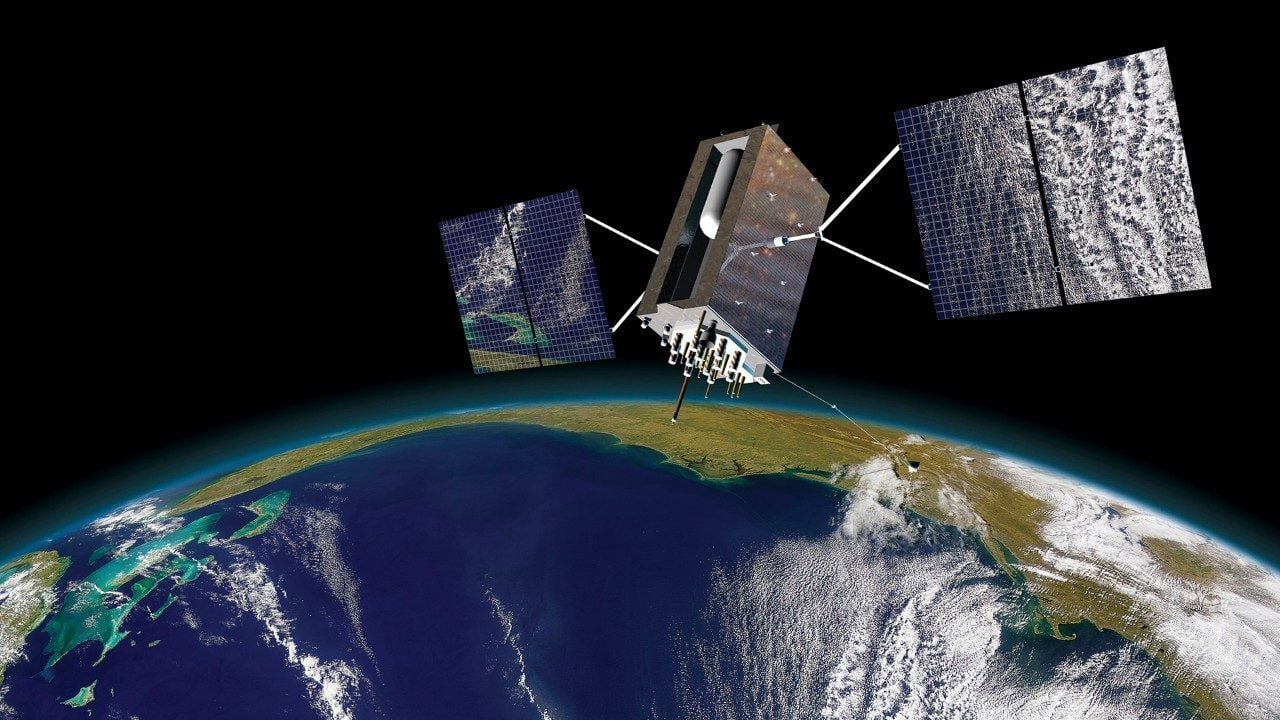
On April 17, 2026, the U.S. Space Force officially cancelled the Next Generation Operational Control System after sixteen years of development, cost overruns, and testing failures. The $8 billion program was supposed to unlock the military's encrypted GPS signal. Instead, the satellites are flying with capabilities the ground can't command.
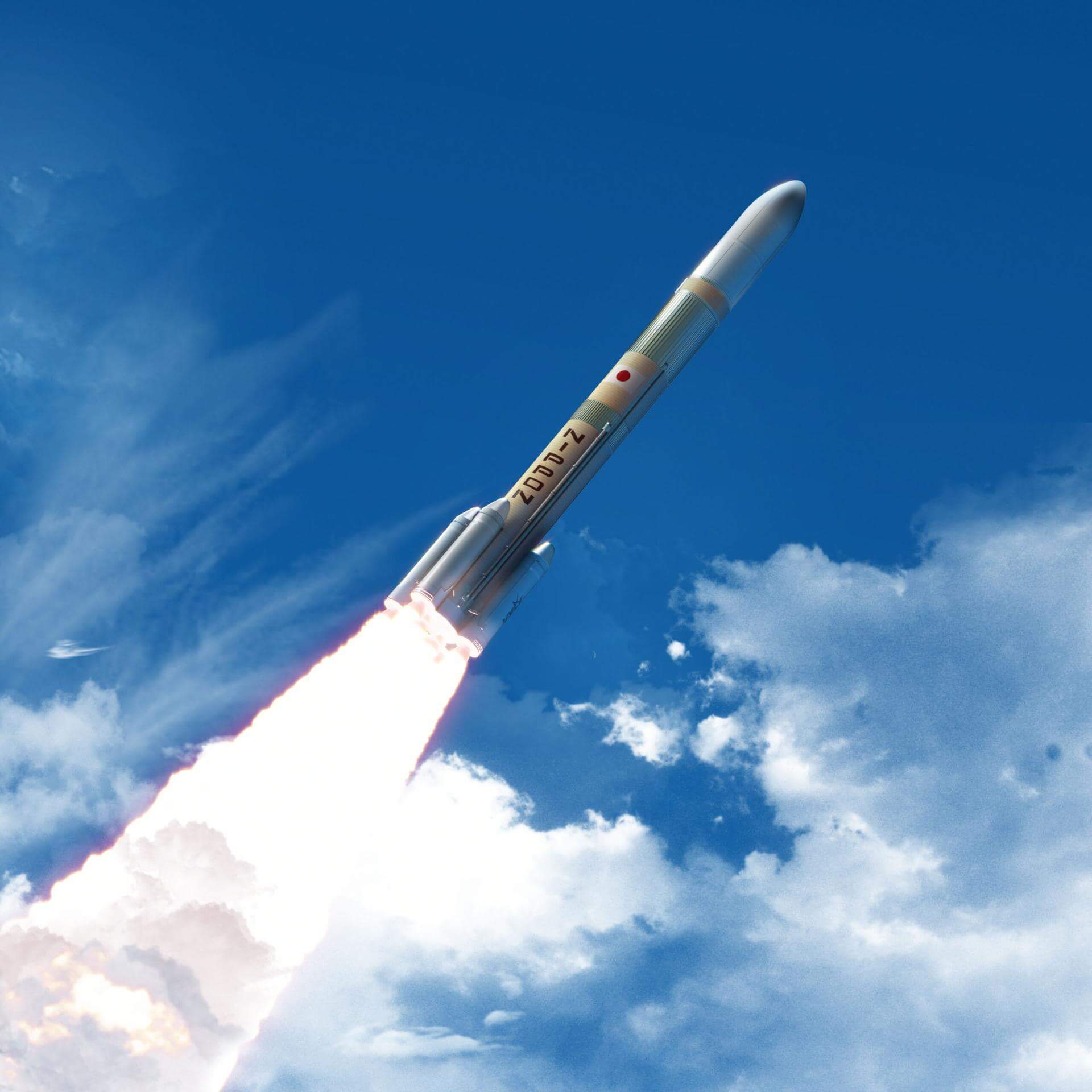
Today's Space Brief discusses significant military satellite launches, groundbreaking agreements for lunar nuclear power, and Italy's satellite strategy dilemma. Additionally, we cover the Dream Chaser's upcoming demonstration flight and new Pentagon contracts for rocket motor production.

Today's highlights include the successes and setbacks in recent rocket launches, a notable satellite anomaly, and a significant expansion announcement from ESA.