


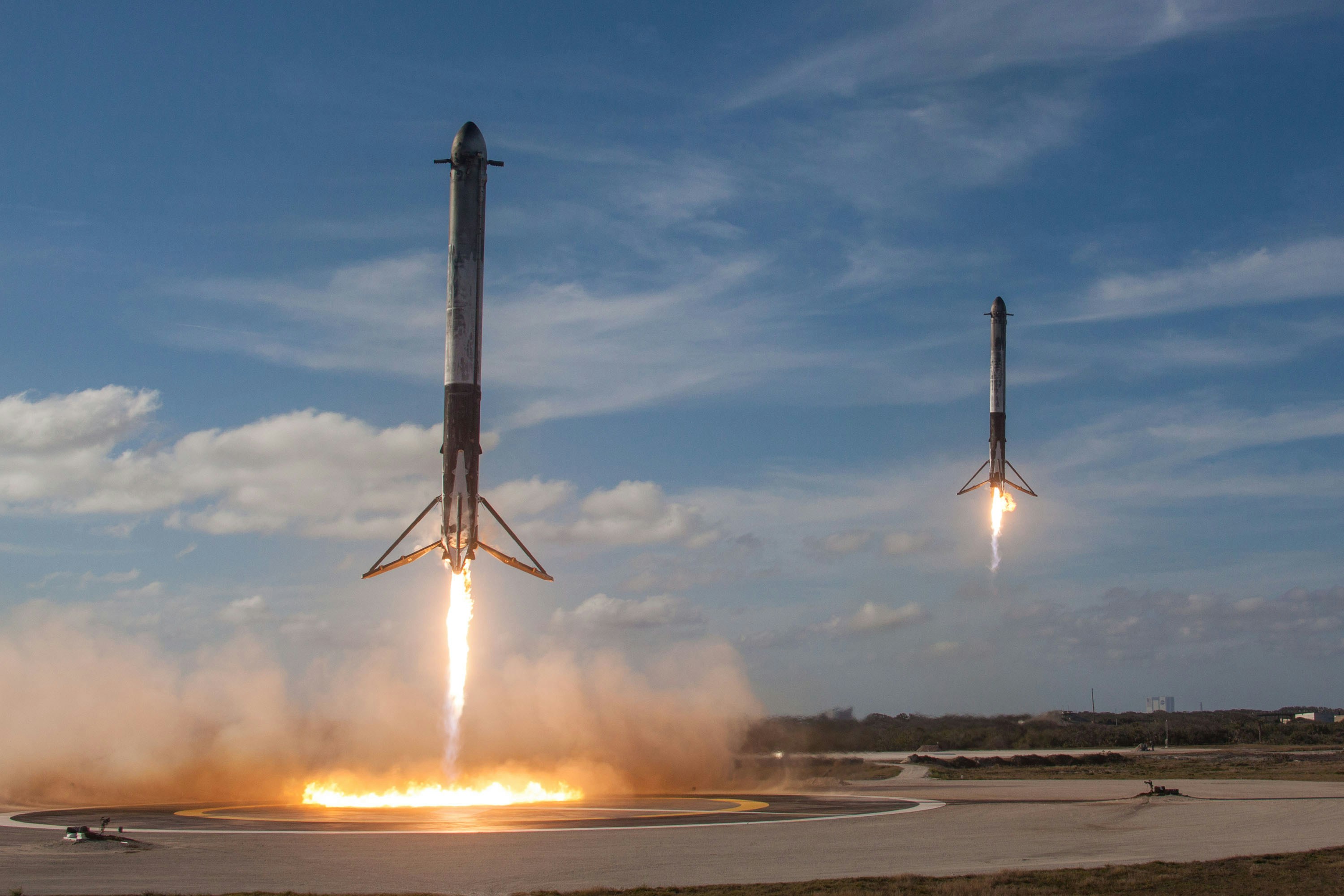
Falcon Heavy Attempts ViaSat-3 F3 Launch After Weather Scrub | KeepTrack X Report
SpaceX's Falcon Heavy targets a second launch attempt for ViaSat-3 F3, while Artemis III slips to late 2027 and Musk earns a Mars milestone bonus.


Launch Date
December 20, 2019
Launch Site
TAISC
Launch Pad
LC9
Launch Vehicle
Chang Zheng 4B
NORAD ID
44881
International Designator
2019-093C
Epoch
Sat, 04 Jul 2026 06:38:20 GMT
Apogee
Calculating...
Perigee
Calculating...
Inclination
97.75°
Right Ascension
257.09°
Eccentricity
Calculating...
Argument of Perigee
35.78°
Period
96.87 min
Mean Motion
14.87 rev/day
Latitude
Calculating...
Longitude
Calculating...
Altitude
Calculating...
Velocity
Calculating...
Name
TIANYAN 01
Alternative Name
TQ-OSCAR-108
Type
Status
Owner
ZHONG
Country
China
Constellation
N/A
Related Satellites
Major Events
N/A
1 44881U 19093C 26185.27662295 .00000657 00000-0 80075-4 0 9990
2 44881 97.7524 257.0916 0014444 35.7795 324.4386 14.86545176353956
Source: Celestrak
Apologies, there is no summary for this satellite yet. I am working to generate these for every object in the catalog, but it is going to take time.
Length
0.2
Diameter
0.3
Span
0.3
Dry Mass
35
Launch Mass
35
Shape
Box
Radar Cross Section
Unknown
Visual Magnitude
Unknown
Color
Unknown
Material Composition
Unknown
Payload
Tianqin-1
Purpose
Technology
Mission
Technology
Manufacturer
DFHS
Life Expectancy
Unknown
Bus
Tianqin
Configuration
MN50
Motor
Unknown
Equipment
Unknown
Power System
Unknown
ADCS
Unknown
Transmitter Frequency
Unknown
Learn more about satellites and other related topics.
SpaceX's Falcon Heavy targets a second launch attempt for ViaSat-3 F3, while Artemis III slips to late 2027 and Musk earns a Mars milestone bonus.
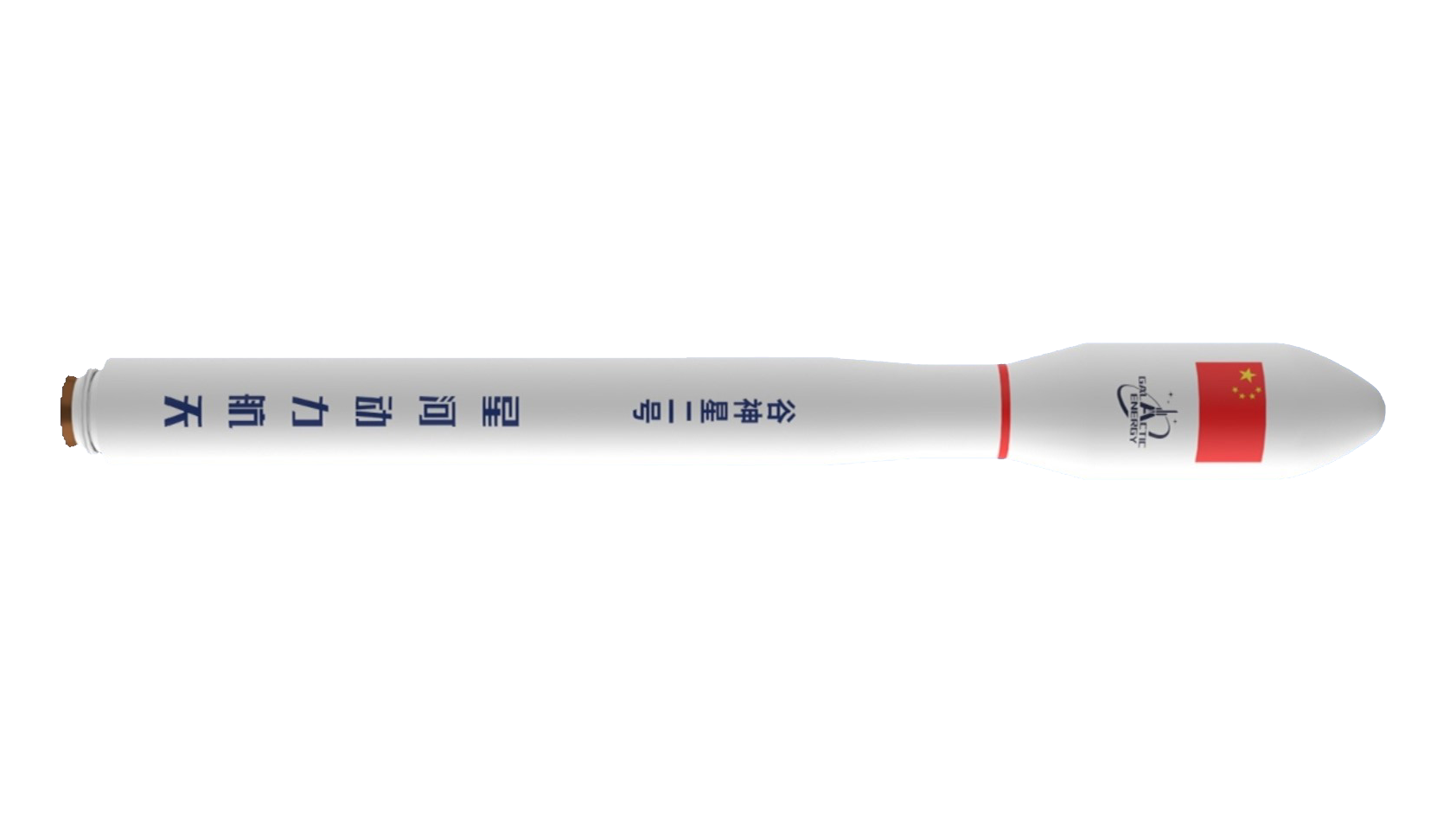
Pentagon chief Pete Hegseth tours Rocket Lab for Arsenal of Freedom strategy. Space Force accelerates 2026 acquisitions including GPS and tactical comms. Rhea Space wins $1.9M optical nav contract.
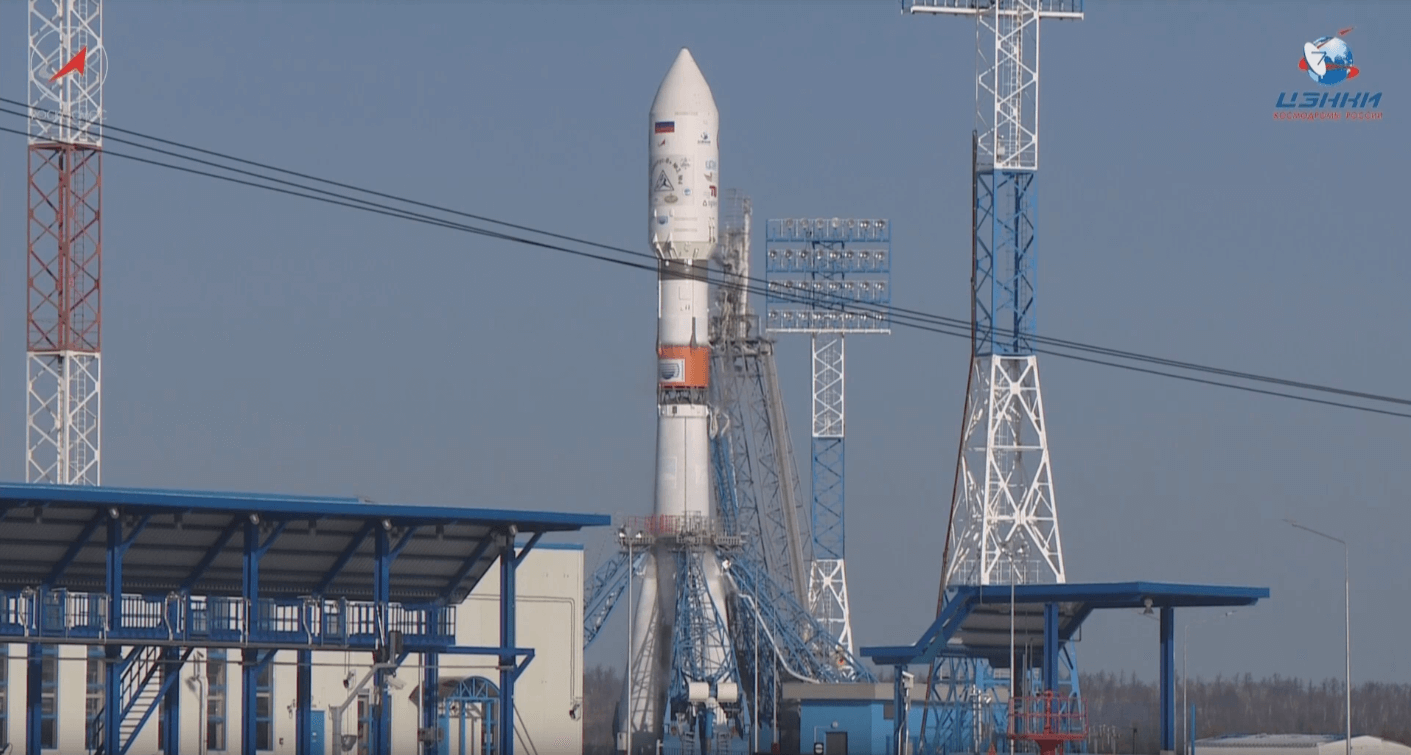
Today’s Space Brief covers the deployment of a new optical sensor for the Space Force, SpaceX's recent Starlink satellite launch, and significant investment in space cargo vehicles.
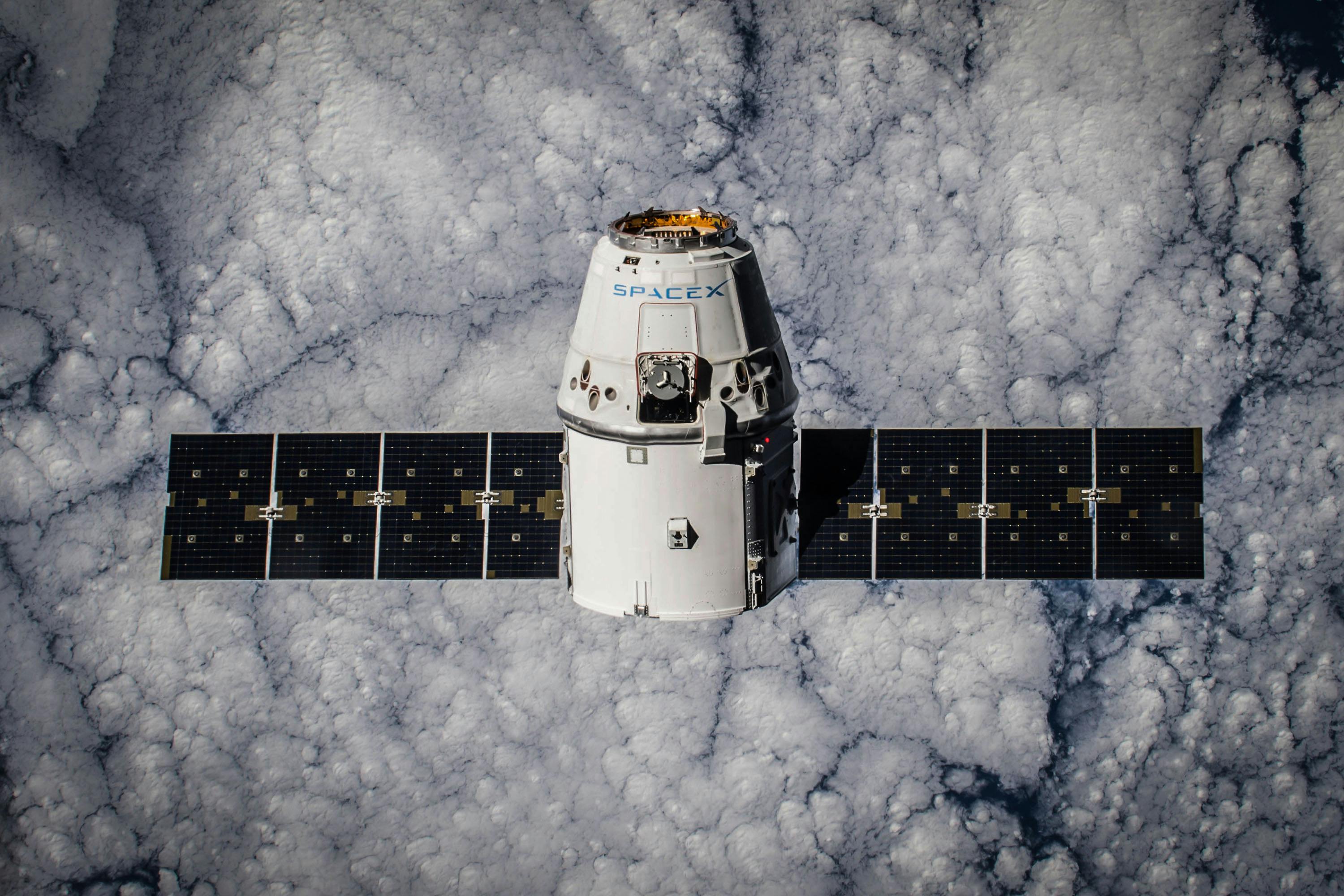
Today's brief highlights the U.S. Space Force's upcoming modular satellite mission, increased military reliance on commercial space intelligence, and the demand for expanded commercial reserve support. Learn more about these advancements alongside our Satellite Spotlight on Yaogan-30 B.
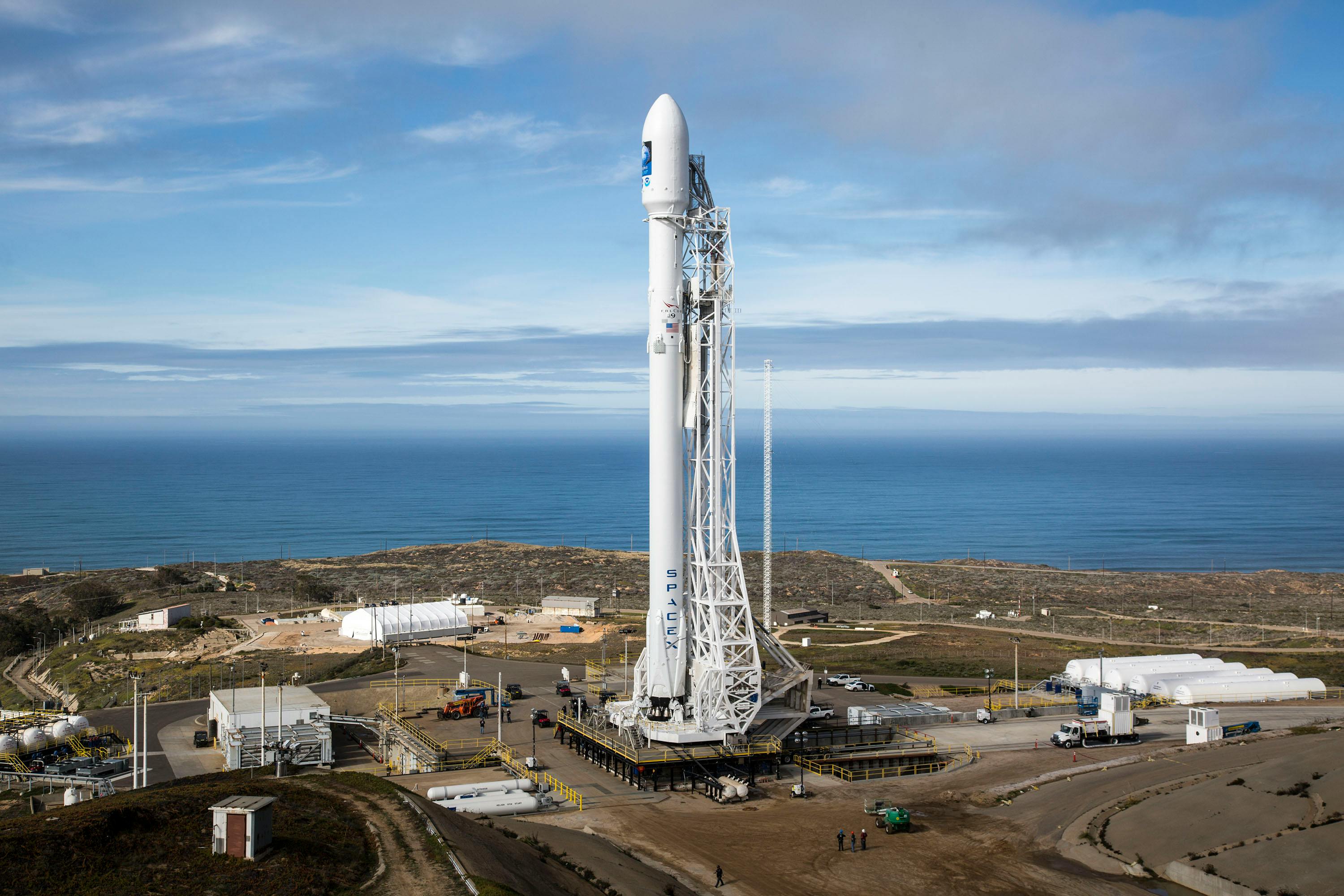
Anticipated NISAR launch now scheduled for March 2025; Rivada persists in broadband constellation quest despite setbacks; SpaceX scrubbed RRT-1 launch holds mystery.

Discover the latest on China's Zhuque-3 launch, ISS crew updates, ESA's budget dealings, a strategic super-resolution partnership, and ACME Space's innovative plans.

Today's brief covers China's Beidou satellite plans, SpaceX's Starship advancements, potential Space Command HQ relocation, and more.
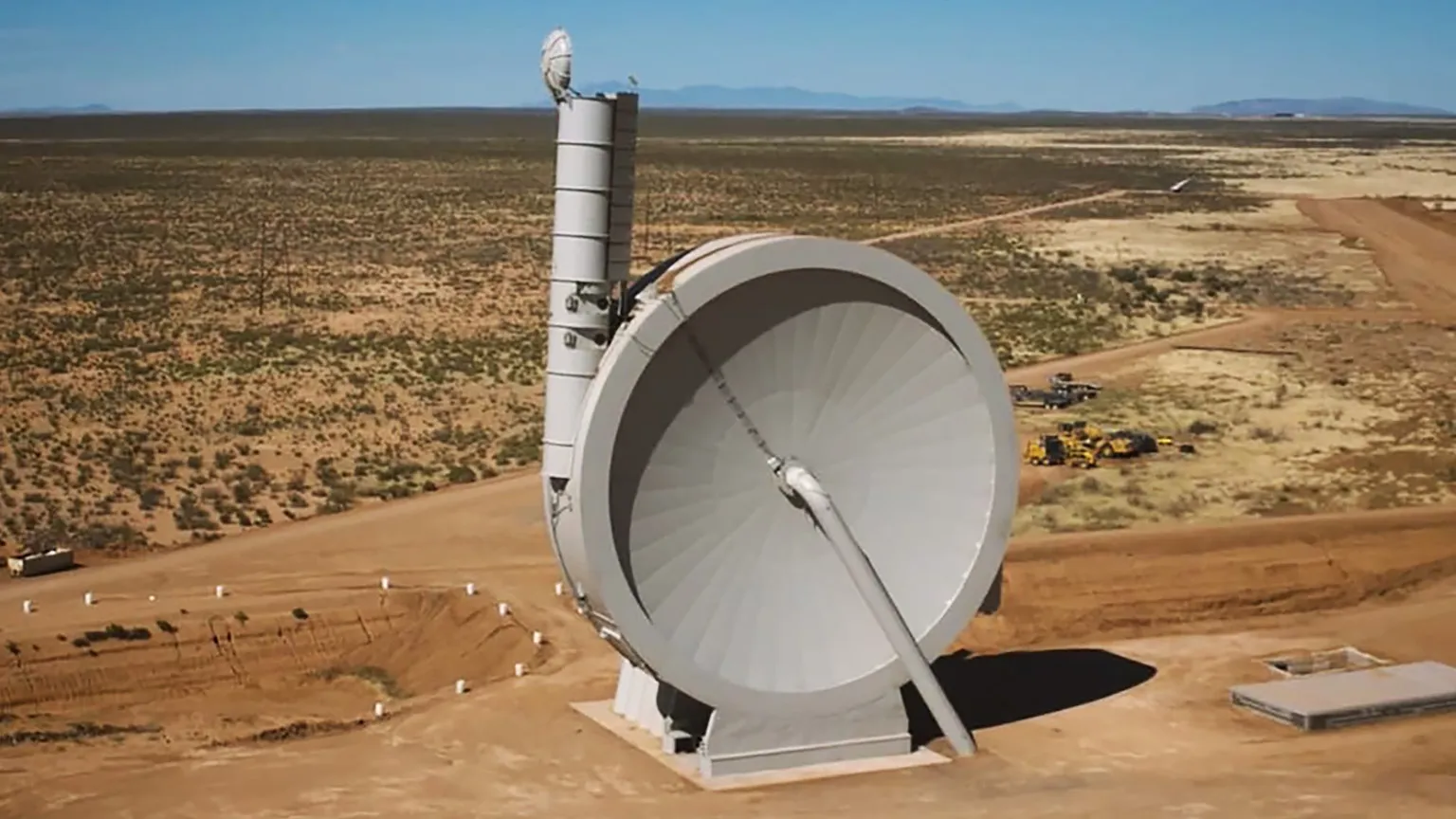
How a California startup's massive centrifuge could transform space access by eliminating rocket fuel, reducing costs by 70%, and enabling daily satellite launches - if it can overcome the physics of scaling from suborbital tests to orbital reality