



Space Brief 9 Aug 2025
Today's briefing covers SpaceX's latest Starlink launch, Rocket Lab's upcoming Neutron rocket launch, NASA's lunar nuclear reactor project, and more.


Launch Date
December 16, 2019
Launch Site
XICLF
Launch Pad
LC3
Launch Vehicle
Chang Zheng 3B/YZ-1
NORAD ID
44865
International Designator
2019-090B
Epoch
Thu, 02 Jul 2026 15:58:39 GMT
Apogee
Calculating...
Perigee
Calculating...
Inclination
56.57°
Right Ascension
62.31°
Eccentricity
Calculating...
Argument of Perigee
311.86°
Period
773.23 min
Mean Motion
1.86 rev/day
Latitude
Calculating...
Longitude
Calculating...
Altitude
Calculating...
Velocity
Calculating...
Name
BEIDOU-3 M20
Alternative Name
Beidou DW 53
Type
Status
Owner
CNSA
Country
China
Constellation
N/A
Related Satellites
Major Events
N/A
1 44865U 19090B 26183.66573100 -.00000037 00000-0 00000-0 0 9995
2 44865 56.5739 62.3139 0015126 311.8646 249.1839 1.86231813 44504
Source: Celestrak
Length
2.2
Diameter
1.7
Span
10
Dry Mass
850
Launch Mass
1014
Shape
Box + 2 Pan
Radar Cross Section
Unknown
Visual Magnitude
Unknown
Color
Unknown
Material Composition
Unknown
Payload
Beidou-3 M20
Purpose
Navigation
Mission
Navigation
Manufacturer
CAST
Life Expectancy
12 years
Bus
BD-3M
Configuration
Unknown
Motor
Unknown
Equipment
?
Power System
2 deployable solar arrays, batteries
ADCS
Unknown
Transmitter Frequency
Unknown
Learn more about satellites and other related topics.
Today's briefing covers SpaceX's latest Starlink launch, Rocket Lab's upcoming Neutron rocket launch, NASA's lunar nuclear reactor project, and more.

MDA Space and Hanwha target South Korea's K-LEO defense satellite network. House passes $839B defense bill. Pentagon picks 25 vendors for $150M drone competition.
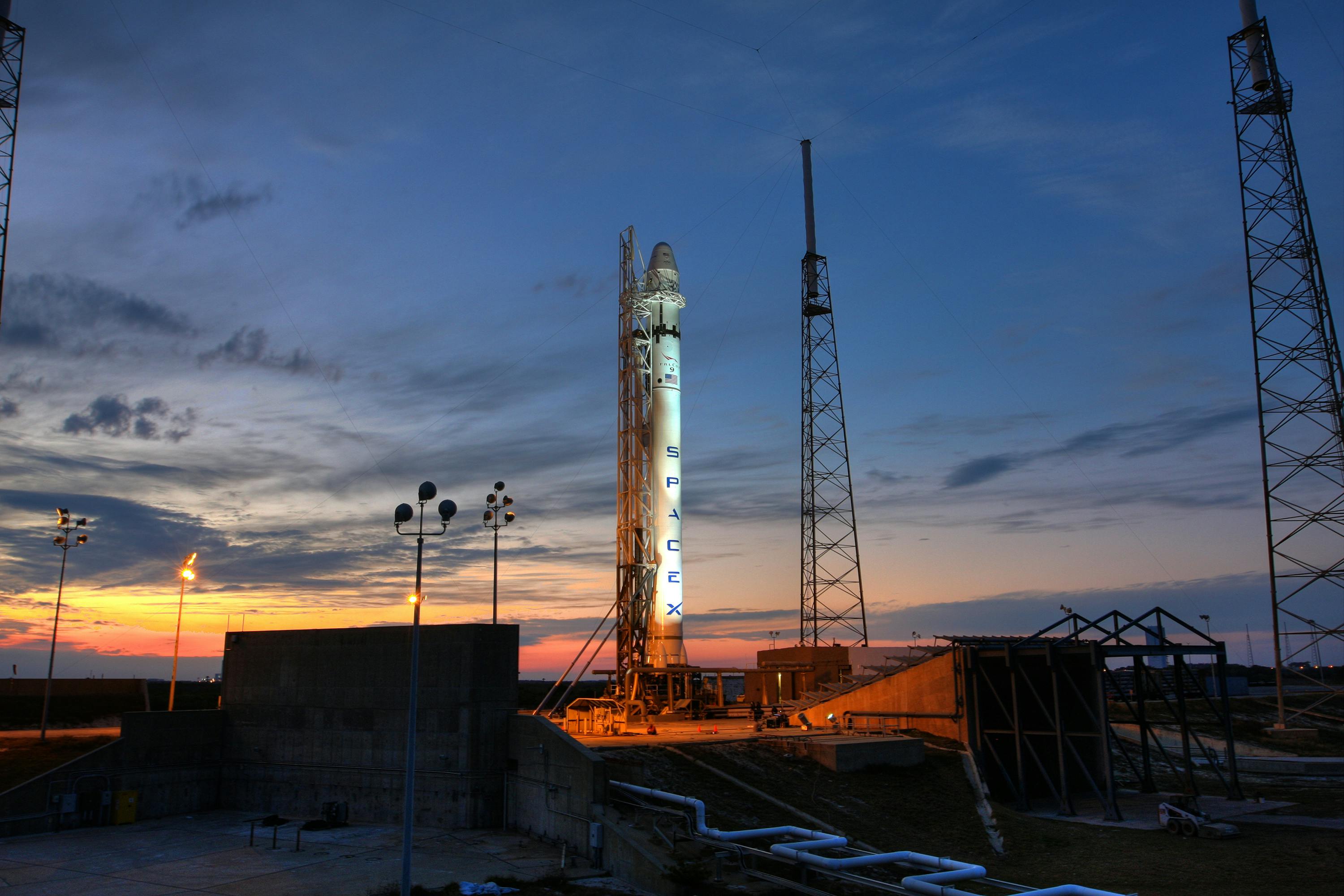
Starship Flight 8 ends with mixed results as SpaceX successfully catches Super Heavy booster but loses the upper stage in a fiery breakup.

Key developments include political attention on SpaceX's ISS crew return and competition forecasts between SpaceX and ULA for national security missions.
Today's brief covers Blue Origin's national security mission, a new missile interceptor project by Space Force, developments with Starship boosters, and more.

Falcon 9 stand-down may impact next ISS crew rotation as NASA monitors the situation. Musk merges xAI into SpaceX to build space data centers. 9,633 Starlink sats on orbit.
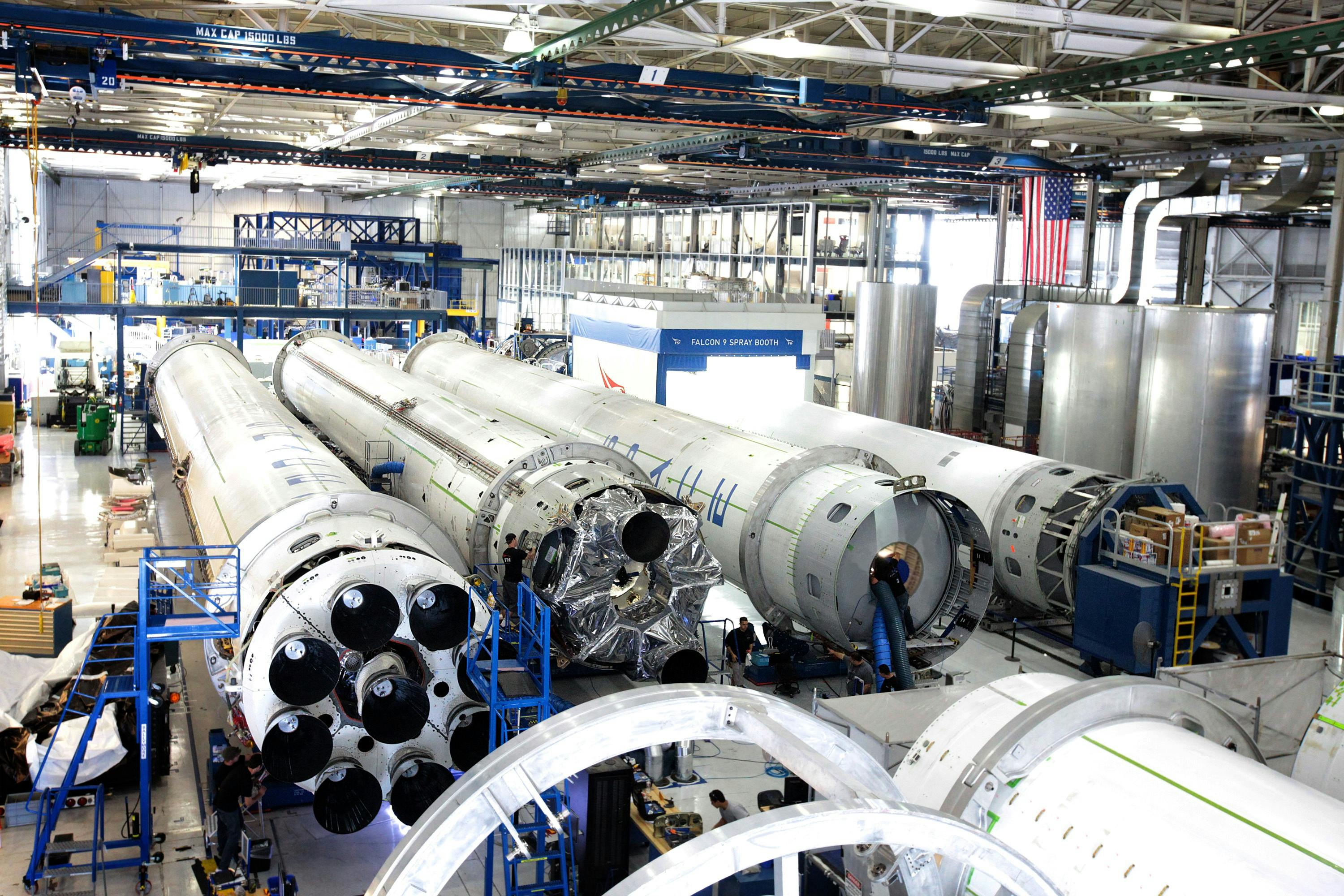
SpaceX wraps up a record-breaking year with successful launches and advancements in Starlink mega-constellation.

Falcon Heavy flew for the first time in eighteen months on April 29, 2026, expending its center core to push Viasat's final ViaSat-3 satellite toward geostationary orbit. The mission is a flagship rocket doing what only it can still do, for an operator betting six tons of high-throughput hardware on a market Starlink is rapidly redefining.