

X Report 19 Jul 2025
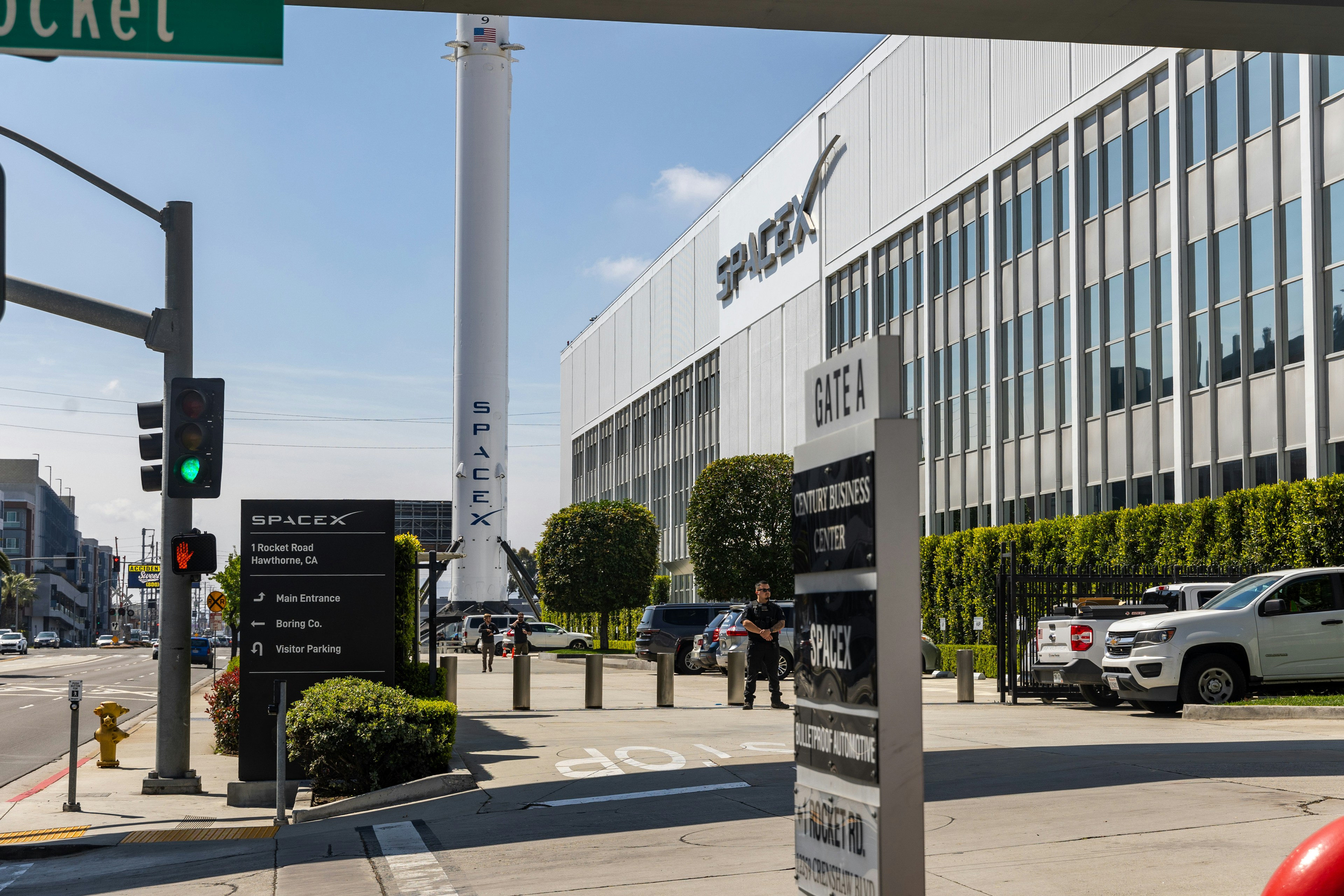
SpaceX successfully launched 24 Starlink satellites from California while investigations begin on a possible Starship salvage operation near Mexico.


Launch Date
November 27, 2019
Launch Site
SRILR
Launch Pad
SLP
Launch Vehicle
PSLV-XL
NORAD ID
44808
International Designator
2019-081E
Decay Date
4/29/2023
Name
FLOCK 4P-10
Alternative Name
Flock 4p-10
Type
Status
Owner
PLAN
Country
United States
Constellation
N/A
Related Satellites
Major Events
N/A
Length
0.3
Diameter
0.1
Span
0.3
Dry Mass
5.7
Launch Mass
5.7
Shape
Box+2 pan
Radar Cross Section
Unknown
Visual Magnitude
Unknown
Color
Unknown
Material Composition
Unknown
Payload
Dove 2233
Purpose
Technology
Mission
Technology
Manufacturer
PLAN
Life Expectancy
~ 1 year (ISS orbit); 2-3 years (SSO)
Bus
Cubesat 3U
Configuration
CubeSat (3U)
Motor
None (most); FEEP (#Flock-3p')
Equipment
PS0, PS1 or PS2 imaging payload
Power System
Solar cells, batteries
ADCS
Unknown
Transmitter Frequency
Unknown
Learn more about satellites and other related topics.
SpaceX successfully launched 24 Starlink satellites from California while investigations begin on a possible Starship salvage operation near Mexico.

SpaceX delivered 3 Block 2 BlueBird satellites for AST SpaceMobile from Pad 40, advancing direct-to-cell broadband with 10,650 Starlink craft now active.
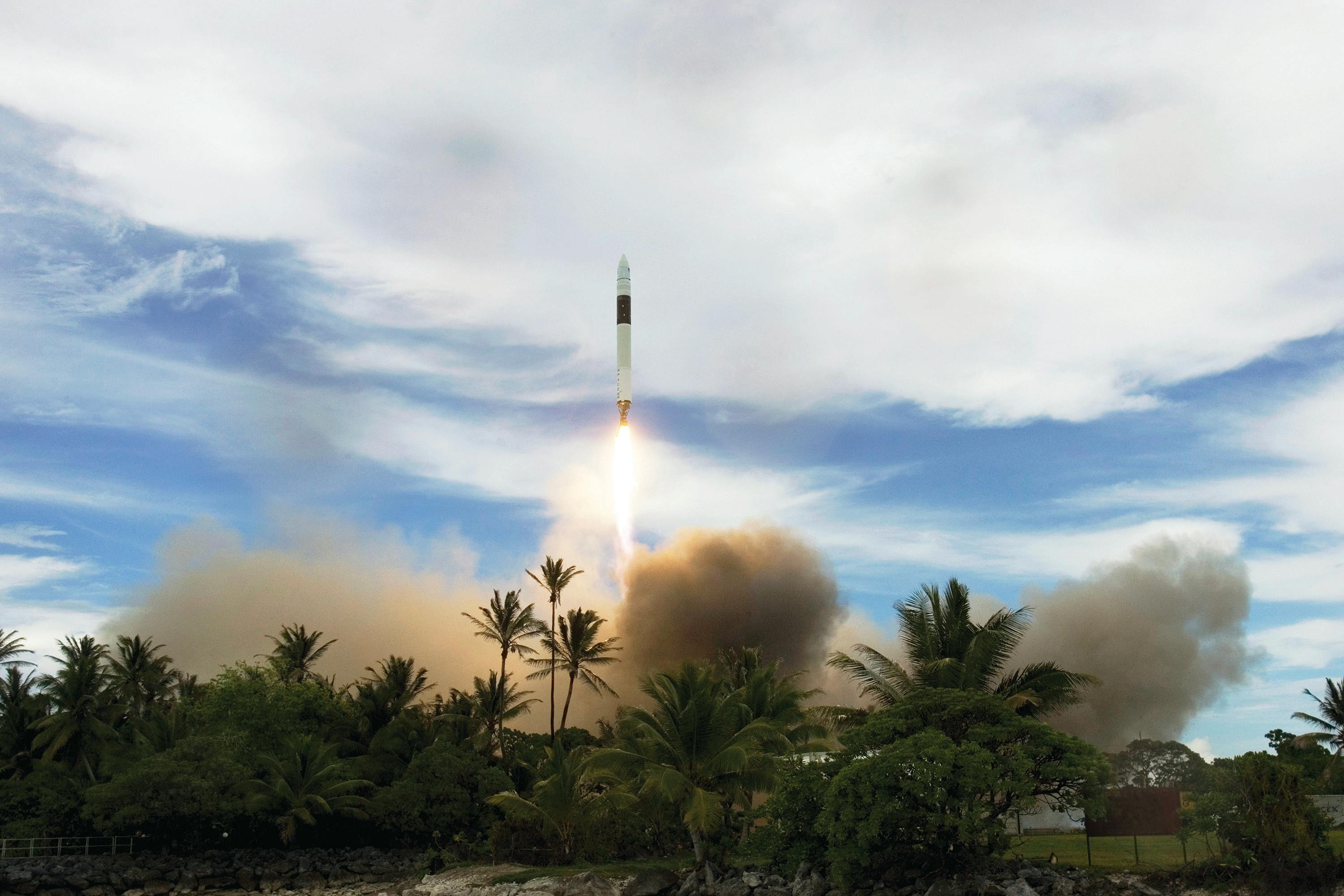
SpaceX prepares for its 560th Falcon 9 launch, aiming to deploy 29 Starlink satellites from Kennedy Space Center, while the Bandwagon-4 mission continues to showcase successful rocket landings.

Today's brief covers China's ongoing assessments following a potential debris strike on Shenzhou-20, SpaceX's record-breaking Starlink launch, Rocket Lab's delay of the Neutron rocket, and more.

Today's brief covers significant advancements in space satellite launches, military spending impacts on space, and notable developments from the Space Force and SpaceX.
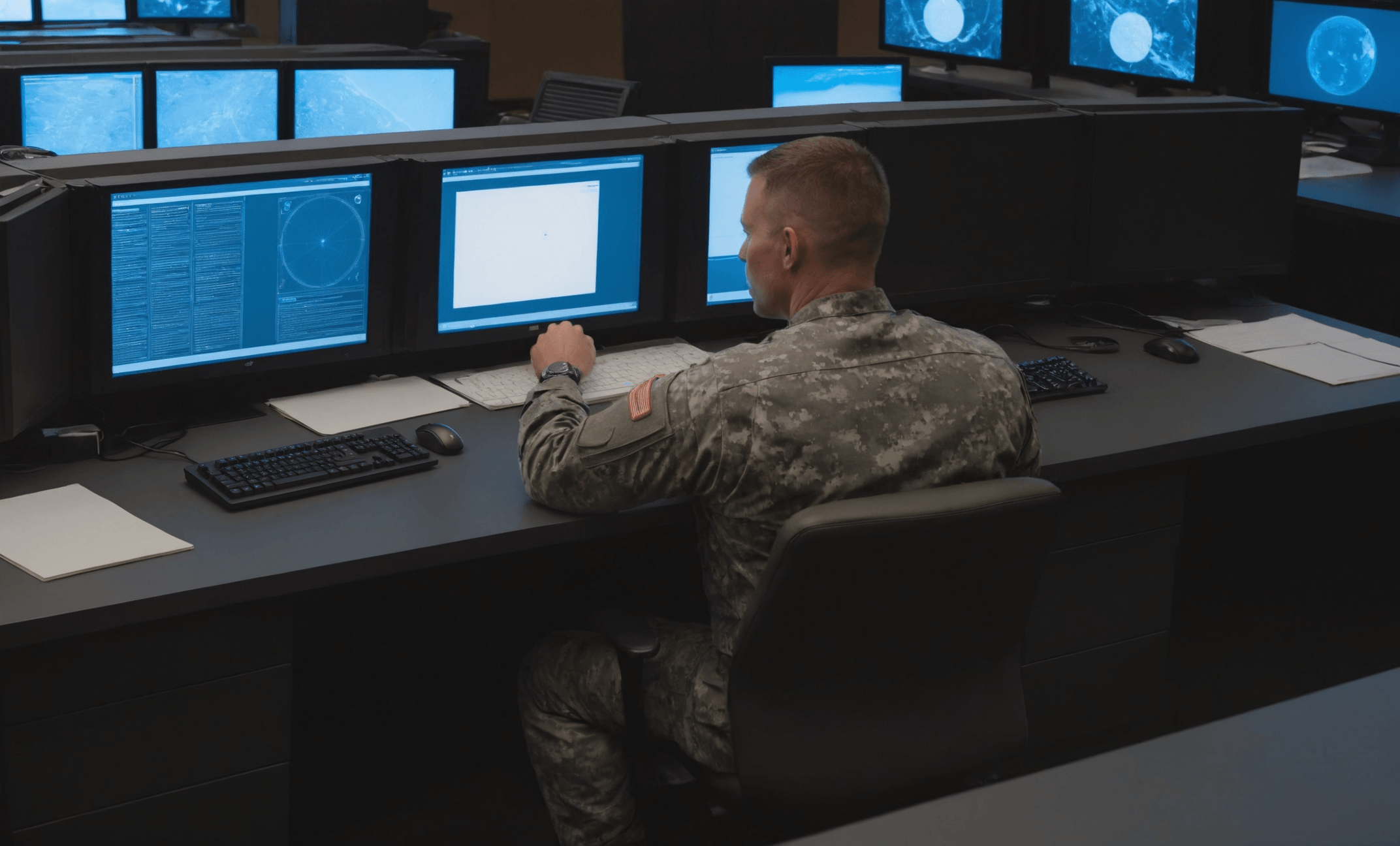
Today's highlights include the destruction of ABL Space Systems' rocket due to engine leaks, Firefly Aerospace's lunar lander pre-launch tests, and insights on U.S. military's space domain awareness enhancements.

On April 22, 2026, the FAA published a final rule implementing per-launch user fees for commercial space transportation — the first time the U.S. government has charged payload-based fees for rocket launches. Starting at 25 cents per pound with a $30,000 cap, the fees are modest today. By 2033, they won't be.

Fifty-nine years ago, a revolutionary new rocket thundered skyward from Cape Kennedy, testing the spacecraft that would eventually carry astronauts to the lunar surface