


Space Brief 17 Oct 2024
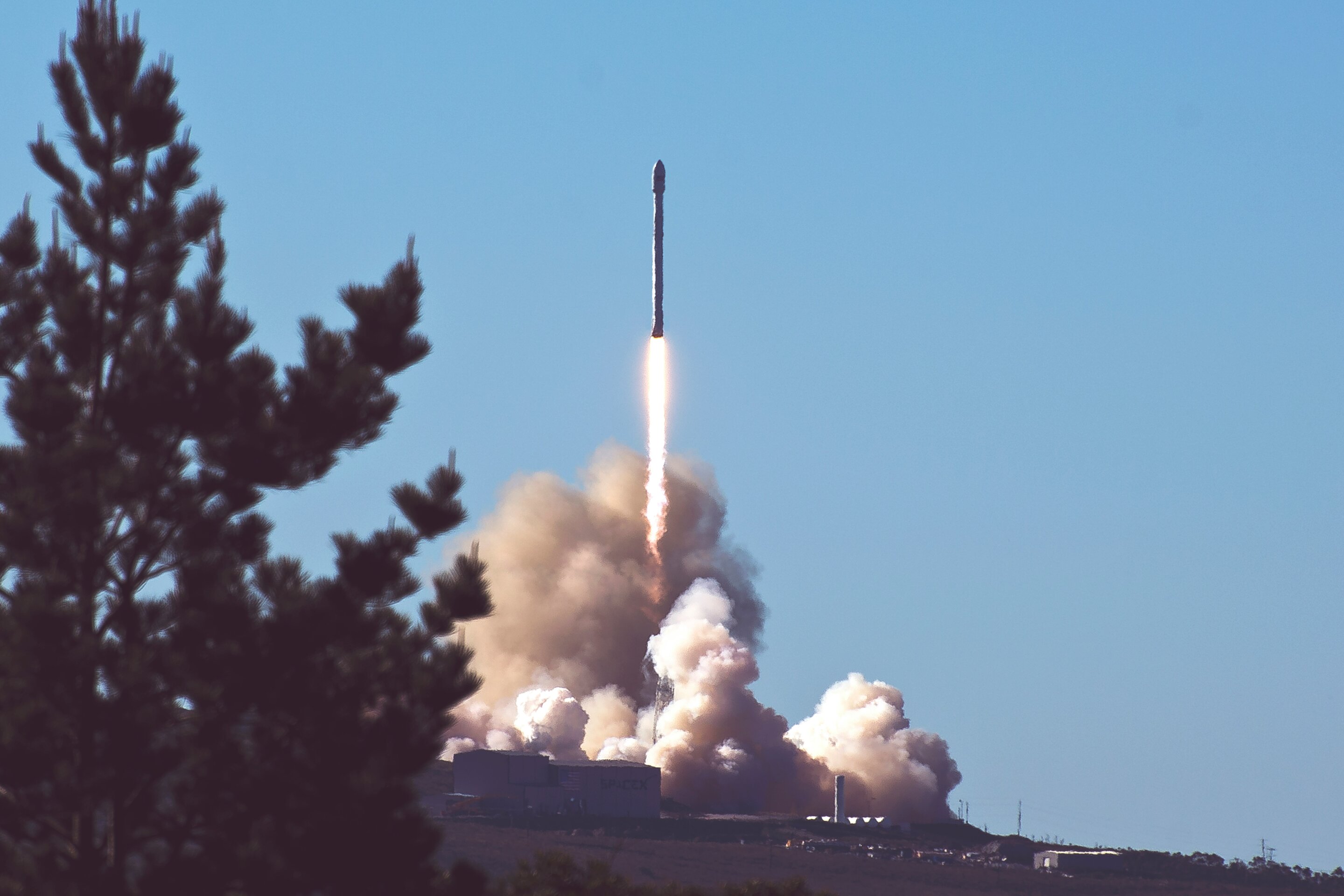
An exciting day in space with potential maneuver revelations from the X-37B, SpaceX's resumption of Falcon 9 launches, and significant advancements in lunar exploration tied to new U.S. spacesuits.



Launch Date
November 11, 2019
Launch Site
Launch Pad
LC40
Launch Vehicle
NORAD ID
44772
International Designator
2019-074BM
Epoch
Sat, 04 Jul 2026 06:27:00 GMT
Apogee
Calculating...
Perigee
Calculating...
Inclination
53.04°
Right Ascension
322.26°
Eccentricity
Calculating...
Argument of Perigee
310.93°
Period
91.15 min
Mean Motion
15.80 rev/day
Latitude
Calculating...
Longitude
Calculating...
Altitude
Calculating...
Velocity
Calculating...
Name
STARLINK-1068
Alternative Name
Starlink 1068
Type
Status
Owner
SPXS
Country
United States
Constellation
N/A
Related Satellites
Major Events
N/A
1 44772U 19074BM 26185.26875156 .00131521 00000-0 69260-3 0 9996
2 44772 53.0400 322.2574 0003686 310.9306 49.1395 15.79802273367177
Source: Celestrak
Length
0.2
Diameter
2.8
Span
9
Dry Mass
248
Launch Mass
260
Shape
Box + pan
Radar Cross Section
Unknown
Visual Magnitude
Unknown
Color
Unknown
Material Composition
Unknown
Payload
Starlink V1.0-L1-60
Purpose
Communication
Mission
Communication
Manufacturer
SPXS
Life Expectancy
Unknown
Bus
Starlink
Configuration
Unknown
Motor
Krypton ion thrusters
Equipment
Ku/Ka-band payload (all), optical inter-satellite links (a few prototypes)
Power System
Solar arrays, batteries
ADCS
Unknown
Transmitter Frequency
Unknown
Learn more about satellites and other related topics.
An exciting day in space with potential maneuver revelations from the X-37B, SpaceX's resumption of Falcon 9 launches, and significant advancements in lunar exploration tied to new U.S. spacesuits.

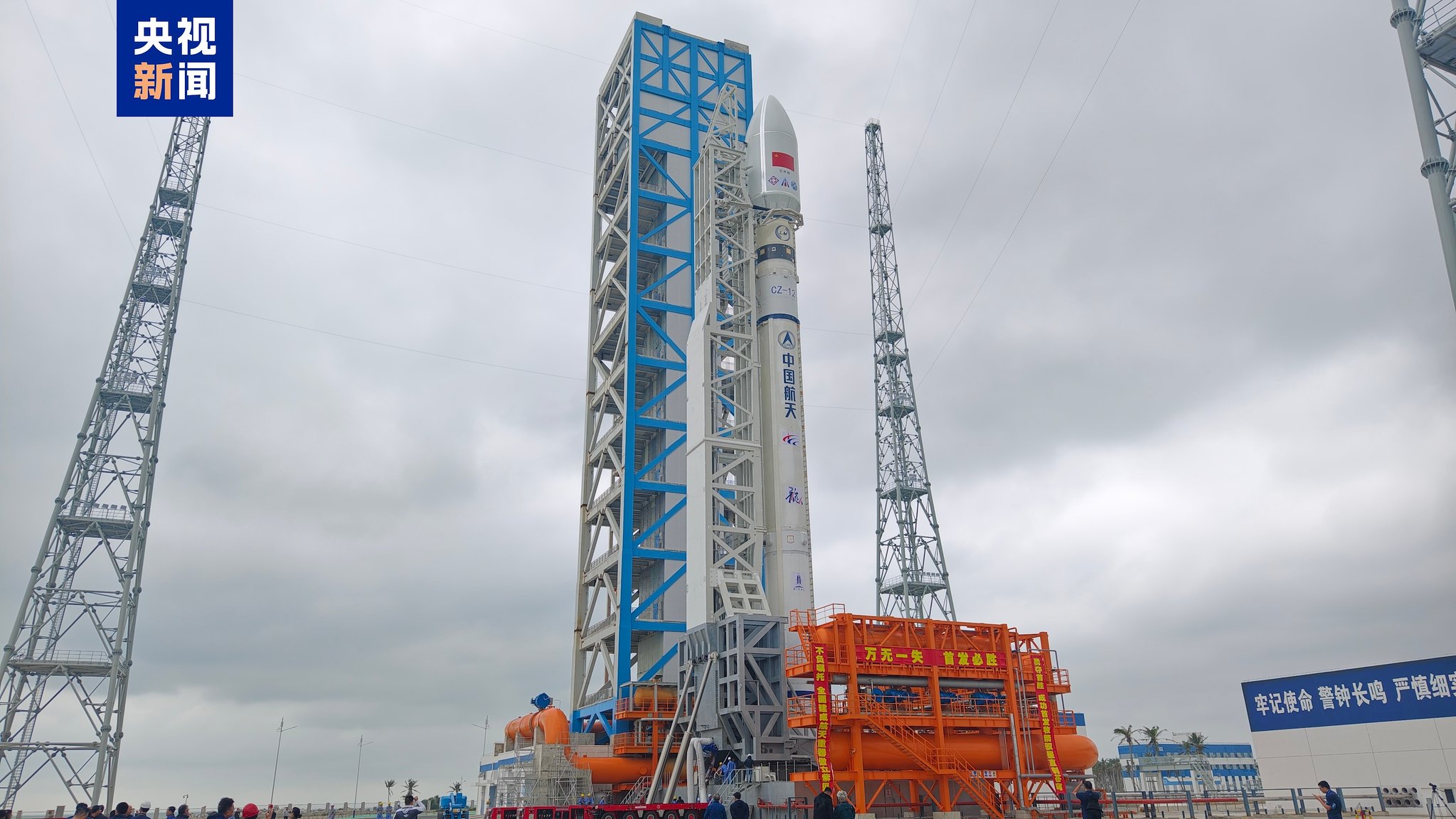
Pentagon puts LEO constellation layers on hold during acquisition review. SpaceX and xAI join $100M autonomous drone contest. China's Zenk Space completes first stage static fire.

Space debris poses a mounting threat to both satellites and space missions. As we send more objects into orbit, the likelihood of collisions and subsequent breakups producing dangerous space debris increases. Recognizing the major events that have generated this dangerous space junk is pivotal in ensuring the safety of future space missions.

Today's brief covers a Japanese military satellite launch, new GPS satellite orders by the Space Force, and a Moog propulsion system contract, among other notable developments.
Today's brief covers significant advancements in national security space launches, ongoing rocket developments, and critical updates from the space industry.
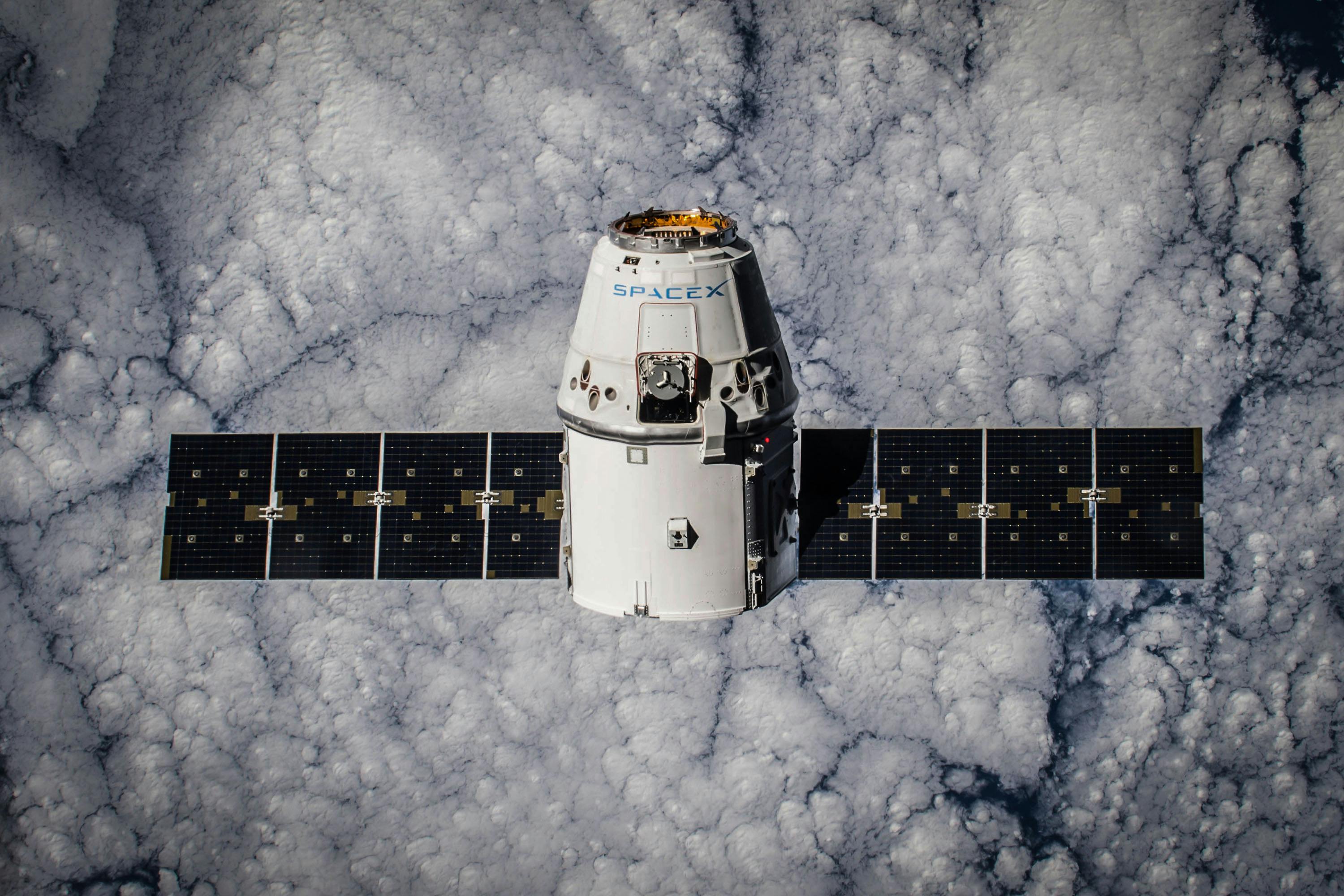
SpaceX progresses with Starship developments and sets sights on NASA's upcoming 3D sky-mapping satellite launch.
Trump seeks Musk's help to restore internet in Iran via Starlink. China files for 200,000-satellite constellation. Sweden allocates $1.6B for air defense and $140M for space capabilities.

Explore today's major events in space, including military advancements in satellite tracking, new missile defenses, and significant defense funding decisions.