

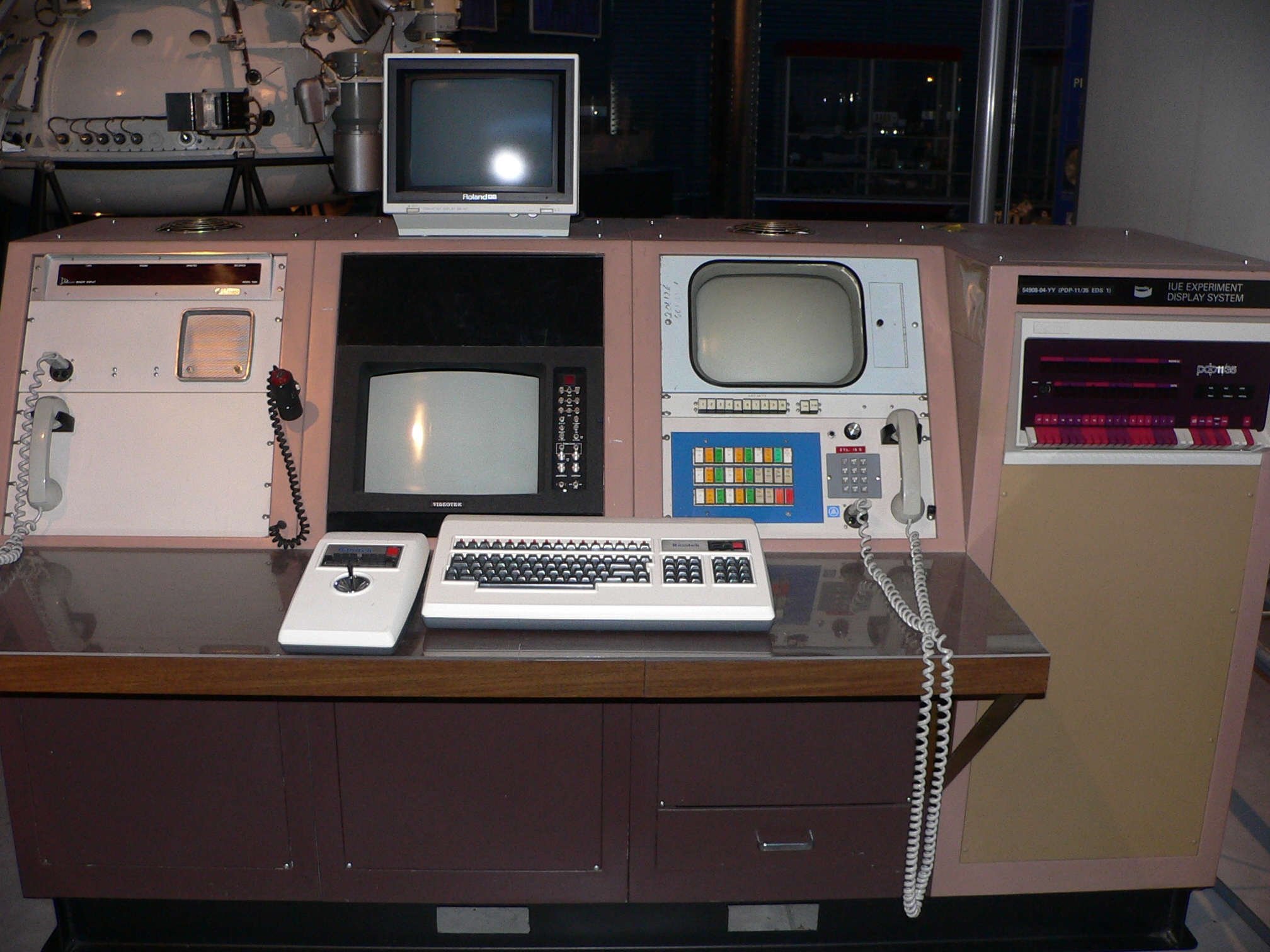
The Day Humanity Gained New Eyes on the Universe
Forty-seven years ago, a revolutionary space telescope changed our view of the cosmos, pioneering international cooperation in space-based astronomy



Launch Date
December 21, 1965
Launch Site
Launch Pad
LC41
Launch Vehicle
Titan IIIC
NORAD ID
04476
International Designator
1965-108G
Decay Date
11/11/2012
Name
TITAN 3C TRANSTAGE DEB
Alternative Name
LES 4
Type
Status
Owner
AFSSD
Country
United States
Constellation
N/A
Related Satellites
Major Events
N/A
Length
0
Diameter
0
Span
0
Dry Mass
0
Launch Mass
0
Shape
N/A
Radar Cross Section
0.1099
Visual Magnitude
Unknown
Color
Unknown
Material Composition
Unknown
Payload
Unknown
Purpose
Unknown
Mission
Unknown
Manufacturer
Unknown
Life Expectancy
Unknown
Bus
Unknown
Configuration
Unknown
Motor
Unknown
Equipment
Unknown
Power System
Unknown
ADCS
Unknown
Transmitter Frequency
Unknown
Learn more about satellites and other related topics.
Forty-seven years ago, a revolutionary space telescope changed our view of the cosmos, pioneering international cooperation in space-based astronomy

US military praised for space operations against Iran assessed as jamming or spoofing satellite communications. Electronic warfare effects invisible to orbital tracking data.

SpaceX postpones Starship Flight 8, successfully launches Starlink satellites and two lunar missions.
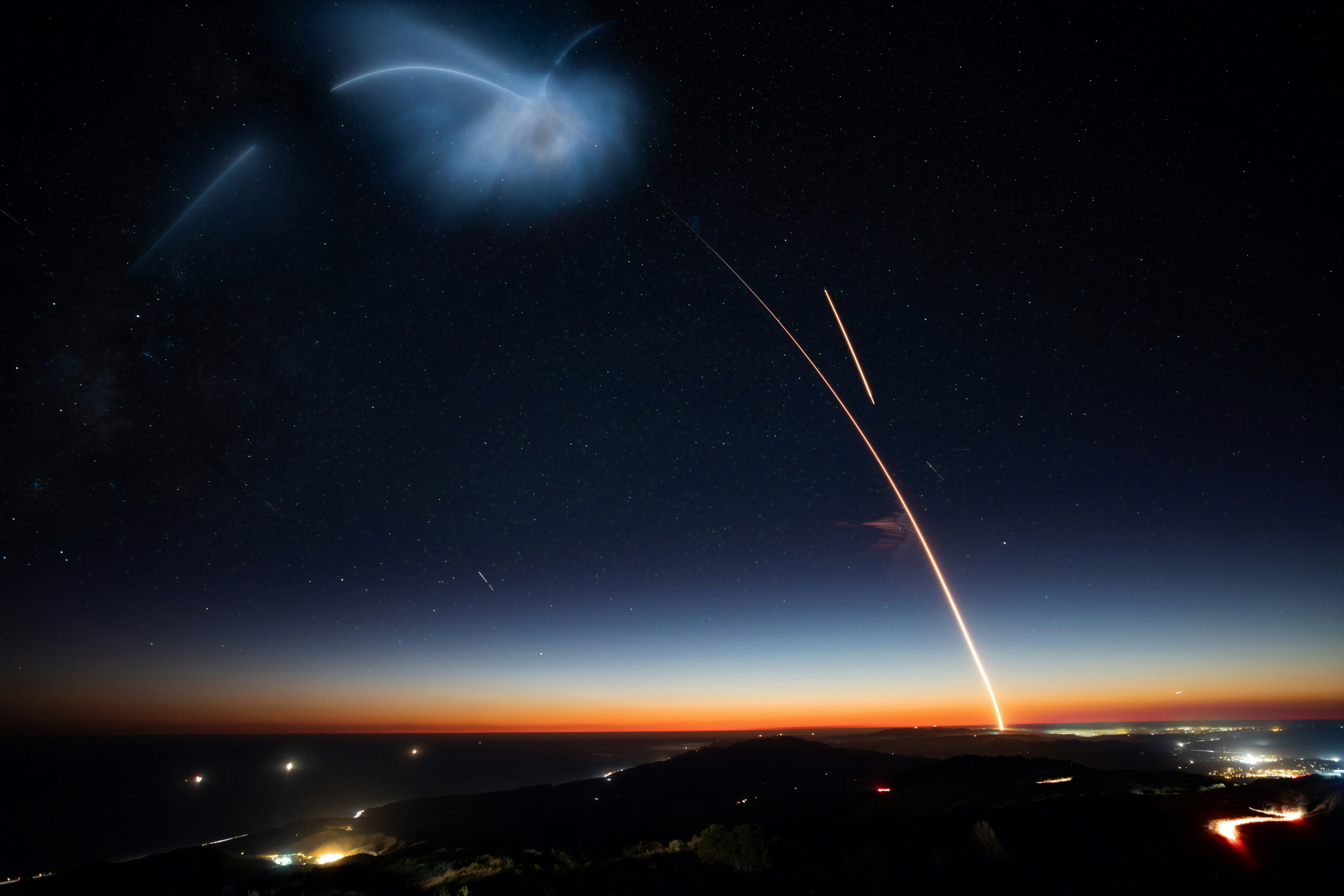
In a landmark achievement, SpaceX celebrated its 500th Falcon 9 launch by deploying 27 Starlink satellites while simultaneously advancing its reuse strategy with record-breaking milestones.
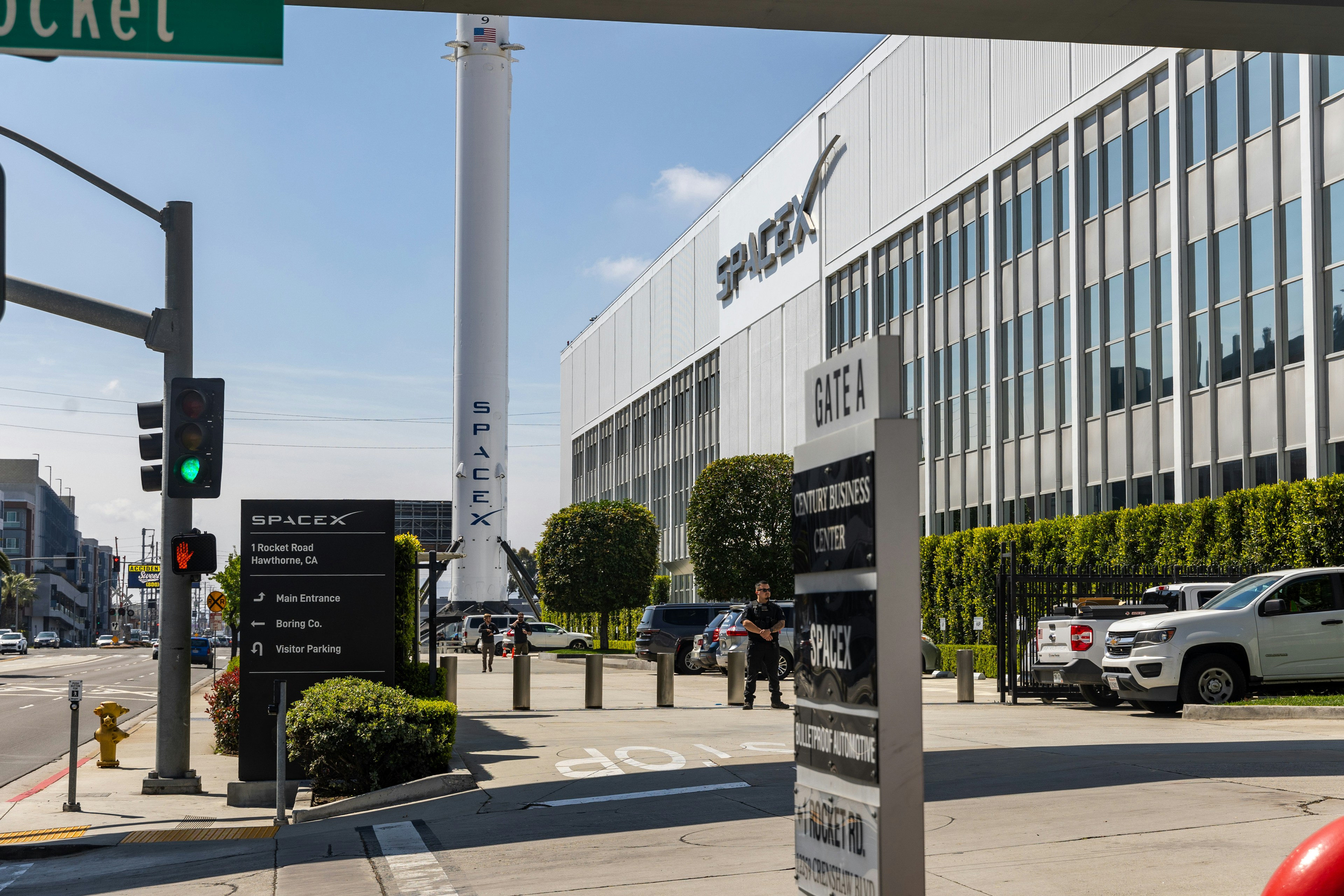
SpaceX sets a new reusability record and continues its busy launch schedule with multiple Starlink missions.

Key updates today focus on SpaceX's latest satellite launch for the U.S. military, critical space resource assessments by the U.S. Space Force, and new developments in space infrastructure and equipment for defense operations.
Today's Space Brief covers a major partnership in space tech distribution, China's orbital refueling preparations under U.S. scrutiny, recent U.S. defense budget reveals, and an exciting hyperspectral imagery release from Xplore.
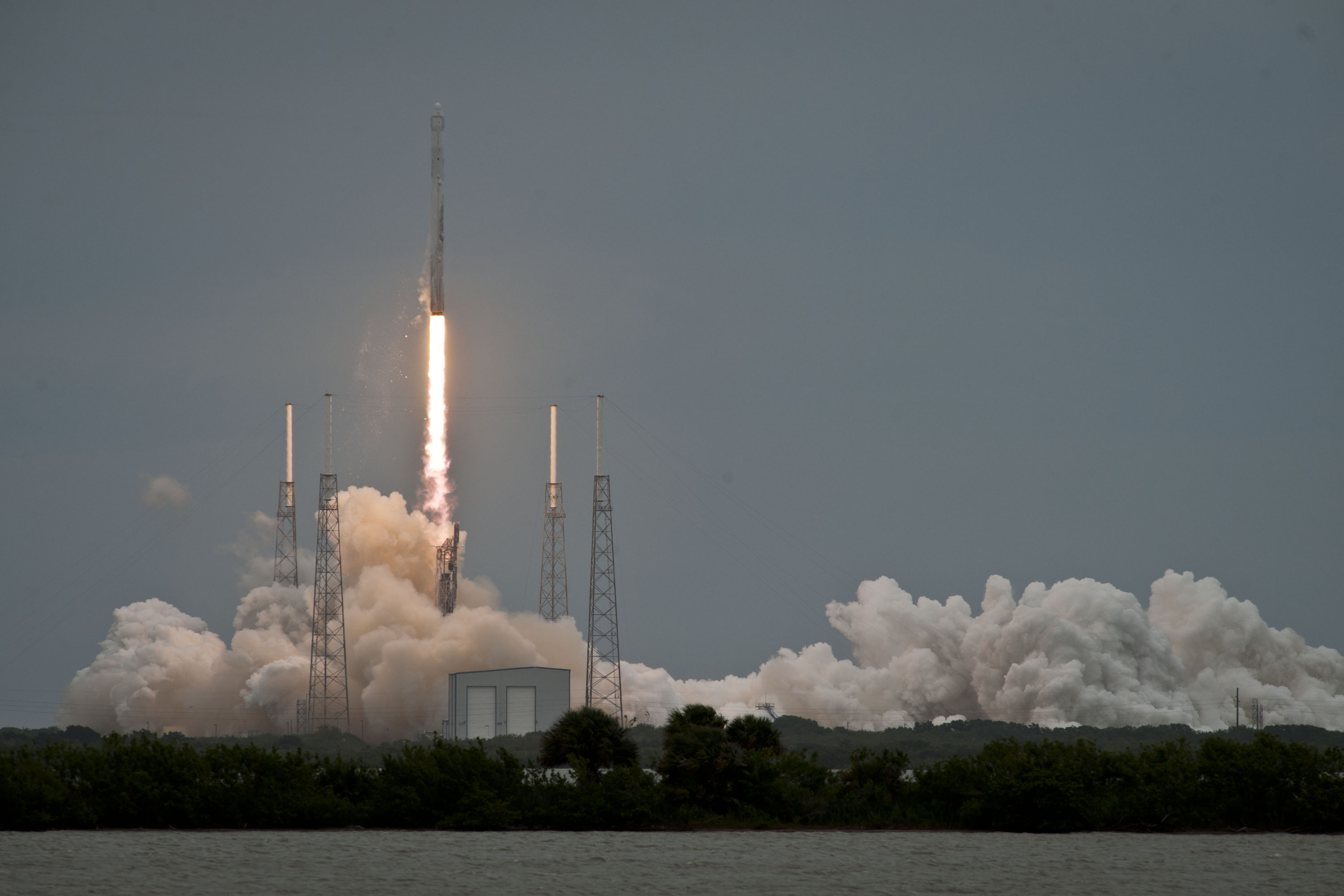
On April 18, 2014, a Falcon 9 first stage did something no orbital rocket had ever done before. It fired its engines on the way down, steered itself through the atmosphere using grid fins that did not yet exist, and touched the Atlantic Ocean softly enough to survive the impact. Nobody recovered it. The data was the whole point.