STARLINK-1049 (44754)

COSPAR: 2019-074AT | Alt Name: Starlink 1049
DECAYED

Image
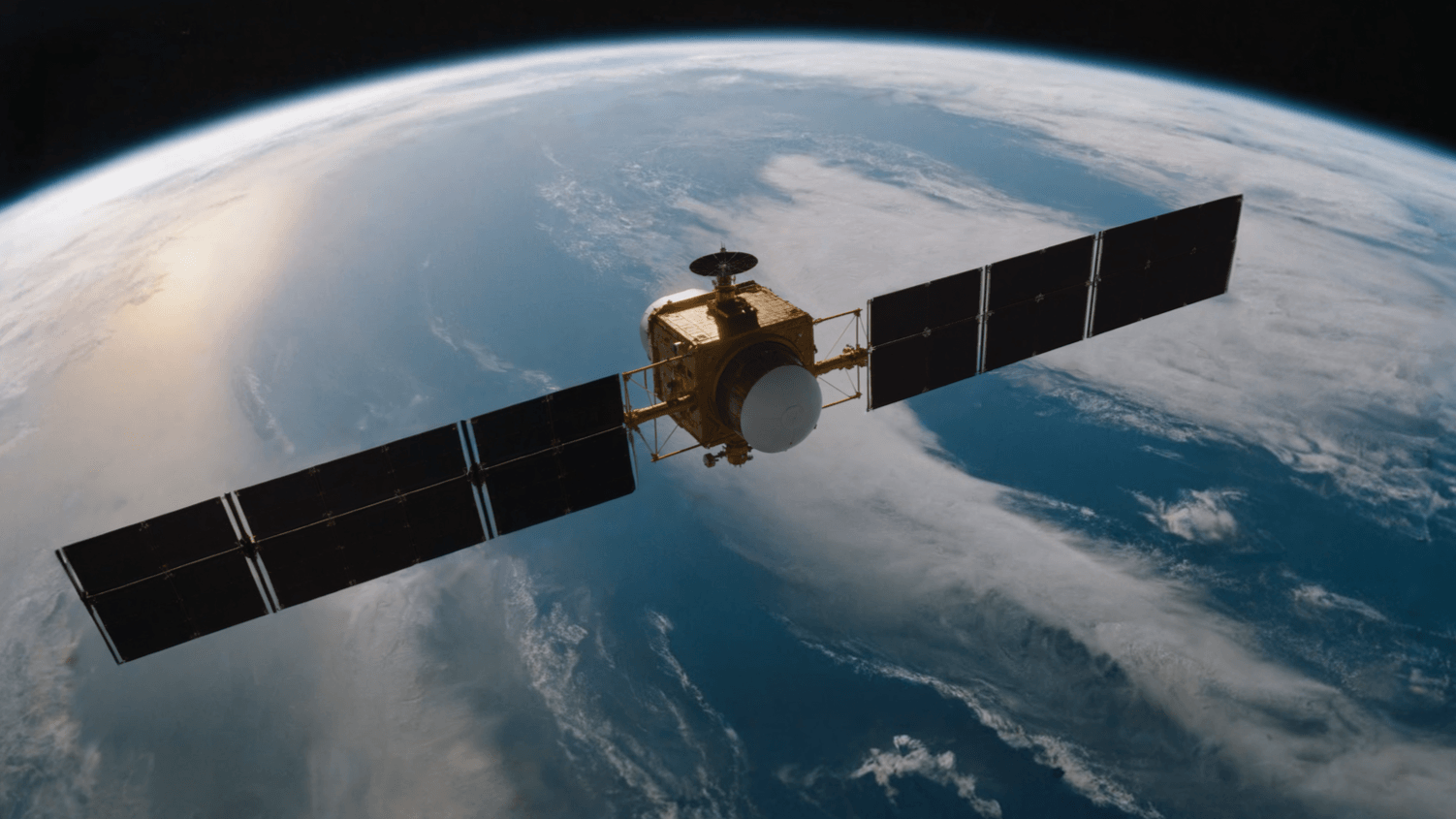
STARLINK-1049 Satellite Image
Additional Sources
Launch Details

Launch Date

November 11, 2019

Launch Pad

LC40

Launch Vehicle

Falcon 9

Orbital Elements

NORAD ID

44754

International Designator

2019-074AT

Decay Date

10/27/2023

Basic Satellite Info

Name

STARLINK-1049

Alternative Name

Starlink 1049

Type

Payload

Status

Decayed

Owner

SPXS

Country

United States

Constellation

N/A

Related Satellites

Major Events

N/A

Summary
The STARLINK-1049 satellite, also known as Starlink 1049, is a communication satellite manufactured by SpaceX and launched on November 11, 2019, from the Cape Canaveral Air Force Station's Launch Complex 40 aboard a Falcon 9 launch vehicle. It has a dry mass of 248 kg and was deployed with an initial launch mass of 260 kg. The satellite measures 0.2 meters in length, 2.8 meters in diameter, and spans 9 meters when fully extended. It is equipped with Ku/Ka-band payload capabilities and features optical inter-satellite links on some prototypes, along with solar arrays and batteries for power. Its propulsion system utilizes krypton ion thrusters to maintain its orbit.

Starlink is a satellite constellation developed by SpaceX with the aim of providing global broadband internet coverage. Thousands of small satellites are deployed in low Earth orbit (LEO), enabling high-speed internet access even in remote areas. However, the rapid increase in satellites raises concerns about space debris and the potential for collisions, which can lead to further debris creation and endanger other spacecraft. Additionally, the sheer number of Starlink satellites can affect astronomical observations by increasing light pollution. Proper deorbiting plans and international coordination are essential to mitigate these challenges and ensure long-term sustainability in space.
Physical Characteristics

Length

0.2

Diameter

2.8

Span

9

Dry Mass

248

Launch Mass

260

Shape

Box + pan

Radar Cross Section

Unknown

Visual Magnitude

Unknown

Color

Unknown

Material Composition

Unknown

Technical Details

Payload

Starlink V1.0-L1-42

Purpose

Communication

Mission

Communication

Manufacturer

SPXS

Life Expectancy

Unknown

Bus

Starlink

Configuration

Unknown

Motor

Krypton ion thrusters

Equipment

Ku/Ka-band payload (all), optical inter-satellite links (a few prototypes)

Power System

Solar arrays, batteries

ADCS

Unknown

Transmitter Frequency

Unknown

Satellite Articles

View All Posts »

Learn more about satellites and other related topics.

Space Brief 22 Jun 2025

Space Brief 22 Jun 2025

Today's briefing covers a last-minute abort of a SpaceX Starlink launch, NASA's preparation for hypersonic tests, Airbus's progress in its space business, and more exciting developments in satellite tracking and reusable spaceflight.

Space Brief 30 Aug 2024

Space Brief 30 Aug 2024

Today's highlights include General Dynamics' contract extension with SDA, ABL Space Systems layoffs, NASA's Crew-9 mission adjustments, and Galactic Energy's successful satellite launch.

Space Brief 13 Apr 2025

Space Brief 13 Apr 2025

SpaceX launches a doubleheader of satellites while Blue Origin prepares for a historic all-female spaceflight. Also, meet FORMOSAT-5 in our Satellite Spotlight.

Space Brief 5 Sep 2025

Space Brief 5 Sep 2025

Today's Space Brief delves into key military developments in space, including the Space Force's pioneering officer training and innovative small satellite communication strategies.

X Report 12 Feb 2025

X Report 12 Feb 2025

SpaceX swaps Crew Dragon capsules with NASA to accelerate Crew-10 launch, and successfully launches multiple Starlink satellites into orbit.

Space Brief 13 Jul 2025

Space Brief 13 Jul 2025

Today's Space Brief covers key topics including new defense mandates for space, Firefly Aerospace's public filing, major funding for Varda Space Industries, and updates on SpaceX's Crew-11 mission and a mystery satellite launch.

The Satellite That Found 22 Photons and Changed Astronomy

The Satellite That Found 22 Photons and Changed Astronomy

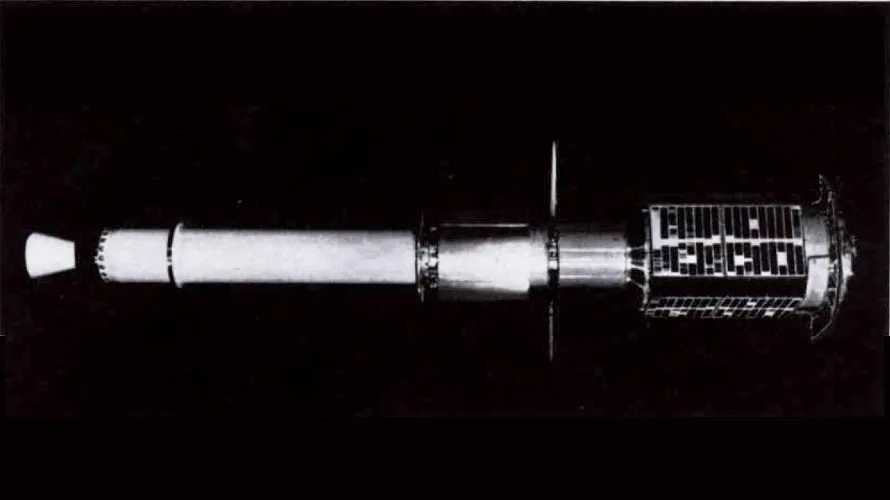
On April 27, 1961, a Scout rocket lifted a 37-kilogram NASA satellite into orbit from Wallops Island carrying the first serious instrument for detecting cosmic gamma rays. Explorer 11 operated for seven months before its tape recorder failed. In that time it registered 22 gamma-ray photons - a pitiful number by modern standards, but enough to launch an entire branch of astronomy.

X Report 16 May 2025

X Report 16 May 2025

Today's brief highlights the launch of United Airlines' Starlink Wi-Fi on passenger flights, updates on Starship development, and SpaceX's push to position Starlink as a GPS alternative in recent FCC discussions.