


X Report 1 Nov 2025
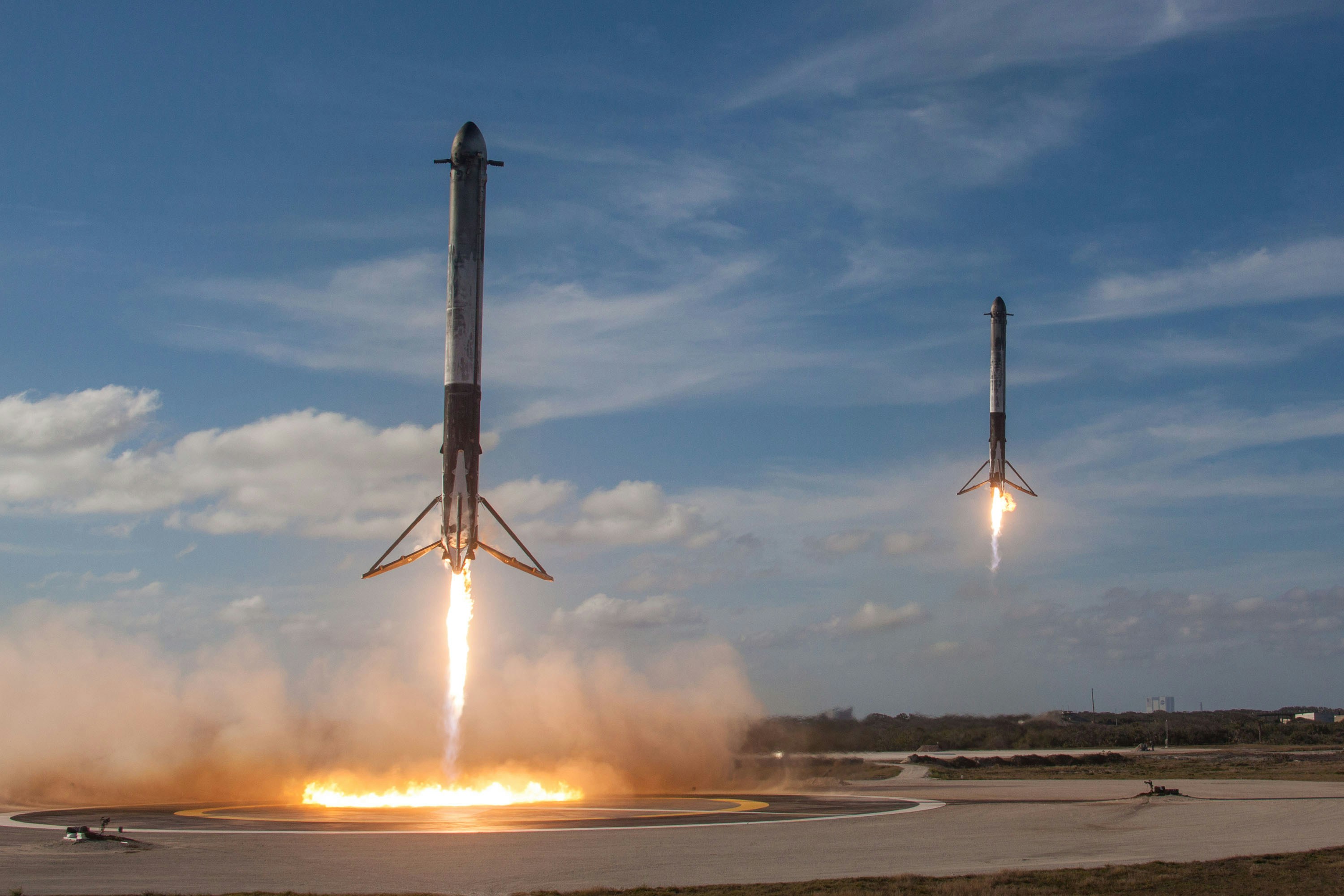
SpaceX marks a significant milestone with its 100th Starlink mission launch and makes impressive progress on lunar lander development for Artemis III.


Launch Date
October 11, 2019
Launch Site
ERAS
Launch Pad
RW13
Launch Vehicle
Pegasus XL
NORAD ID
44628
International Designator
2019-068A
Epoch
Fri, 03 Jul 2026 22:01:57 GMT
Apogee
Calculating...
Perigee
Calculating...
Inclination
26.98°
Right Ascension
271.39°
Eccentricity
Calculating...
Argument of Perigee
40.62°
Period
95.55 min
Mean Motion
15.07 rev/day
Latitude
Calculating...
Longitude
Calculating...
Altitude
Calculating...
Velocity
Calculating...
Name
ICON
Alternative Name
ICON
Type
Status
Owner
GSFC
Country
United States
Constellation
N/A
Related Satellites
Major Events
N/A
1 44628U 19068A 26184.91802560 .00004260 00000-0 26122-3 0 9998
2 44628 26.9840 271.3892 0013739 40.6235 319.5350 15.07066998368565
Source: Celestrak
Length
1.9
Diameter
1.1
Span
3.6
Dry Mass
288
Launch Mass
288
Shape
Hex cyl+cyl+1 pan
Radar Cross Section
Unknown
Visual Magnitude
Unknown
Color
Unknown
Material Composition
Unknown
Payload
ICON
Purpose
Research, ionosphere
Mission
Research, ionosphere
Manufacturer
NGISD
Life Expectancy
2 years (design)
Bus
Leostar-2/750
Configuration
LEOStar-2
Motor
AOCS
Equipment
MIGHTI, EUV, FUV, IVM
Power System
2 deployable solar arrays, batteries
ADCS
Unknown
Transmitter Frequency
Unknown
Learn more about satellites and other related topics.
SpaceX marks a significant milestone with its 100th Starlink mission launch and makes impressive progress on lunar lander development for Artemis III.

SpaceX celebrates a record-breaking Falcon 9 launch while Starship demonstrates strong performance in its recent test flight, fueling excitement for upcoming projects.
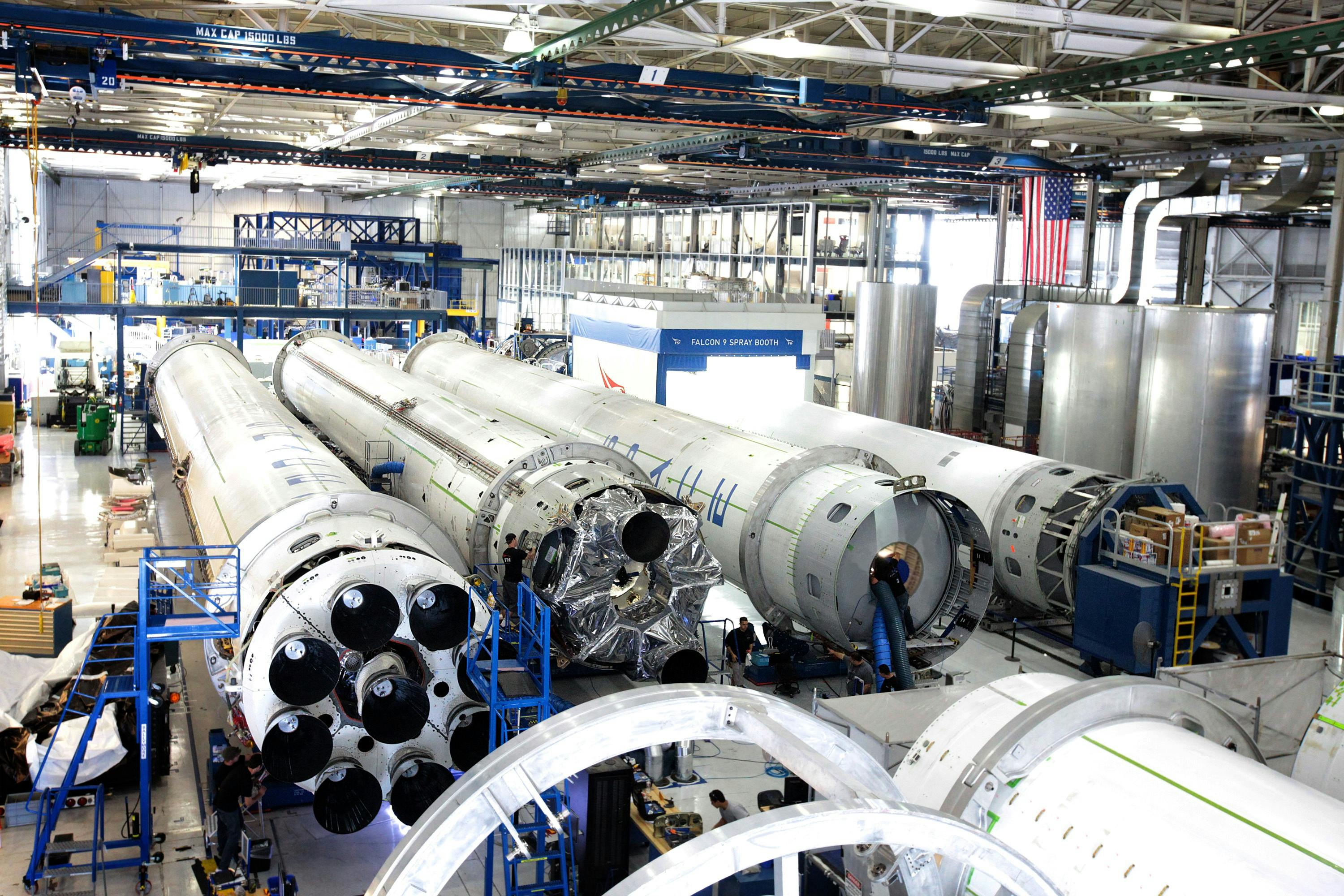
SpaceX gears up for the Transporter 14 rideshare mission, while recent Starship setbacks have not deterred plans for Falcon 9 launches.

Today's highlights include SpaceX's dual satellite launches, a new Space Force contract with Raytheon, and Astroscale's upcoming OneWeb mission.

Falcon Heavy flew for the first time in eighteen months on April 29, 2026, expending its center core to push Viasat's final ViaSat-3 satellite toward geostationary orbit. The mission is a flagship rocket doing what only it can still do, for an operator betting six tons of high-throughput hardware on a market Starlink is rapidly redefining.
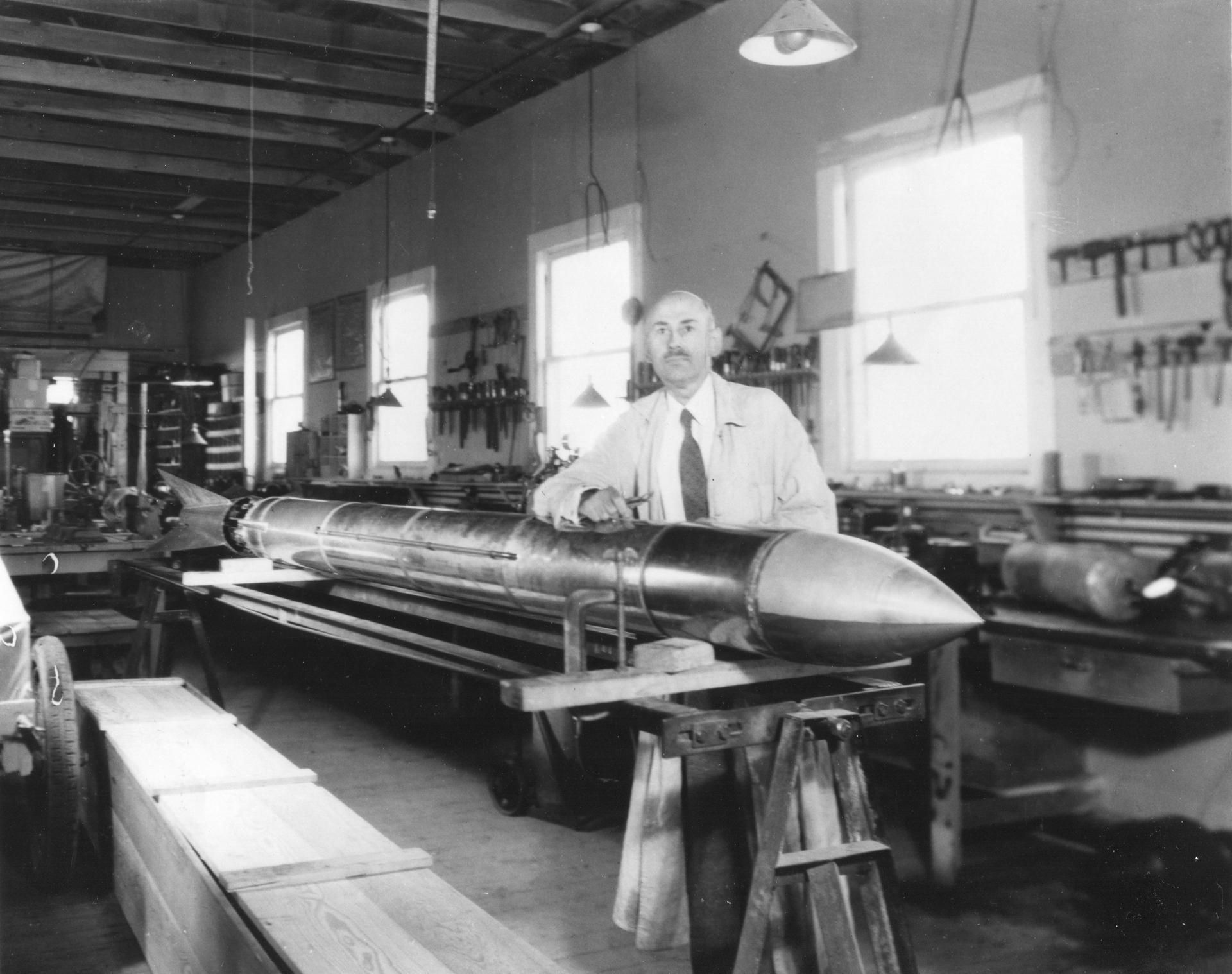
On February 2, 1909, Robert Goddard made a revolutionary breakthrough in his notebook: liquid oxygen and liquid hydrogen could achieve 50% efficiency in converting heat energy to kinetic energy for rocket propulsion
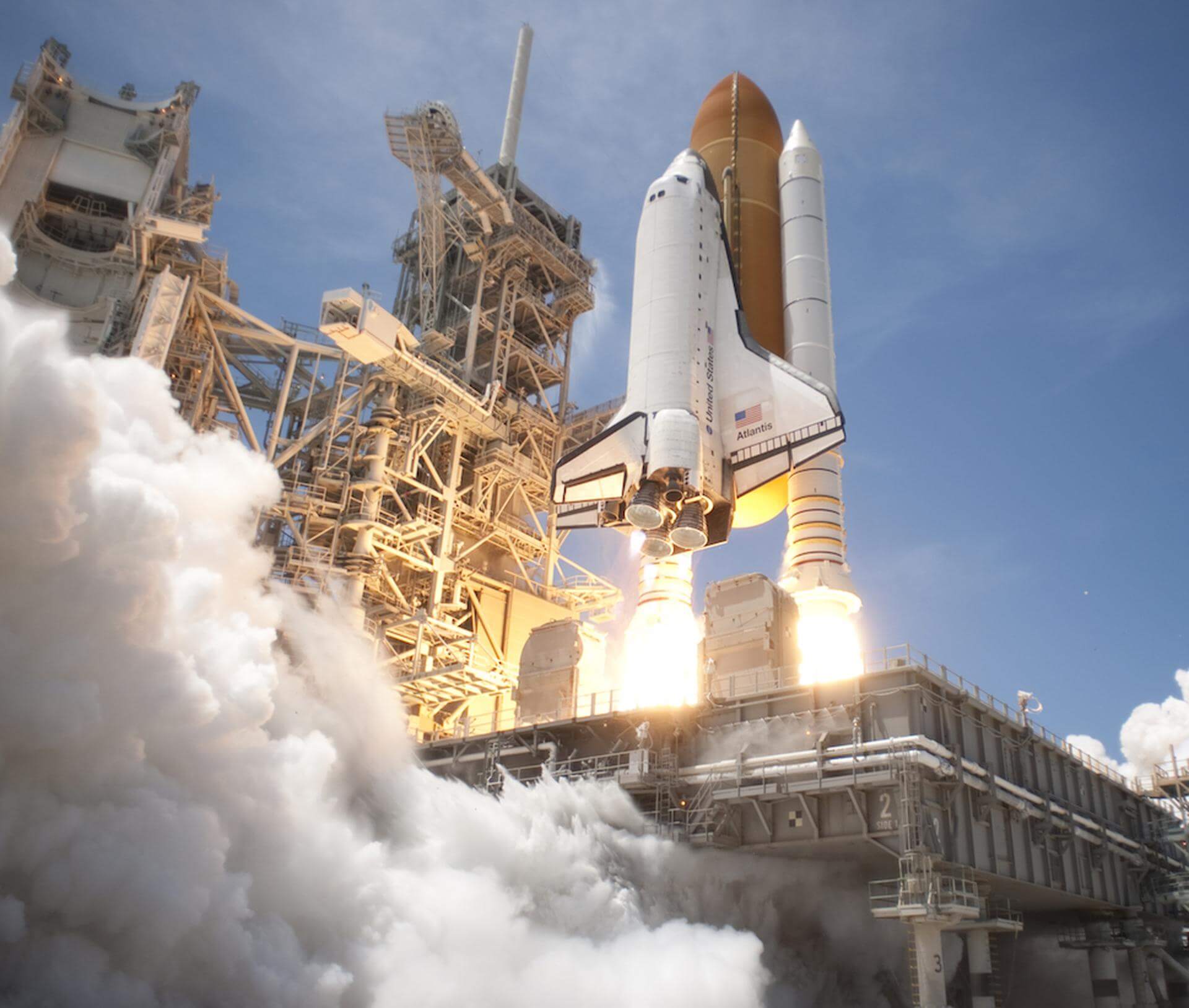
ESA's Proba-3 spacecraft lost contact last month following on-orbit anomaly. Mission requires both satellites in precise formation for solar corona science. Recovery status uncertain.
Today, SpaceX faced delays in launching the Ax-4 mission due to a booster leak, while Starlink made strides towards launching in India with new telecom license approval.