

Space Brief 10 Mar 2025
Today's briefing covers significant events, including advancements in US missile warning systems, SpaceX's Florida Starship plans, a European rocket's success, and NASA's upcoming missions.


Launch Date
August 19, 2019
Launch Site
RLLB
Launch Pad
LC1A
Launch Vehicle
Electron
NORAD ID
44496
International Designator
2019-054B
Decay Date
2/12/2025
Name
ELECTRON KICK STAGE R/B
Alternative Name
Electron 8 Kick Stage
Type
Status
Owner
RLABN
Country
New Zealand
Constellation
N/A
Related Satellites
Major Events
N/A
Length
0.4
Diameter
1.2
Span
1.2
Dry Mass
50
Launch Mass
50
Shape
Trunc cone
Radar Cross Section
Unknown
Visual Magnitude
Unknown
Color
Unknown
Material Composition
Unknown
Payload
Electron Kick Stage
Purpose
Unknown
Mission
Unknown
Manufacturer
RLABN
Life Expectancy
Unknown
Bus
Kick Stage
Configuration
Unknown
Motor
Curie
Equipment
Unknown
Power System
Unknown
ADCS
Unknown
Transmitter Frequency
Unknown
Learn more about satellites and other related topics.
Today's briefing covers significant events, including advancements in US missile warning systems, SpaceX's Florida Starship plans, a European rocket's success, and NASA's upcoming missions.

Key topics today include the US Space Force's new international strategy, China's partnership with Pakistan for astronaut training, and conservation concerns over SpaceX landing proposals.
Notable space events as the year closes: China's record orbital launches, Vandenberg's new launch site, Rocket Lab's achievements, and urgent MAVEN recovery efforts.

SpaceX faces weather challenges as it scrubs the launch of its 3,000th Starlink satellite. Meanwhile, Elon Musk discusses advancing to a Type II civilization in an engaging social media post.

U.S. Space Force selects Boeing's 702MP spacecraft for next-generation MUOS satellites. Rocket Lab delivers Synspective's 10th StriX radar satellite. Track both missions.

SpaceX's proposed 1-million-satellite AI data center constellation alarms astronomers as Falcon 9 logs its 25th Starlink launch of 2026.
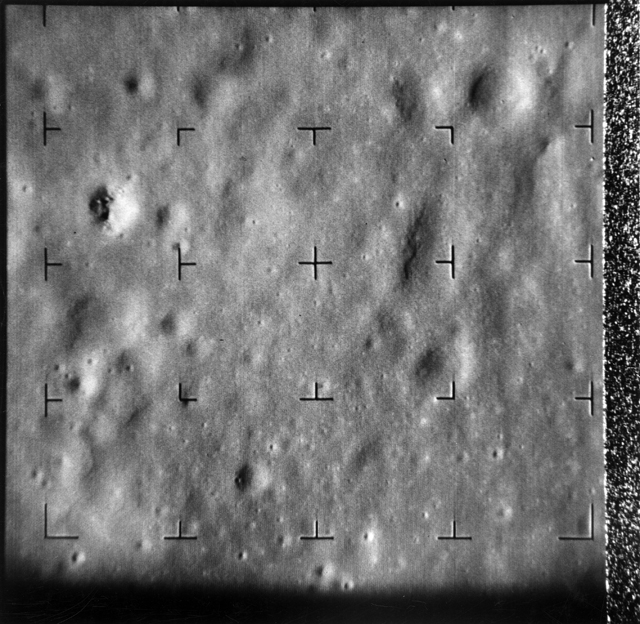
Sixty years ago, a pioneering spacecraft called Ranger 8 captured thousands of detailed photographs of the lunar surface before intentionally crashing into the Moon, helping pave the way for humanity's first steps on another world
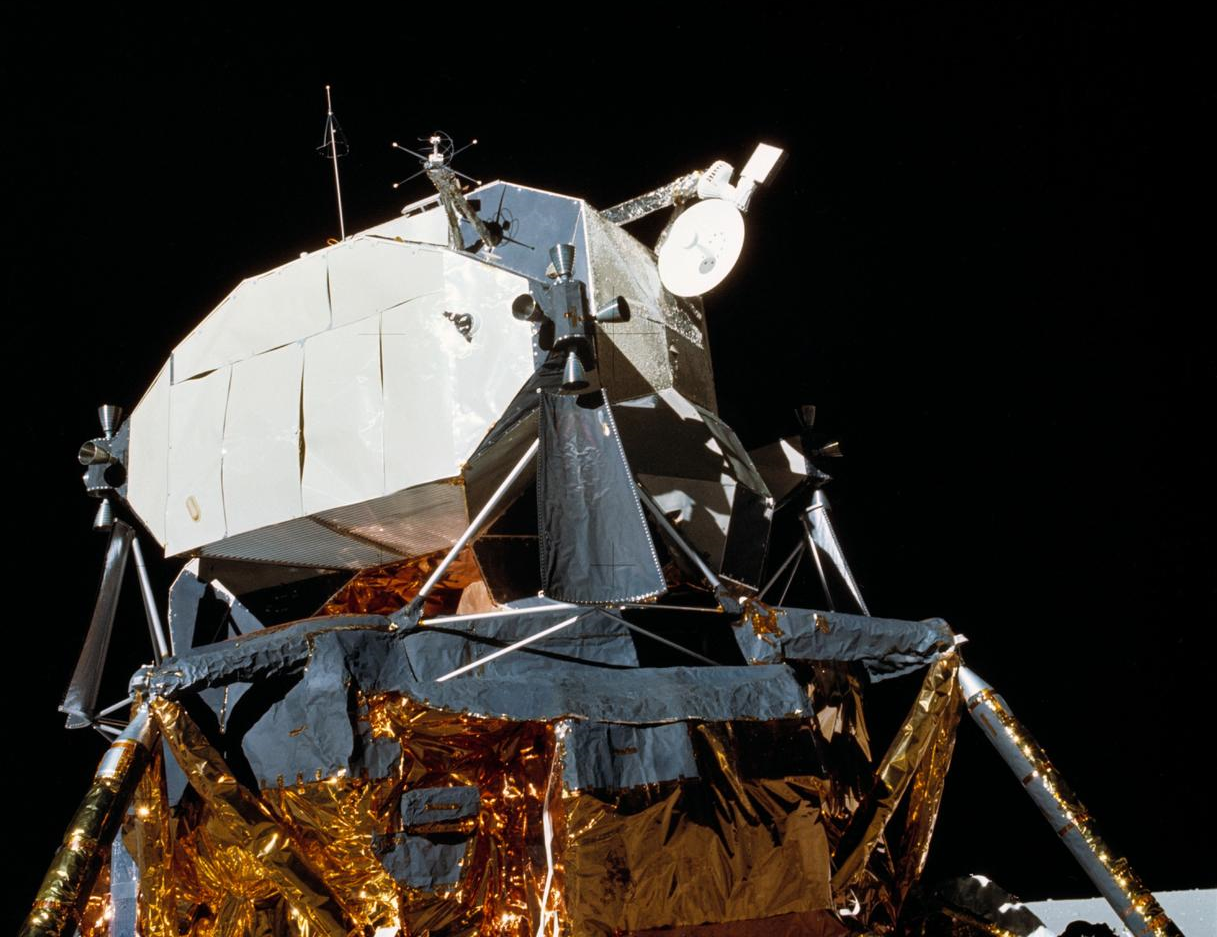
Six hours behind schedule, with a backup engine system shuddering in lunar orbit and mission controllers in Houston running out of options, Apollo 16 came within one meeting of being sent home without landing. The problem was a wobble in a gimbal. The solution was math done under pressure.