

X Report 3 Jul 2025
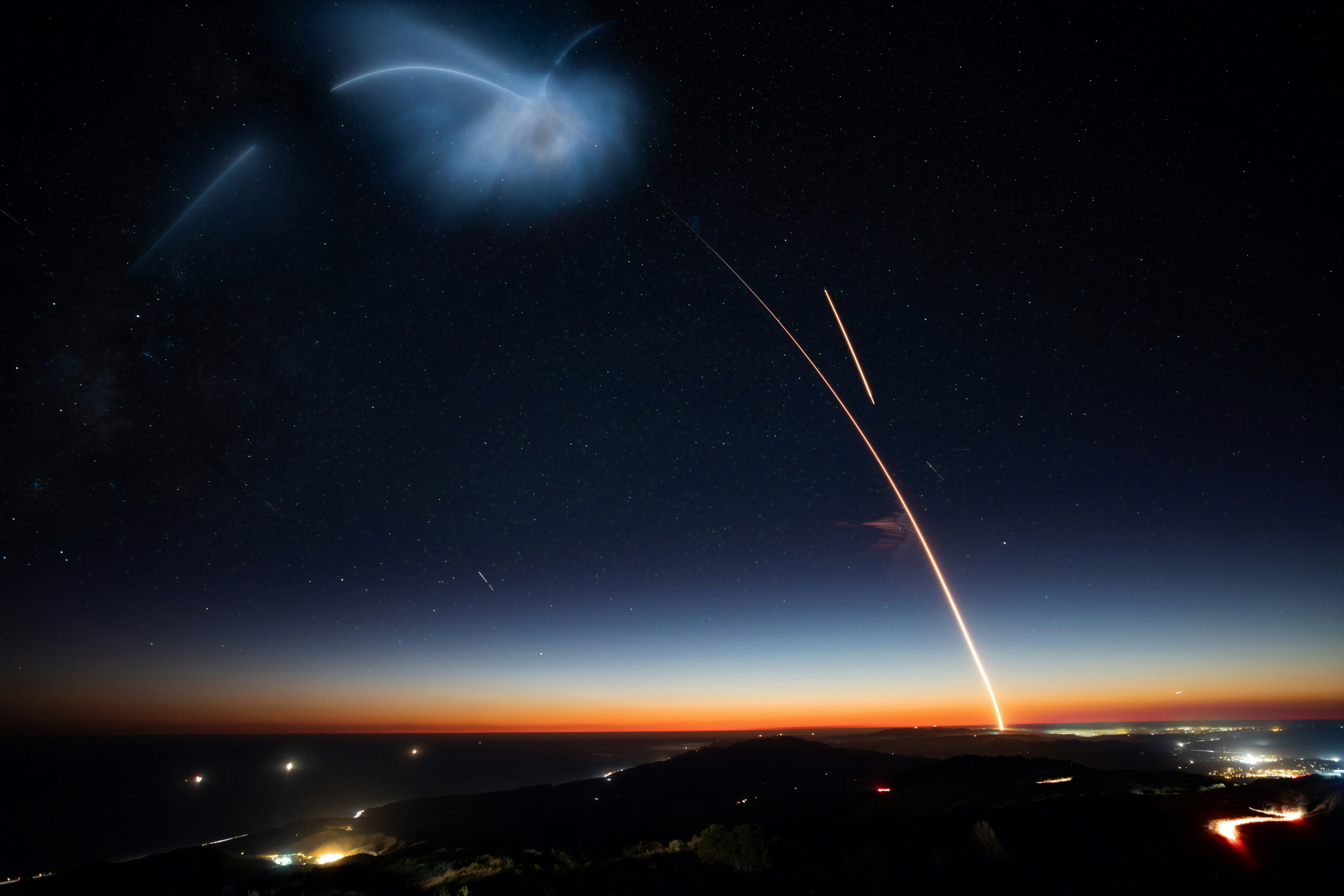
In a landmark achievement, SpaceX celebrated its 500th Falcon 9 launch by deploying 27 Starlink satellites while simultaneously advancing its reuse strategy with record-breaking milestones.


Launch Date
January 24, 2019
Launch Site
SRILR
Launch Pad
FLP
Launch Vehicle
PSLV-DL
NORAD ID
44473
International Designator
2019-006DX
Decay Date
9/13/2019
Name
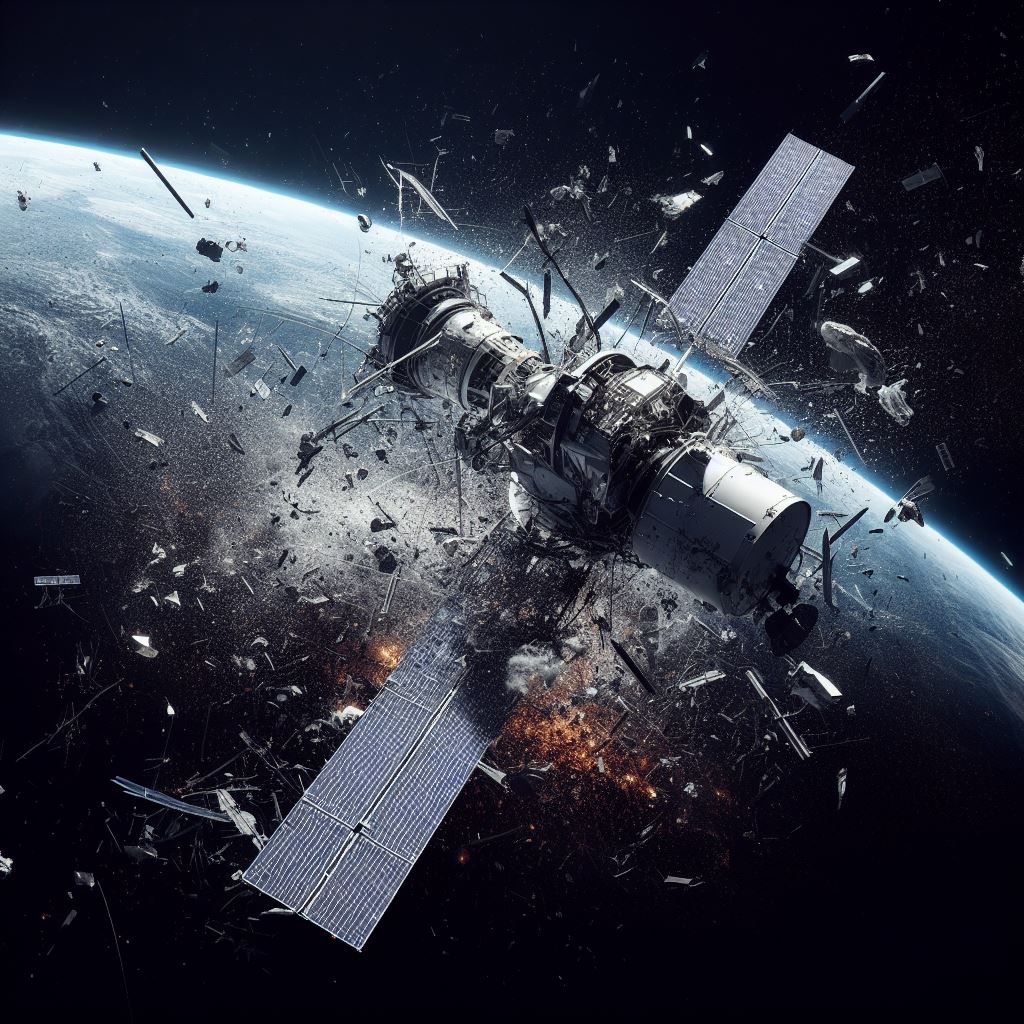
MICROSAT-R DEB
Alternative Name
Microsat-R debris
Type
Status
Owner
DRDO
Country
India
Constellation
N/A
Related Satellites
Major Events
N/A
Length
0
Diameter
0
Span
0
Dry Mass
0
Launch Mass
0
Shape
N/A
Radar Cross Section
Unknown
Visual Magnitude
Unknown
Color
Unknown
Material Composition
Unknown
Payload
Unknown
Purpose
Unknown
Mission
Unknown
Manufacturer
DRDO
Life Expectancy
Unknown
Bus
Unknown
Configuration
Unknown
Motor
Unknown
Equipment
Unknown
Power System
Unknown
ADCS
Unknown
Transmitter Frequency
Unknown
Learn more about satellites and other related topics.
In a landmark achievement, SpaceX celebrated its 500th Falcon 9 launch by deploying 27 Starlink satellites while simultaneously advancing its reuse strategy with record-breaking milestones.
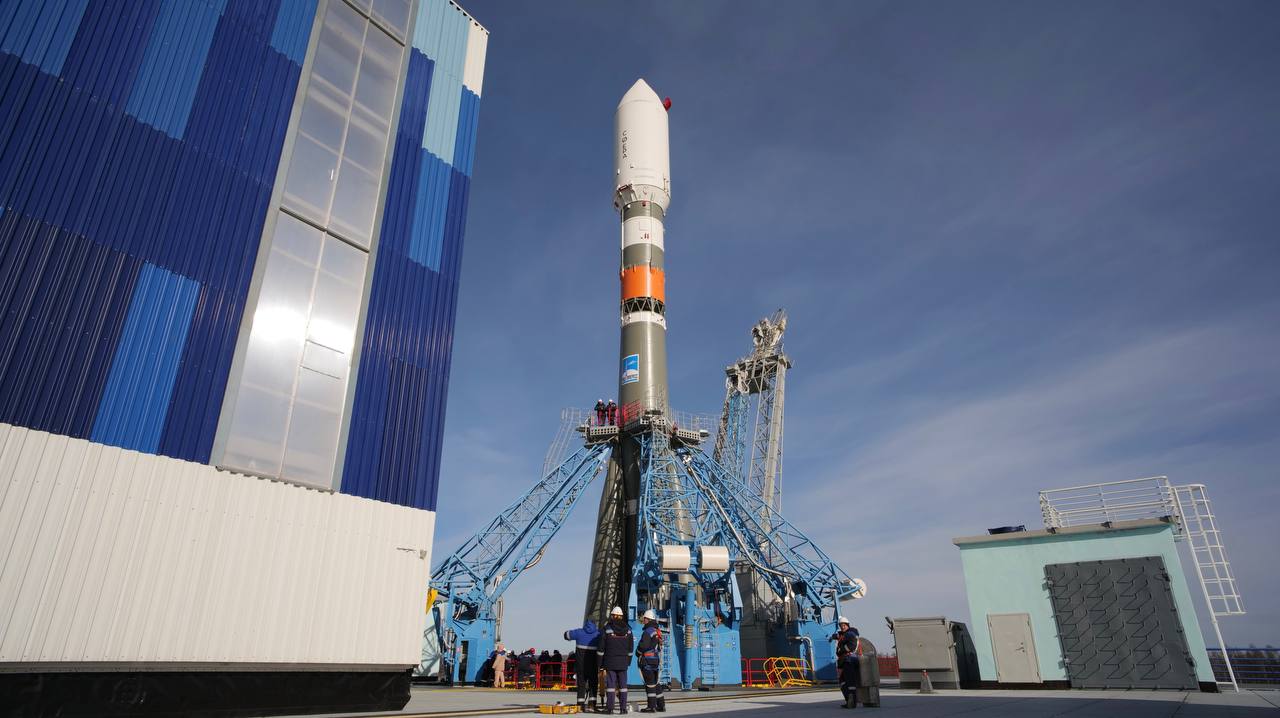
Today's brief covers China's latest experimental launch to GEO and new commercial satellites, insights from hyperspectral imagery on underground structures, and the Space Force's material testing for Mars missions.

FCC approves 7,500 additional Starlink Gen2 satellites. Space Force awards SpaceX $739M for nine national security launches. NASA plans Crew-11 medical evacuation from ISS on January 14.
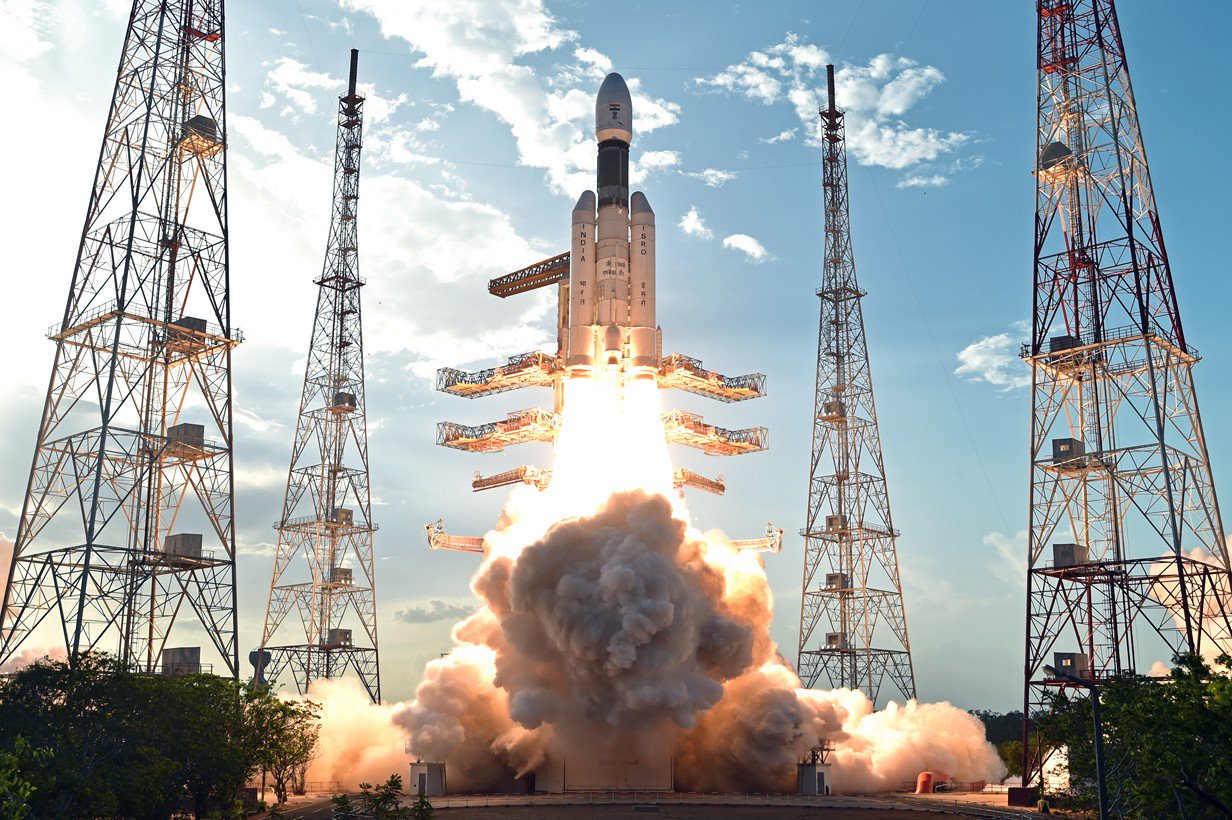
Today's brief covers an increase in Chinese satellite launches, the operational status of the Space Force's ATLAS software, and a significant fundraising event in the defense sector.

ULA's Vulcan Centaur faces potential months-long stand-down. Space Force actively exploring payload reassignment and satellite operational life extensions to cover critical national security missions.
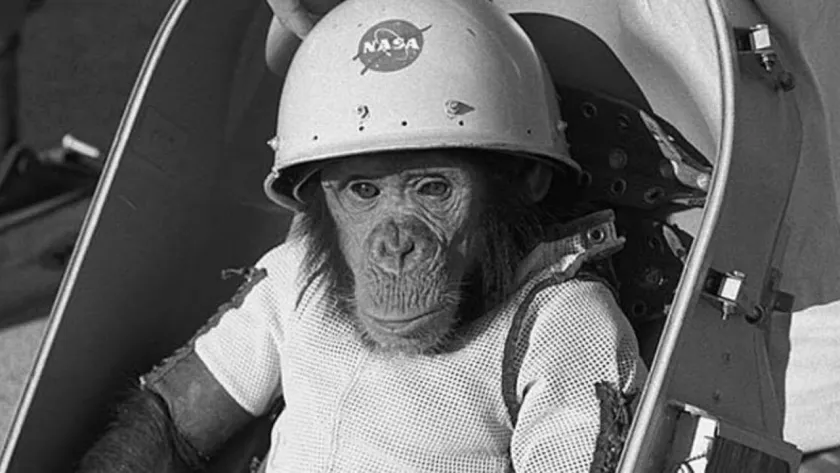
Sixty-five years ago, America launched two very different space missions within hours of each other - one broadcast live to a fascinated nation, the other quietly reaching orbit from a fog-shrouded California launchpad while no one was watching

China's iSpace secures record $729M for reusable rocket development. SpaceX launches Crew-12 and lands booster at new LZ-40 pad. Startup bets on space-based missile defense.
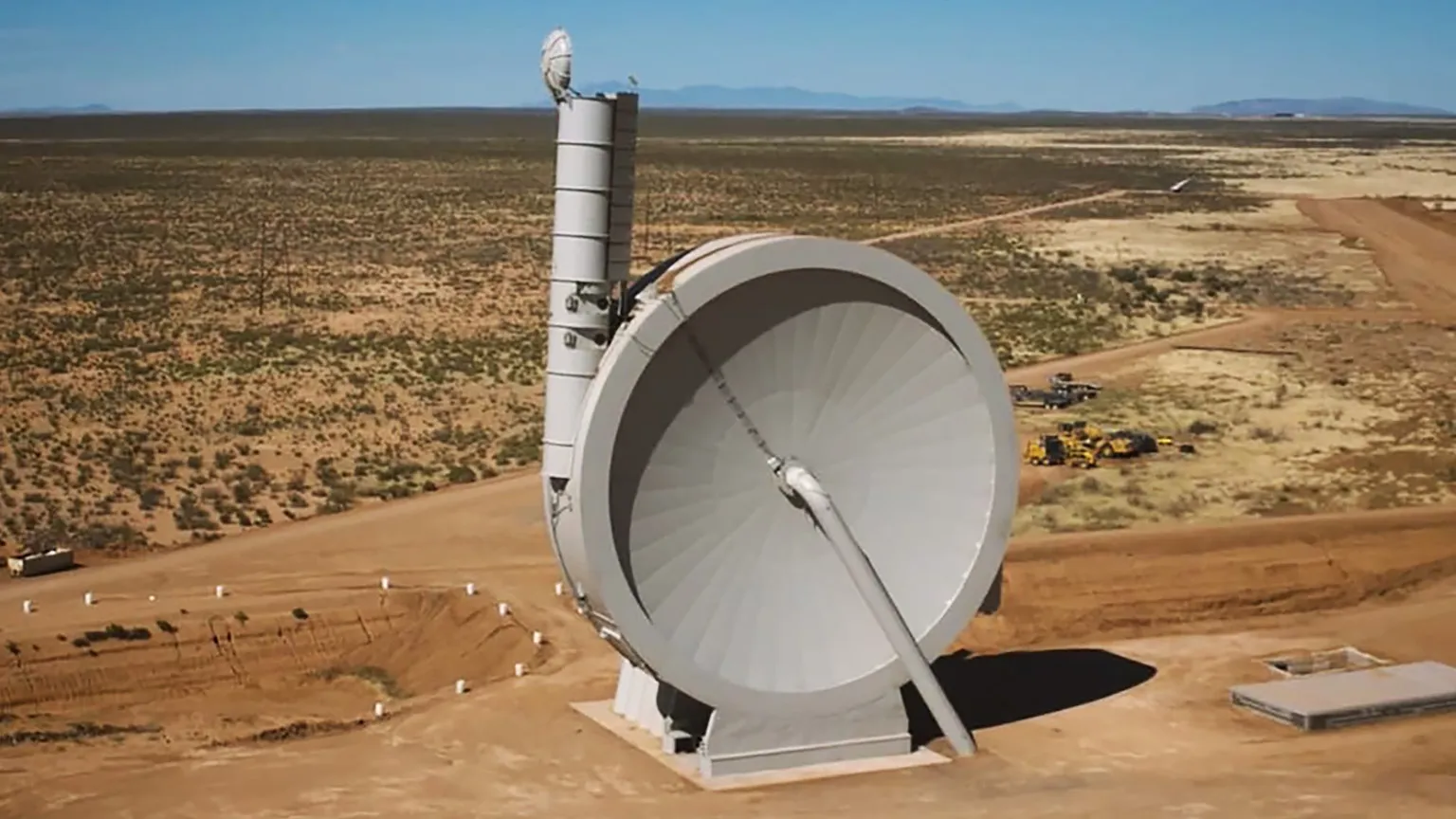
How a California startup's massive centrifuge could transform space access by eliminating rocket fuel, reducing costs by 70%, and enabling daily satellite launches - if it can overcome the physics of scaling from suborbital tests to orbital reality