


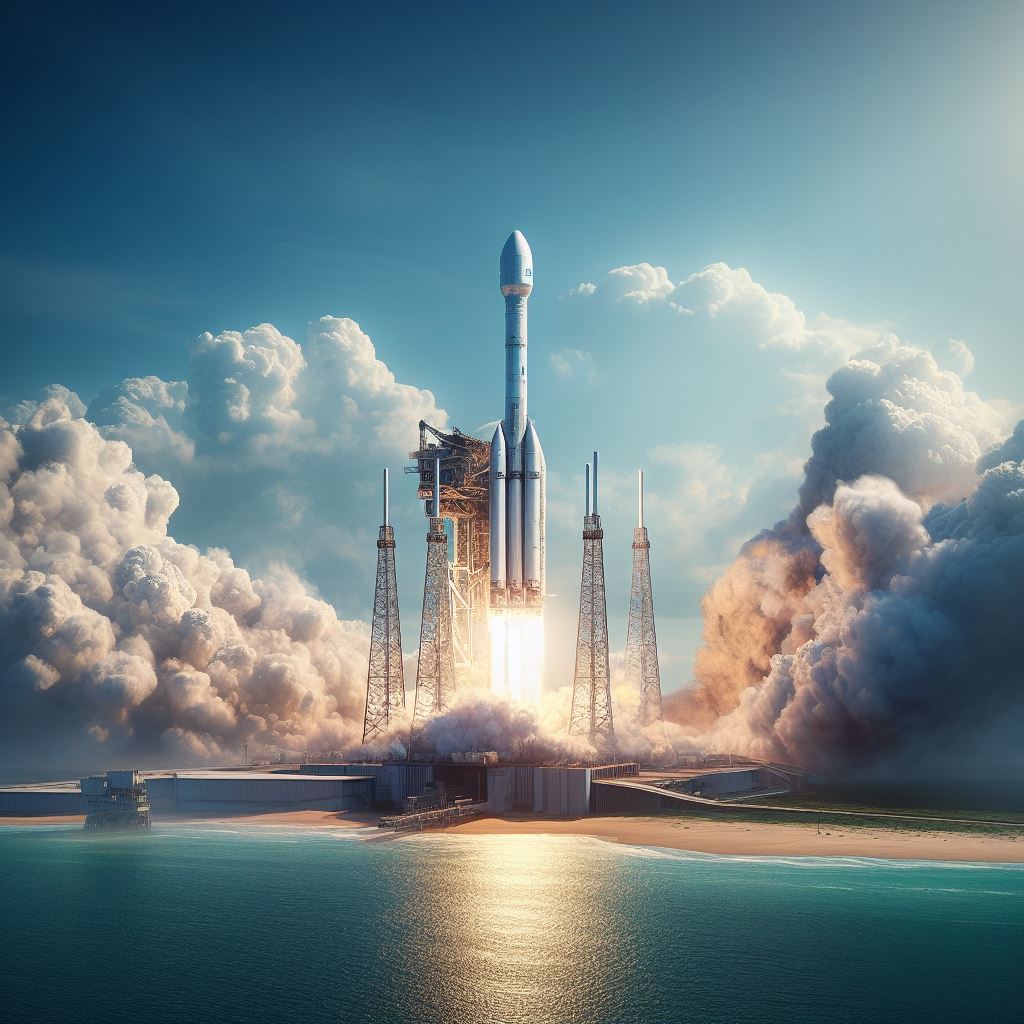
The Rise of Super Heavy-Lift Rockets
Super heavy-lift rockets are the most powerful launch vehicles ever built. They can send humans and cargo to the Moon, Mars, and beyond. But what are they, and why are they so important?


Launch Date
June 25, 2019
Launch Site
Launch Pad
LC39A
Launch Vehicle
Falcon Heavy
NORAD ID
44350
International Designator
2019-036M
Epoch
Fri, 03 Jul 2026 17:43:25 GMT
Apogee
Calculating...
Perigee
Calculating...
Inclination
24.00°
Right Ascension
342.91°
Eccentricity
Calculating...
Argument of Perigee
37.50°
Period
96.22 min
Mean Motion
14.97 rev/day
Latitude
Calculating...
Longitude
Calculating...
Altitude
Calculating...
Velocity
Calculating...
Name
FORMOSAT 7-4
Alternative Name
COSMIC 2-4
Type
Status
Owner
NSPO
Country
Taiwan
Constellation
N/A
Related Satellites
Major Events
N/A
1 44350U 19036M 26184.73849320 .00003309 00000-0 25776-3 0 9997
2 44350 23.9998 342.9130 0001351 37.4977 322.5618 14.96572500386550
Source: Celestrak
Length
1.2
Diameter
1
Span
3
Dry Mass
278
Launch Mass
278
Shape
Box+ 1 pan
Radar Cross Section
Unknown
Visual Magnitude
Unknown
Color
Unknown
Material Composition
Unknown
Payload
COSMIC-2 FM4
Purpose
Earth observation
Mission
Earth observation
Manufacturer
SSTLA
Life Expectancy
5 years
Bus
SSTL-100
Configuration
SSTL-100
Motor
Hydrazine monopropellant system
Equipment
TGRS
Power System
Deployable solar array, batteries
ADCS
Unknown
Transmitter Frequency
Unknown
Learn more about satellites and other related topics.
Super heavy-lift rockets are the most powerful launch vehicles ever built. They can send humans and cargo to the Moon, Mars, and beyond. But what are they, and why are they so important?

Discover the latest on China's Zhuque-3 launch, ISS crew updates, ESA's budget dealings, a strategic super-resolution partnership, and ACME Space's innovative plans.
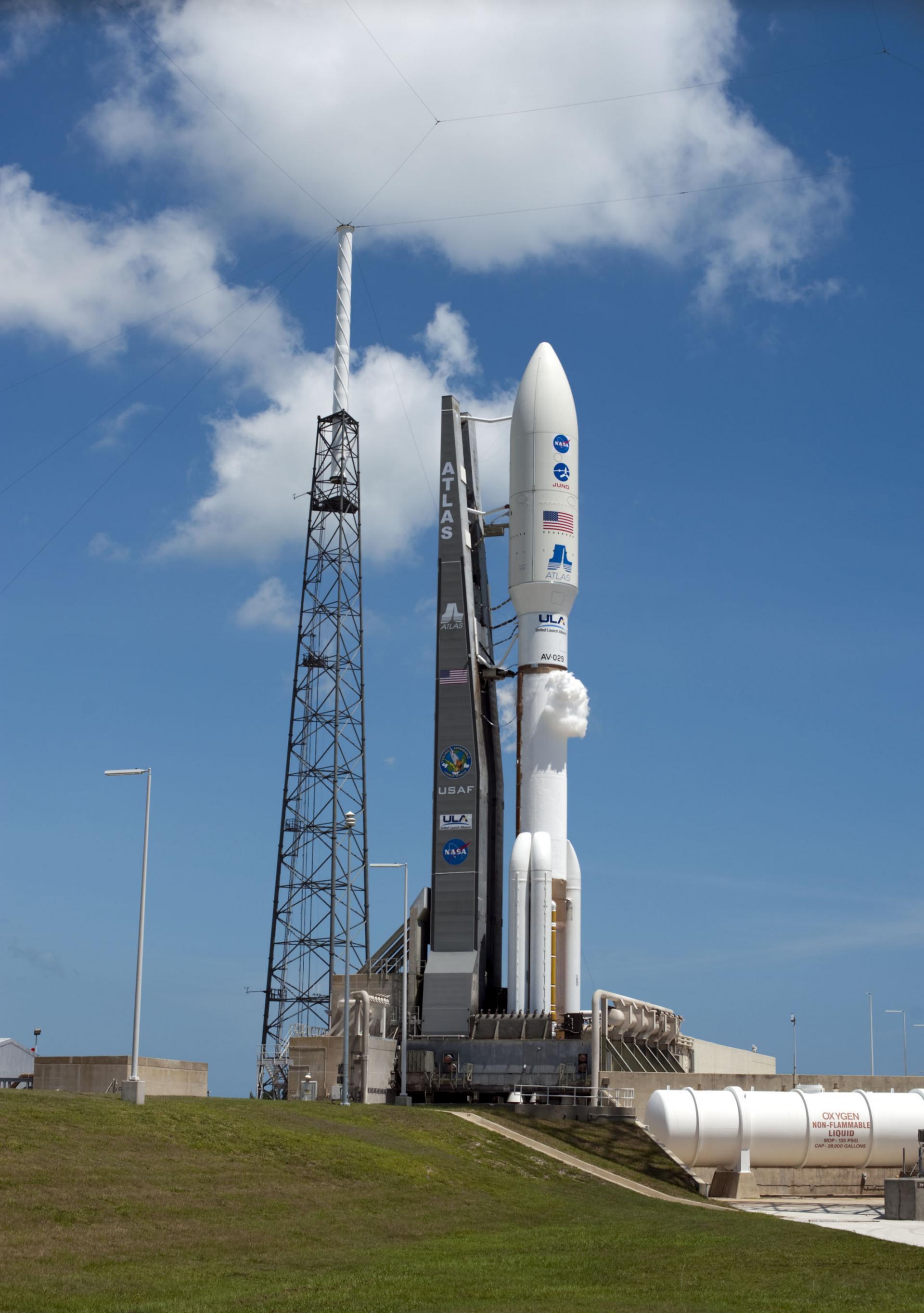
Today's briefing covers space-based missile defense, AI maritime surveillance, and new governmental shifts impacting the defense sector.
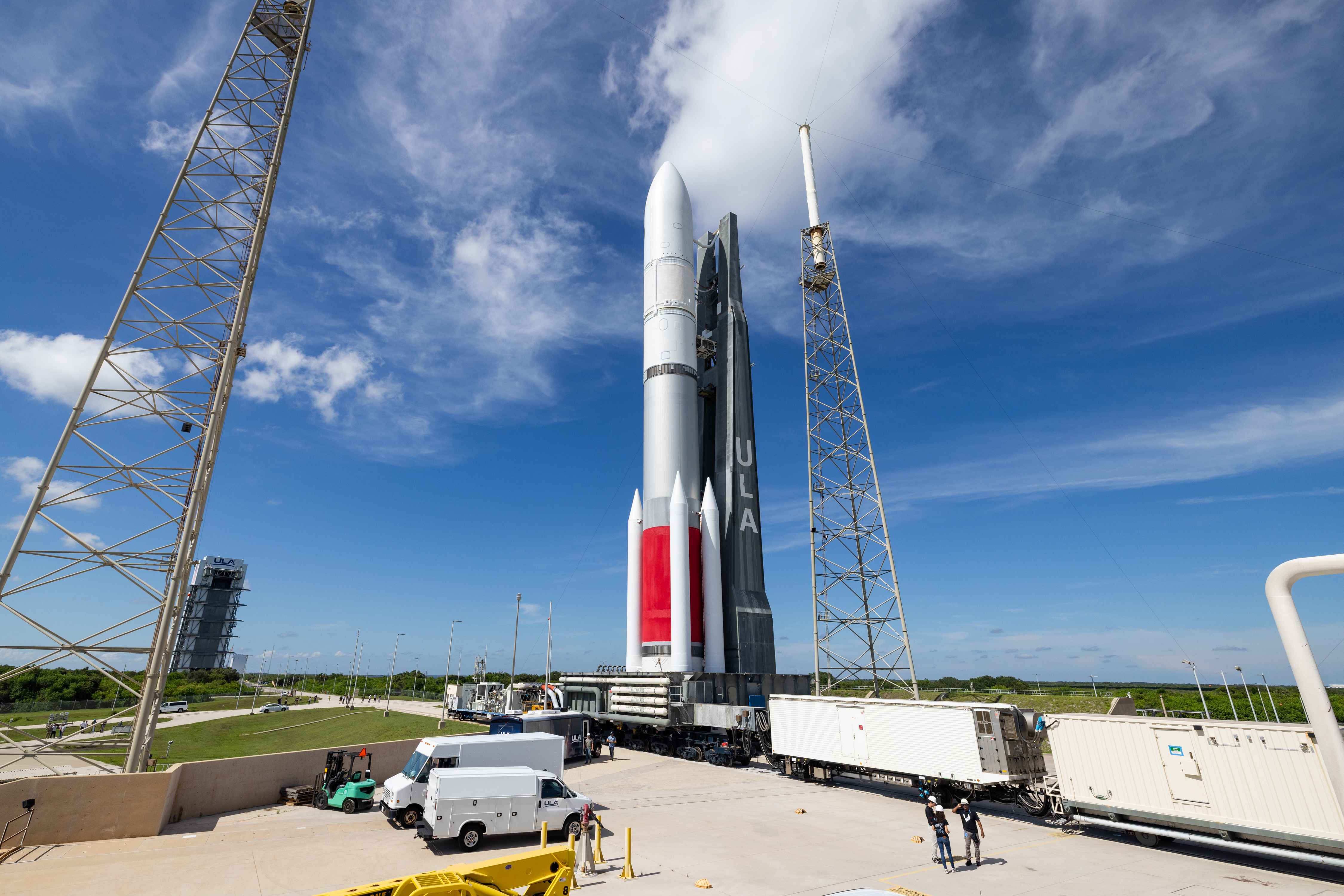
Senate clears $839B defense spending bill ensuring Pentagon space domain funding. L3Harris reaffirms space sector commitment amid Golden Dome expansion. York Space raises $629M in public offering.

Discover the history and significance of Two-Line Element Sets (TLEs) in satellite tracking. Dive into their components, applications, and how they are evolving to meet future space challenges.

On May 4, 1989, Space Shuttle Atlantis lifted off from LC-39B carrying Magellan, NASA's first interplanetary mission since 1978. The eleven-year drought ended in a payload bay, and the radar that emerged would map ninety-eight percent of Venus through clouds that no camera could ever see through.
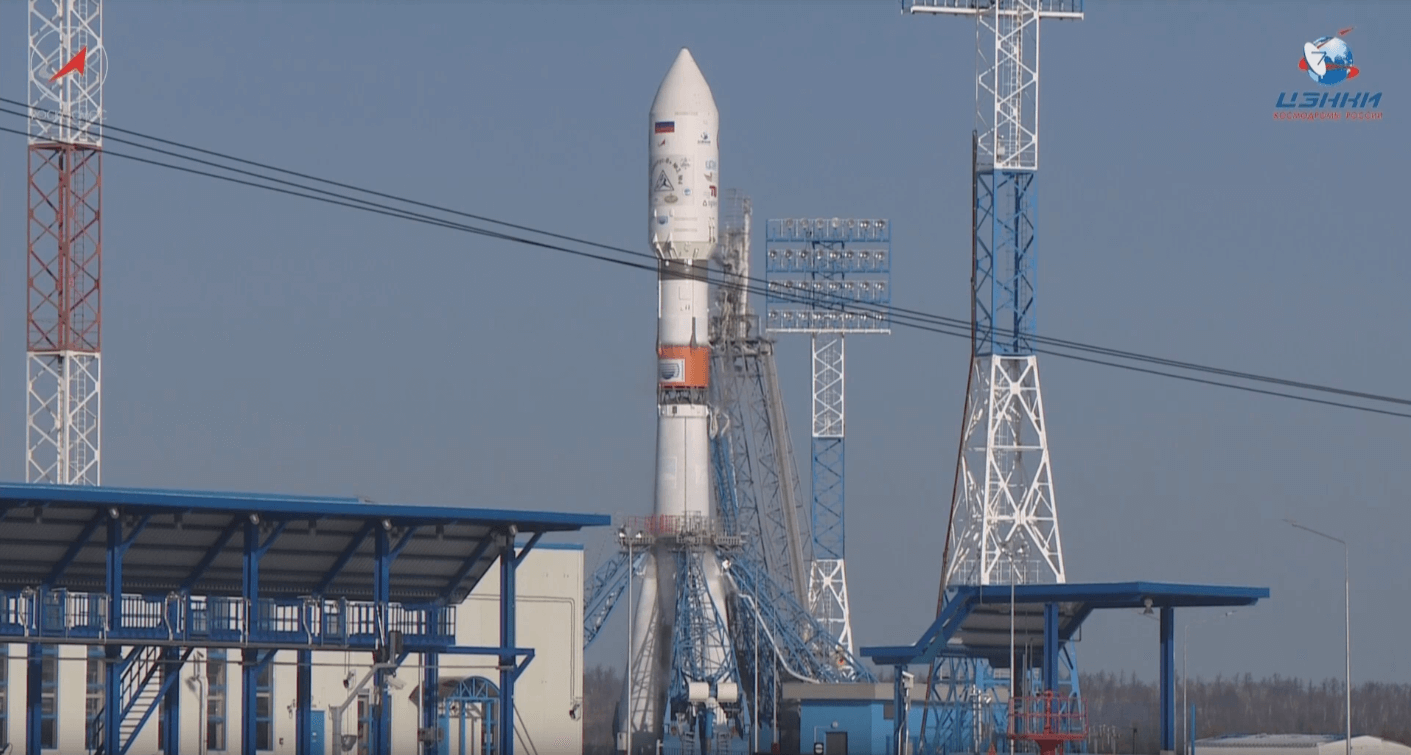
Today’s Space Brief covers the deployment of a new optical sensor for the Space Force, SpaceX's recent Starlink satellite launch, and significant investment in space cargo vehicles.

NASA delays Artemis 2 for SLS upper stage fix and pad rollback. SpaceX Falcon 9 booster shatters reuse record with 33rd flight. Tory Bruno joins Blue Origin for defense work.