

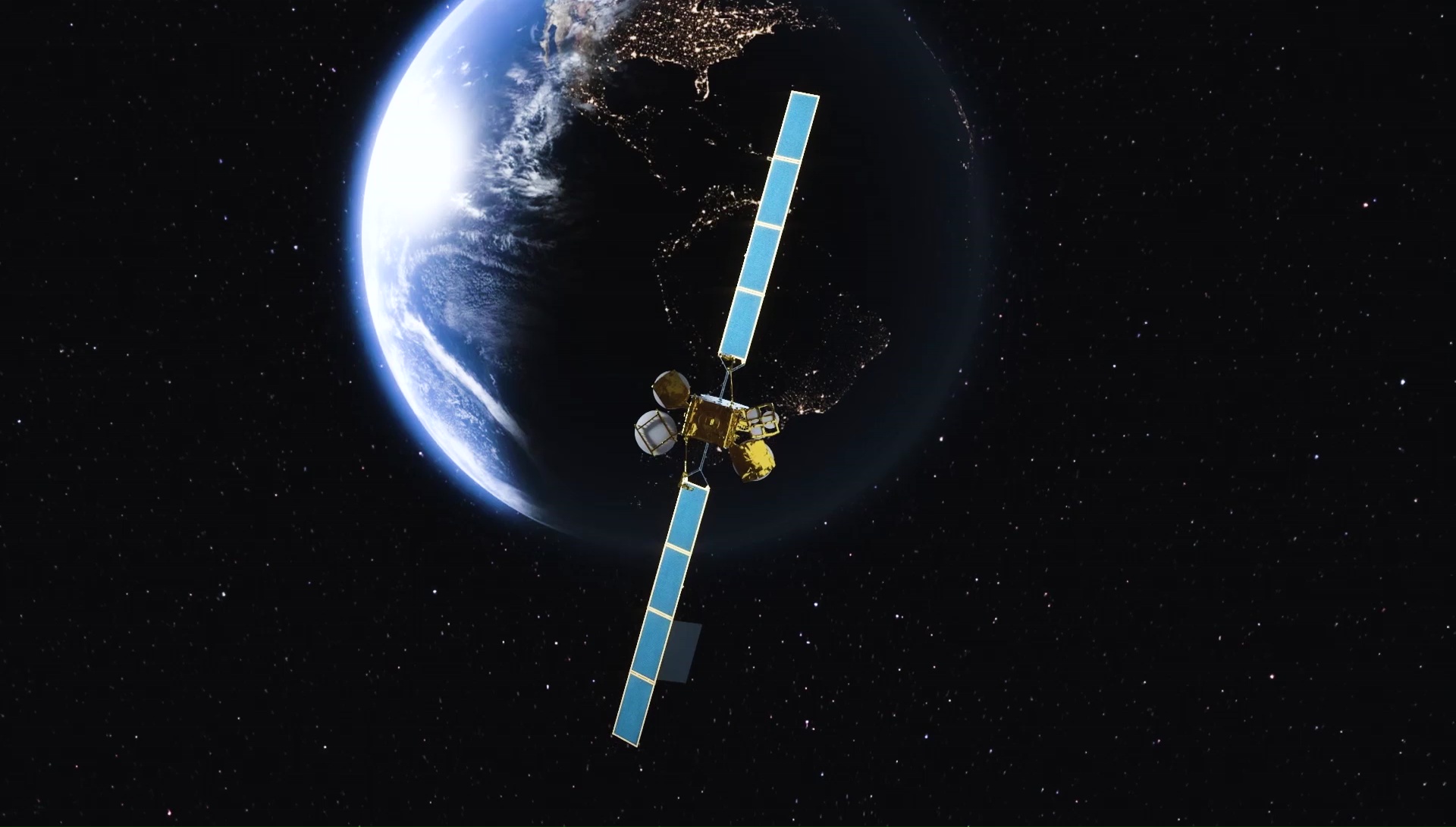
EUTELSAT 172B
Europe's first high-power all-electric telecom satellite doesn't just sit above the Pacific - it got there on robotic arms and plasma thrusters, broke records doing it, and now keeps your airplane Wi-Fi running between LA and Tokyo.


![ARIANE 5 DEB [SYLDA] Satellite Image](/images/sat/deb1.jpg)
Launch Date
June 20, 2019
Launch Site
FRGUI
Launch Pad
ELA3
Launch Vehicle
Ariane 5ECA
NORAD ID
44336
International Designator
2019-034D
Decay Date
11/21/2025
Name
ARIANE 5 DEB [SYLDA]
Alternative Name
Sylda 5A
Type
Status
Owner
AESP
Country
France
Constellation
N/A
Related Satellites
Major Events
N/A
Length
5.5
Diameter
4.5
Span
5.5
Dry Mass
440
Launch Mass
440
Shape
Cyl
Radar Cross Section
Unknown
Visual Magnitude
Unknown
Color
Unknown
Material Composition
Unknown
Payload
Sylda 5A
Purpose
Unknown
Mission
Unknown
Manufacturer
ADSB
Life Expectancy
Unknown
Bus
SYLDA 5
Configuration
Unknown
Motor
Unknown
Equipment
Unknown
Power System
Unknown
ADCS
Unknown
Transmitter Frequency
Unknown
Learn more about satellites and other related topics.
Europe's first high-power all-electric telecom satellite doesn't just sit above the Pacific - it got there on robotic arms and plasma thrusters, broke records doing it, and now keeps your airplane Wi-Fi running between LA and Tokyo.
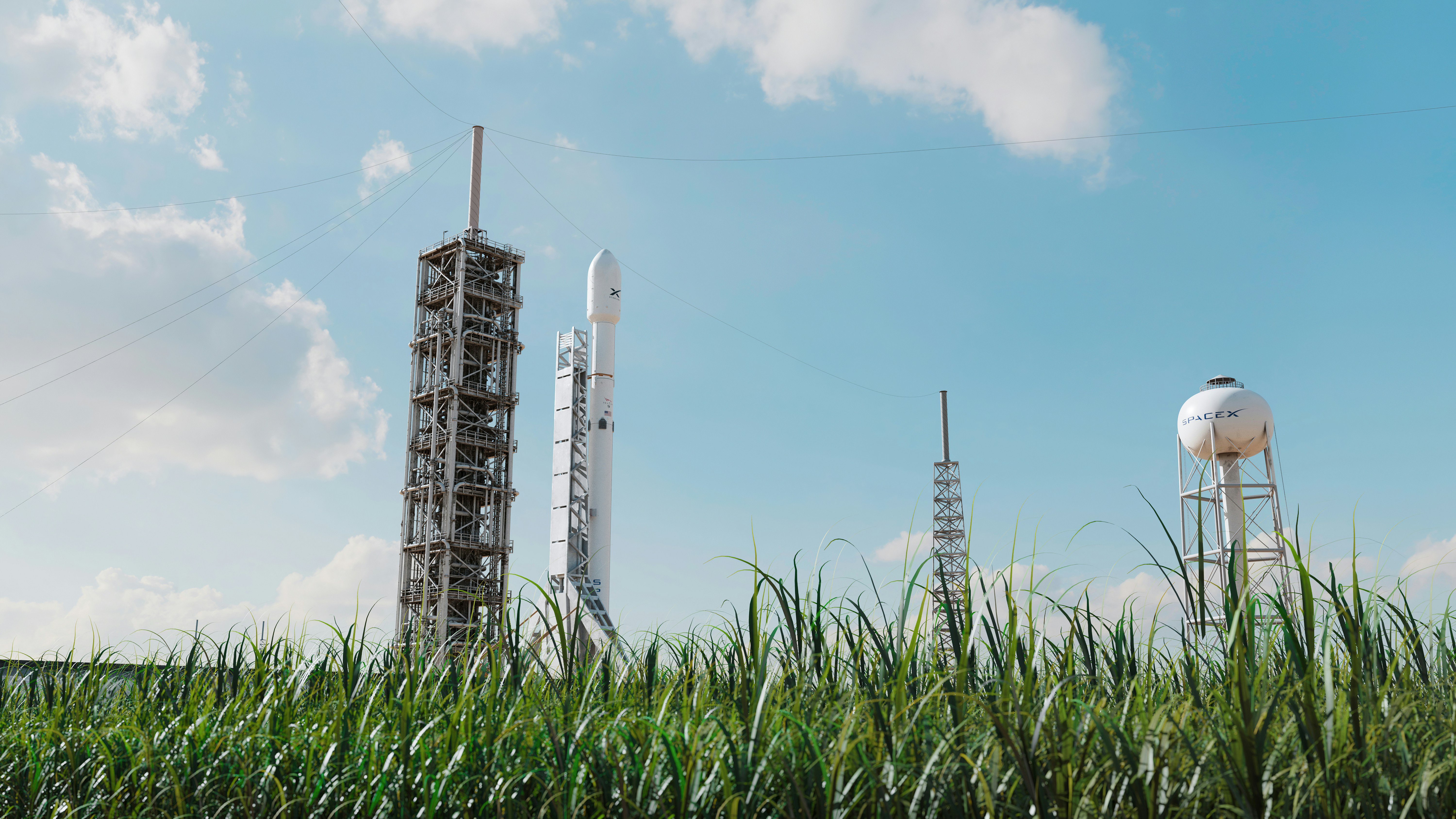
SpaceX launches 28 Starlink satellites and discusses upcoming business strategies, while T-Mobile slashes Starlink cellular prices.

Thirty-five years ago, NASA's Galileo spacecraft made a crucial flyby of Venus, pioneering a complex path through the inner solar system that would revolutionize planetary exploration

Blue Origin's New Glenn successfully reused its first stage booster for the first time on Mission 3, launching April 19. Booster reuse accelerates operational tempo.

SpaceX launches multiple Starlink batches, FAA updates for Starship, and NASA plans lunar cargo deliveries involving SpaceX and Blue Origin.

SpaceX successfully launched the Sentinel-6B satellite, marking a significant milestone as its 500th mission with a reused rocket, furthering global sea level monitoring efforts.
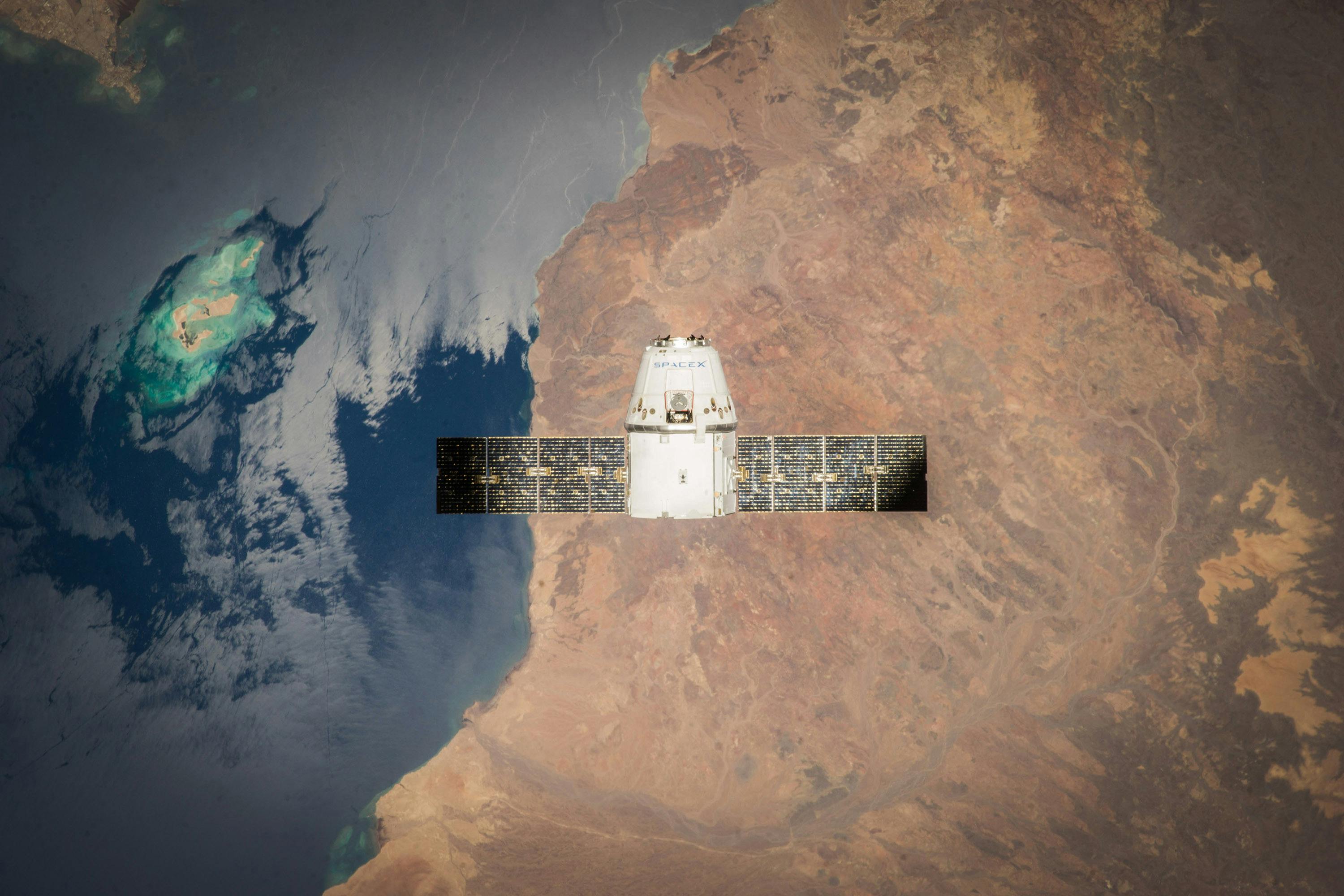
SpaceX made strides in both Starship and Starlink missions this week, launching another round of satellites while concurrently testing their Starship capabilities amidst challenges.
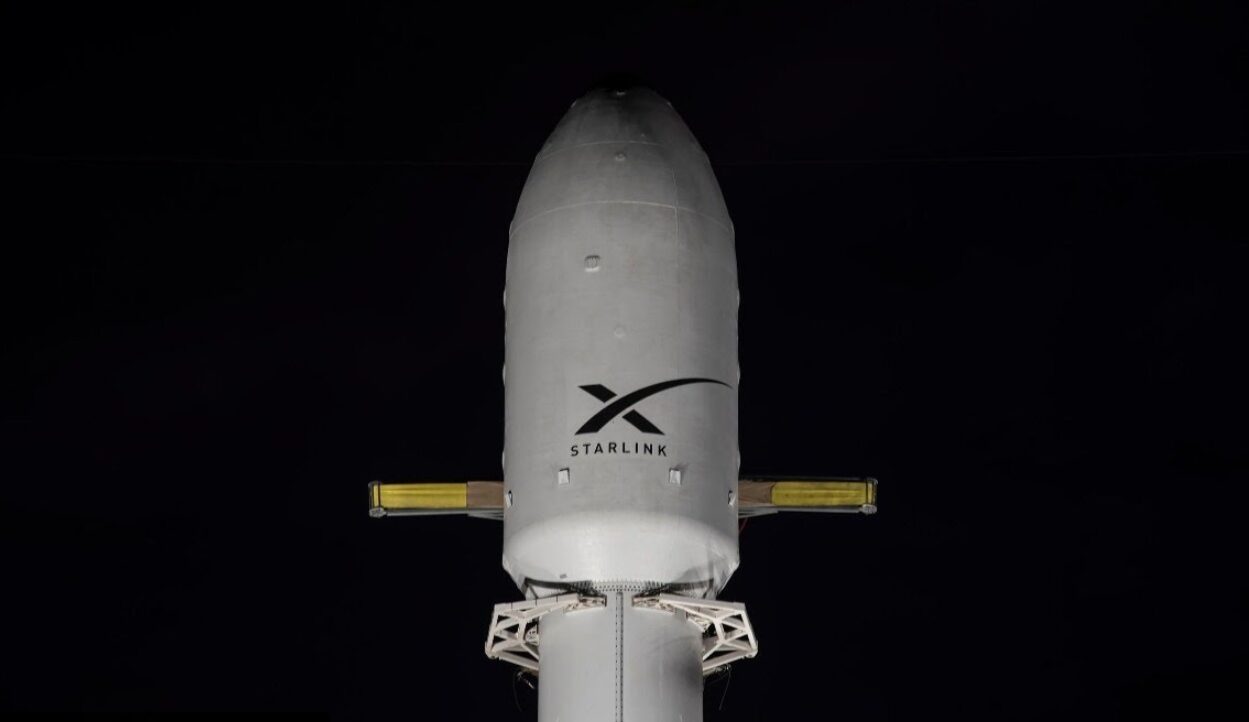
FCC clears Reflect Orbital's first satellite to bounce sunlight into nighttime zones, despite pushback from astronomers concerned about orbital streaking and wildlife impacts.