FLOCK 4A-18 (44089)

COSPAR: 2019-018M | Alt Name: Flock 4a-18
DECAYED

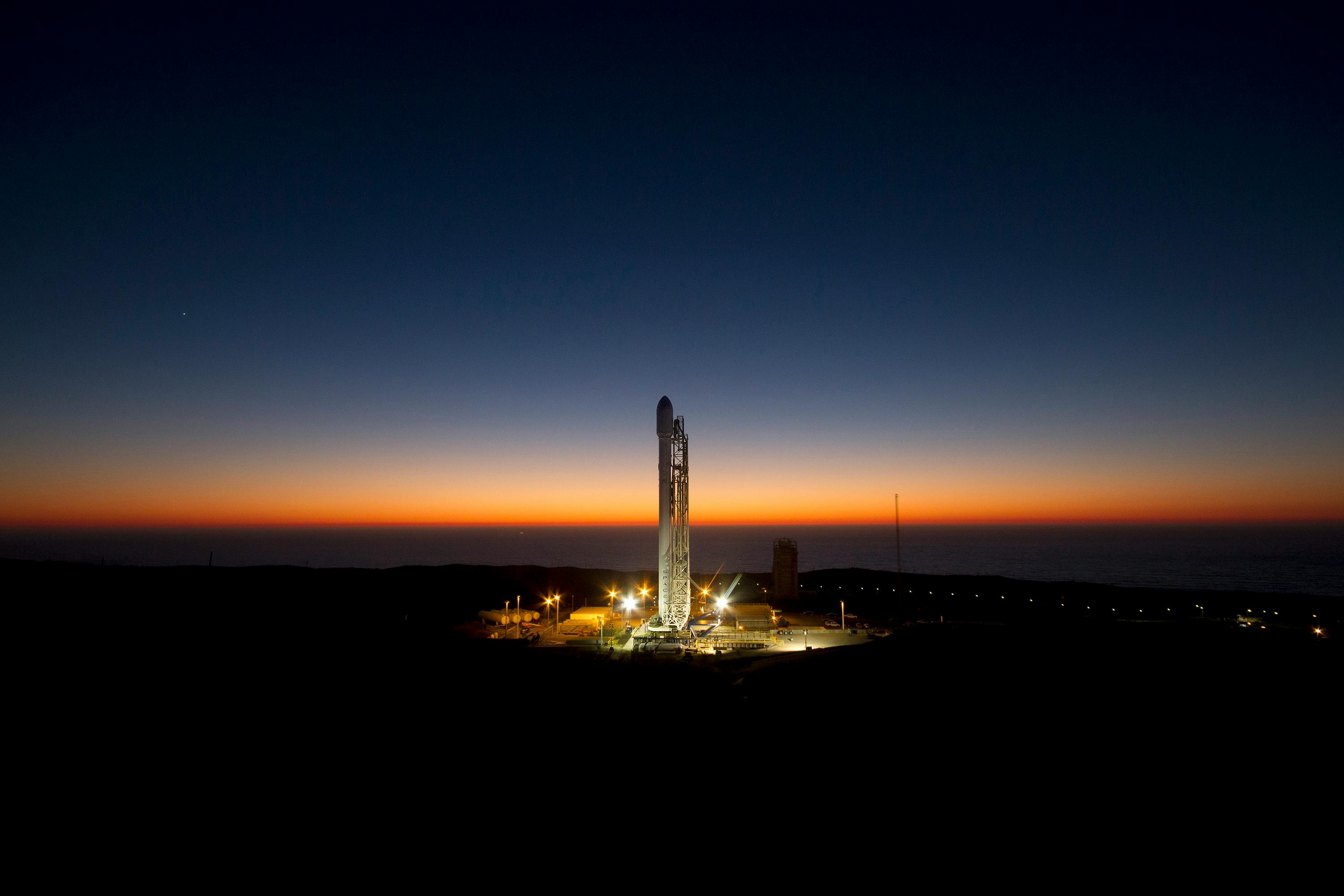
Image
FLOCK 4A-18 Satellite Image
Additional Sources
Launch Details

Launch Date

April 1, 2019

Launch Site

SRILR

Launch Pad

SLP

Launch Vehicle

PSLV-QL

Orbital Elements

NORAD ID

44089

International Designator

2019-018M

Decay Date

4/15/2023

Basic Satellite Info

Name

FLOCK 4A-18

Alternative Name

Flock 4a-18

Type

Payload

Status

Decayed

Owner

PLAN

Country

United States

Constellation

N/A

Related Satellites

Major Events

N/A

Summary
FLOCK 4A-18, also known as Flock 4a-18, is a CubeSat (3U) satellite launched by PLAN on April 1, 2019, from the Satish Dhawan Space Centre using a PSLV-QL launch vehicle. This technology demonstration satellite has dimensions of 0.3 meters in length and diameter, with a span of 0.3 meters. It weighs 5.7 kg both at launch and dry mass, indicating no significant change post-launch due to fuel consumption. The satellite is equipped with either PS0, PS1, or PS2 imaging payload named Dove 2215, which utilizes solar cells and batteries for power generation. Its mission lifetime is estimated to be approximately one year in an International Space Station (ISS) orbit and between two to three years in Sun-Synchronous Orbit (SSO). The satellite's shape consists of a box with two panels.
Physical Characteristics

Length

0.3

Diameter

0.1

Span

0.3

Dry Mass

5.7

Launch Mass

5.7

Shape

Box+2 pan

Radar Cross Section

Unknown

Visual Magnitude

Unknown

Color

Unknown

Material Composition

Unknown

Technical Details

Payload

Dove 2215

Purpose

Technology

Mission

Technology

Manufacturer

PLAN

Life Expectancy

~ 1 year (ISS orbit); 2-3 years (SSO)

Bus

Cubesat 3U

Configuration

CubeSat (3U)

Motor

None (most); FEEP (#Flock-3p')

Equipment

PS0, PS1 or PS2 imaging payload

Power System

Solar cells, batteries

ADCS

Unknown

Transmitter Frequency

Unknown

Satellite Articles

View All Posts »

Learn more about satellites and other related topics.

SpaceX Files Plans for Million-Satellite Orbital Data Center | KeepTrack X Report

SpaceX Files Plans for Million-Satellite Orbital Data Center | KeepTrack X Report

SpaceX files FCC plans for a million-satellite orbital data center constellation. Crew-12 launch timing depends on Artemis 2 mission. Cold weather delays launch window.

Space Brief 18 Aug 2025

Space Brief 18 Aug 2025

Today's Space Brief covers significant satellite launches by SpaceX, an automated collision avoidance system development, Rocket Lab's strategic acquisition, and the rise of corporate-named satellites in orbit.

X Report 26 Sep 2025

X Report 26 Sep 2025

SpaceX has been active, with successful launches of Starlink satellites and major developments at Cape Canaveral, signaling a competitive edge in satellite communication and launch capabilities.

Space Brief 1 Nov 2025

Space Brief 1 Nov 2025

Today's brief covers the future of military space operations, ESA's potential defense role, significant developments in satellite communications, and SpaceX's response to Artemis 3 comments.

The Korean Optical Wide-field patroL-Network (OWL-Net)

The Korean Optical Wide-field patroL-Network (OWL-Net)

South Korea's sophisticated network of robotic telescopes provides critical space situational awareness while strengthening the nation's position in space security amid regional tensions

Space Brief 16 Aug 2025

Space Brief 16 Aug 2025

Today's brief covers ULA's new mission for the US Space Force, China's moon rocket test, delays in the DARC radar system, and SpaceX's Starlink launches.

Artemis 2 Crew First Lunar-Bound Humans Since 1972 | KeepTrack Space Brief

Artemis 2 Crew First Lunar-Bound Humans Since 1972 | KeepTrack Space Brief

Artemis 2 Orion carries first humans toward the Moon in 53 years. Spacecraft in good health after trans-lunar injection; lunar flyby observation plan due April 6.

Space Brief 7 May 2025

Space Brief 7 May 2025

Today's briefing focuses on key developments in military space activities, technological advancements, and strategic challenges faced by the U.S. in space dominance. Notably, the Space Force is expanding its missile warning capabilities, and significant funding discussions are underway.