


X Report 9 Aug 2025
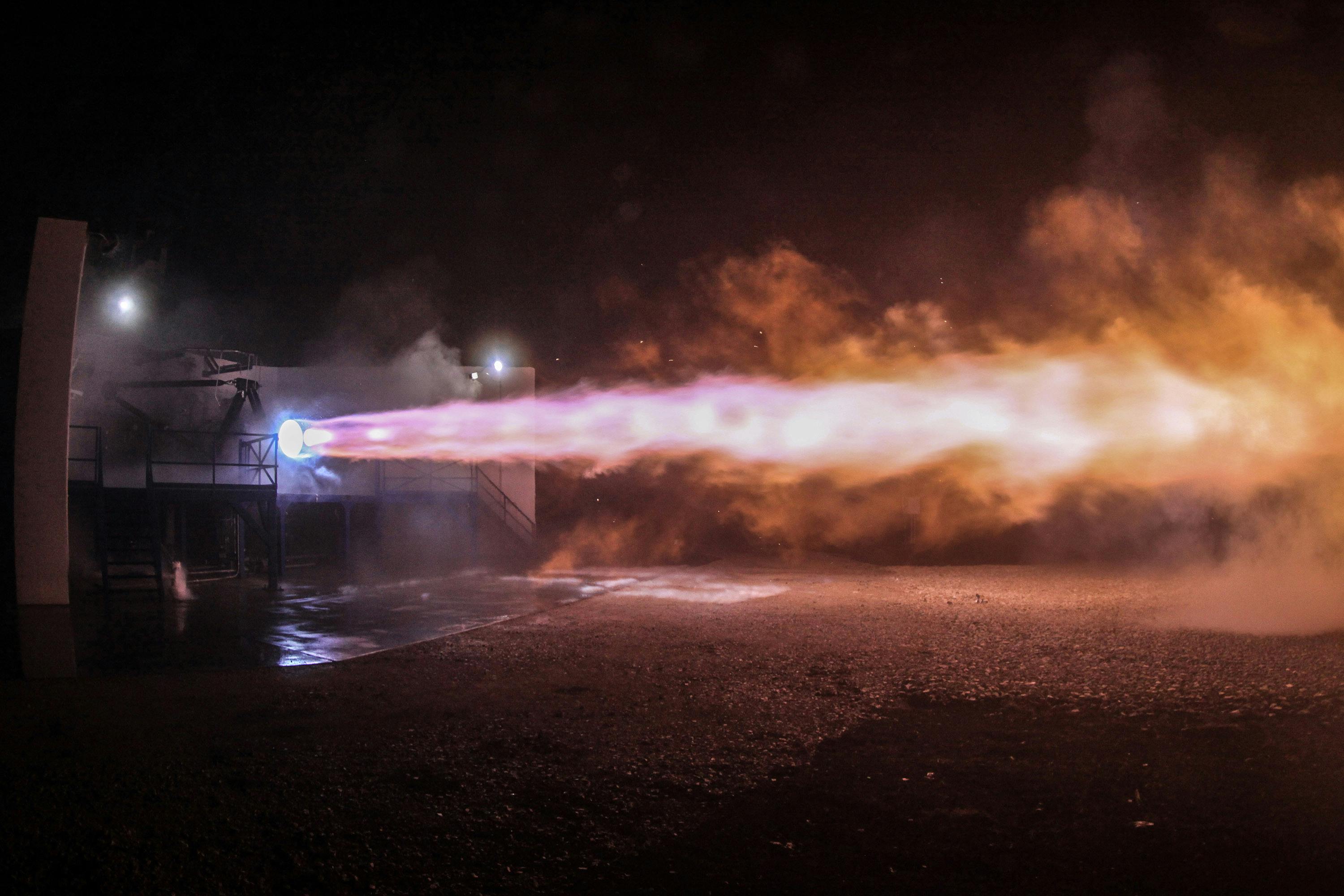
SpaceX's Crew-10 astronauts are set to return to Earth after a five-month mission, while the company prepares for the launch of 24 new Starlink satellites from Vandenberg Space Force Base.


NORAD ID
44072
International Designator
2019-015A
Epoch
Sat, 04 Jul 2026 06:30:28 GMT
Apogee
Calculating...
Perigee
Calculating...
Inclination
97.86°
Right Ascension
259.79°
Eccentricity
Calculating...
Argument of Perigee
81.74°
Period
97.06 min
Mean Motion
14.84 rev/day
Latitude
Calculating...
Longitude
Calculating...
Altitude
Calculating...
Velocity
Calculating...
Name
PRISMA
Alternative Name
PRISMA
Type
Status
Owner
ASI
Country
Italy
Constellation
N/A
Related Satellites
Major Events
N/A
1 44072U 19015A 26185.27116429 .00000199 00000-0 30417-4 0 9995
2 44072 97.8640 259.7893 0001348 81.7411 278.3956 14.83671728394580
Source: Celestrak
Length
3.4
Diameter
1.5
Span
5
Dry Mass
850
Launch Mass
879
Shape
Box+panel
Radar Cross Section
Unknown
Visual Magnitude
Unknown
Color
Unknown
Material Composition
Unknown
Payload
PRISMA
Purpose
Earth observation
Mission
Earth observation
Manufacturer
OHBI
Life Expectancy
5 years
Bus
MITA
Configuration
Unknown
Motor
AOCS
Equipment
Hyperspectral / Panchromatic Camera
Power System
Solar cells, batteries
ADCS
Unknown
Transmitter Frequency
Unknown
Learn more about satellites and other related topics.
SpaceX's Crew-10 astronauts are set to return to Earth after a five-month mission, while the company prepares for the launch of 24 new Starlink satellites from Vandenberg Space Force Base.

SpaceX continues to push forward with significant milestones, including the launch of additional Starlink satellites and progress on spectrum acquisitions.

Polaris Dawn's upcoming commercial spacewalk, successful lunar orbit by Chinese spacecraft, and more space news including SpaceX's Starlink mission, RFA's static-fire failure, and advances in satellite technology.
Today's highlights include Russia's record-setting satellite launch, insights from NASA's AWE during Hurricane Helene, and confirmation of astronaut Suni Williams' good health aboard the ISS.
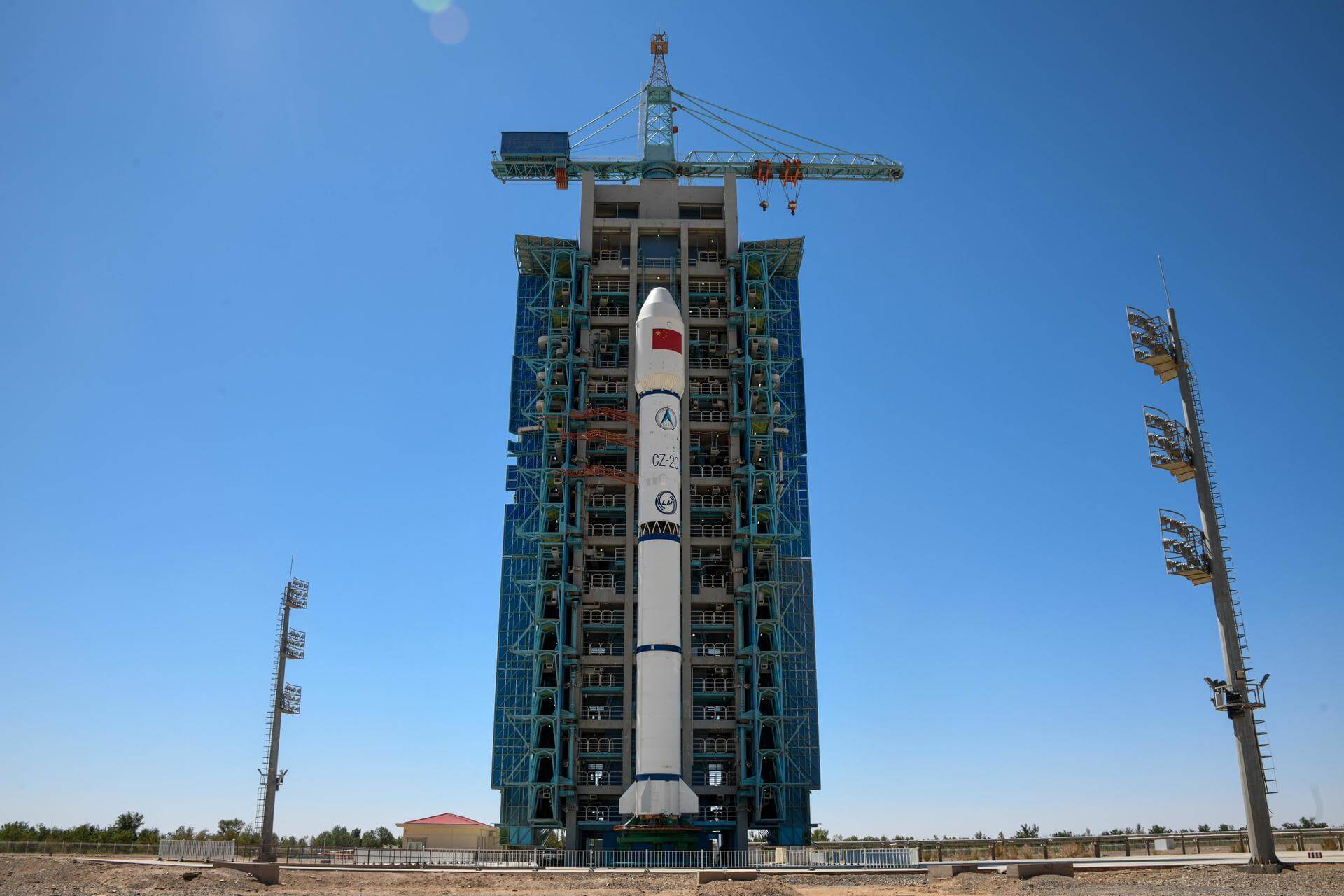
Today's brief covers the investigation into Musk-Putin calls, SpaceX launch restrictions impacts, Pentagon's space investment strategies, ABL Space's pivot in focus, and Israel's defense export developments.

Artemis II SLS/Orion rolls to Launch Complex 39B for first crewed lunar mission since 1972. China suffers dual launch failures on the same day. SpainSat NG 2 declared total loss from debris strike.
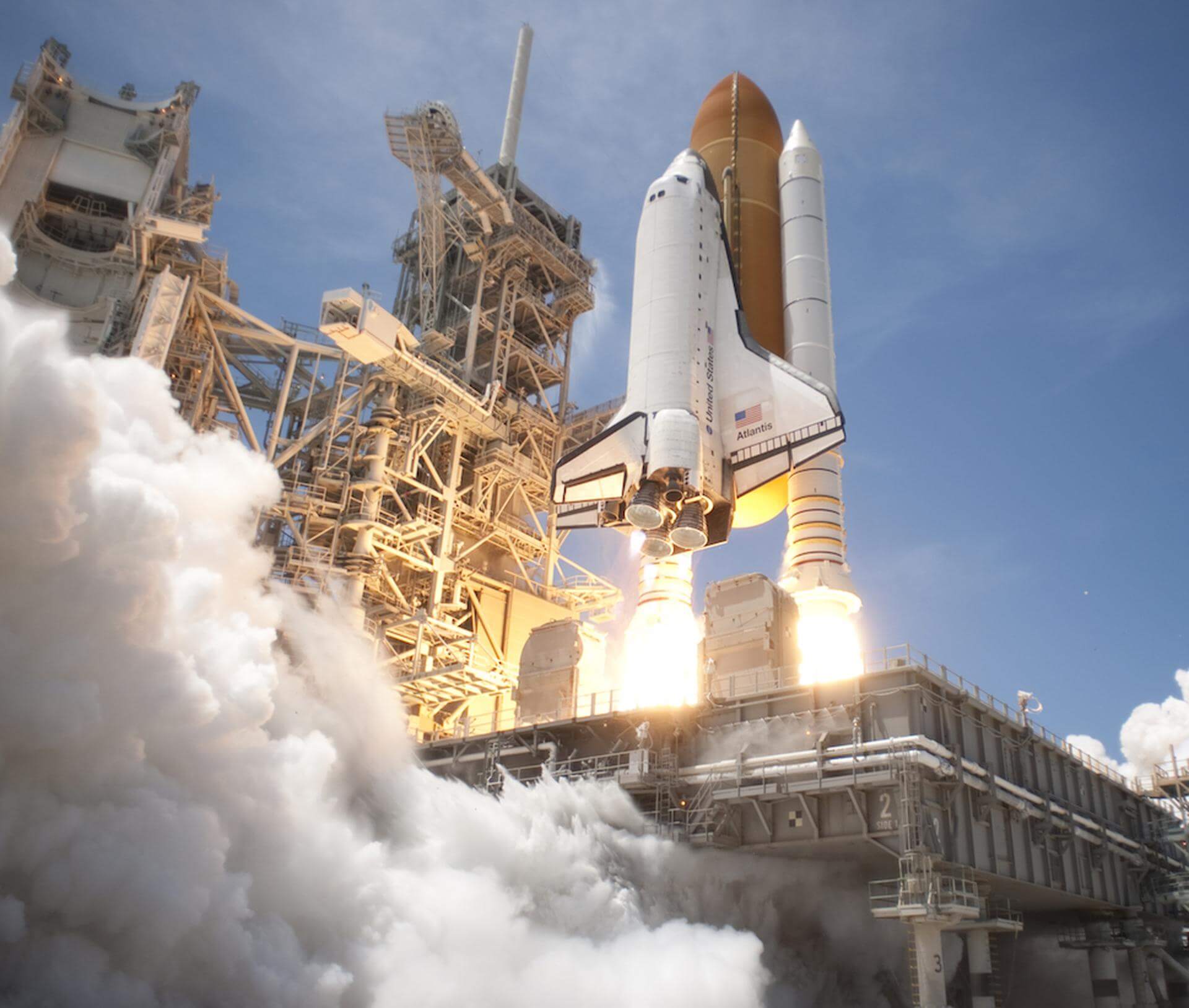
Rocket Lab to acquire Iridium's 66-satellite LEO constellation for end-to-end vertical integration. Deal includes spacecraft manufacturing, launch, and on-orbit operations control.

Today's Space Brief highlights the latest developments in China's megaconstellation funding, Russia's nuclear posturing in Europe, and other significant military activities.