


Space Brief 4 Nov 2024
China's Tiangong space station completes crew rotation, Rocket Lab prepares for confidential launch, and Japan successfully launches military satellite with its H3 rocket.


Launch Date
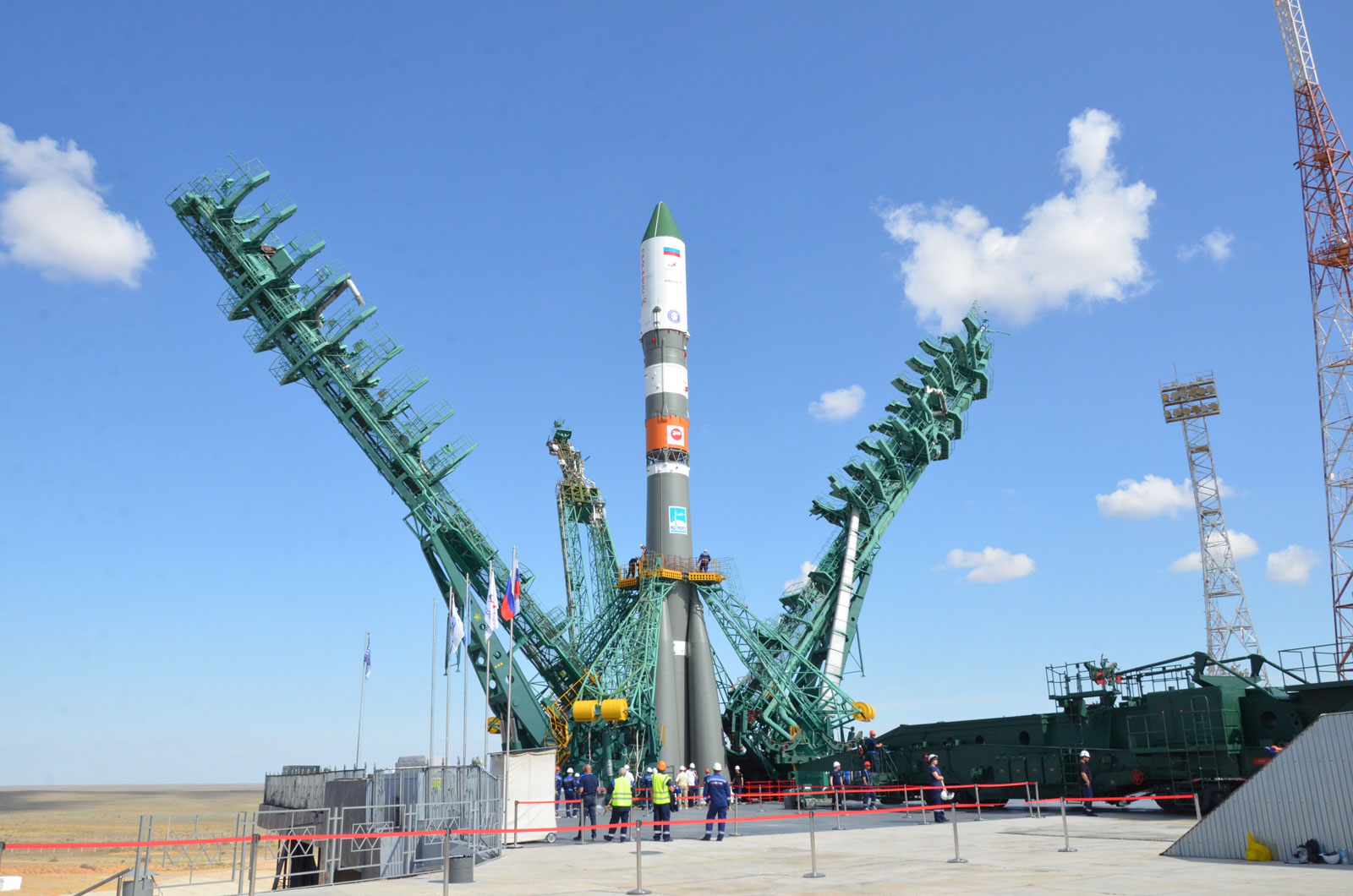
February 21, 2019
Launch Site
Launch Pad
LC31
Launch Vehicle
Soyuz-2-1B
NORAD ID
44047
International Designator
2019-008A
Epoch
Sat, 04 Jul 2026 08:05:52 GMT
Apogee
Calculating...
Perigee
Calculating...
Inclination
98.02°
Right Ascension
249.87°
Eccentricity
Calculating...
Argument of Perigee
98.36°
Period
97.80 min
Mean Motion
14.72 rev/day
Latitude
Calculating...
Longitude
Calculating...
Altitude
Calculating...
Velocity
Calculating...
Name
EGYPTSAT-A (MISRSAT-A)
Alternative Name
MisrSat A
Type
Status
Owner
EGYSA
Country
Egypt
Constellation
N/A
Related Satellites
Major Events
N/A
1 44047U 19008A 26185.33740920 .00000377 00000-0 67434-4 0 9992
2 44047 98.0185 249.8686 0001622 98.3590 261.7801 14.72325989395765
Source: Celestrak
Length
0.5
Diameter
0.5
Span
2
Dry Mass
1050
Launch Mass
1050
Shape
Box + 4 Pan + Ant
Radar Cross Section
Unknown
Visual Magnitude
Unknown
Color
Unknown
Material Composition
Unknown
Payload
Egyptsat A No. 2
Purpose
Earth Observation
Mission
Earth Observation
Manufacturer
YUZHUA
Life Expectancy
11 years
Bus
Egyptsat
Configuration
559GK bus
Motor
SPT-70 Xe plasma thrusters
Equipment
Unknown
Power System
3 deployable fixed solar arrays, batteries
ADCS
Unknown
Transmitter Frequency
Unknown
Learn more about satellites and other related topics.
China's Tiangong space station completes crew rotation, Rocket Lab prepares for confidential launch, and Japan successfully launches military satellite with its H3 rocket.

ULA's Vulcan remains grounded after February in-flight GEM 63XL booster anomaly. Northrop Grumman completed successful static fire test, but investigation ongoing with no return-to-flight date.

Key developments in the space sector include new partnerships for satellite surveillance, strategic shifts from the Defense Department impacting weather forecasting, and the Space Force's focus on agile satellite technologies.
Today we explore defense-driven shifts in satellite operations amid geopolitical tensions and innovative projects pushing the boundaries of space technology.

Today's Space Brief covers China's Haiyang-4 satellite launch, Intuitive Machines' Artemis infrastructure proposals, deployment of the GREMLIN sensor suite, and more.

Starlink constellation size in March 2026: 9,996 satellites in orbit and 9,986 working from 11,504 launched, as SpaceX deorbits legacy V1.0 hardware.

How a controversial telescope network has become a significant player in tracking the increasingly crowded orbital environment, raising important questions about transparency, dual-use technologies, and the future of space situational awareness.

Today's Space Brief covers NASA's decision on Starliner, SpaceX's preparations for the Polaris Dawn mission, and updates on various space activities. Also featured is an in-depth look at the Hubble Space Telescope.