


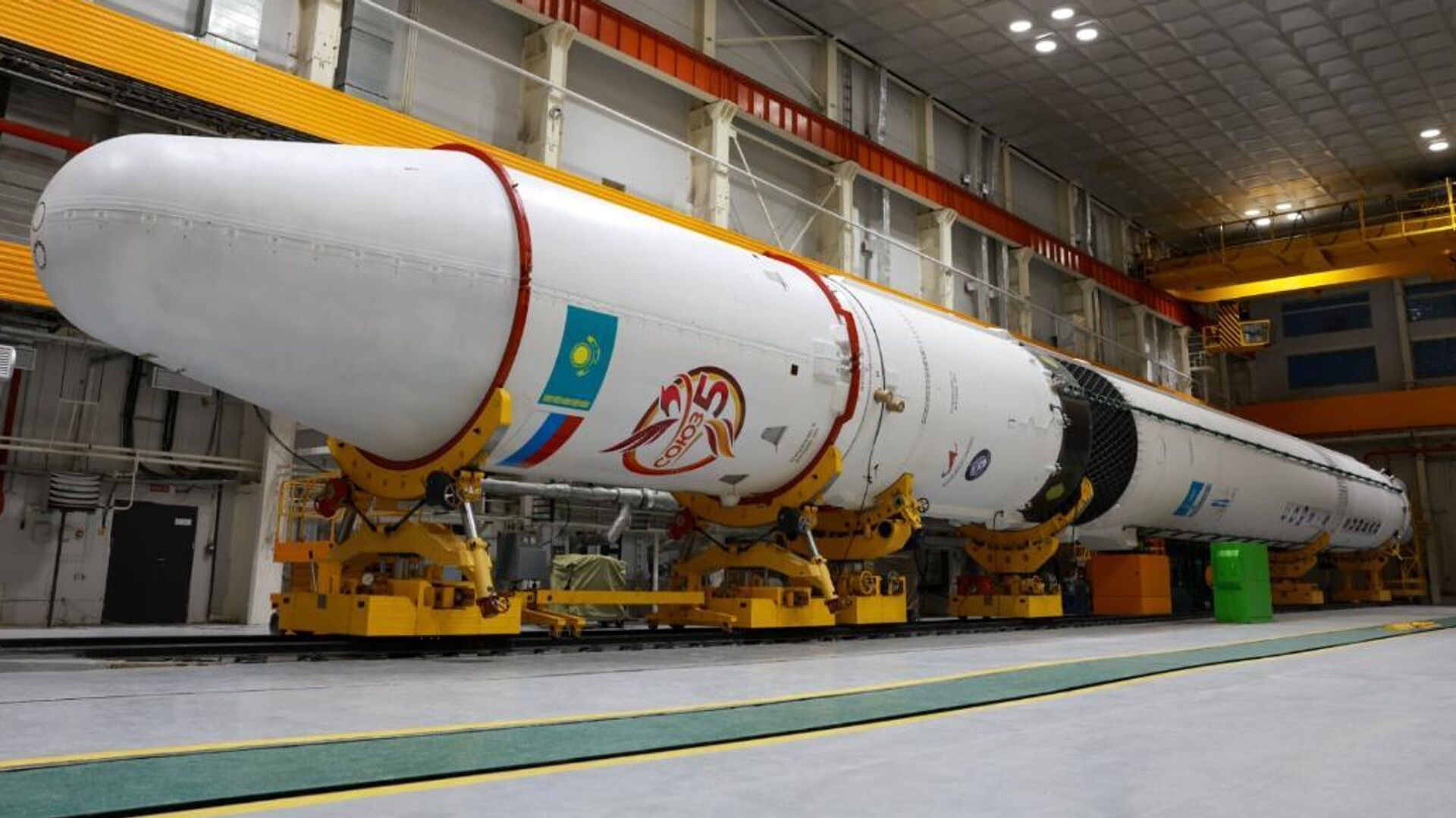
Artemis 2 Targets April 1 Lunar Flyby with 4-Person Crew | KeepTrack Space Brief
NASA's Artemis 2 launches April 1 with Commander Reid Wiseman and 3 crew members for first crewed lunar flyby since Apollo 17 in 1972.



Launch Date
September 17, 2014
Launch Site
Launch Pad
SLC41
Launch Vehicle
Atlas V 401
NORAD ID
44010
International Designator
2014-055BR
Epoch
Tue, 20 Jan 2026 00:01:19 GMT
Apogee
Calculating...
Perigee
Calculating...
Inclination
19.45°
Right Ascension
172.01°
Eccentricity
Calculating...
Argument of Perigee
112.93°
Period
789.64 min
Mean Motion
1.82 rev/day
Latitude
Calculating...
Longitude
Calculating...
Altitude
Calculating...
Velocity
Calculating...
Name
ATLAS 5 CENTAUR DEB
Alternative Name
deb Centaur AV-049
Type
Status
Owner
ULAL
Country
United States
Constellation
N/A
Related Satellites
Major Events
N/A
1 44010U 14055BR 26019.00091767 -.00000020 00000-0 00000-0 0 9995
2 44010 19.4458 172.0099 4782506 112.9337 303.5206 1.82360788 48642
Source: Celestrak
Length
0
Diameter
0
Span
0
Dry Mass
0
Launch Mass
0
Shape
N/A
Radar Cross Section
Unknown
Visual Magnitude
Unknown
Color
Unknown
Material Composition
Unknown
Payload
Unknown
Purpose
Unknown
Mission
Unknown
Manufacturer
Unknown
Life Expectancy
Unknown
Bus
Unknown
Configuration
Unknown
Motor
Unknown
Equipment
Unknown
Power System
Unknown
ADCS
Unknown
Transmitter Frequency
Unknown
Learn more about satellites and other related topics.
NASA's Artemis 2 launches April 1 with Commander Reid Wiseman and 3 crew members for first crewed lunar flyby since Apollo 17 in 1972.

SpaceX preps for Starship Flight 6 while Shotwell predicts Starship's future impact. Impulse Space secures Falcon 9 launches, and potential shifts in US space policy loom.
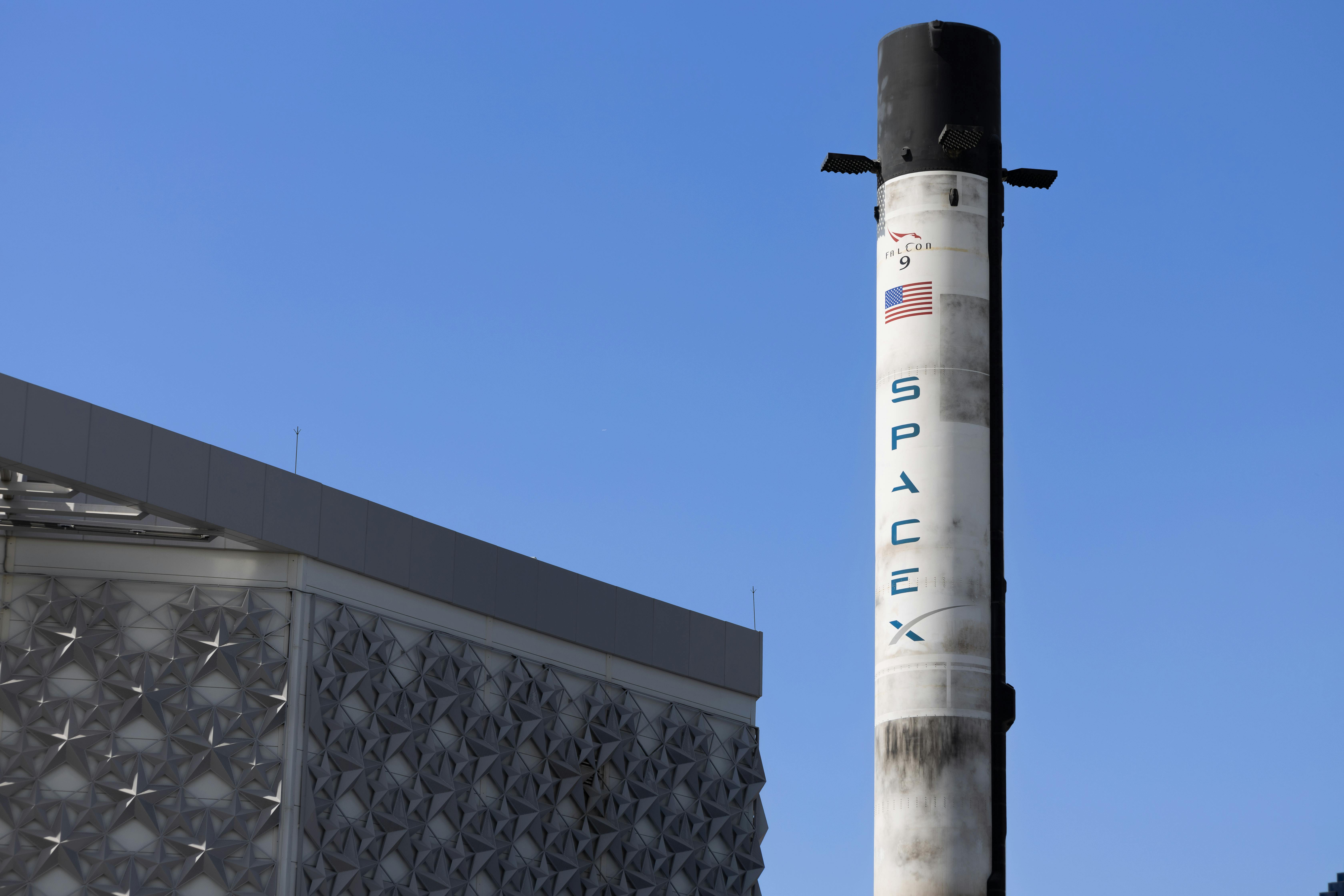
SpaceX faces regulatory review for Bahamian rocket landings, positions itself for a major government contract, and a new Star Wars Lego set adds to the fun!

Explore today's major events in space, including military advancements in satellite tracking, new missile defenses, and significant defense funding decisions.

SpaceX's Fram2 mission marks a historic first in polar orbit travel, while DARPA unexpectedly detects Falcon 9 reentry using atmospheric listening.

SpaceX successfully launched 24 Starlink satellites into polar orbit, enhancing global coverage. Meanwhile, NASA's Crew-11 is now in quarantine ahead of their upcoming ISS mission.

Starbase expansion progresses and Germany eyes its own satellite constellation.
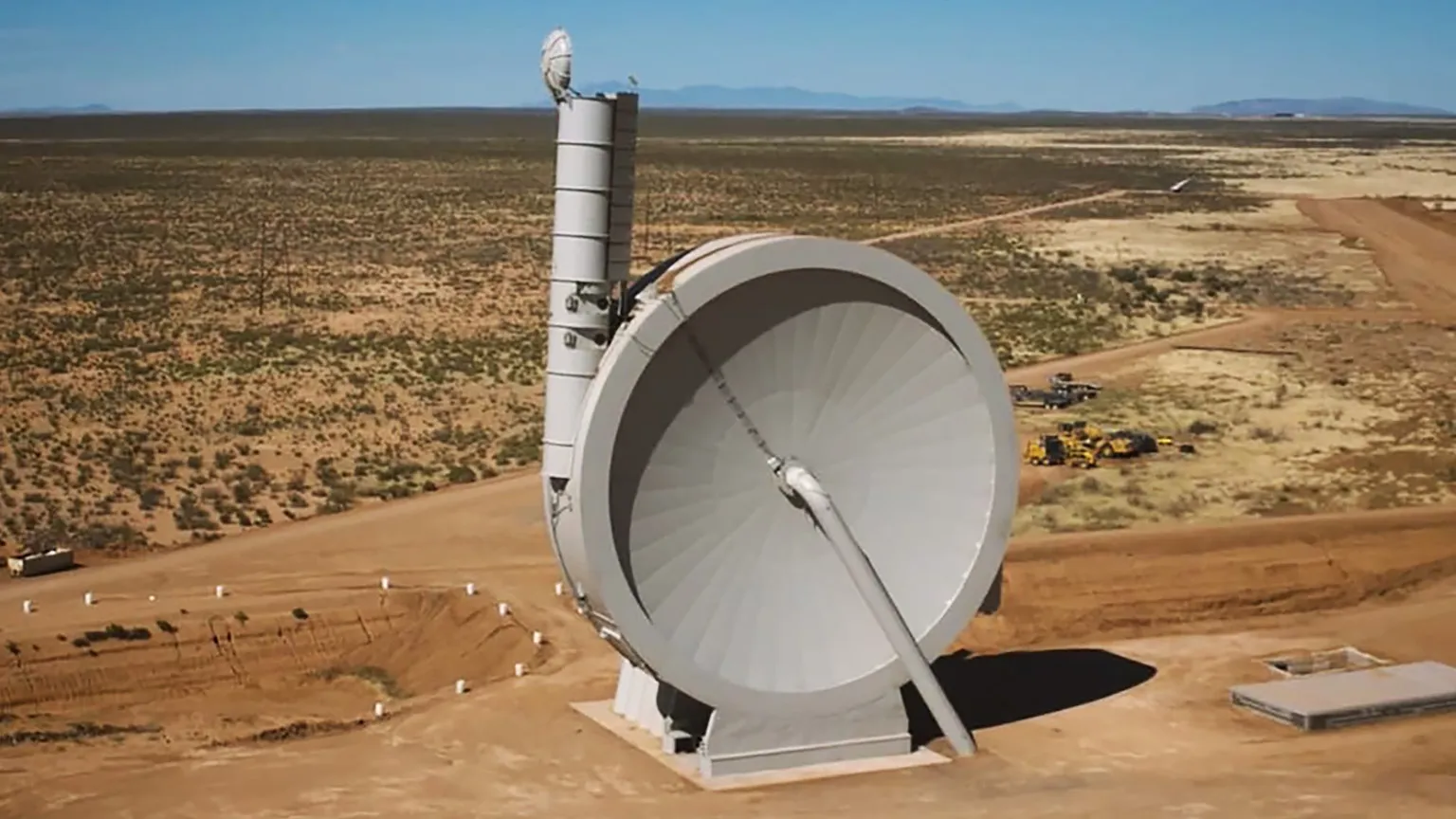
How a California startup's massive centrifuge could transform space access by eliminating rocket fuel, reducing costs by 70%, and enabling daily satellite launches - if it can overcome the physics of scaling from suborbital tests to orbital reality