

Space Brief 17 Oct 2024
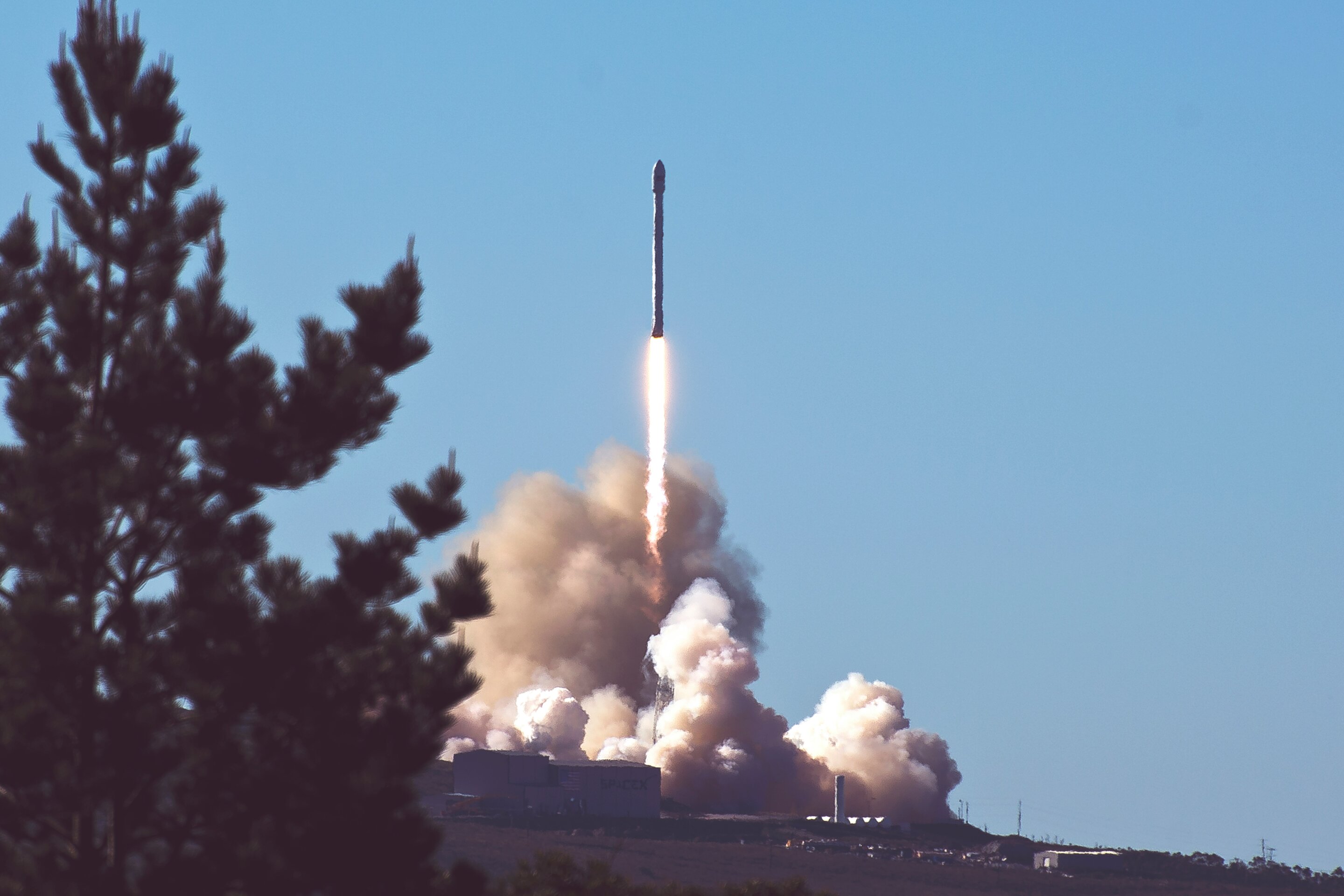
An exciting day in space with potential maneuver revelations from the X-37B, SpaceX's resumption of Falcon 9 launches, and significant advancements in lunar exploration tied to new U.S. spacesuits.


Launch Date
December 27, 2018
Launch Site
VOSTO
Launch Pad
PU1S
Launch Vehicle
Soyuz-2-1A
NORAD ID
43904
International Designator
2018-111AE
Decay Date
2/28/2023
Name
FLOCK 3K-11
Alternative Name
Flock 3k-11
Type
Status
Owner
PLAN
Country
United States
Constellation
N/A
Related Satellites
Major Events
N/A
Length
0.3
Diameter
0.1
Span
0.3
Dry Mass
4.7
Launch Mass
4.7
Shape
Box+2 pan
Radar Cross Section
Unknown
Visual Magnitude
Unknown
Color
Unknown
Material Composition
Unknown
Payload
Dove 106e
Purpose
Technology
Mission
Technology
Manufacturer
PLAN
Life Expectancy
~ 1 year (ISS orbit); 2-3 years (SSO)
Bus
Cubesat 3U
Configuration
CubeSat (3U)
Motor
None (most); FEEP (#Flock-3p')
Equipment
PS0, PS1 or PS2 imaging payload
Power System
Solar cells, batteries
ADCS
Unknown
Transmitter Frequency
Unknown
Learn more about satellites and other related topics.
An exciting day in space with potential maneuver revelations from the X-37B, SpaceX's resumption of Falcon 9 launches, and significant advancements in lunar exploration tied to new U.S. spacesuits.

SpaceX completed a successful Bandwagon rideshare mission, launching a private space station pathfinder along with multiple satellites, marking another significant milestone in 2025's launch schedule.
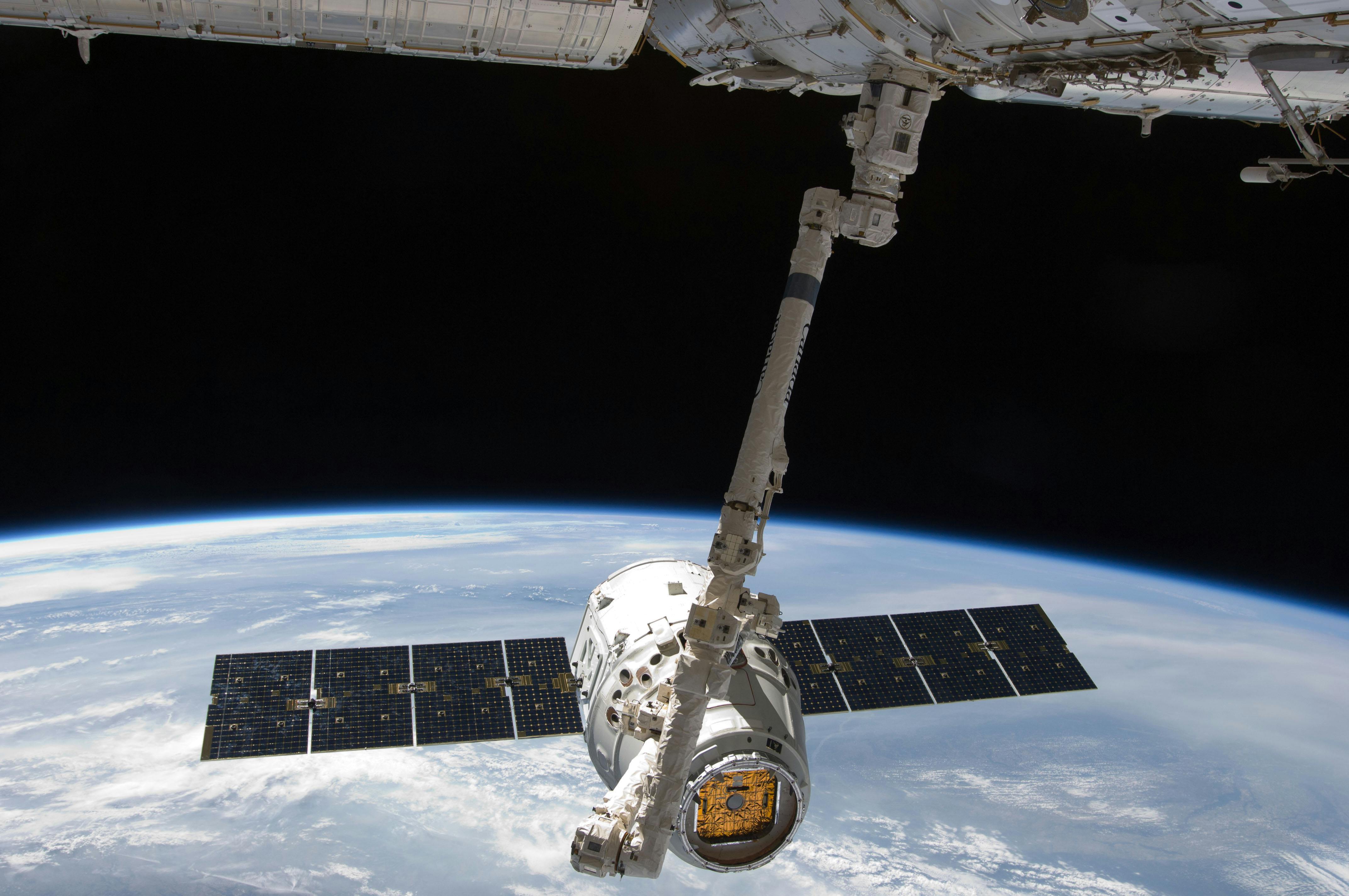
SpaceX shares jumped nearly 20% in its historic public debut, valuing the company partly on Starlink's AI infrastructure potential with 10,636 satellites working.

Today's Space Brief highlights advances in satellite communication for defense, regulatory changes for Starlink in South Africa, SpaceX's ongoing Starlink launches, and a significant contract for a Chinese satellite constellation.
Space Force urgently rebuilds contracting workforce after civilian reductions. Pentagon defense strategy shifts focus to homeland defense. Tom Ainsworth named top Air Force space acquisition officer.

Brig. Gen. Gursharan Sandhoo double-hatted as SDA director and Space Force missile warning PAE head as Pentagon consolidates LEO satellite programs under new acquisition structure.
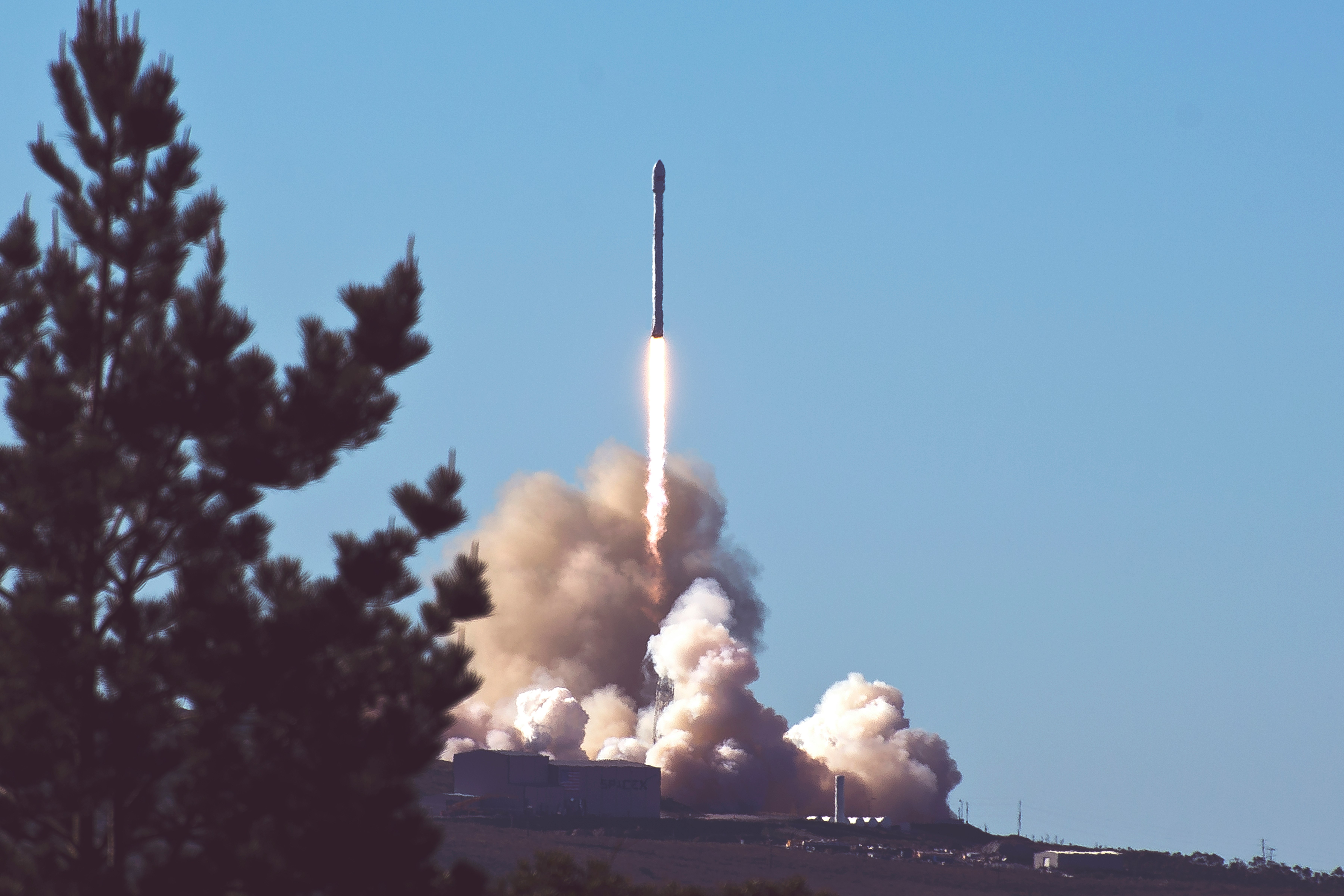
SpaceX successfully launched the Ax-4 private astronaut mission to the ISS while continuing its satellite deployment with 27 new Starlink satellites, amidst ongoing recovery efforts from the loss of Ship 36.
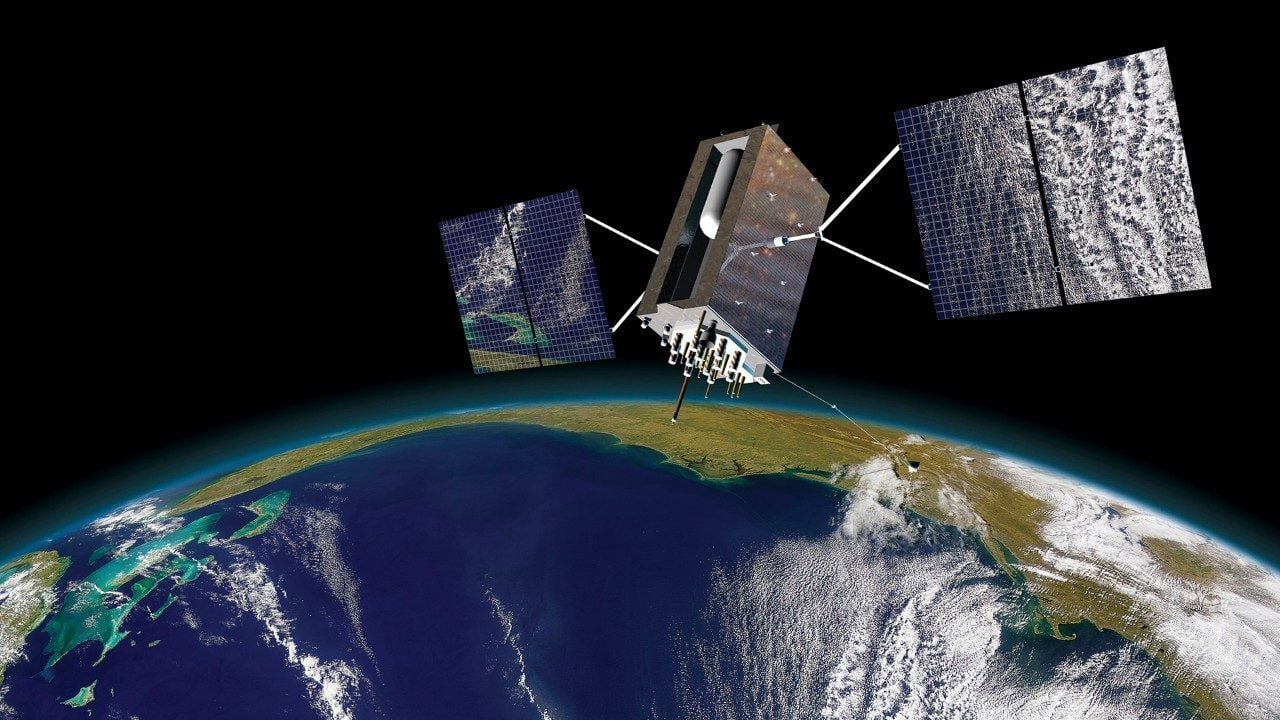
On April 17, 2026, the U.S. Space Force officially cancelled the Next Generation Operational Control System after sixteen years of development, cost overruns, and testing failures. The $8 billion program was supposed to unlock the military's encrypted GPS signal. Instead, the satellites are flying with capabilities the ground can't command.