

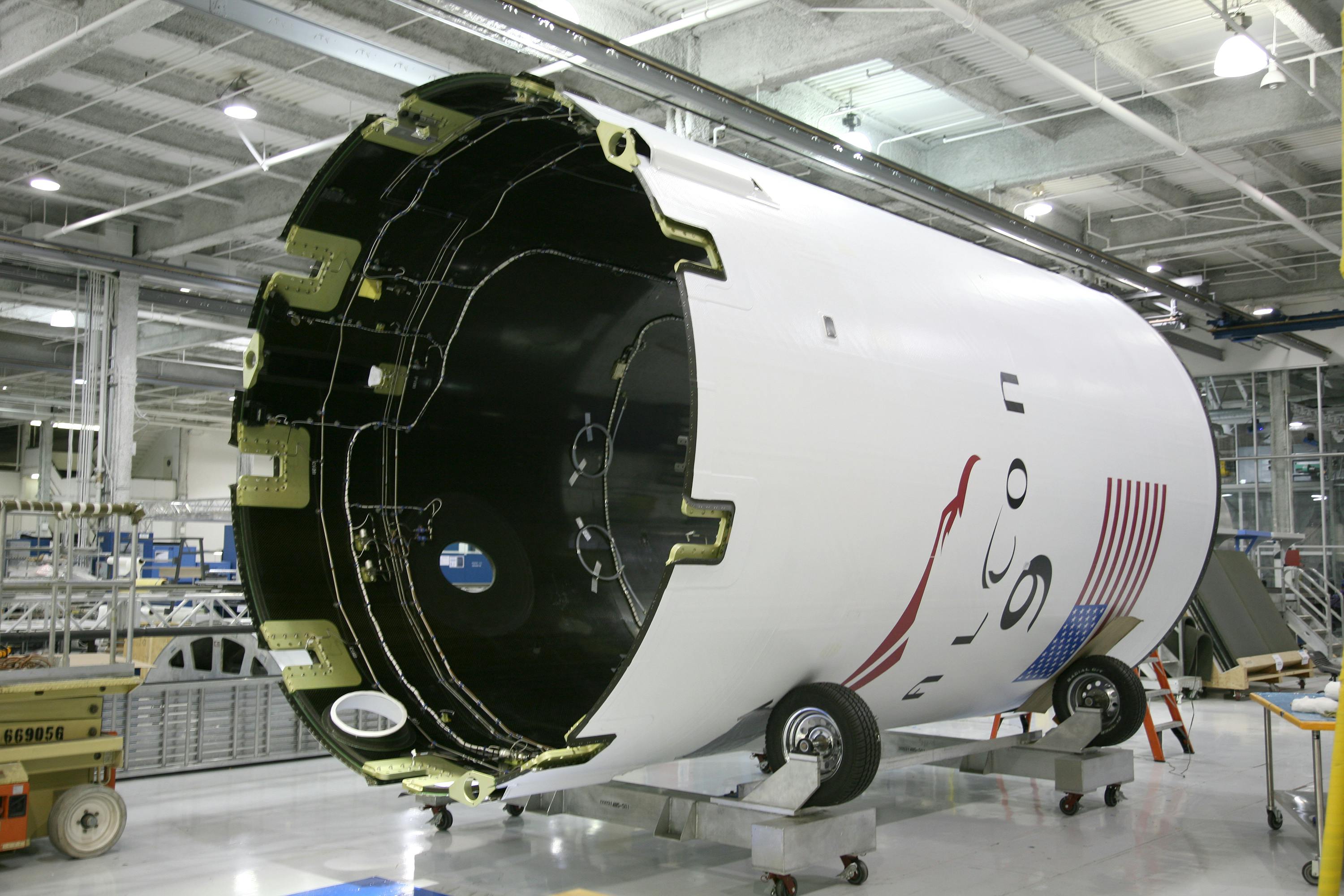
Starship V3 Debut Slips as Booster 19 Rolls to Pad 2 | KeepTrack X Report
Starship V3's maiden flight is delayed as SpaceX rolls Booster 19 to Pad 2 for Flight 9, while Falcon 9 completes its 30th mission of 2026.


Launch Date
December 16, 2018
Launch Site
RLLB
Launch Pad
LC1A
Launch Vehicle
Electron
NORAD ID
43850
International Designator
2018-104B
Decay Date
2/12/2026
Name
SHIELDS 1
Alternative Name
Shields
Type
Status
Owner
LARCN
Country
United States
Constellation
N/A
Related Satellites
Major Events
N/A
Length
0.3
Diameter
0.1
Span
0.3
Dry Mass
6.93
Launch Mass
6.93
Shape
Box+2 pan
Radar Cross Section
Unknown
Visual Magnitude
Unknown
Color
Unknown
Material Composition
Unknown
Payload
Shields
Purpose
Technology
Mission
Technology
Manufacturer
LARCN
Life Expectancy
Unknown
Bus
Cubesat 3U
Configuration
CubeSat (3U)
Motor
None
Equipment
Unknown
Power System
Solar cells, batteries
ADCS
Unknown
Transmitter Frequency
Unknown
Learn more about satellites and other related topics.
Starship V3's maiden flight is delayed as SpaceX rolls Booster 19 to Pad 2 for Flight 9, while Falcon 9 completes its 30th mission of 2026.
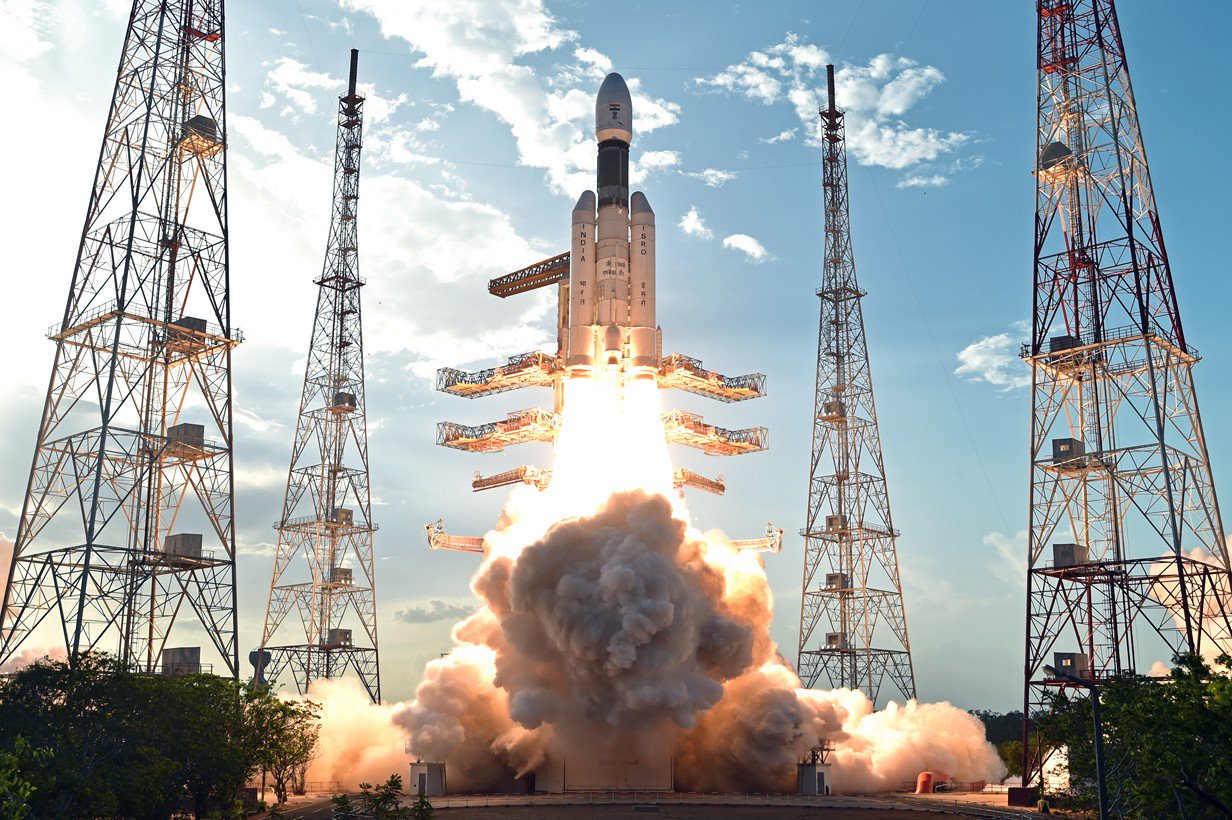
Today's stories cover Rocket Lab's innovative DiskSat launch, Digantara's expansion to missile defense, and DARPA's satellite surveillance network expansion, among other updates in military and satellite technology.
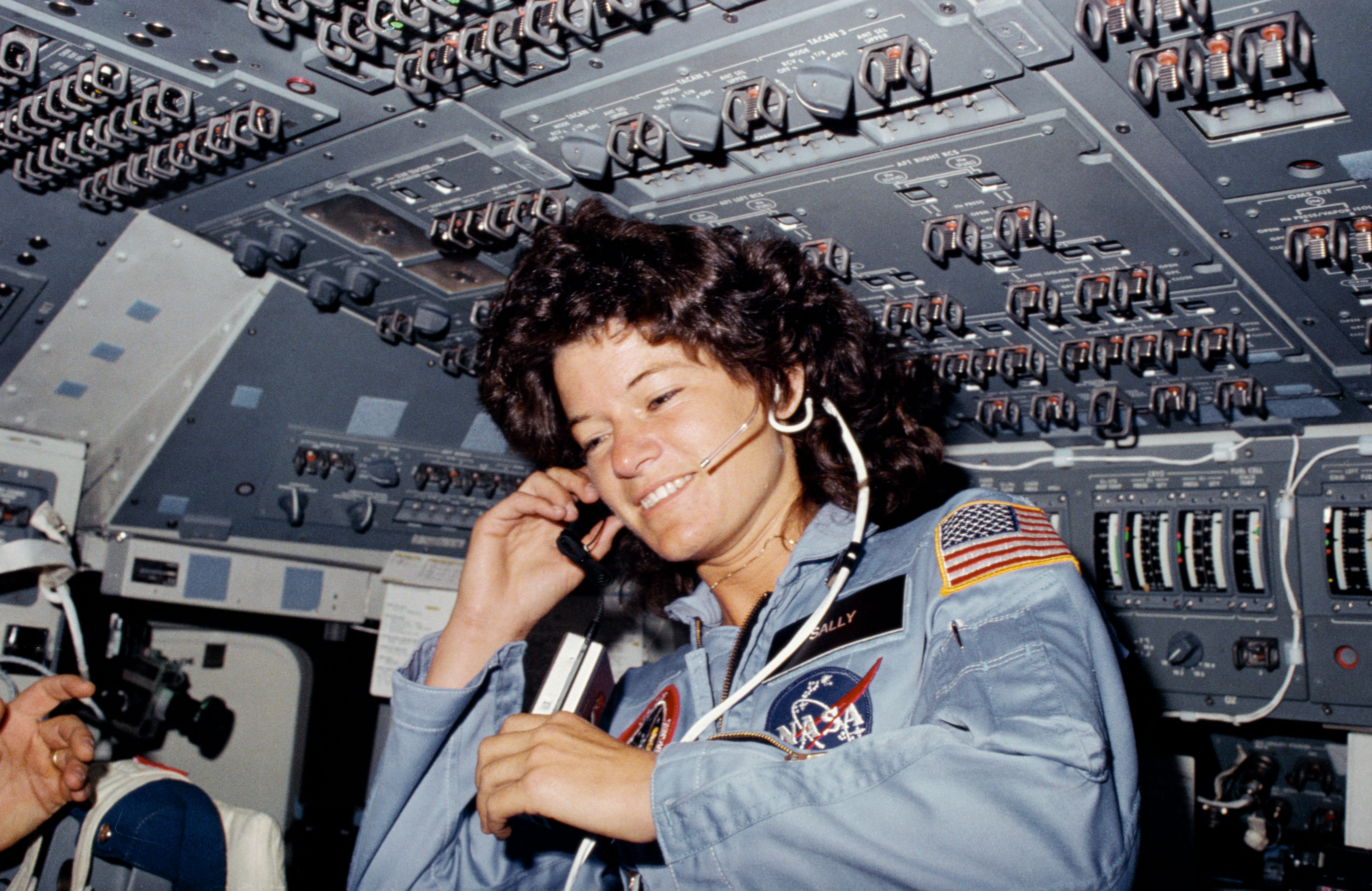
At 7:33 on the morning of 18 June 1983, a 32-year-old astrophysicist named Sally Ride rode Challenger off Pad 39A and became the first American woman in space. She got there two decades after the Soviets, and only after months of being asked whether spaceflight would damage her reproductive organs and whether she planned to cry.
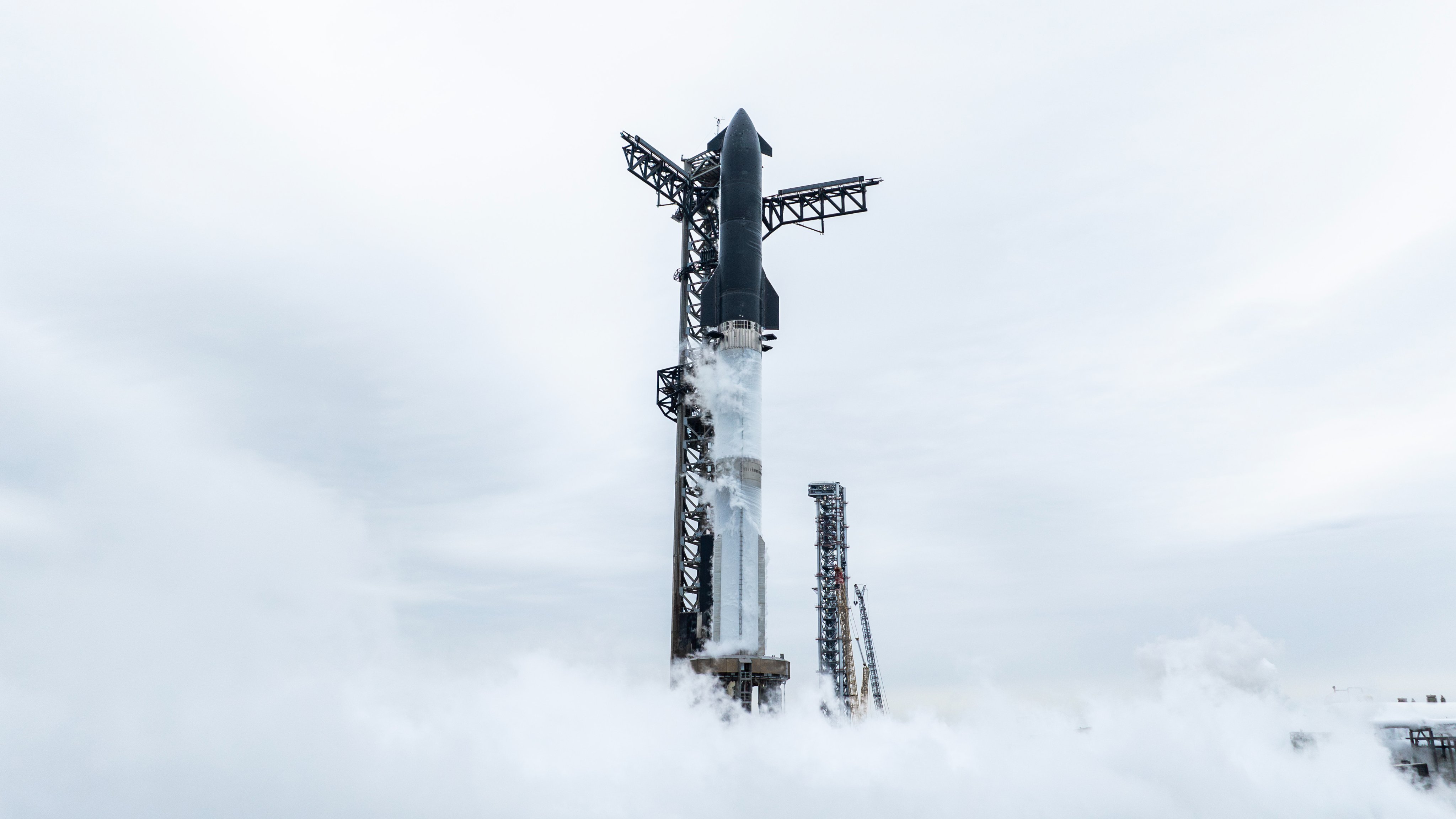
SpaceX Dragon berthed ISS with 6,500 pounds of cargo May 17. China's Zenk Space raised $26M, targeting June for Zhihang-1 rocket's orbital debut.
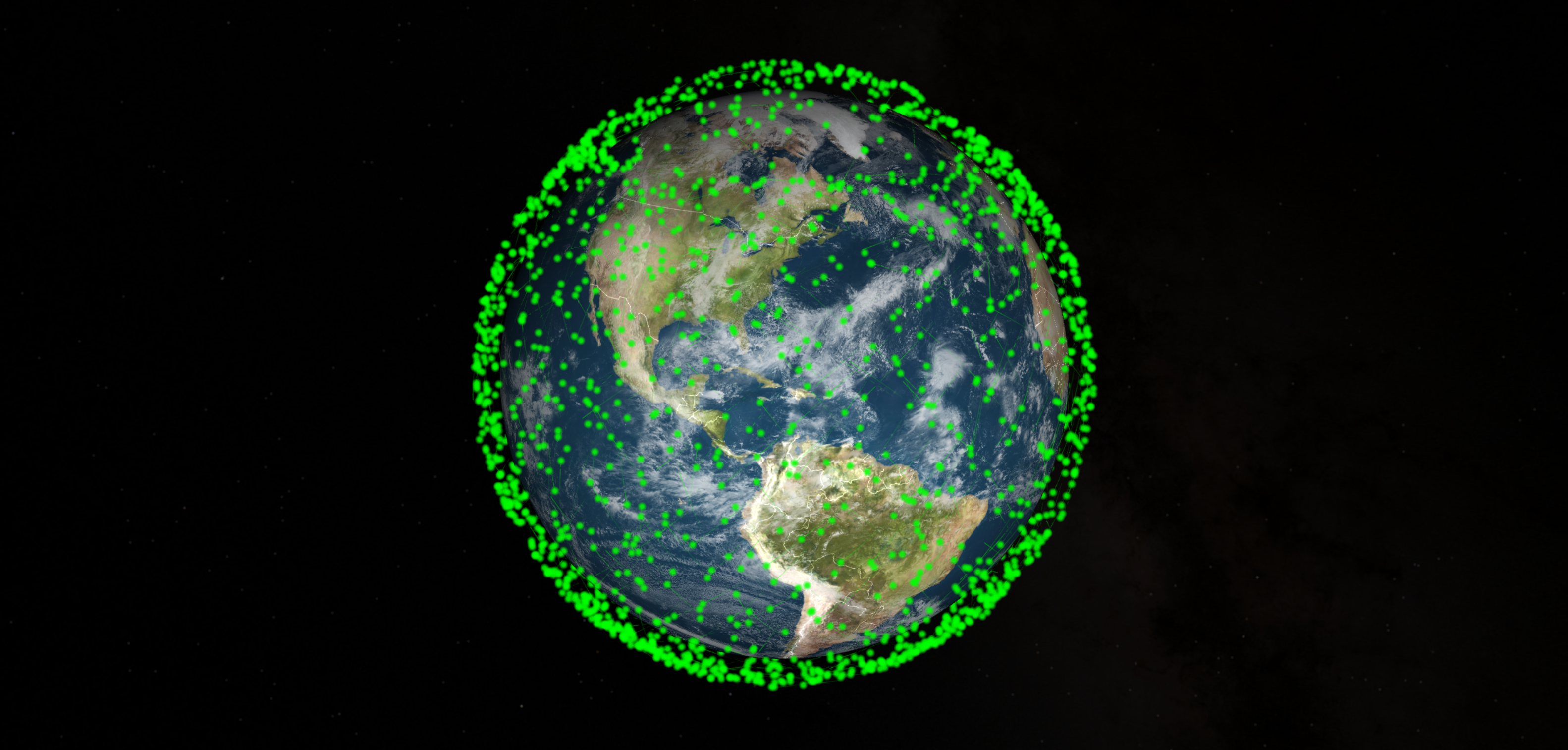
SpaceX quietly built the world's largest 4G network without a single cell tower. Over 650 satellites now connect standard smartphones directly from orbit, and most people carrying compatible phones don't know the service exists.
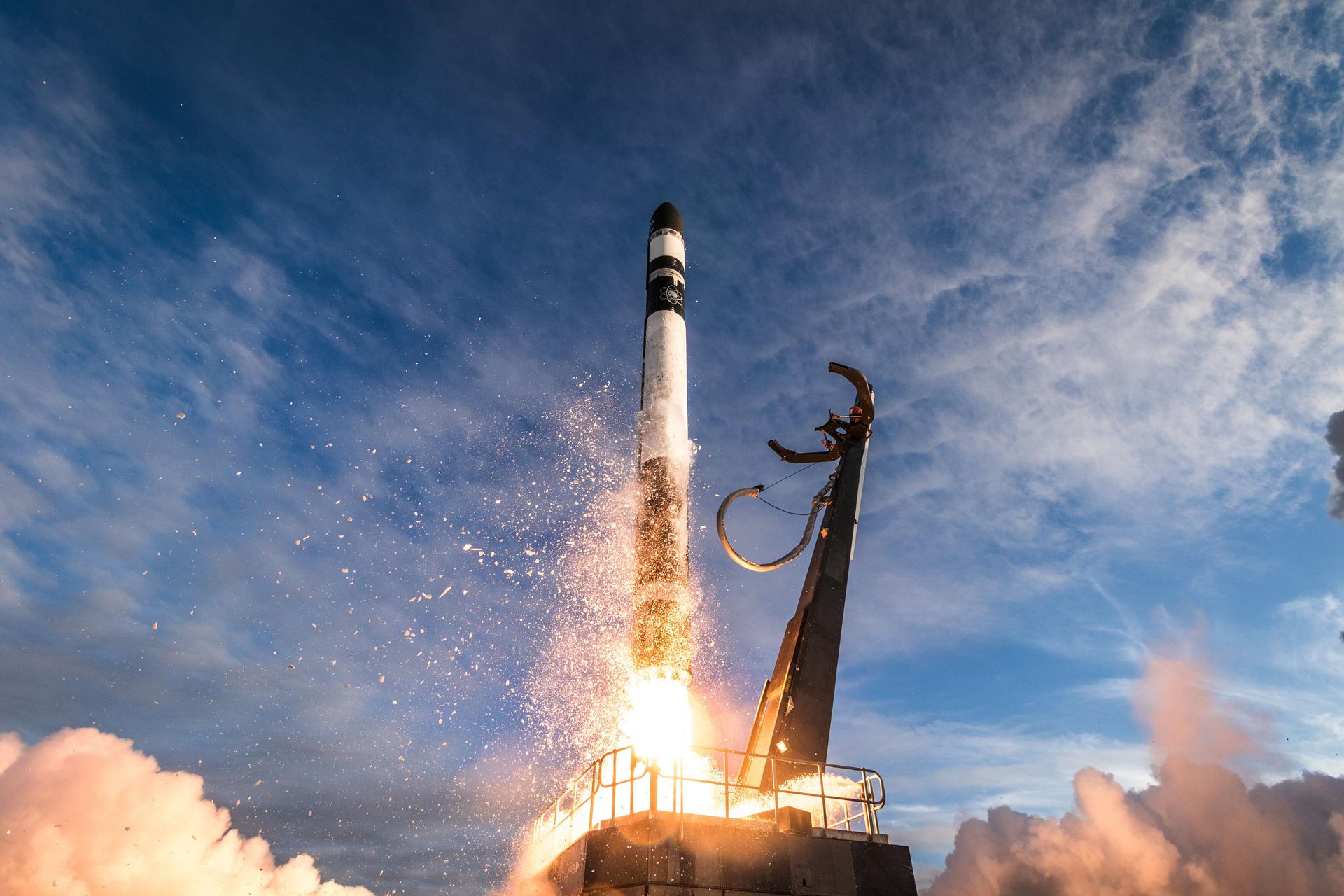
Today's Space Brief highlights a SpaceX launch of Starlink satellites, international efforts to tackle space debris, and innovative lunar power solutions from China.
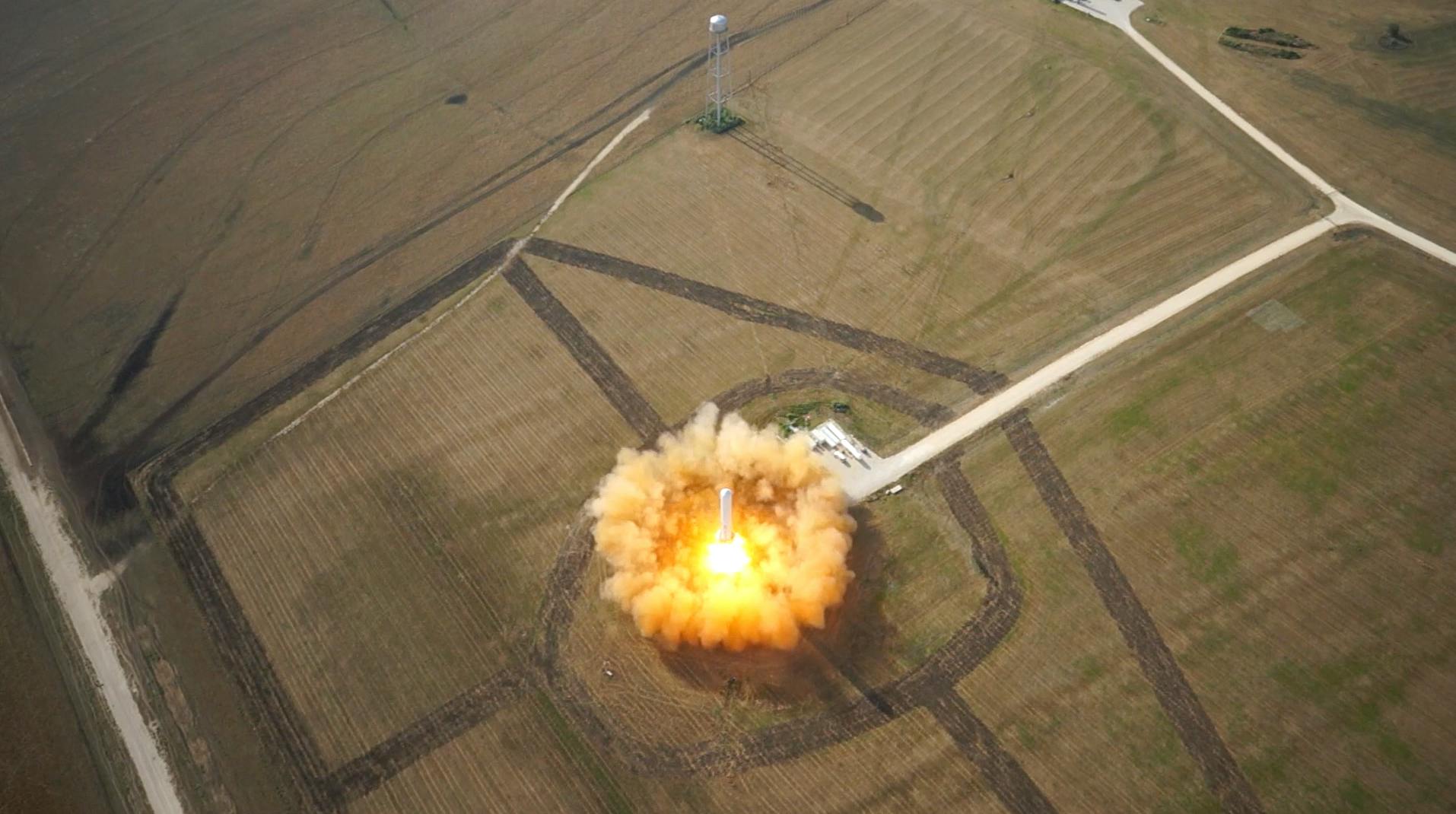
SpaceX sets a new rocket-reuse record and prepares for upcoming launches, maintaining the momentum in Starlink satellite deployments.
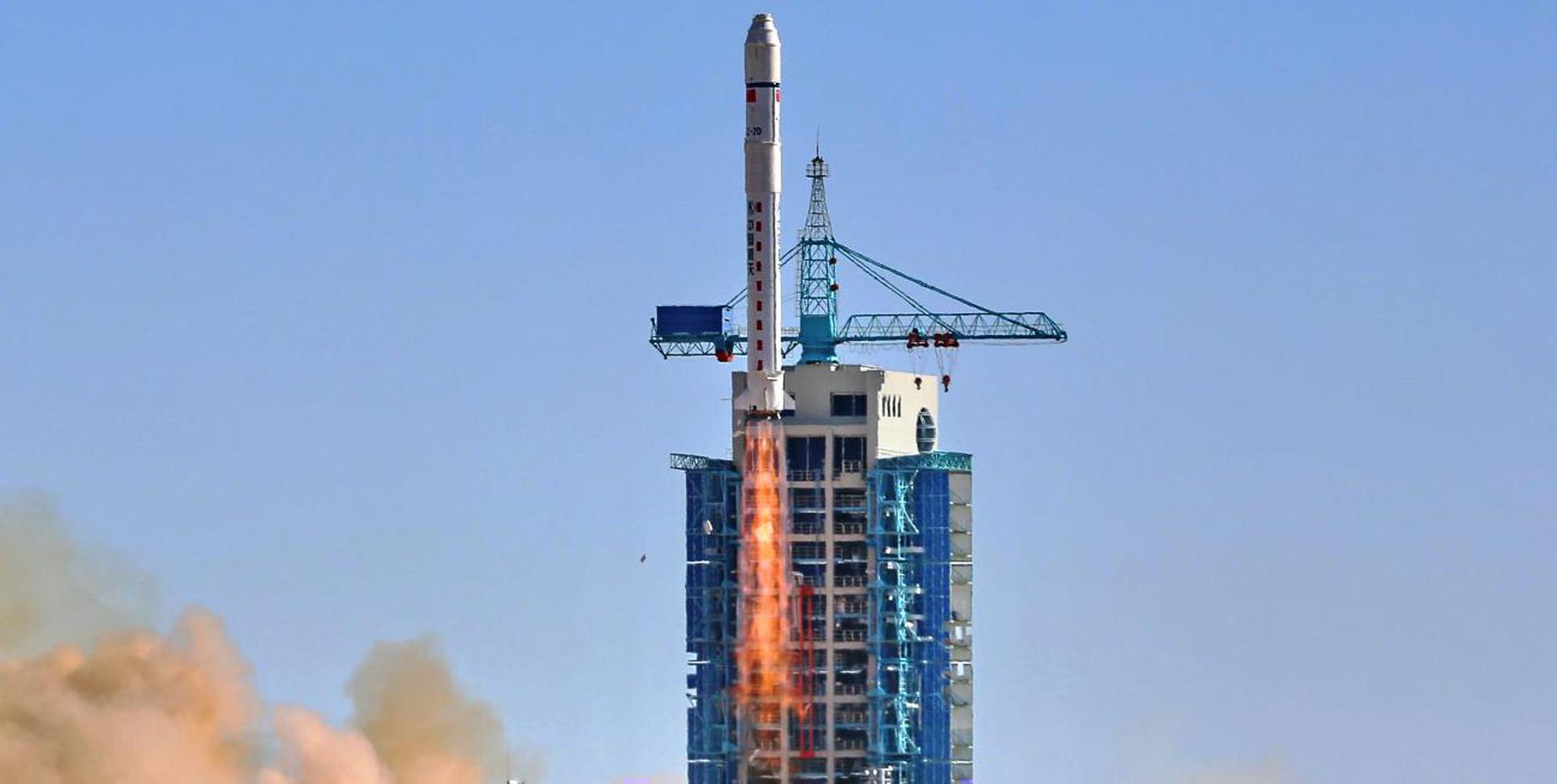
White House directs NASA and Pentagon to field space nuclear power systems by 2028, with DoD demonstration required by 2031. Game-changer for military satellite power budgets.