


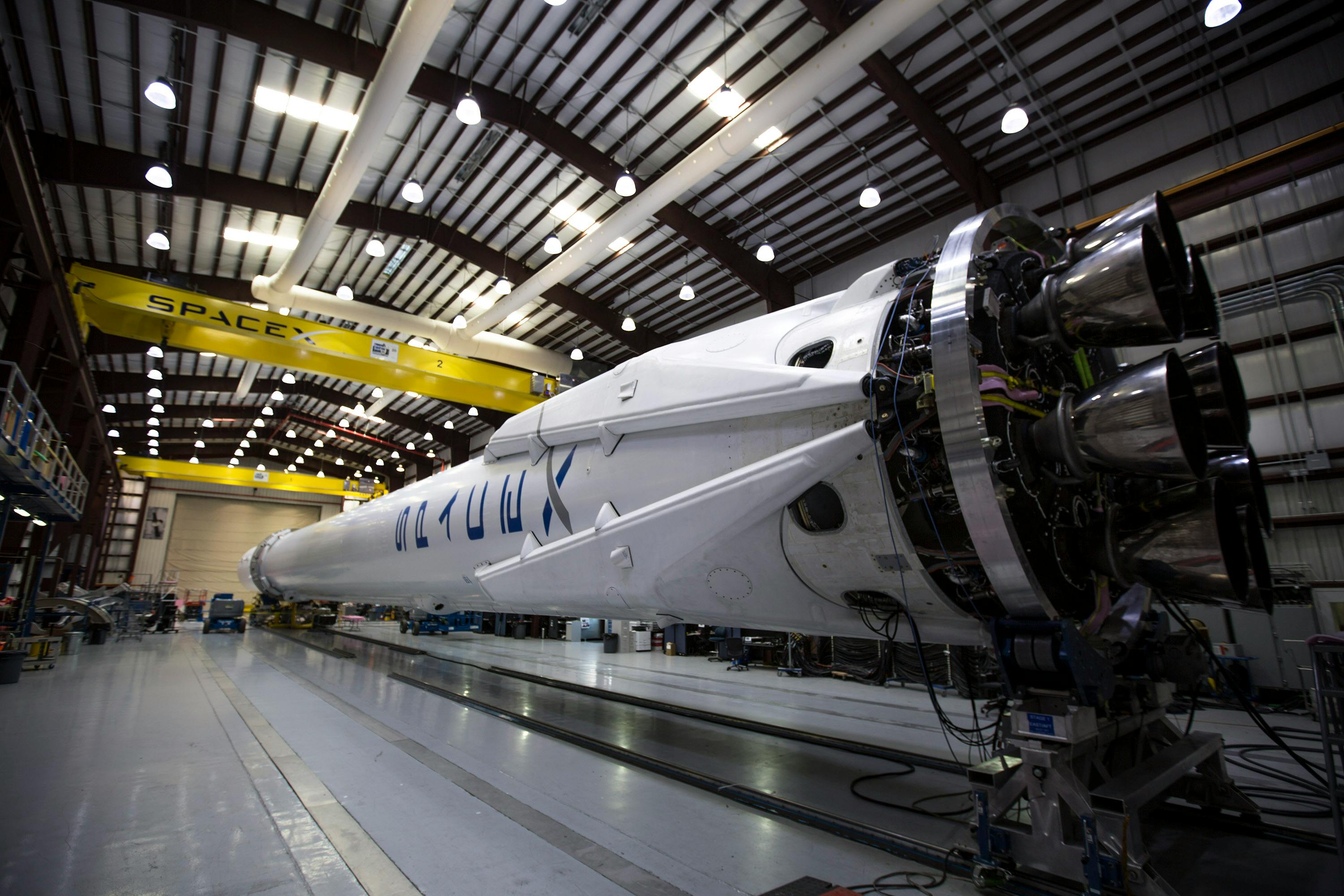
X Report 14 Dec 2024
SpaceX advances with Starship readiness, scrubs mysterious RRT-1 launch, and successfully deploys more Starlink satellites.


Launch Date
April 24, 1970
Launch Site
JSC
Launch Pad
LA2A
Launch Vehicle
Chang Zheng 1
NORAD ID
04382
International Designator
1970-034A
Epoch
Sat, 04 Jul 2026 05:46:45 GMT
Apogee
Calculating...
Perigee
Calculating...
Inclination
68.43°
Right Ascension
27.04°
Eccentricity
Calculating...
Argument of Perigee
324.78°
Period
109.54 min
Mean Motion
13.15 rev/day
Latitude
Calculating...
Longitude
Calculating...
Altitude
Calculating...
Velocity
Calculating...
Name
DFH 1
Alternative Name
DFH-1
Type
Status
Owner
JGB7
Country
China
Constellation
N/A
Related Satellites
Major Events
N/A
1 04382U 70034A 26185.24080131 .00000728 00000-0 11003-3 0 9997
2 04382 68.4272 27.0408 1031959 324.7809 28.9035 13.14542710647923
Source: Celestrak
Apologies, there is no summary for this satellite yet. I am working to generate these for every object in the catalog, but it is going to take time.
Length
1
Diameter
1
Span
1
Dry Mass
173
Launch Mass
173
Shape
Poly
Radar Cross Section
1
Visual Magnitude
Unknown
Color
Unknown
Material Composition
Unknown
Payload
Dong Fang Hong
Purpose
Technology
Mission
Technology
Manufacturer
CAST
Life Expectancy
20 days (planned); 28 days (achieved)
Bus
DFH-1
Configuration
72-faced polyhedron
Motor
None
Equipment
Transmitter
Power System
Batteries
ADCS
Unknown
Transmitter Frequency
Unknown
Learn more about satellites and other related topics.
SpaceX advances with Starship readiness, scrubs mysterious RRT-1 launch, and successfully deploys more Starlink satellites.

FCC approves 7,500 additional Starlink Gen2 satellites. Space Force awards SpaceX $739M for nine national security launches. NASA plans Crew-11 medical evacuation from ISS on January 14.
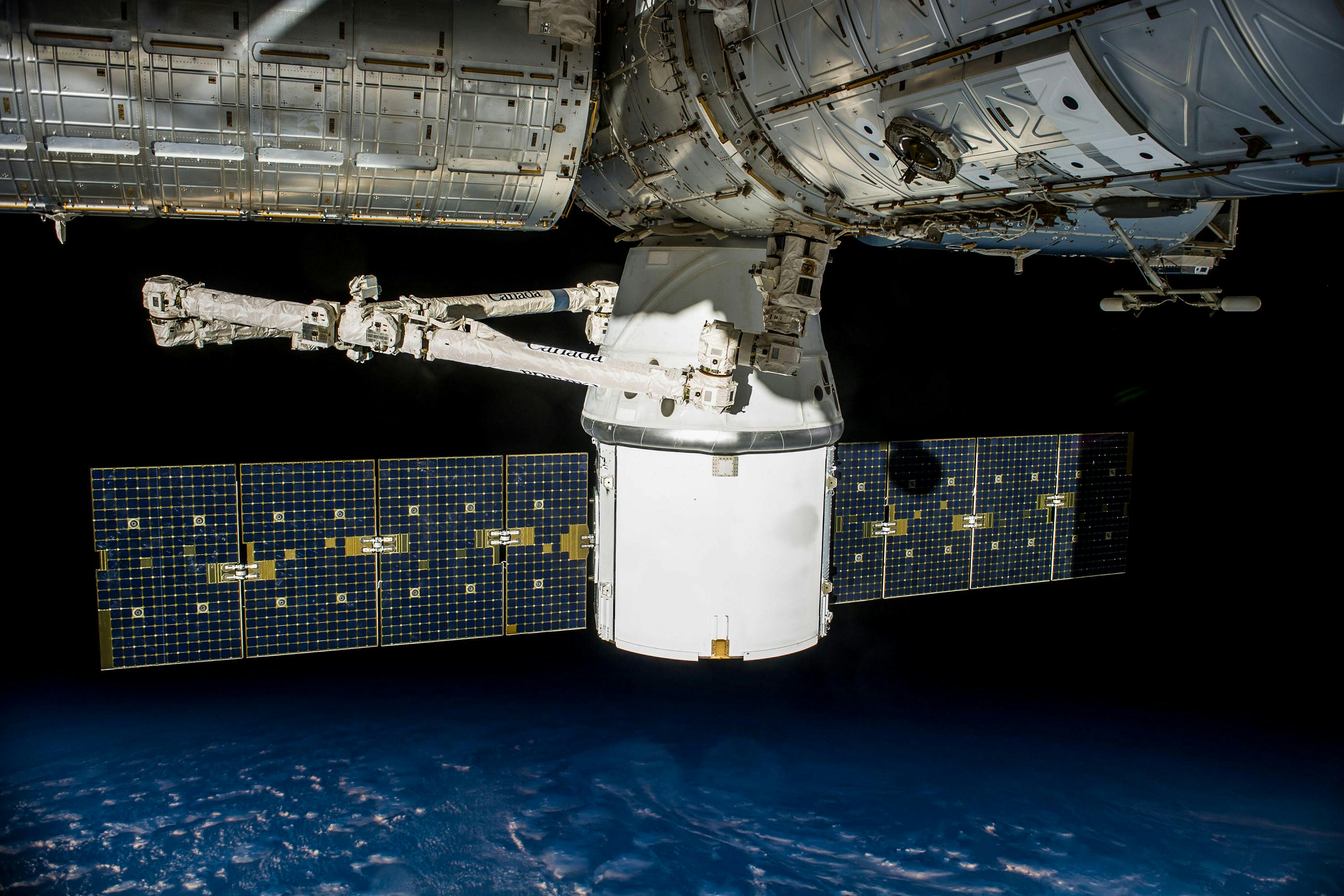
SpaceX launched NROL-179 from Vandenberg at 1:50 a.m. PDT June 19, carrying Starshield spy satellites for the National Reconnaissance Office.

NASA's Van Allen Probe A (1,300 lbs) reenters today after 14 years studying Earth's radiation belts. Most debris will burn up; ocean impact statistically likely.
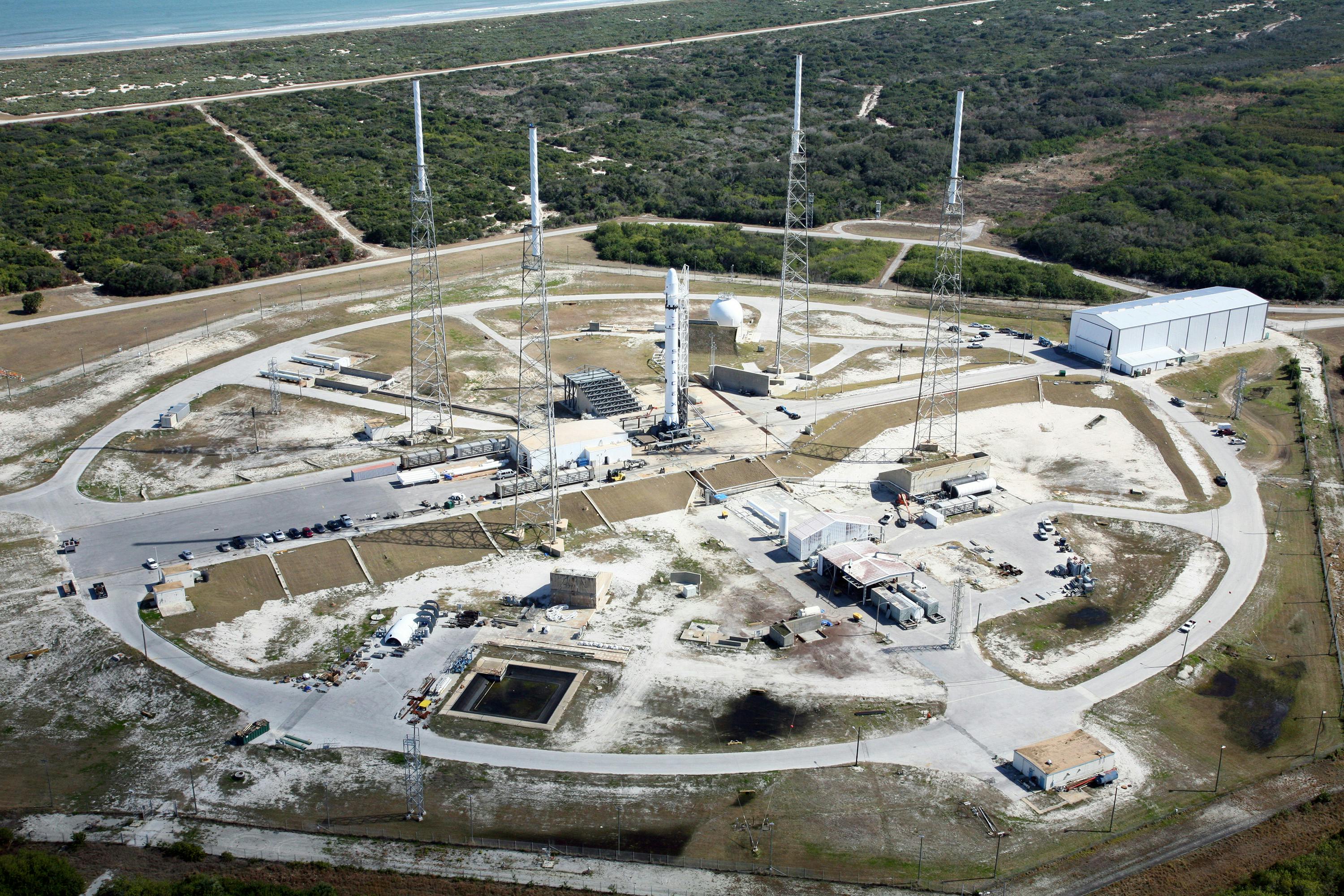
SpaceX makes strides with Starship testing while Starlink faces mounting competition as Viasat eyes Telesat's LEO capacity.

Scientists use earthquake sensors to track space debris reentry via sonic boom detection. SpaceX launches 25 Starlink satellites in seventh mission of 2026. NASA and DOE partner for lunar nuclear power.

Three Chinese rocket bodies have exploded over four years, creating debris clouds that will linger for decades to centuries, according to LeoLabs analysis. Fragmentation events threaten commercial and military operators.
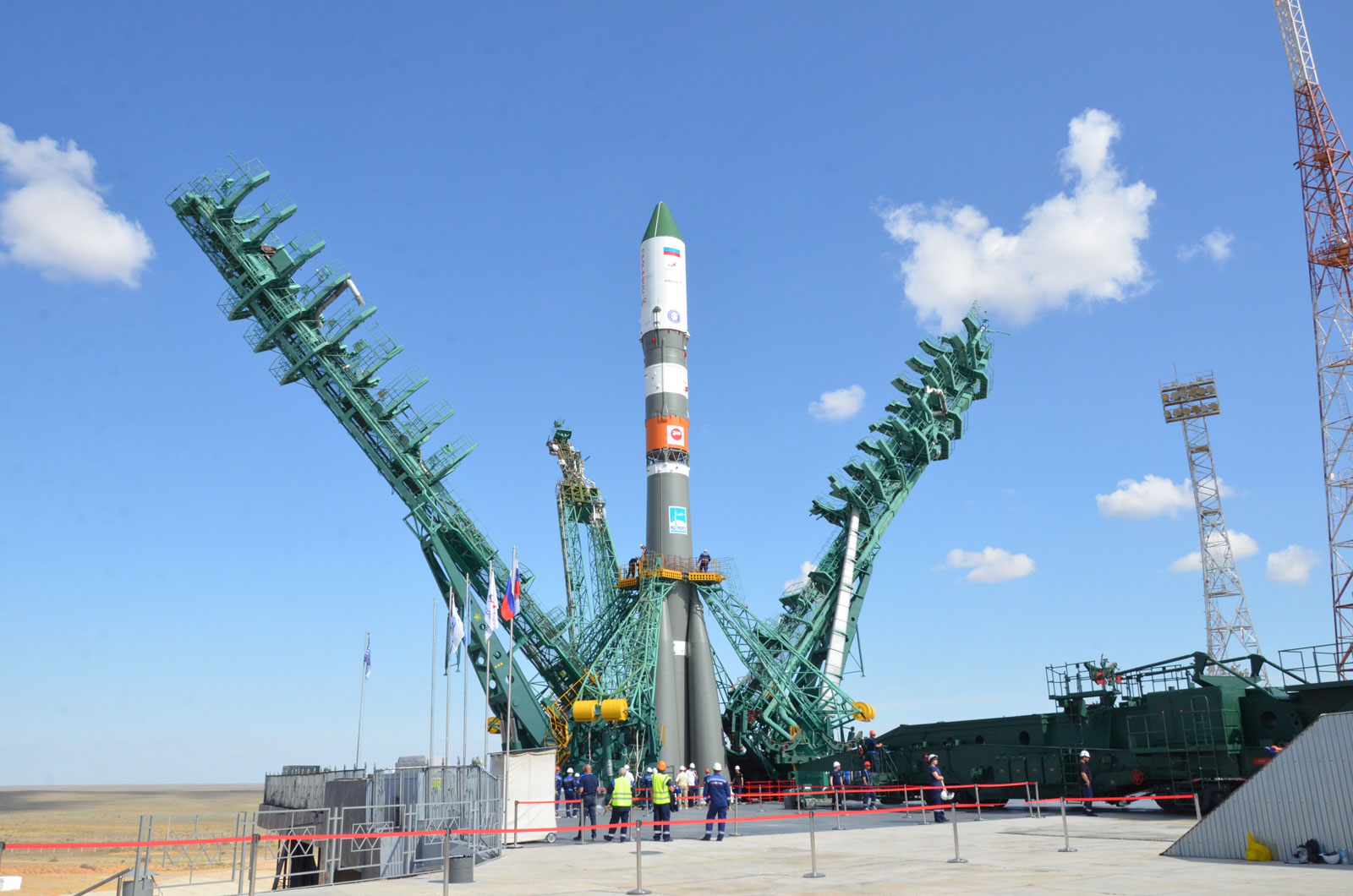
Highlights of today's Space Brief include advancements in missile defense systems, a historic lunar project by NASA, and strategic military investments in satellite technology.